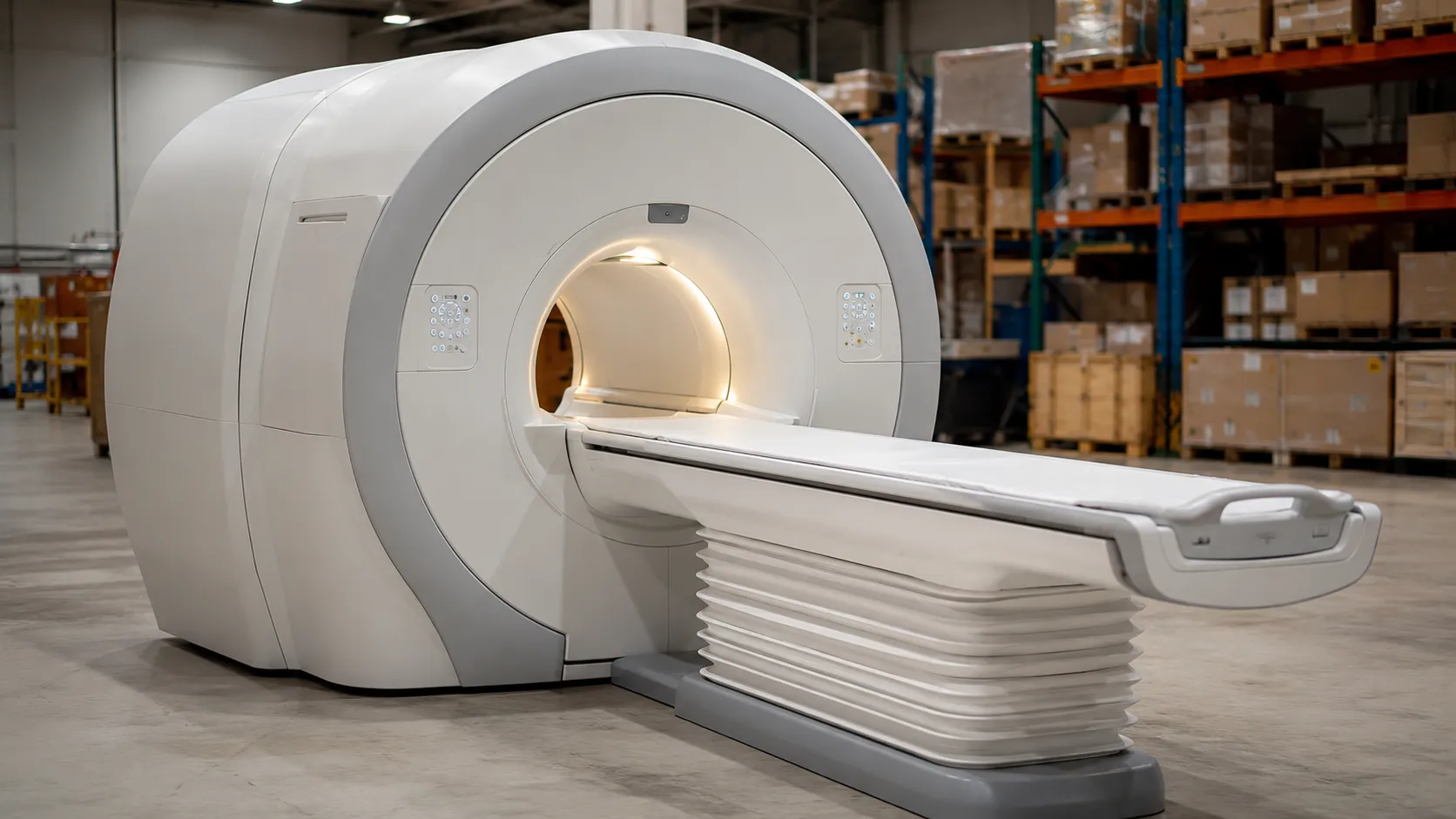
Choosing an MRI machine for specialist imaging needs is a significant decision because MRI offers detailed imaging without radiation but comes with substantial siting, safety, and support demands. The right MRI machine meets a service's specialist imaging needs dependably; the wrong one either falls short or brings requirements the service cannot support. Procurement teams browse MRI machines for buyers on Medigear.uk when planning.
MRI machines vary in their field strength, coils, applications, and workflow, so a service with specialist needs must match the machine to the imaging it performs. Understanding these differences before choosing leads to an MRI machine that serves its specialist work rather than one that constrains it.
This guide sets out what to weigh when choosing an MRI machine for specialist imaging needs, from field strength and coils to safety, siting and support, so a service can image with confidence.
Why the right MRI machine matters
An MRI machine provides detailed imaging that specialist services depend on, so its field strength, coils and capabilities directly shape the imaging a service can offer. The right machine meets specialist needs with the image quality and applications they require, while a poorly matched one limits the service. Because an MRI machine has demanding siting, safety and support needs and is a major long-term investment, choosing one that genuinely fits the specialist work matters greatly.
What to weigh when choosing an MRI machine
Specialist imaging needs
Begin by defining the specialist imaging the service performs, since this shapes the field strength, coils and applications required. Matching the machine to specialist need is the foundation of the choice. Defining the needs first guides every later decision, and a clear picture of the specialist work keeps the selection focused. Suppliers can also ask the Medigear.uk team about MRI machines.
Field strength
Consider the field strength the service's imaging requires, since different specialist applications call for different strengths. A field strength matched to the work supports the imaging needed. Field strength is central to MRI capability, and choosing it to suit the specialist work is key.
Coils and applications
Weigh the coils and applications the machine supports, since specialist imaging depends on the right coils for the anatomy examined. A machine with the coils and applications a service needs supports its work. Coils and applications shape what the machine can image, and matching them to the service is essential.
Image quality
Consider the machine's image quality for the service's specialist examinations, since diagnostic confidence depends on detailed imaging. A machine that images well for the intended work supports reliable diagnosis. Image quality is at the heart of MRI, and clarity for the specialist caseload matters most.
Patient experience
Weigh the patient experience the machine offers, since MRI can be daunting, and bore size, noise a nd comfort features affect patients. A machine that improves the patient experience supports smoother scanning. Patient comfort matters in MRI, and a better experience helps patients complete their scans.
Safety and environment
Consider the machine's safety and environmental needs, since MRI's strong magnetic field brings significant safety requirements. A clear understanding of MRI safety is essential to siting and operating the machine. Safety is a defining feature of MRI, and the magnetic environment shapes the whole installation.
Siting and installation
Weigh what siting and installation the machine requires, since MRI needs suitable, shielded rooms and services, which shape the project. Grasping the siting needs early is essential to planning. The physical requirements are a major part of the decision, and matching the machine to what the service can accommodate avoids avoidable surprises.
Reliability and support
Examine the machine's reliability and the support behind it, since MRI downtime disrupts a specialist service, and a dependable machine with responsive servicing keeps imaging available. Reliability and support are central to the choice, and a well-supported machine stays dependable across years of specialist use.
Matching the machine to the specialism
The guiding principle in choosing an MRI machine is matching it to the specialist imaging a service performs, because different specialisms need different field strengths, coils and applications. A machine matched to the specialist work serves it well, while a mismatched one limits the service. Choosing for the specialism leads to a machine that genuinely supports the imaging a service exists to provide.
Defining specialist imaging needs
A sound choice starts from a clear picture of the specialist imaging a service performs, since this shapes the specification that will serve it. Understanding the applications and anatomy examined guides the field strength and coils required. Defining specialist needs first is the foundation of a machine that fits, and it keeps the whole decision grounded in the service's real work.
MRI safety at the centre
MRI's strong magnetic field brings significant safety requirements, so safety is central to choosing, siting and operating an MRI machine. A clear understanding of MRI safety shapes the environment, the siting and the way the machine is used. Considering safety from the outset is a defining part of MRI, since the magnetic environment affects everything around the machine and everyone who enters it.
The patient experience
MRI can be daunting for patients, with enclosed spaces and noise, so a machine's bore size, noise reduction and comfort features affect the patient experience and the ease of scanning. A machine that improves the experience helps patients complete their scans and reduces repeats. Considering patient comfort is part of choosing an MRI machine that works well in practice, not only on paper.
Siting as a major project
An MRI machine has demanding siting needs, from shielded, controlled rooms to services and access, so siting is a major part of the decision and the project. Understanding what the installation involves shapes the whole timeline. Considering siting early prevents surprises and keeps the introduction smooth, since the specialist environment matters as much as the machine itself.
Coils and applications in depth
Much of an MRI machine's specialist capability lies in its coils and applications, which determine what anatomy it images well and which examinations it supports. Choosing coils and applications matched to the service's work extends what the machine can do for its specialism. Considering these carefully is central to a machine that truly serves specialist imaging needs.
Support and uptime
MRI is central to a specialist service, so the support behind the machine and its uptime matter greatly, since downtime disrupts many patients. A dependable machine with responsive servicing and good support keeps specialist imaging available. Weighing support and reliability is central to a machine a service can depend on, because availability is as important as capability in specialist work.
Planning for the service's future
A specialist service may develop over time, so choosing an MRI machine that can support its evolving needs, through upgrades or additional applications, protects the investment. A machine chosen with the future in mind serves a service longer. Looking ahead sensibly keeps a choice from being outgrown, while matching capability to genuine specialist need rather than speculation.
The whole life of the machine
An MRI machine is a major, long-term investment with significant running needs, so a service considers its durability, servicing, software support and environment over years. A machine that is well supported stays useful and current far longer. Thinking about the whole life protects both the imaging it enables and the investment, keeping the machine serving its specialism well throughout its service.
Planning the project
Introducing an MRI machine is a substantial project involving siting, shielding, installation, safety and training, so a service plans it carefully to bring the machine into service smoothly and safely. Planning each stage in turn keeps the project on track. A well-planned project ensures the machine is sited, safe, understood and ready before it images patients, which protects both patients and the investment.
A checklist before you choose
-
Needs. Define the specialist imaging you perform
-
Field strength. Match strength and coils to that work
-
Safety. Understand MRI's magnetic-field safety needs
-
Patient experience. Weigh bore size, noise and comfort
-
Siting. Understand the shielded rooms and services needed
-
Support. Weigh dependability, uptime and servicing
Planning an MRI machine choice
A service choosing an MRI machine starts from the specialist imaging it performs, then matches the machine's field strength, coils, applications and image quality to that need, weighing MRI safety and siting throughout. Because the machine is a major investment with demanding siting and safety needs, the choice is planned carefully alongside the installation project.
It also helps to plan for safety, patient experience, training and support from the outset, so the machine serves the service well over its whole life. An MRI machine chosen to fit a service's specialist needs provides dependable, detailed imaging for years.
Imaging that serves the specialism
Choosing an MRI machine for specialist imaging needs comes down to matching its field strength, coils, applications and image quality to the imaging a service performs, with MRI safety and siting weighed throughout. A service that defines its specialist needs, plans the siting and safety carefully and weighs support and reliability chooses an MRI machine that provides dependable, detailed imaging for its specialism. Teams often find MRI machines from suppliers on Medigear.uk for their service.
Servicing and safety
An MRI machine has significant safety requirements, so servicing, safety checks and testing are essential to keep it safe and dependable. Staff should watch the MHRA's device safety alerts and recalls so that any concern with an MRI machine is acted on.
Choosing an MRI machine in short
The right MRI machine matches its field strength, coils, applications and image quality to a service's specialist imaging needs, with MRI safety and siting weighed throughout. Defining specialist needs, planning the siting and safety,y and weighing support lead to imaging that serves the specialism. Chosen this way, an MRI machine supports specialist diagnosis for years.
This guide offers general procurement guidance on choosing an MRI machine and is not clinical advice; local policy, safety regulations and manufacturer instructions always take precedence.