Breathing issues like shortness of breath, asthma, COPD, and post-illness weakness are common today. Many people worry whether exercise is safe for their lungs. The truth is that the right exercises, done gently and consistently, can strengthen the lungs and reduce breathing difficulties.
How Exercise Improves Breathing
Exercise makes your lungs work harder, which helps them become stronger and more efficient. It supports breathing in several ways:
1. Increases lung capacity
Deep and regular movement expands the lungs and improves airflow.
2. Strengthens breathing muscles
The diaphragm and chest muscles work better, making breathing easier.
3. Improves oxygen flow
Better oxygen exchange reduces tiredness and breathlessness.
4. Enhances blood circulation
More oxygen reaches the body, lowering strain on the lungs.
5. Reduces breathlessness over time
Controlled activity helps your lungs adapt, so daily tasks feel easier.
Best Exercises for Breathing Problems
These gentle exercises benefit most people with respiratory issues:
- Walking-Easy and safe. Start slow and increase duration gradually.
- Breathing exercises-Diaphragmatic breathing, pursed-lip breathing, and deep breathing calm the airways and strengthen the lungs.
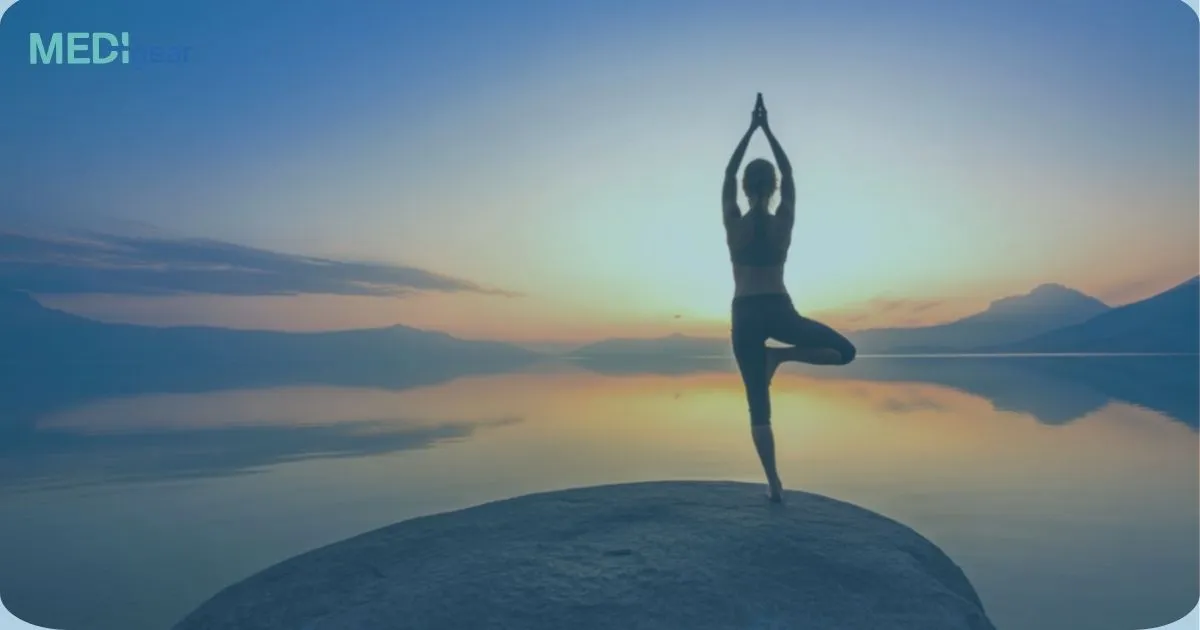
- Yoga-Improves lung elasticity and reduces stress.
- Swimming-Builds strong respiratory muscles, and the humid air is soothing.
- Cycling-Boosts cardiovascular fitness and oxygen uptake.
- Light strength training-Stronger muscles reduce overall oxygen demand.
Exercise for Specific Conditions
- Asthma-Low to moderate exercise helps, but warm up well and keep your inhaler handy.
- COPD-Exercise is part of pulmonary rehab and can reduce breathlessness.
- Post Covid or Long Covid-Gentle breathing work and slow aerobic exercise help rebuild lung strength.
- Obesity-related breathlessness-Regular activity supports weight loss and reduces pressure on the lungs.
Safety Tips
-
Begin slowly and increase intensity gradually.
-
Avoid exercising in polluted or very cold environments.
-
Do proper warm-ups and cool-downs.
-
Stop if you feel chest pain, dizziness, or severe breathlessness.
-
Stay hydrated.
-
Follow medical advice if you have a diagnosed lung condition.
When to See a Doctor
Seek medical help if you have:
-
sudden or severe shortness of breath
-
chest tightness
-
persistent wheezing or cough
-
difficulty breathing during light activity
A doctor can identify underlying issues and guide you safely.
Conclusion
Yes, exercise can help with breathing problems. It strengthens the lungs, improves oxygen flow, and reduces breathlessness when done correctly. Start slow, choose gentle activities, and stay consistent to support long-term respiratory health.