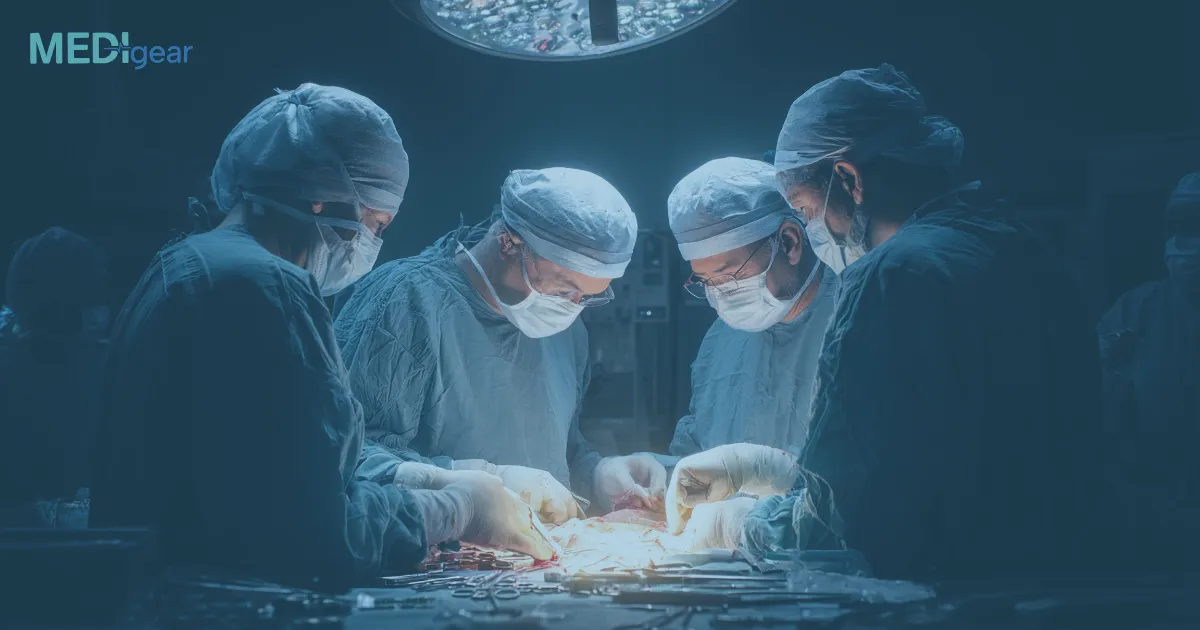
Anesthesiologists play a critical role in ensuring patient safety during surgery. Beyond administering anesthesia, they continuously monitor vital body functions to keep patients stable, comfortable, and protected throughout the procedure. This real-time monitoring allows anesthesiologists to detect and respond immediately to any changes that could affect a patient’s health.
1. Role of the Anesthesiologist in the Operating Room
Anesthesiologists are responsible for:
- Selecting and administering the appropriate type of anesthesia
- Maintaining unconsciousness, pain control, and muscle relaxation
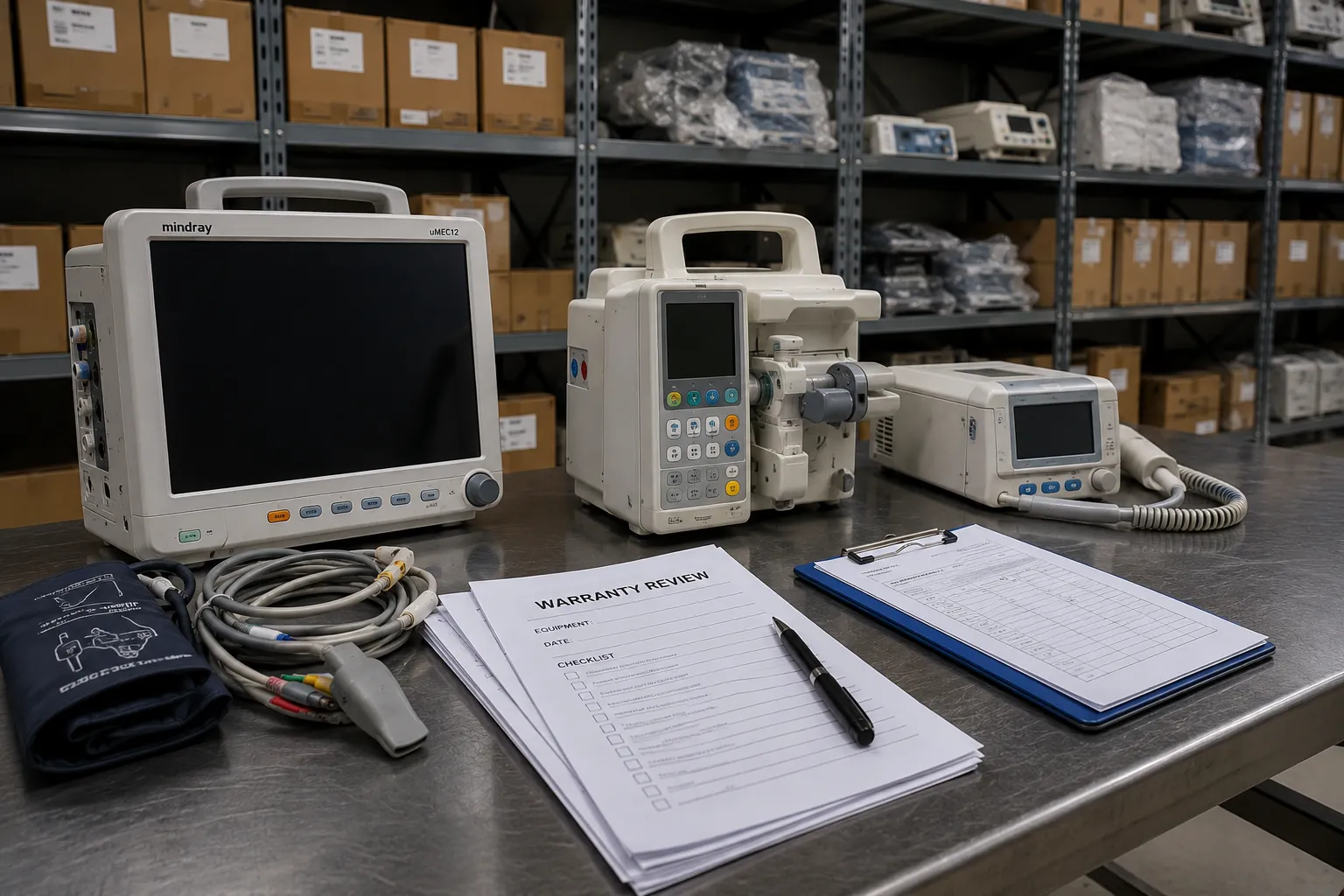
- Monitoring vital signs and organ function
- Managing fluids, blood loss, and medications
- Responding to emergencies during surgery
Their focus remains on the patient from the moment anesthesia begins until recovery is well underway.
2. Monitoring Heart Function
Electrocardiogram (ECG)
An ECG continuously tracks the heart’s electrical activity, allowing anesthesiologists to detect abnormal heart rhythms, ischemia, or cardiac stress during surgery.
Heart Rate and Blood Pressure
Blood pressure is monitored either non-invasively with a cuff or invasively using an arterial line for high-risk surgeries. Maintaining stable blood pressure ensures adequate blood flow to vital organs.
3. Monitoring Oxygenation and Breathing
Pulse Oximetry
A pulse oximeter measures oxygen saturation in the blood, ensuring tissues receive enough oxygen at all times.
Capnography
Capnography measures carbon dioxide levels in exhaled breath. It confirms proper ventilation, correct placement of breathing tubes, and effective removal of carbon dioxide.
Respiratory Rate and Airway Pressure
Anesthesiologists monitor breathing rate and airway pressures to detect airway obstruction, lung issues, or ventilator problems.
4. Monitoring Brain Function and Depth of Anesthesia
Level of Consciousness
Clinical signs such as movement, blood pressure, and heart rate help assess anesthesia depth.
Brain Activity Monitoring
In some surgeries, specialized monitors assess brain electrical activity to prevent awareness during anesthesia and avoid excessive drug dosing.
5. Monitoring Temperature
Body temperature is closely monitored to prevent hypothermia or overheating. Maintaining normal temperature reduces infection risk, improves healing, and stabilizes heart and blood-clotting function.
6. Monitoring Fluid Balance and Blood Loss
Urine Output
Urine output reflects kidney function and overall blood circulation.
Blood Loss Assessment
Anesthesiologists estimate blood loss and manage fluid replacement or blood transfusions when needed.
7. Monitoring Muscle Relaxation
When muscle relaxants are used, nerve stimulators help assess the degree of muscle blockade. This ensures safe surgical conditions and complete recovery of muscle function after surgery.
8. Continuous Observation and Team Communication
In addition to machines, anesthesiologists rely on constant visual assessment of:
- Skin color
- Chest movement
- Surgical field feedback
- Patient responses
They communicate continuously with surgeons and nurses to coordinate care and respond quickly to changes.
9. Monitoring During Recovery
Monitoring continues in the recovery room, where anesthesiologists and nurses assess:
- Breathing and oxygen levels
- Blood pressure and heart rate
- Pain control
- Nausea or complications from anesthesia
This ensures a smooth and safe transition from anesthesia to full consciousness.
Conclusion
Anesthesiologists use advanced monitoring tools and clinical expertise to safeguard patients during surgery. By continuously tracking heart function, breathing, brain activity, temperature, and circulation, they ensure that anesthesia is delivered safely and effectively. Their vigilance before, during, and after surgery is essential to modern surgical care.
Disclaimer
This blog is for informational purposes only and does not replace professional medical advice. Anesthesia care and monitoring decisions are made by qualified anesthesiology professionals based on individual patient needs.