
Introduction
Of all the places to put a surgical robot, the chest is one of the least forgiving. The heart sits behind the breastbone in a cramped space, it moves, and the margin for error is slim. So when robotic equipment is used in cardiac surgery, it is solving a genuinely hard problem — reaching the heart through small openings rather than opening the chest wide.
This article explains the robotic equipment in cardiac surgery: what it makes possible, the operations it suits, and why it is powerful but far from routine. It is written for cardiac, theatre and procurement teams across the UK, Europe, the US, the Gulf and South Africa who want a straight account of where the technology fits.
Avoiding the sternotomy
Traditional heart surgery often begins by dividing the breastbone to reach the heart — a sternotomy. It gives excellent access but is a major insult to the body, with a long recovery. The central promise of robotic cardiac surgery is to avoid that for selected operations, working instead through a few small openings between the ribs.
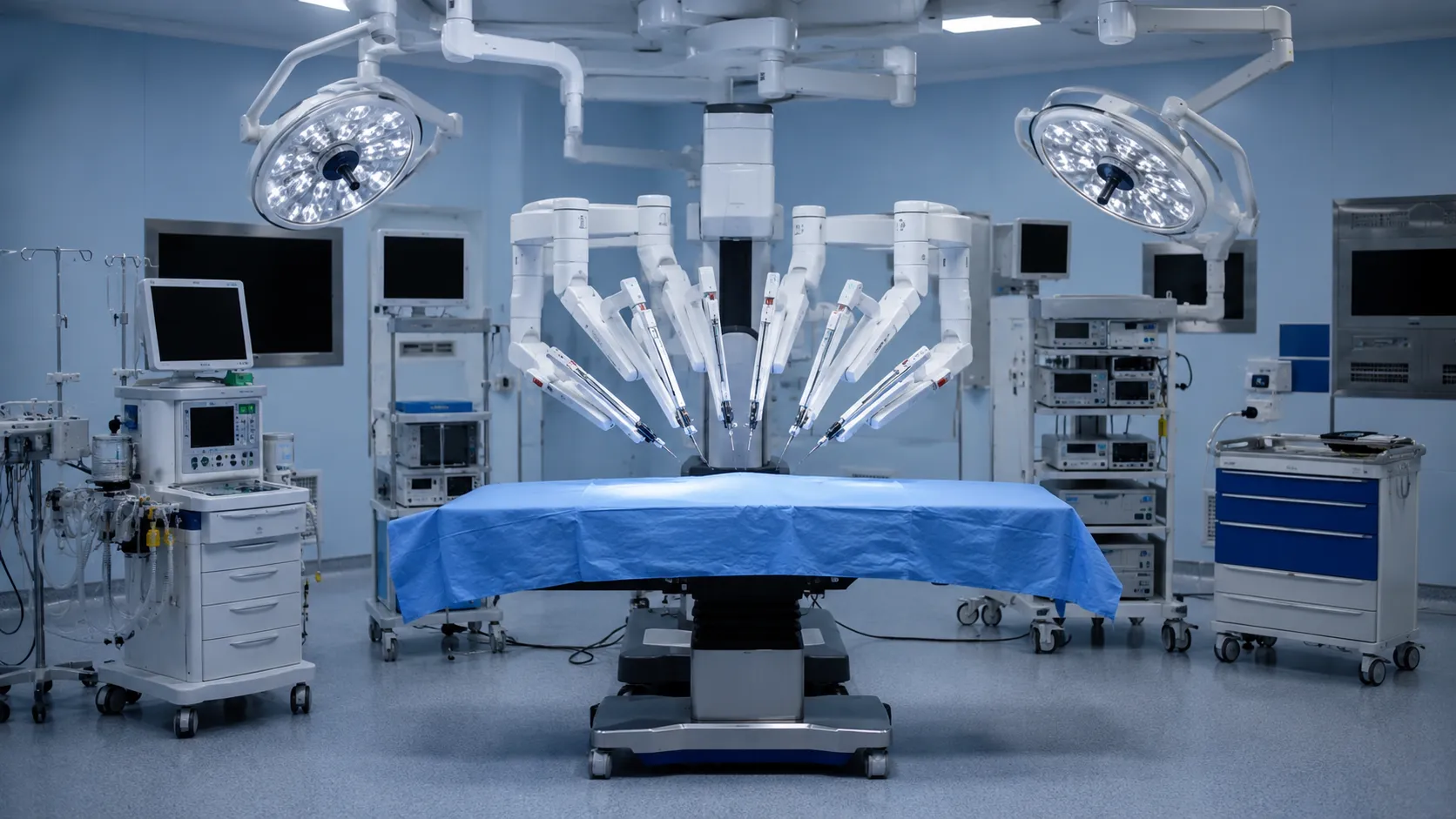
Through those small ports, the surgeon uses the robotic system's slim, articulated instruments and magnified view to operate on the heart without opening the chest. For the right patient and procedure, that can mean less trauma, less blood loss and a quicker return to normal life than a full sternotomy would allow. That is the appeal, and it is a real one.
What it is used for
Robotic cardiac surgery is not a general replacement for open heart surgery; it is suited to particular operations where minimally invasive access is both feasible and worthwhile. The clearest examples include:
-
Mitral valve repair — one of the most established robotic cardiac procedures.
-
Harvesting the internal mammary artery for use in bypass grafting.
-
Selected repairs of holes between the heart's chambers.
-
Certain coronary and other procedures in suitable patients.
What these share is that they can be done well through small openings by an experienced team. Many cardiac operations still call for open access, and trying to force them into a robotic approach would help no one. Careful case selection is central to doing this safely.
A high-stakes learning curve
Cardiac surgery leaves little room for the ordinary teething troubles of a new technique, which makes the learning curve especially serious. Operating on the heart through small ports demands a highly trained surgeon and a team practised in the particular rhythm of a robotic cardiac case. Building that expertise takes time, mentoring and a steady case load.
This is one reason robotic cardiac surgery remains concentrated in specialist centres rather than spread thinly. The Royal College of Surgeons of England stresses that robotic-assisted surgery should expand only with proper training and governance behind it, and in cardiac work that message carries particular weight. The stakes reward experience and punish shortcuts.
The equipment and everything around it
The robotic system is only one part of a robotic cardiac programme. Because the heart and lungs are involved, these operations depend on the wider cardiac theatre — anaesthesia, perfusion where needed, monitoring and the full range of dependable equipment that heart surgery requires. The robot sits within that ecosystem, not above it.
The everyday disciplines of safe surgery matter here as much as anywhere. The team checks and safeguards championed by the World Health Organisation apply to a robotic cardiac case exactly as they do to an open one. Precise, minimally invasive access does not lessen the need for the fundamentals; if anything, the confined approach makes sound preparation and teamwork more important.
Not a shortcut through the chest
It is tempting to see a minimally invasive route as an easier operation, but in cardiac surgery the opposite is often true. Working on the heart through small ports can be technically harder than open surgery, not easier — the space is tighter, the angles are awkward, and the surgeon gives up the direct access that a wide-open chest provides.
That trade is the crux of the decision. A robotic approach spares the patient the sternotomy, but it asks more of the surgeon and team, and it only makes sense where that extra demand is repaid by a genuinely better experience for the right patient. It is a considered choice between two hard things, not a soft option, and treating it as such is part of using the technology responsibly.
A field that is broadening
Cardiac has historically been one of the more cautious specialities in taking up robotics, precisely because of the stakes. That is beginning to shift. System makers have been gaining clearances for specific cardiac procedures, and some hospitals are building dedicated robotic cardiac programmes, which suggests the technology is moving from a handful of pioneers towards wider, if still selective, use.
Even so, broadening is not the same as becoming routine. The expansion is procedure by procedure and centre by centre, built on evidence and experience rather than enthusiasm. The FDA continues to treat these as computer-assisted surgical systems authorised for particular uses, which keeps the growth measured — as, in cardiac surgery, it should be.
Recovery is the patient-facing prize
From a patient's point of view, the appeal of robotic cardiac surgery is simple: a smaller wound, less pain and a faster return to normal life than a divided breastbone allows. For those who are suitable, avoiding a sternotomy can turn a daunting recovery into a more manageable one, and that is a meaningful thing to be able to offer.
But it is a prize reserved for the right cases. The same features that make the approach gentler for the patient make it harder for the surgeon, so the benefit is only real when the operation genuinely suits a minimally invasive route. Matching the patient to the approach honestly is what turns the promise of an easier recovery into an actual one.
What a hospital is weighing
For a hospital, a robotic cardiac programme is a significant commitment that rests on more than the system itself. It needs surgeons and teams willing to invest in the training, a case load that justifies building and sustaining the expertise, and the governance to introduce it safely. Without those, even the best equipment will not deliver.
Used well, robotic equipment lets a skilled cardiac team offer some patients a genuinely gentler route through heart surgery. That is a worthwhile thing to be able to do. But it is earned through careful case selection, deep training and sound governance — and in the demanding setting of cardiac surgery, those conditions are not optional extras but the whole basis of doing it safely. Where they are met, the console in the cardiac theatre earns its place; where they are not, no system can make up the difference.
More from Business
-
Buyers — source approved, well-documented equipment.
-
Suppliers — list your equipment and reach buyers worldwide.
-
Advertise — promote your products and services to a clinical audience.
-
Business overview — explore everything MediGear offers healthcare organisations.
Disclaimer
This article is for general information only and is not clinical or procurement advice. Robotic cardiac surgery is suited only to selected procedures and patients, and its use depends on training, case selection and governance. Confirm current clinical guidance and device approvals with the relevant authorities and professional bodies. medigear.uk accepts no liability for actions taken on the basis of this content.
Heart surgery, dependable equipment
Genuine, approved, fully documented theatre and cardiac equipment — the dependable foundation demanding heart surgery is built on.Frequently Asked Questions
It is heart surgery performed through a few small openings between the ribs, using a robotic system's slim, articulated instruments and magnified view, rather than dividing the breastbone. The surgeon controls every movement. For selected operations and patients, it can mean less trauma, less blood loss and a quicker recovery than a full sternotomy, which is its main appeal.
Particular procedures where minimally invasive access is feasible and worthwhile — most established is mitral valve repair, along with harvesting the internal mammary artery for bypass grafting, selected repairs of holes between the heart's chambers, and certain coronary and other procedures in suitable patients. Many cardiac operations still require open access, so case selection is central.
Because the stakes are high and the learning curve is serious. Operating on the heart through small ports demands a highly trained surgeon and a practised team, and building that expertise takes time, mentoring and a steady case load. This keeps robotic cardiac surgery concentrated in specialist centres, expanding only with proper training and governance behind it.
In experienced hands, for suitable patients and procedures, it is an established option — but its safety depends entirely on training, case selection and governance. The everyday disciplines of safe surgery, such as team checks, apply exactly as they do to open heart surgery. Precise, minimally invasive access does not lessen the need for the fundamentals; it makes sound preparation and teamwork more important.
Yes, but selectively. Cardiac has historically been cautious about robotics because of the stakes, and that is beginning to shift as system makers gain clearances for specific cardiac procedures and some hospitals build dedicated programmes. The growth is procedure by procedure and centre by centre, built on evidence and experience rather than enthusiasm, and regulators keep it measured.
More than the system itself: surgeons and teams willing to invest in training, a case load that justifies building and sustaining the expertise, the wider cardiac theatre of anaesthesia and monitoring, and governance to introduce it safely. Used well, it lets a skilled team offer some patients a gentler route through heart surgery, but those conditions are the basis of doing it safely.