
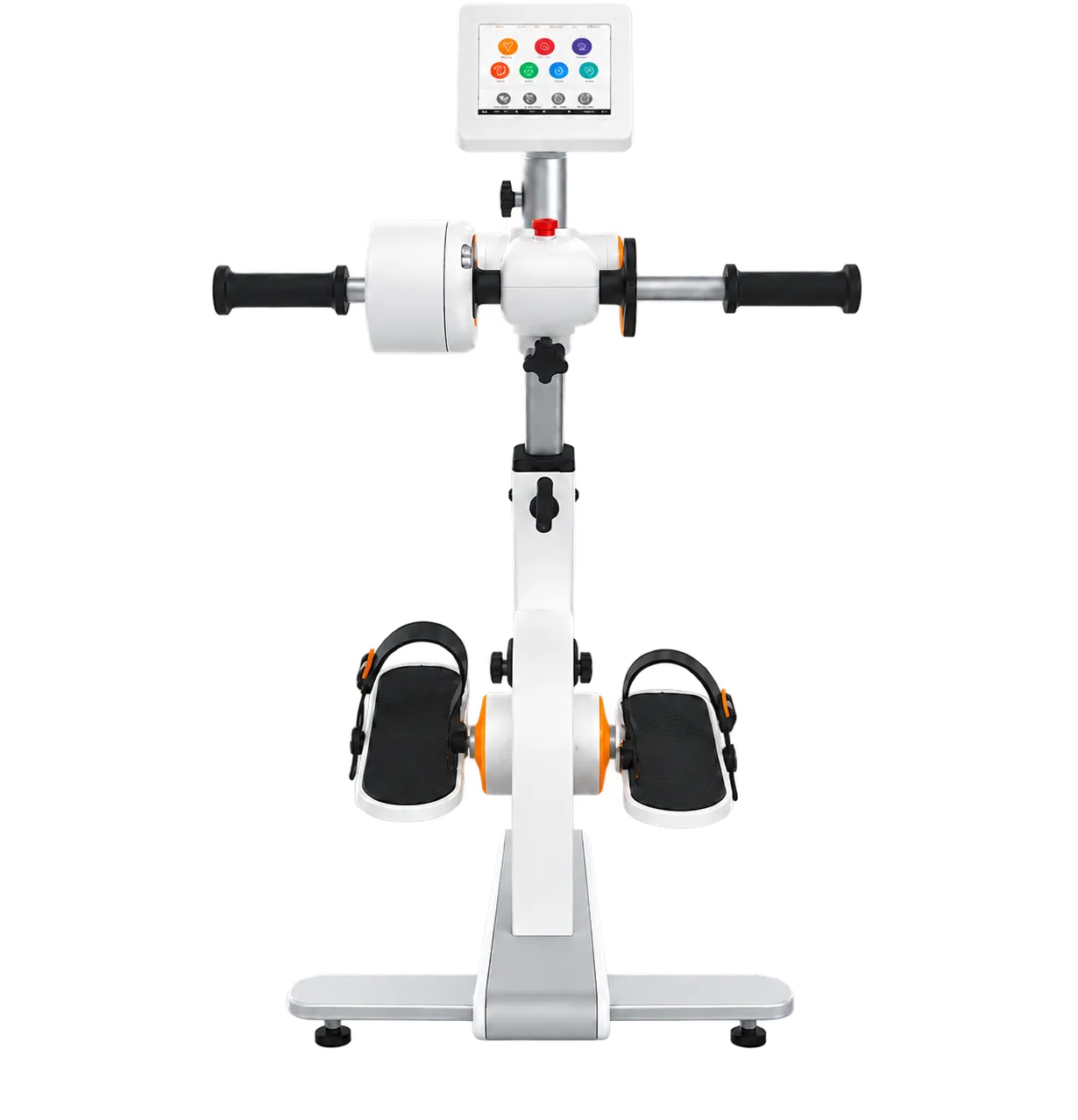
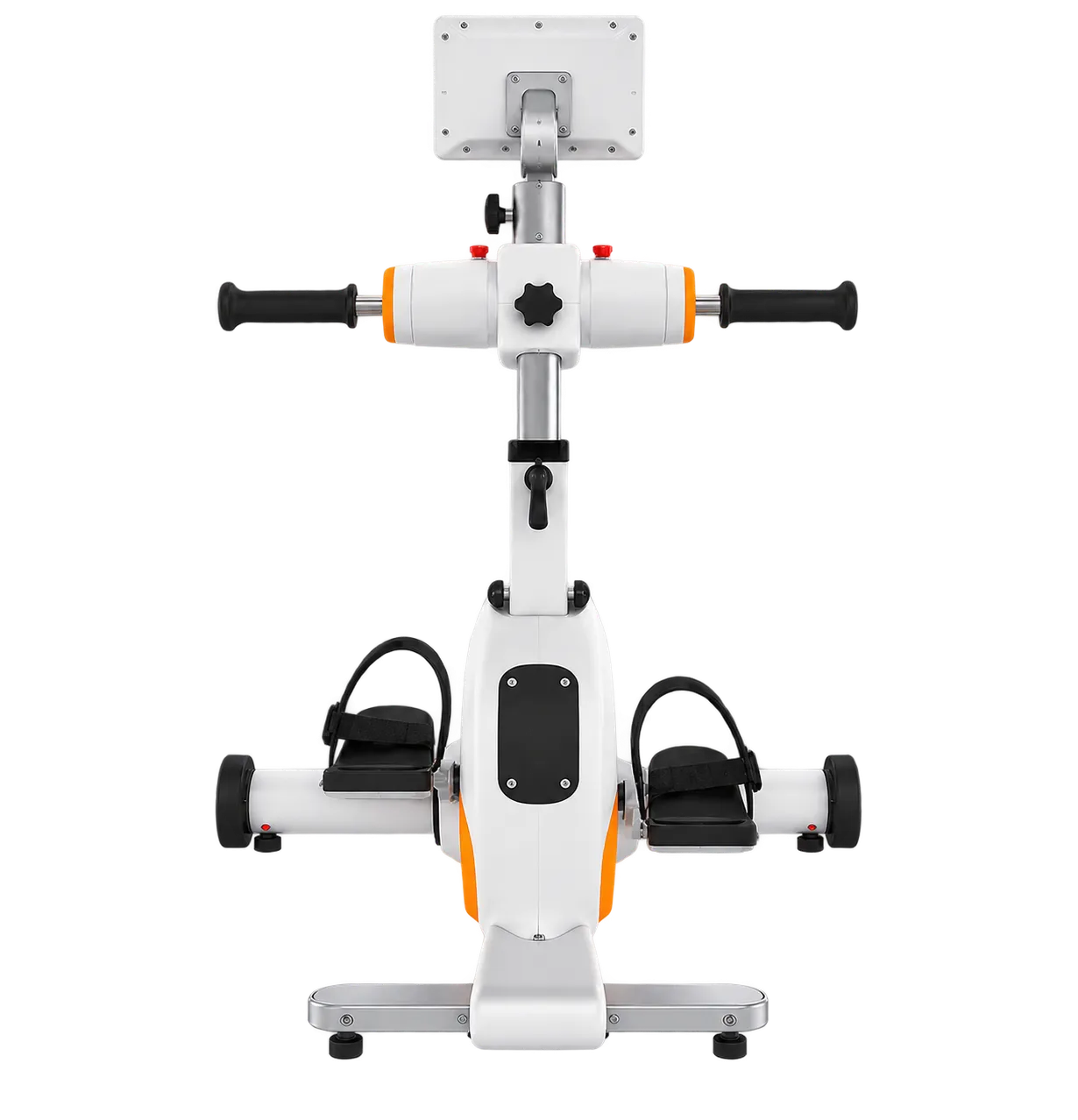
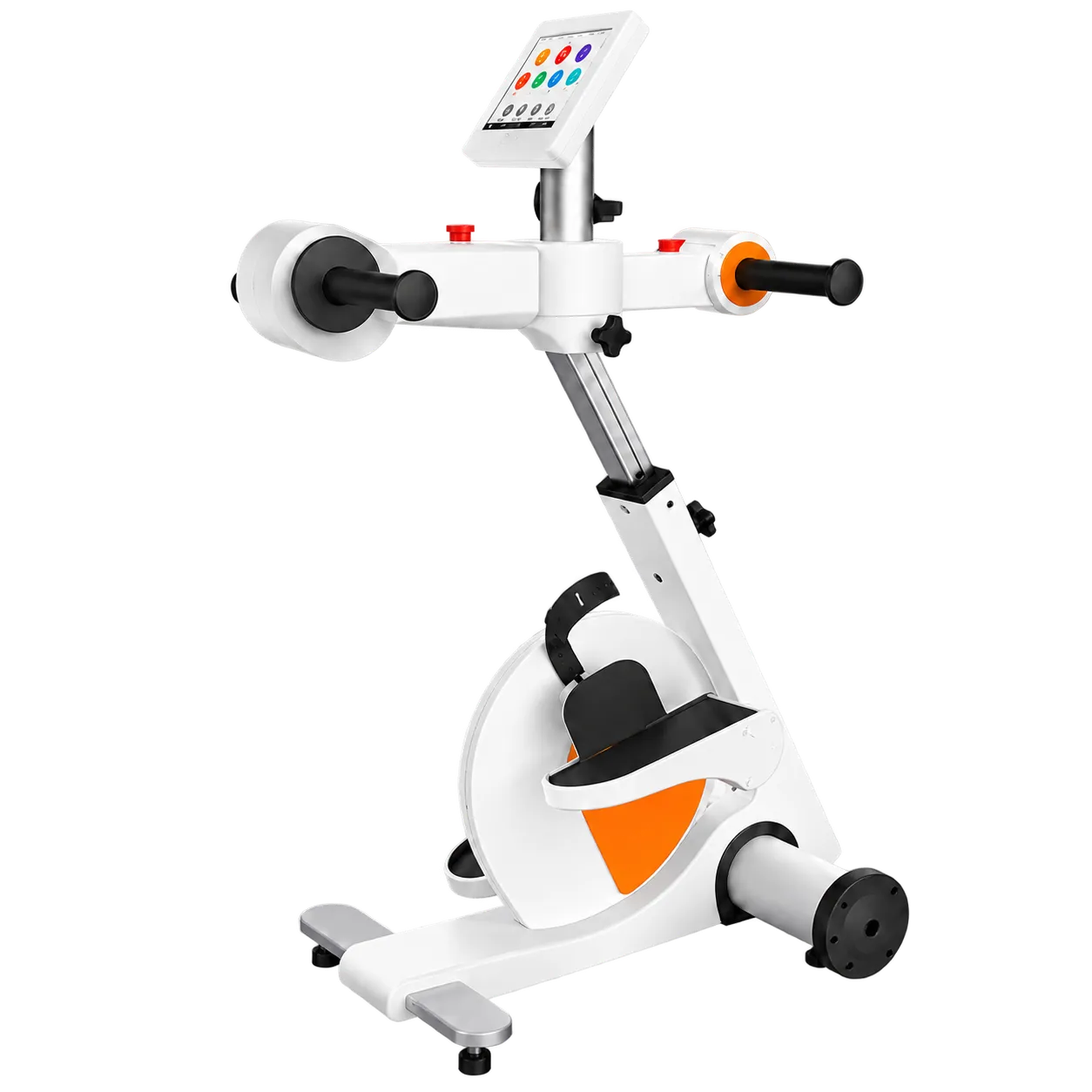
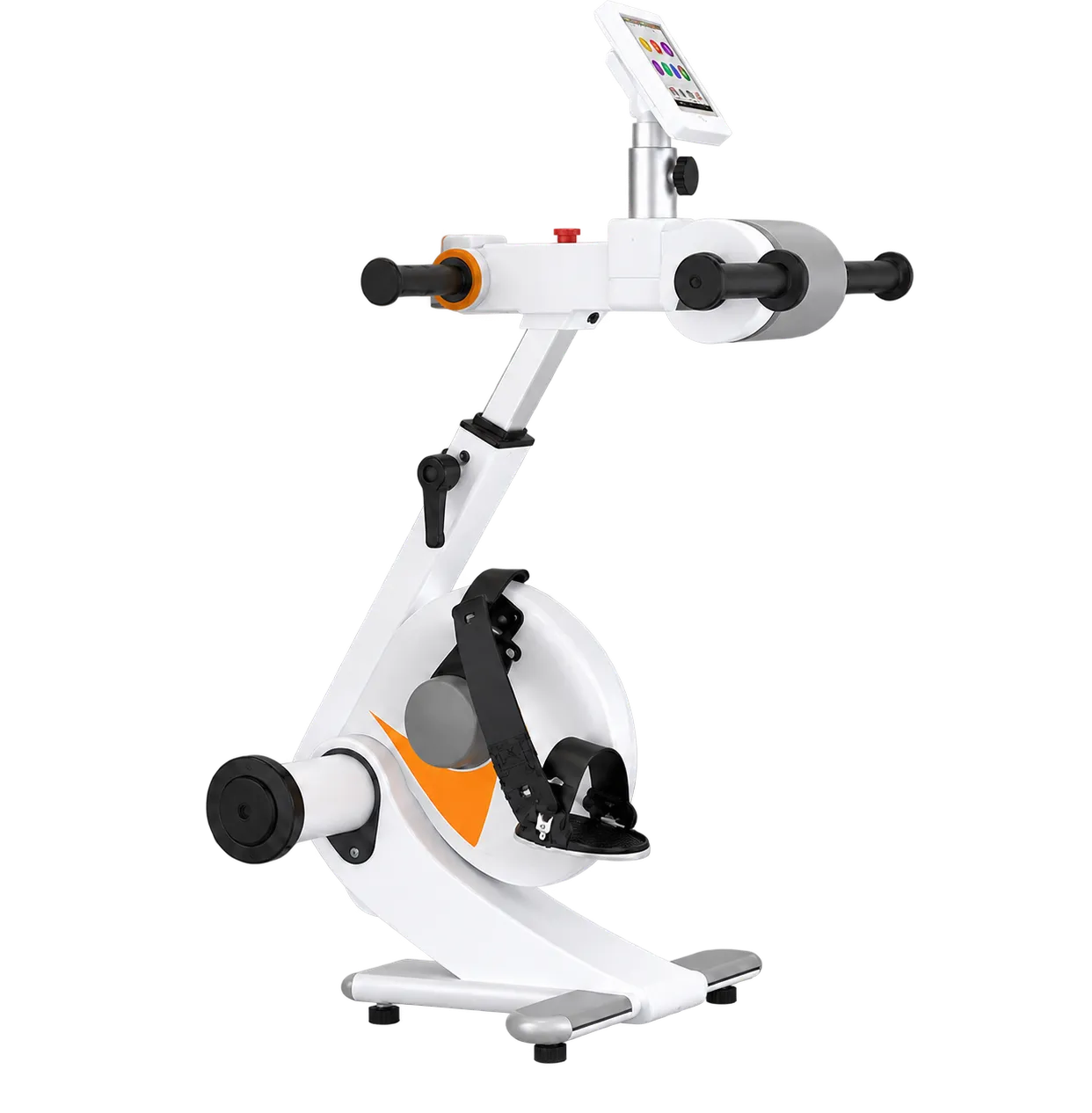
The SL4 covers a broad caseload because cycling is one of the few movement patterns that suit almost every stage of recovery. In UK stroke services, it supports early limb movement for patients who cannot yet manage gym-based exercise, then follows the same patient into resisted work as voluntary control returns. The published indications extend across brain trauma, spinal cord injury, Parkinson's, multiple sclerosis, sports injury, and orthopaedic conditions, which makes it one of the higher-utilisation items on a therapy inventory.
For multiple sclerosis and Parkinson's caseloads in community and outpatient neuro services, the value is sustainable aerobic and coordination work at a level the patient can tolerate on the day, with automatic mode switching absorbing the fatigue variability that characterises both conditions. NICE guidance on both conditions supports exercise as part of management, and equipment that adapts to fluctuating capacity suits that.
Spinal injury and severe hemiplegia caseloads benefit from the spasm protection and the passive mode, which allow movement work in limbs where tone would otherwise make cycling unsafe. Because patients use their own chair or wheelchair, wheelchair users can be positioned without a transfer — a practical advantage in services where transfer time and hoist availability limit how many sessions actually happen.
Physiotherapists registered with HCPC and working to Chartered Society of Physiotherapy standards would normally set protocols, resistance levels, and supervision requirements, with occupational therapists using the upper limb crank set within activity-focused programmes. Community and independent providers, including case-managed placements funded through litigation settlements, use the same device for long-term maintenance of range, circulation, and conditioning. CQC-registered providers should record it in their equipment inventory, maintenance schedule, and staff competency framework.