
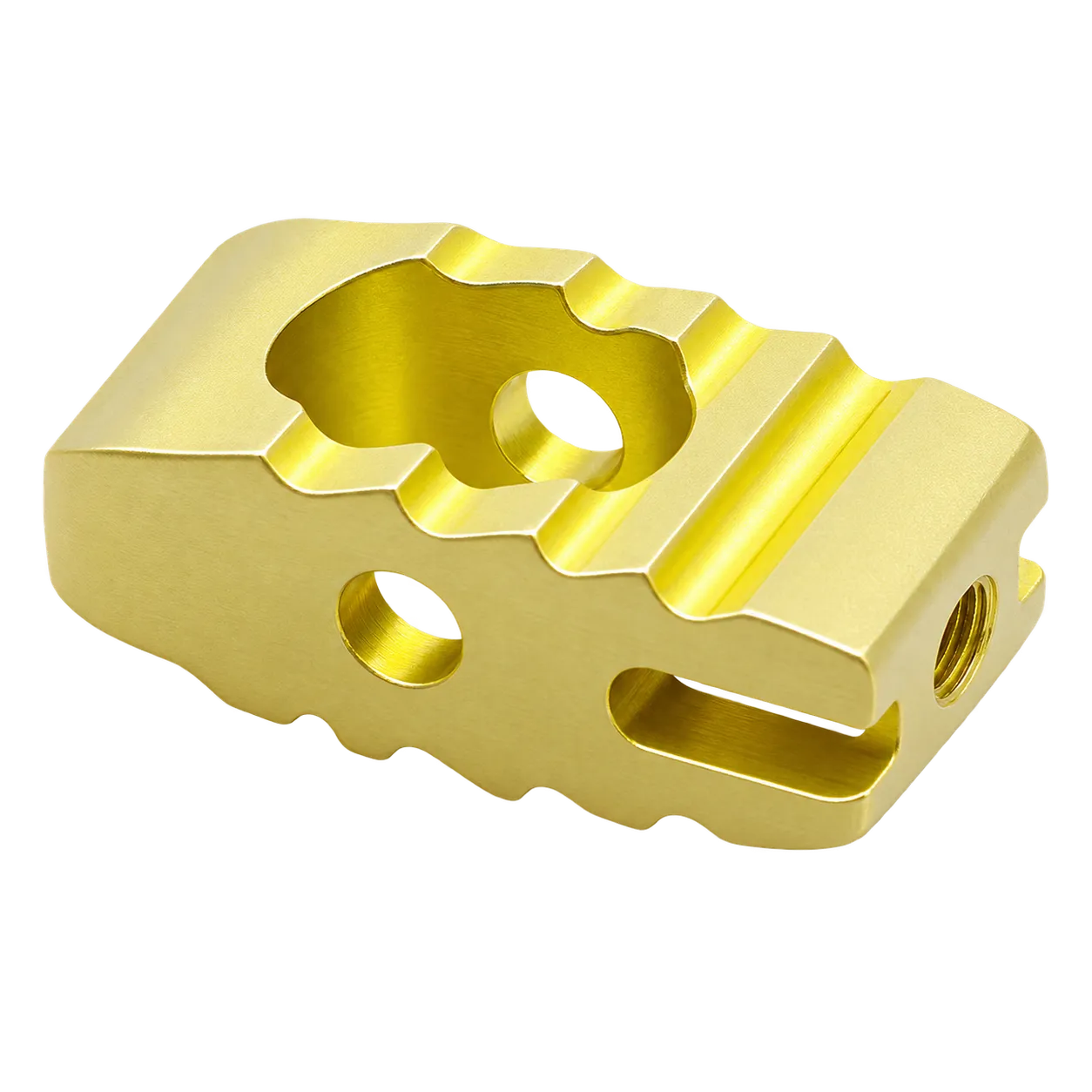
Degenerative lumbar spinal disc disease is a primary clinical setting for this cage, used during lumbar interbody fusion when a surgeon selects titanium over PEEK for its direct bone integration properties. Procurement governance matters here as much as clinical fit: NHS spine units evaluating titanium interbody implant options need this cage stocked reliably alongside matched screw and rod components, which is where Medigear.uk's role as a stocking supplier matters to tender decisions and theatre list planning.
Cases with concerns about PEEK non-union or subsidence form a second important clinical setting, where general clinical literature reporting up to a 10% non-union rate and 15% subsidence rate with PEEK cages may lead a surgeon to consider a titanium alternative for a specific patient's anatomy or bone quality. This describes general clinical literature rather than a claim confirmed specifically for this exact XC reference.
Revision surgery following a prior interbody fusion procedure represents a third clinical setting, where a surgeon may select a titanium cage as part of a revised construct, particularly where imaging suggests bone did not adequately integrate with a previous PEEK device at the affected level. Medigear.uk can supply this cage alongside XC's pedicle screw and rod range for these combined constructs.
Private and day-case surgical centres make up a fourth important clinical setting, and Medigear.uk supports single or small-quantity ordering of this cage alongside the larger bulk distributor accounts it also serves, so a specialist clinic is not required to commit to trust-scale volumes to access it.