
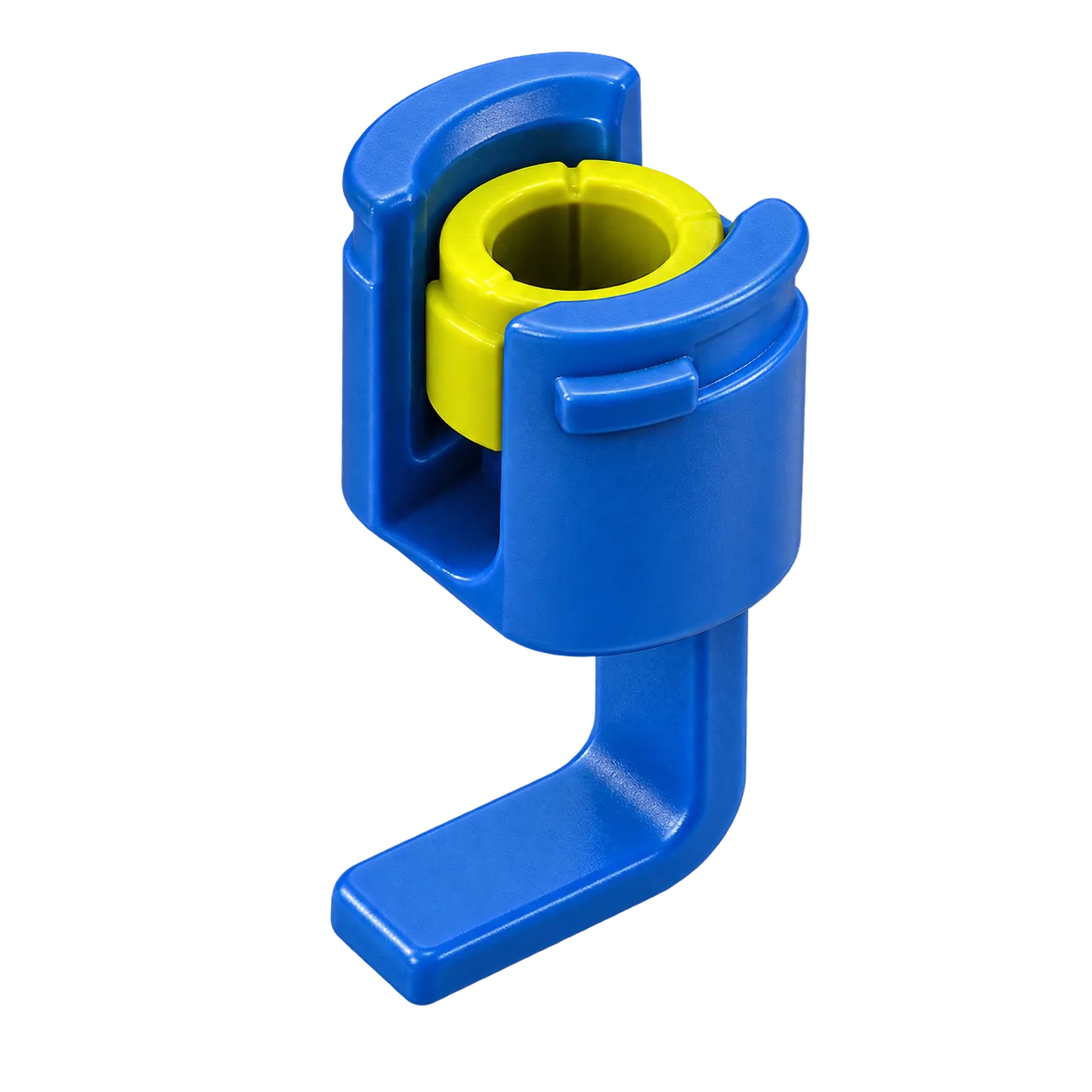
Occipitocervical and upper cervical instability provide a primary indication for the Laminar Hook, which is used when a surgeon selects a hook anchor rather than a screw at a given construct level. Procurement governance matters here as much as clinical fit: NHS spine units evaluating the wider Posterior Cervical Fixation System need the hook to be stocked reliably alongside the screw, rod, and occipital plate components, which is where Medigear comes in. The UK's role as a combined component supplier matters to tender decisions.
Subaxial cervical trauma and degeneration form a second setting, where a laminar hook may supplement pedicle or lateral mass screws at adjacent levels within a longer construct, a general pattern seen in posterior spinal fixation more broadly. Medigear.uk stocks the Laminar Hook alongside the rest of the system so a surgical team is not constrained by hook availability when planning a mixed anchor construct.
Revision and complex reconstruction surgery represents a third setting, where prior surgery, altered anatomy, or compromised bone quality may make screw placement less favourable at a given level, leading a surgeon to choose a hook anchor instead. Medigear.uk can supply the Laminar Hook alongside matched rod, screw, and occipital plate stock for these combined constructs.
Private and day-case surgical centres make up a fourth setting, as more complex posterior cervical and occipitocervical cases increasingly move into specialist units alongside standard NHS trust provision. These buyers typically order in smaller batches than a trust-wide contract, and Medigear.uk supports single or small-quantity ordering of the Laminar Hook alongside the bulk distributor accounts it also serves, so a specialist clinic is not required to commit to trust-scale volumes to access the matched component.