
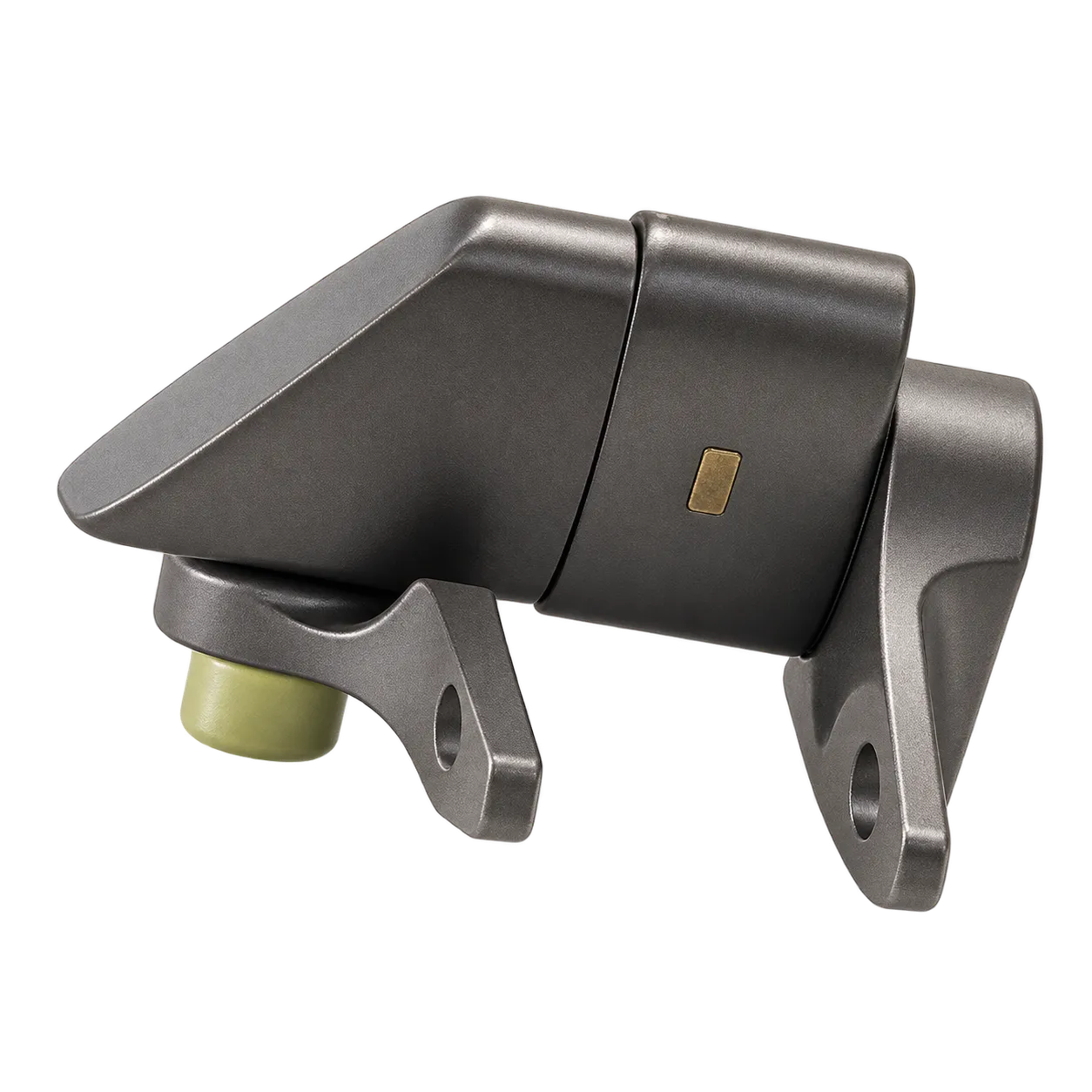
Lumbar spinal stenosis with neurogenic claudication is the primary clinical setting for this device, used in patients who have not responded adequately to conservative treatment but may not be suitable candidates for, or may wish to avoid, more invasive decompression or fusion surgery at the affected level. Procurement governance matters here as much as clinical fit: NHS spine units evaluating minimally invasive stenosis treatment options need this device stocked reliably across the confirmed size range, which is where Medigearuk's role as a stocking supplier matters to tender decisions and theatre list planning.
Patients with significant medical comorbidities form a second important clinical setting, where general clinical literature notes that the minimally invasive nature of interspinous spacer implantation, in some cases performed under local anaesthesia, may suit patients less able to tolerate open surgery or general anaesthesia and its associated risks.
Ambulatory and day-case surgical settings represent a third important clinical setting, where general literature describes interspinous spacer implantation as suited to same-day procedures in appropriate patients, distinct from the longer recovery typically associated with open decompression or fusion surgery.
Patients seeking a treatment option between conservative care and open surgery make up a fourth important clinical setting, where general clinical literature positions interspinous spacers as addressing a gap in the continuum of care for moderate lumbar spinal stenosis. Medigear.uk supports single or small-quantity ordering of this device alongside the bulk distributor accounts it also serves, so a specialist clinic is not required to commit to trust-scale volumes to access it.