
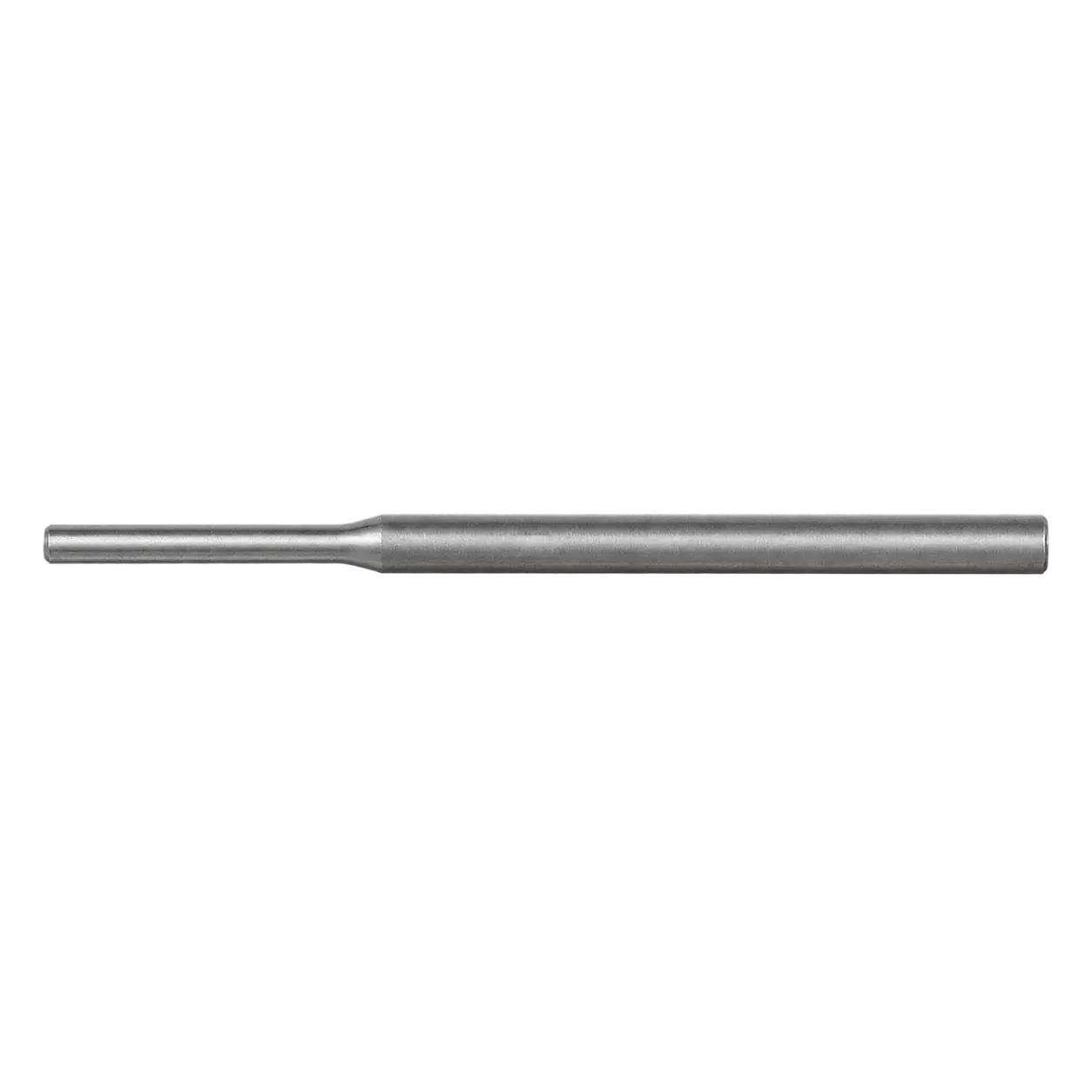
Long-segment occipitocervical-to-thoracolumbar constructs are a primary clinical setting for this rod, used wherever a surgeon needs to extend fixation across a diameter transition zone without adding a separate connector joint to the construct. Procurement governance matters here as much as clinical fit: NHS spine units evaluating long-segment constructs need this rod stocked reliably alongside the matched screw and connector components, which is where Medigear.UK's role as a stocking supplier matters to tender decisions and theatre list planning. Medigear. u uk's role as a stocking supplier matters to tender decisions and theatre list planning.
Deformity and multi-level degenerative spinal disease form a second clinical setting, where a construct spanning a wide vertical range may benefit from a smooth diameter transition rather than a discrete connector joint where the rod diameter changes, potentially reducing the number of mechanical interfaces in a long construct. Medigear.uk stocks this rod alongside the Domino Bolt so surgeons have a choice of transition approach for a given construct.
Trauma and revision surgery represent a third clinical setting, where extending an existing construct across a diameter change may call for either this gradient rod or the Domino Bolt connector depending on the specific case at hand, prior surgical history, and surgeon preference. Medigear.uk can supply either component alongside matched implant stock for these constructs.
Private and day-case surgical centres make up a fourth clinical setting too, and Medigear.uk supports single or small-quantity ordering of this rod alongside the larger bulk distributor accounts it also serves, so a specialist clinic is not required to commit to trust-scale volumes to access it.