
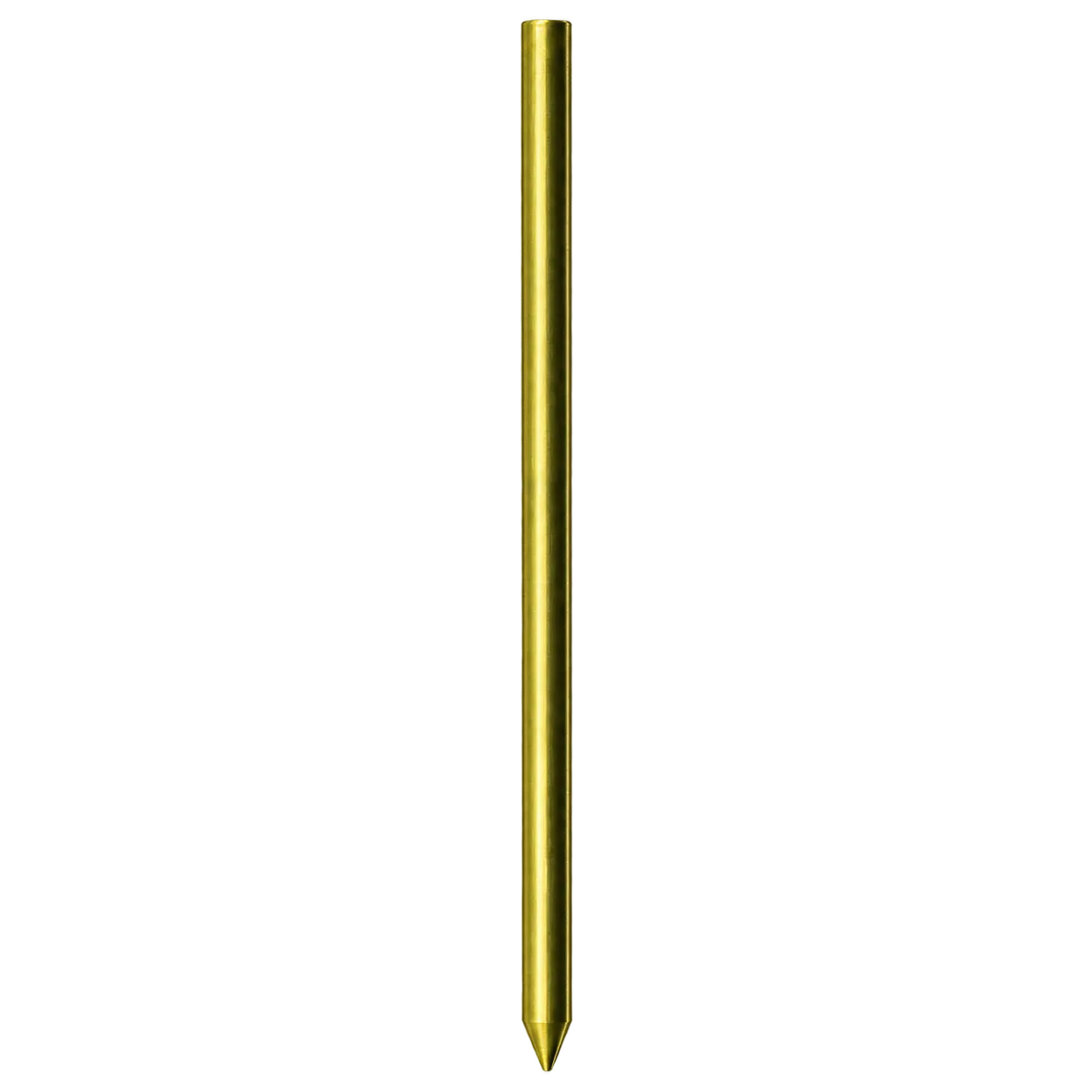
Thoracolumbar and lumbar degenerative disease form a primary setting for the Connecting Rod, used across posterior pedicle screw constructs for conditions such as spondylolisthesis, stenosis, and degenerative disc disease. Procurement governance matters here as much as clinical fit: NHS spine units evaluating the wider Spinal Pedicle Screw System need the rod stocked reliably across its full length range alongside the matched screw and instrument set components, which is where Medigearuk's role as a combined component supplier matters to tender decisions.
Thoracolumbar trauma and deformity correction form a second setting, where longer constructs spanning multiple vertebral levels rely on the rod's 35mm to 150mm length range to match construct span without excessive intraoperative cutting. Medigear.uk stocks the full range, so surgical teams are not constrained to a narrow subset of lengths when planning multi-level cases.
Cervicothoracic junction surgery represents a third, more specialised setting, where a construct may need to combine a cervical segment built on XC's 3.5mm rod with a thoracolumbar segment built on this 5.5mm rod, connected using the Domino Bolt confirmed elsewhere in XC's range. This combined-construct approach is a recognised technique in posterior spinal fixation generally, though the exact XC components required for it should be confirmed with Medigear.uk before specifying.
Private and day-case surgical centres make up a fourth setting, as thoracolumbar and lumbar fixation cases increasingly move into specialist units alongside standard NHS trust provision. These buyers typically order in smaller batches than a trust-wide contract, and Medigear.uk supports single or small-quantity ordering of the Connecting Rod alongside the bulk distributor accounts it also serves, so a specialist clinic is not required to commit to trust-scale volumes to access the matched component.