
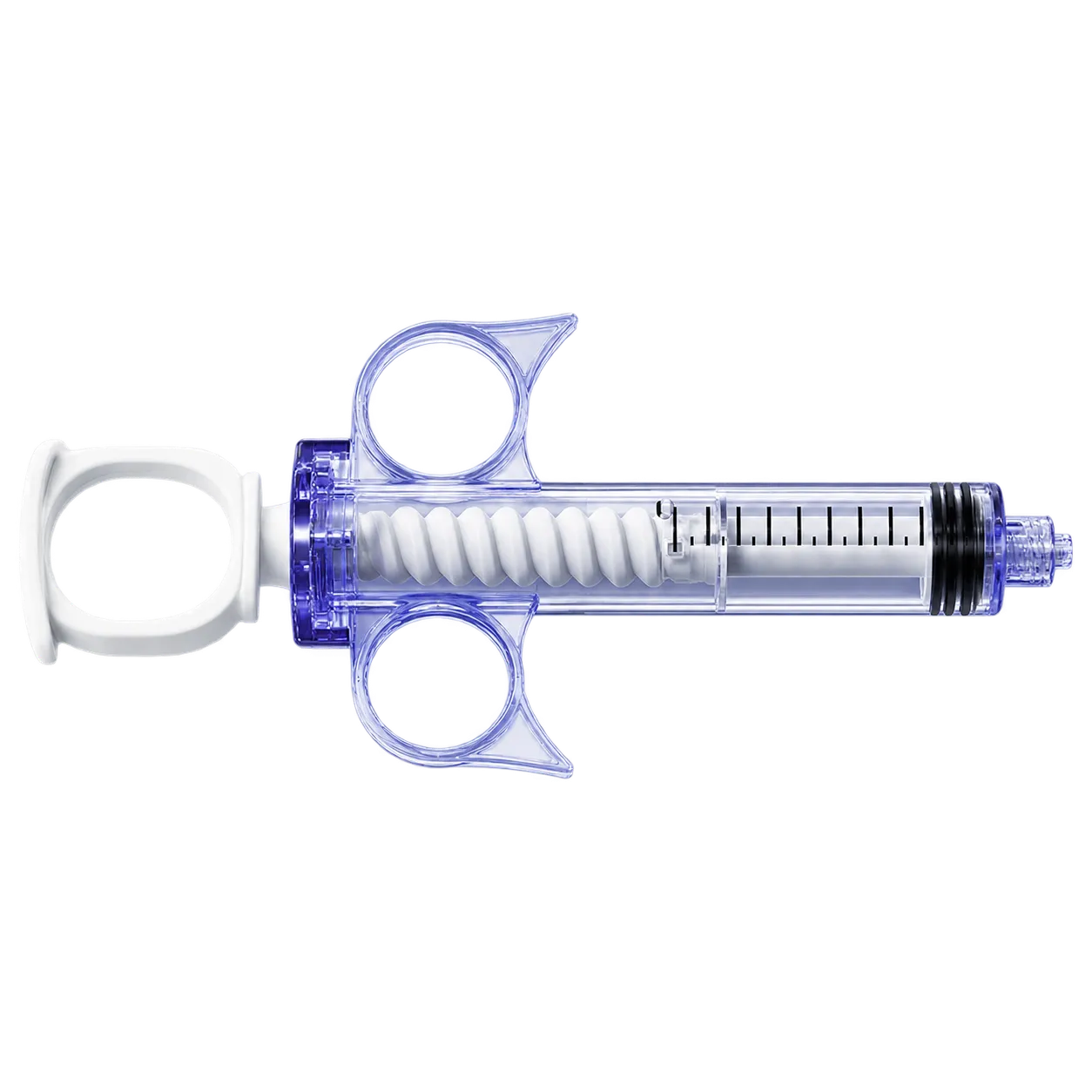
Osteoporotic vertebral compression fracture is a primary and very common clinical setting for this injector, used to deliver bone cement into the vertebral body during vertebroplasty or kyphoplasty, generally after conservative treatment has failed to control pain over an appropriate trial period. Procurement governance matters as much as clinical fit: NHS spine units evaluating cement delivery devices for their theatre lists need the product's complete specification and confirmation of its relationship to XC's kyphoplasty sets, which is why resolving these open questions with Medigear.uk matters before tender submission.
Metastatic spinal disease and myeloma-related vertebral fractures form a second important clinical setting overall, where general clinical literature documents bone cement delivery as a core step in stabilising cancer-related vertebral compression fractures causing significant pain and disability in an often frail patient population.
Cases requiring careful control over injection pressure represent a third important clinical setting overall, where a manual syringe-style injector, as generally described in clinical literature, gives the clinician direct control over cement delivery and is relevant to reducing the risk of leakage during the procedure itself.
Traumatic vertebral compression fracture makes up a fourth important clinical setting overall, where cement delivery follows a balloon-assisted or direct injection technique to stabilise the fracture following high-impact injury to the spine at any affected level. Medigear.uk supports single or small-quantity ordering of this product alongside the larger bulk distributor accounts it also serves, so a specialist clinic is not required to commit to trust-scale volumes to access it for a single planned procedure.