
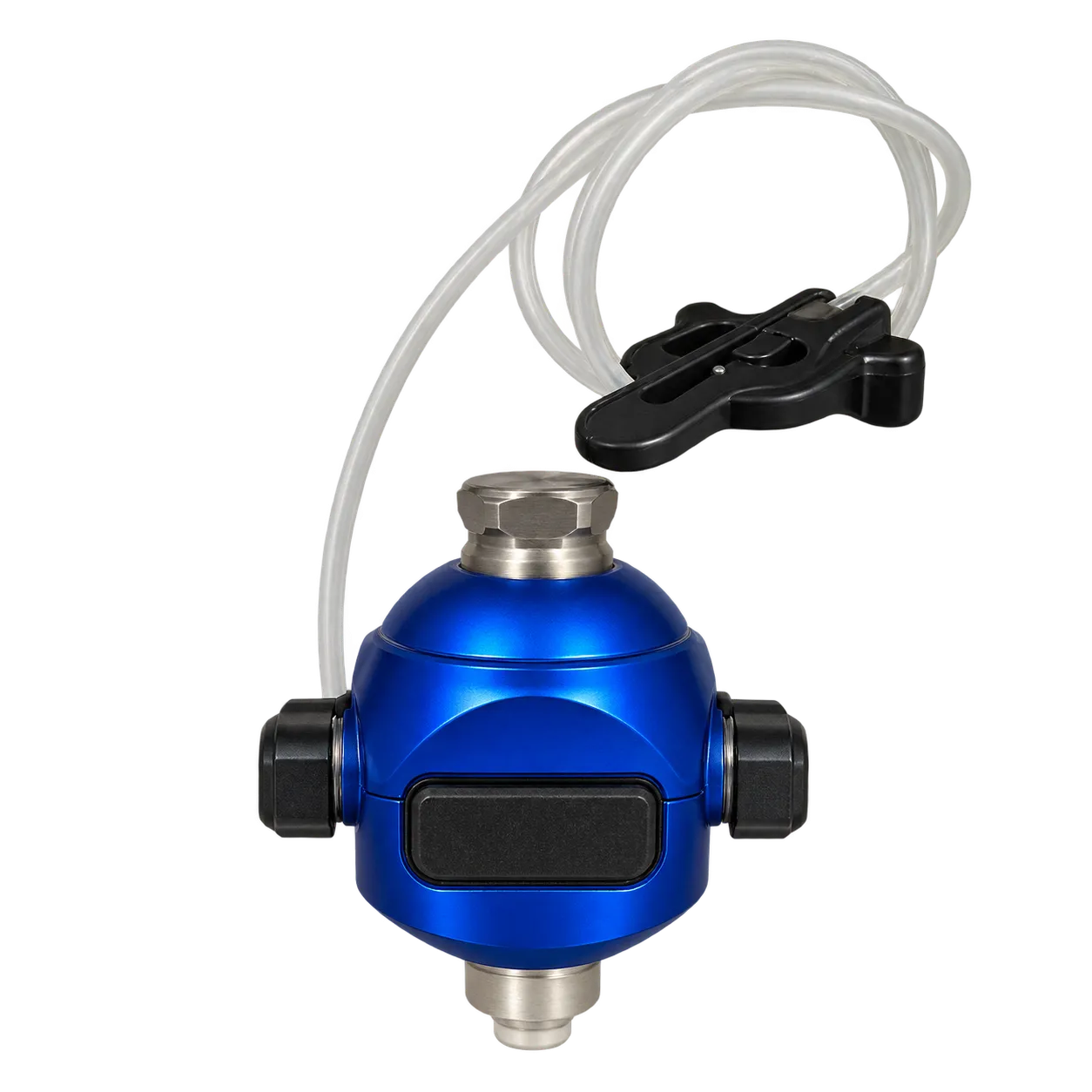
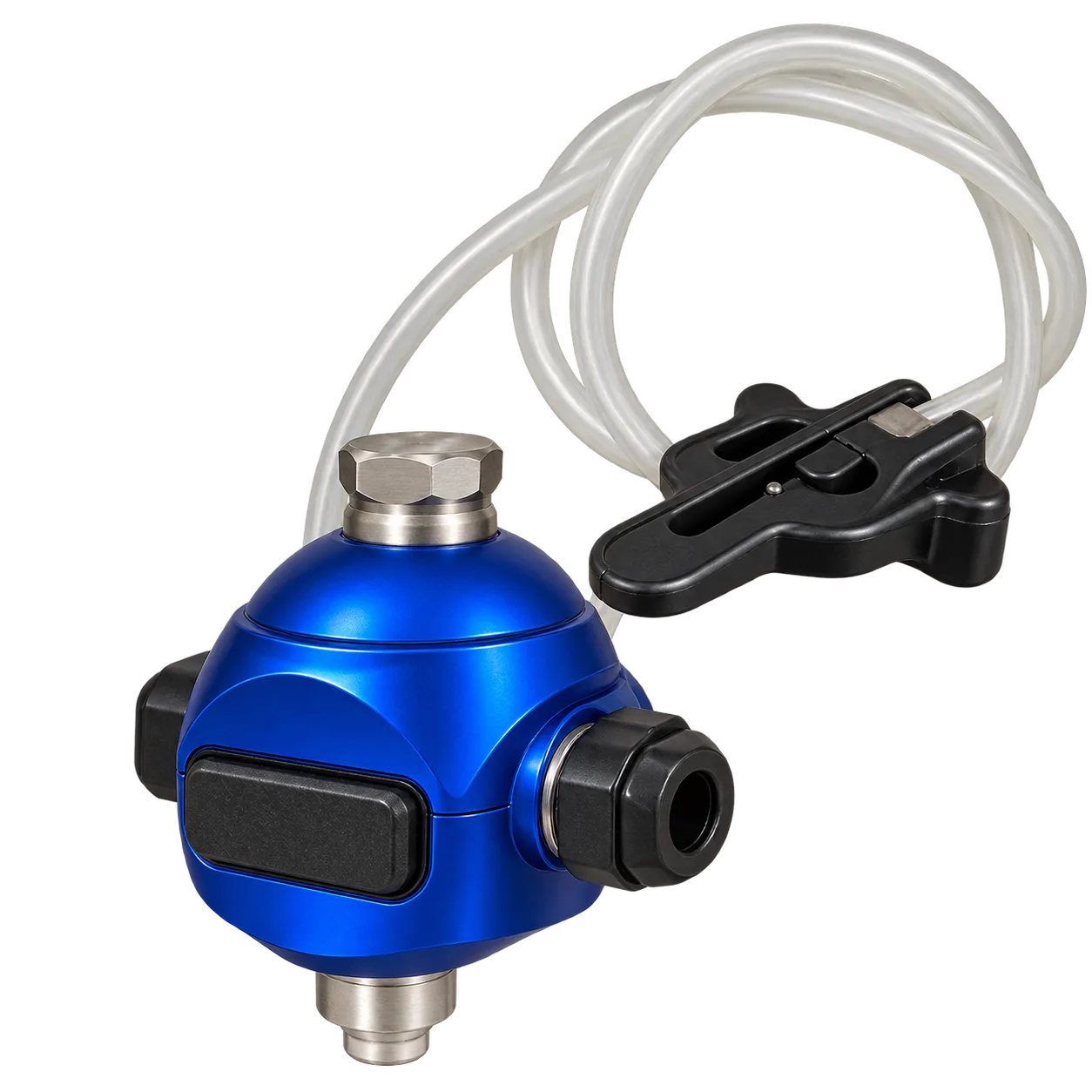
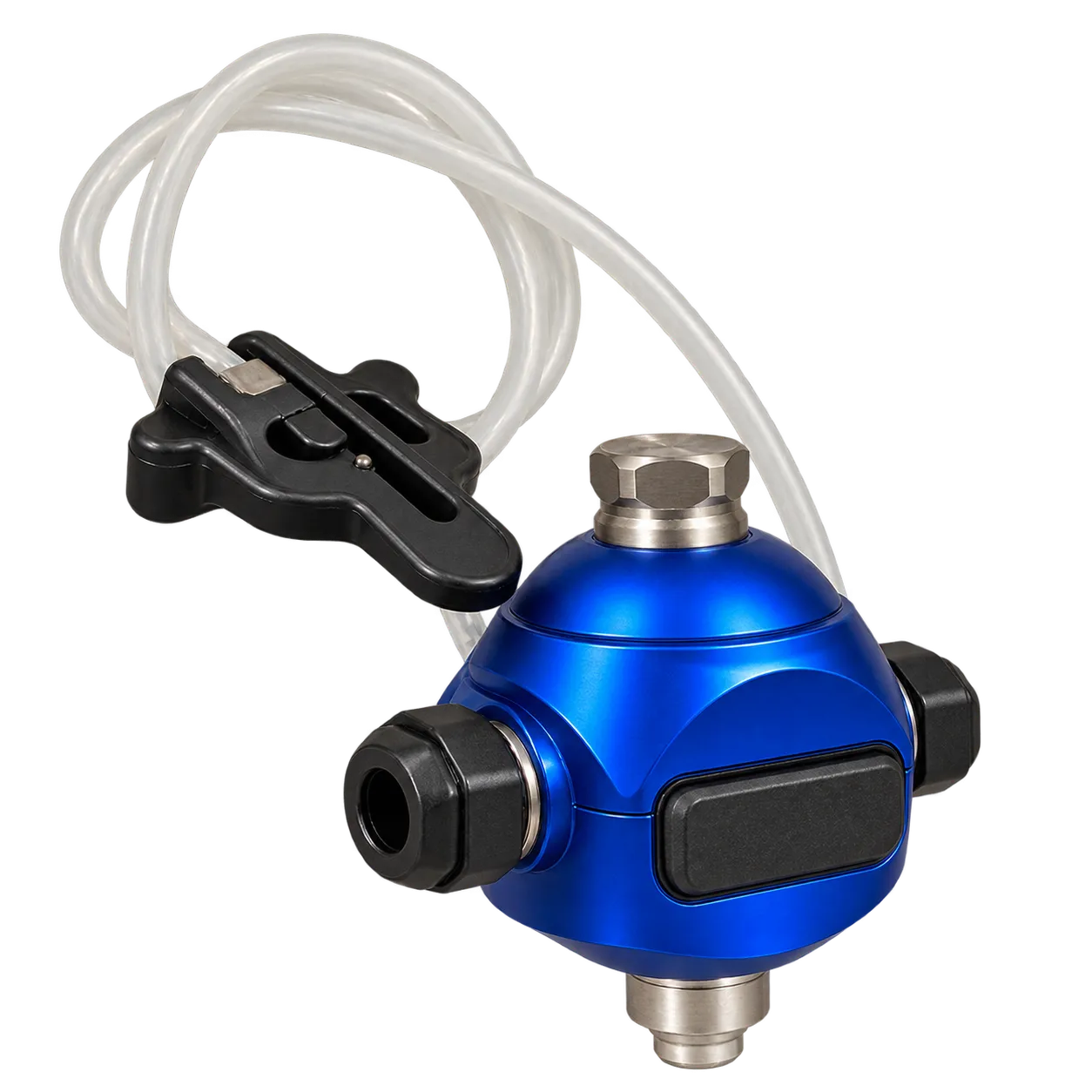
The WPK-002B belongs on transfemoral and knee-disarticulation limbs for wearers who want to keep a leg on where water is part of the day. The first of those places is the bathroom. Standing to wash, stepping into a shower tray and drying off without first sitting down to remove the limb all depend on a knee that can get wet. The second is the shore or the poolside: walking barefoot across sand with relatives, standing in the shallows while children splash, and not having to watch from a chair.
Evidence explains why the bathroom deserves care. A CDC analysis of 2008 emergency department data from the United States counted 234,094 nonfatal bathroom injuries in people aged 15 and over. Falls caused 81.1%, and the rate rose roughly ninefold between the youngest and oldest age groups. Among people with lower-limb loss, Wong and colleagues followed 41 adults for up to 41 months and found that 56.1% fell at least once and 26.8% had a fall needing medical care. Neither study tested a knee, and neither supports a product conclusion.
Prescribers have long debated where water limbs fit. In a 2002 survey of about 90 prosthetists, rehabilitation physicians, occupational therapists and physiotherapists, Hanspal and Nieveen found that 61% rated leisure swimming more than once a week an absolute indication and 47% said the same of frequent beach use. Showering divided opinion: 32% of prosthetists called it an absolute indication, against 8% of occupational therapists.
Limb-fitting centres, rehabilitation services, private prosthetic practices and export programmes are the natural buyers. NHS trusts in England use the mandated prosthetics framework, and public buyers elsewhere follow their own tender rules. The conformity documentation those procurement routes require is issued by the manufacturer and shared by the enquiry team.