
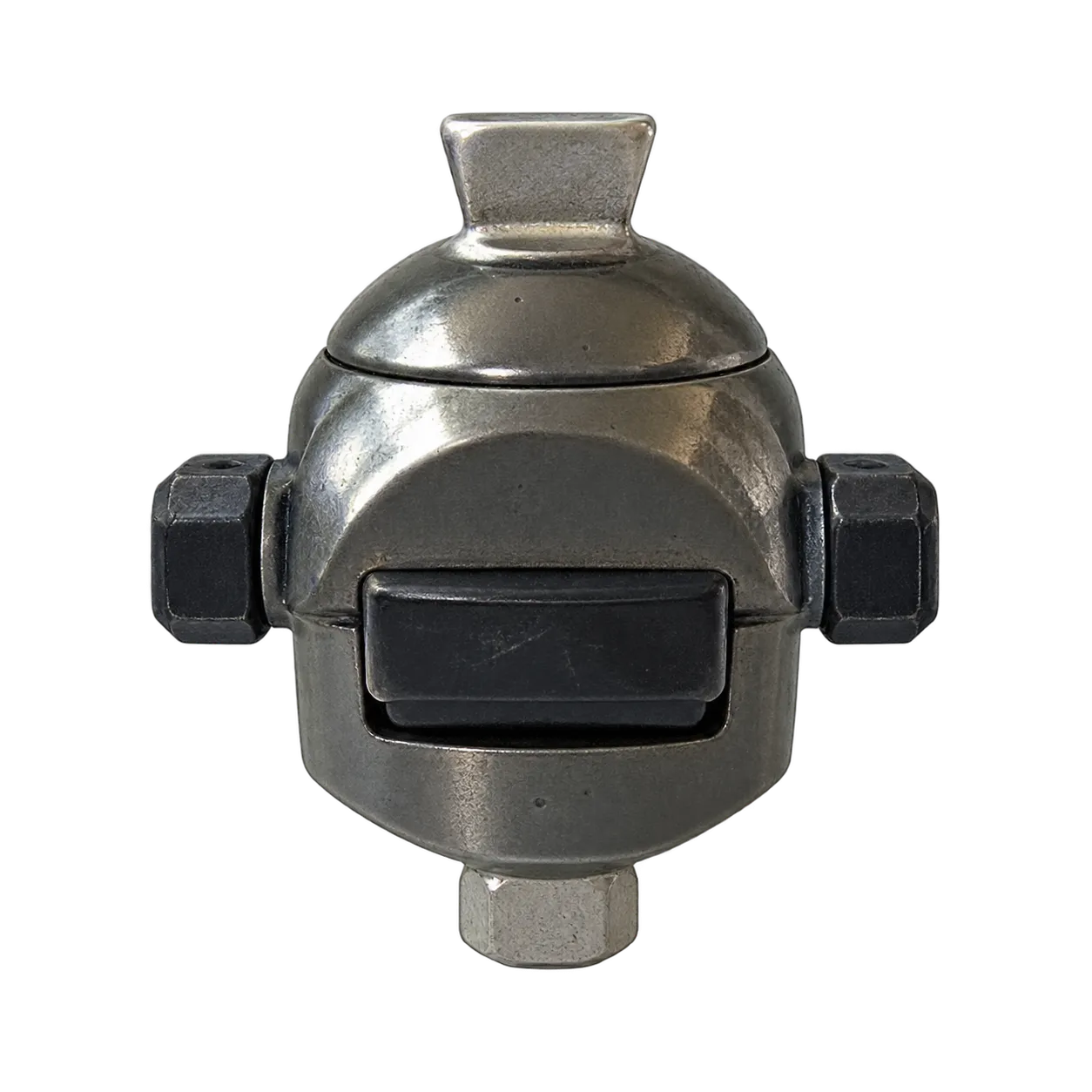
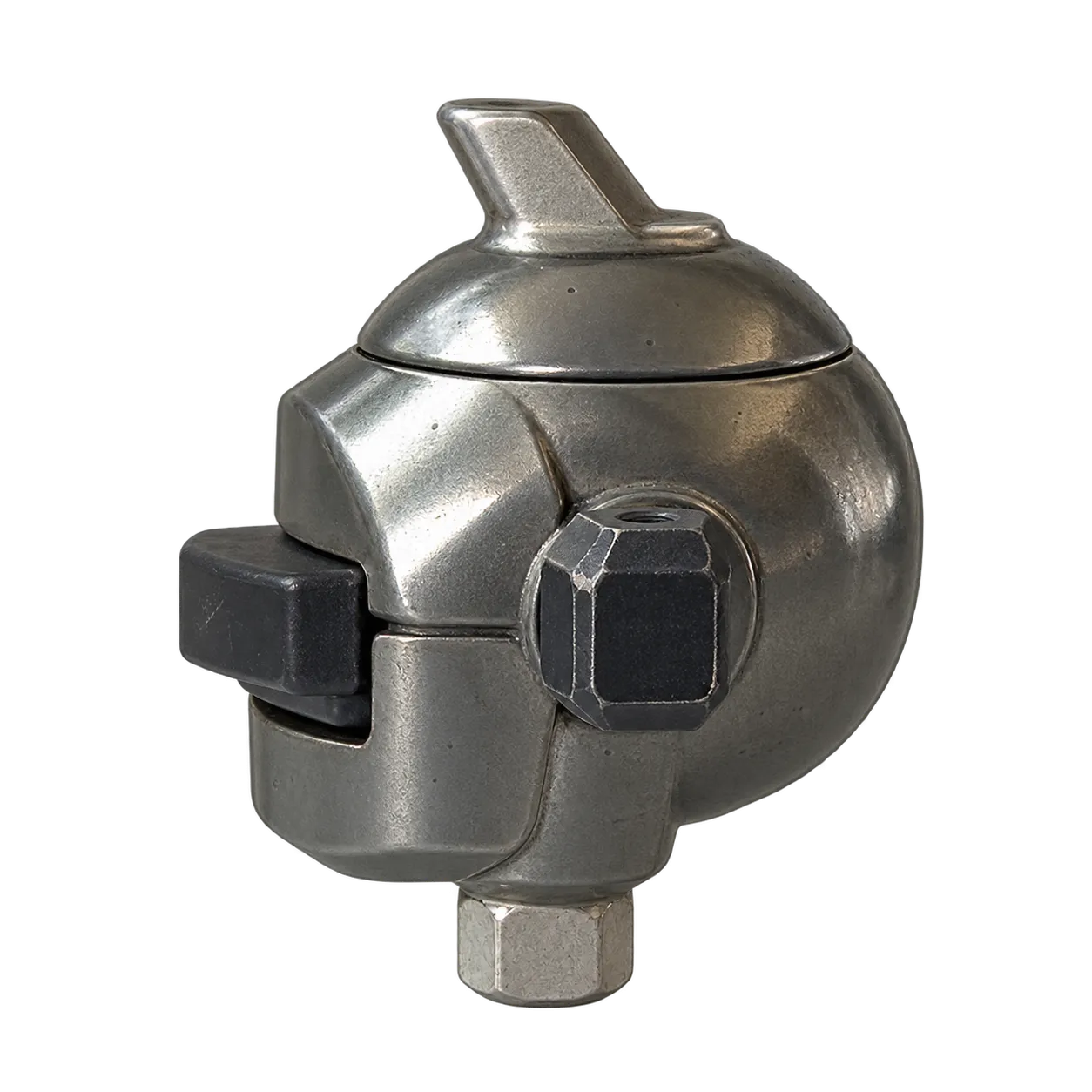
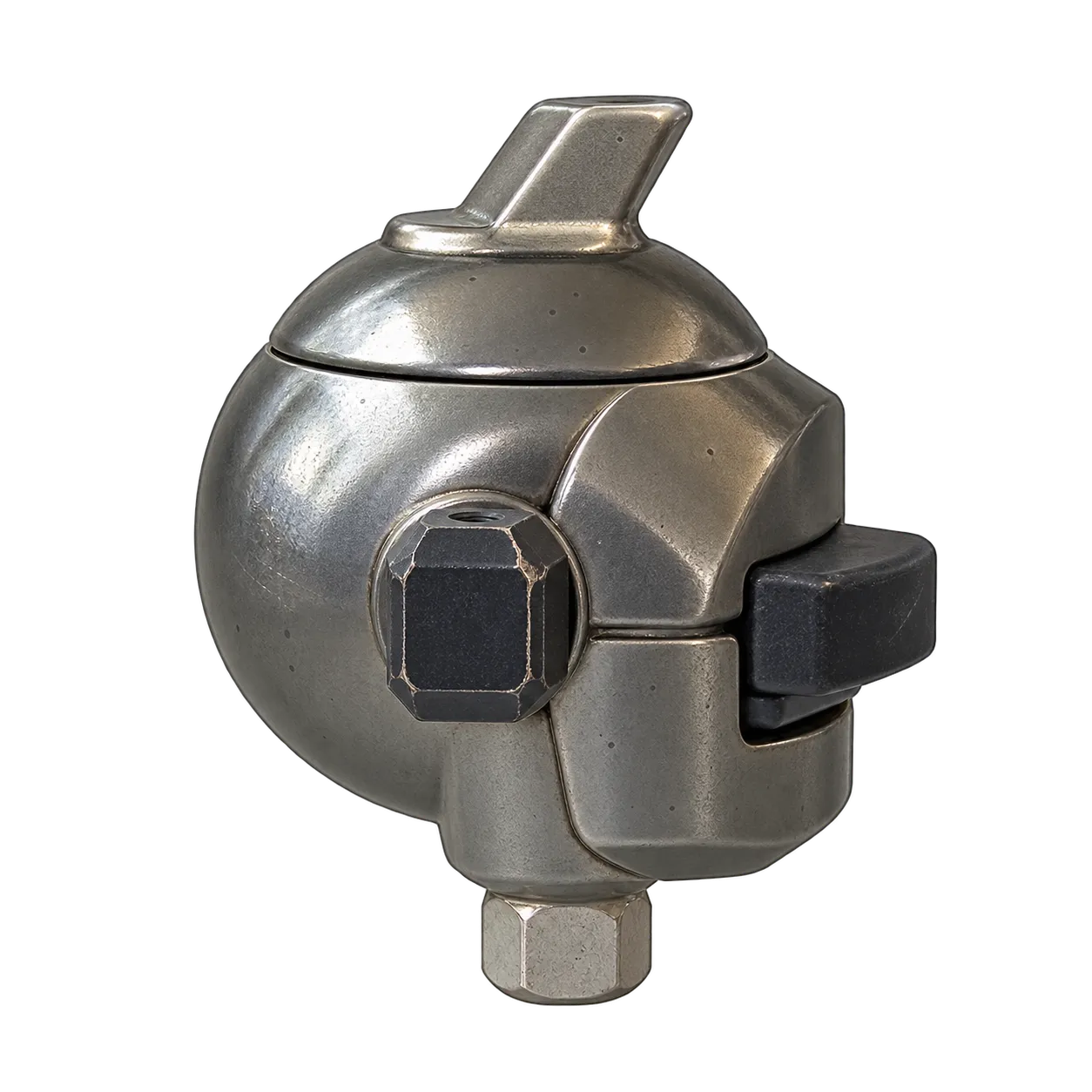
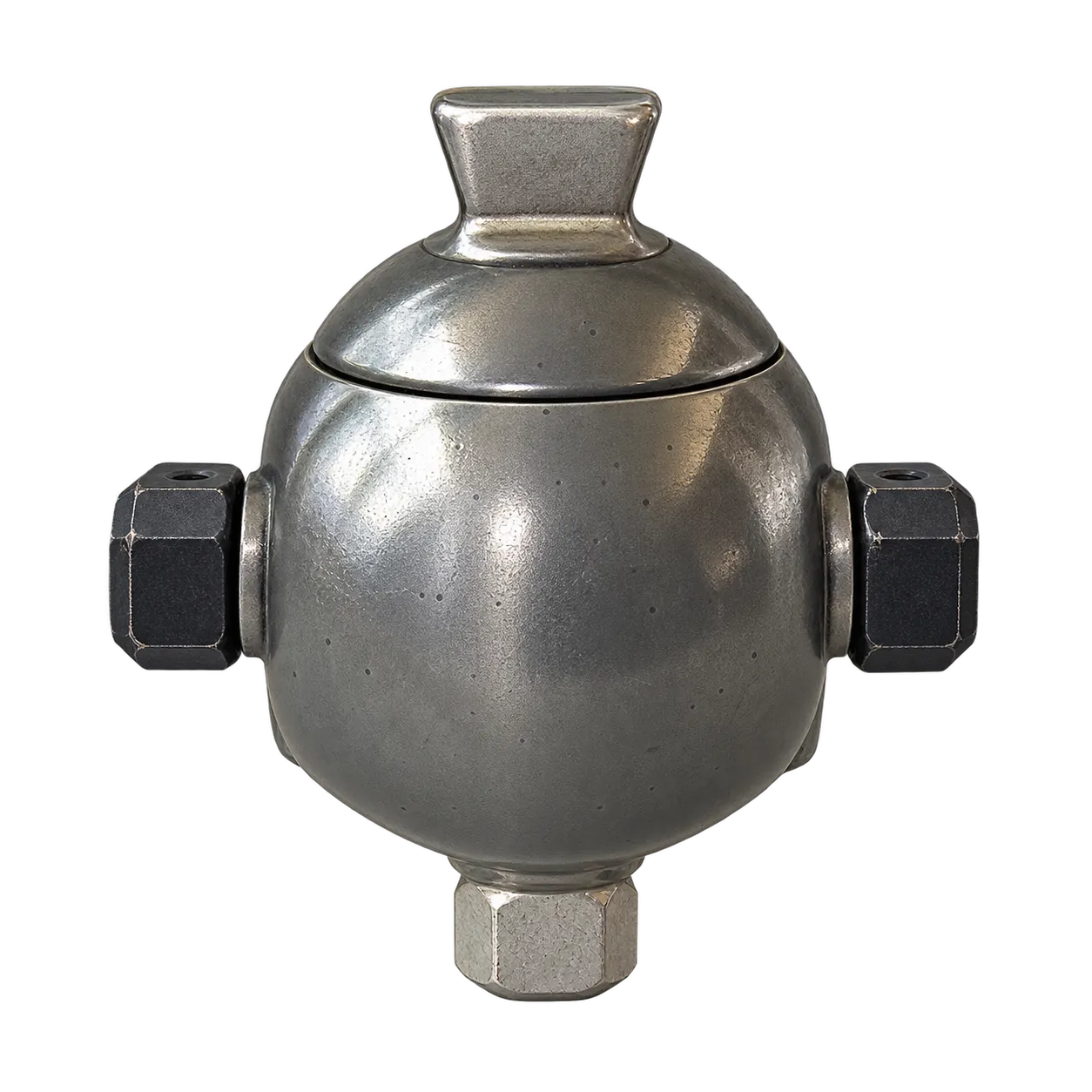
The WPK-002 earns its place where a person with a transfemoral amputation wants to get into water on a limb that can go there. Three groups fit closely. Regular swimmers want support from the changing room to the pool edge and down the steps. People who shower or bathe standing want a limb that tolerates a wet floor and a running tap. Families on holiday want to walk the sand and paddle in the shallows without leaving the everyday limb in the sun.
Demand is real. LimbPower's 2016 survey put swimming at the top of the activity list, at 35% of 249 respondents, and found 27% of those swimmers wearing a prosthesis in the water at least some of the time. Uptake is not guaranteed, though. Hanspal and Nieveen's 2002 review of 14 users' notes found most water limbs prescribed for vague reasons with weak follow-up, and the authors raised the possibility that many went unused. A named activity, a planned socket and a review date reduce that risk.
The knee has firm limits. It is a second limb, and a prescription for all-day walking needs support in the instructions for use. Users who rely on stance control fall outside it, and the finished limb is planned at 100 kg until the test report settles the rating. Its pyramid suits a socket fitted with a receiver and built for wet use, and the foot below must suit water as well.
Limb-fitting centres, rehabilitation hospitals and private prosthetic clinics are the natural settings, alongside sports and leisure programmes for amputees. NHS trusts in England buy through the mandated prosthetics framework, and public purchasers in other countries run their own tenders. The conformity documentation those procurement routes require is issued by the manufacturer and shared by the enquiry team.