
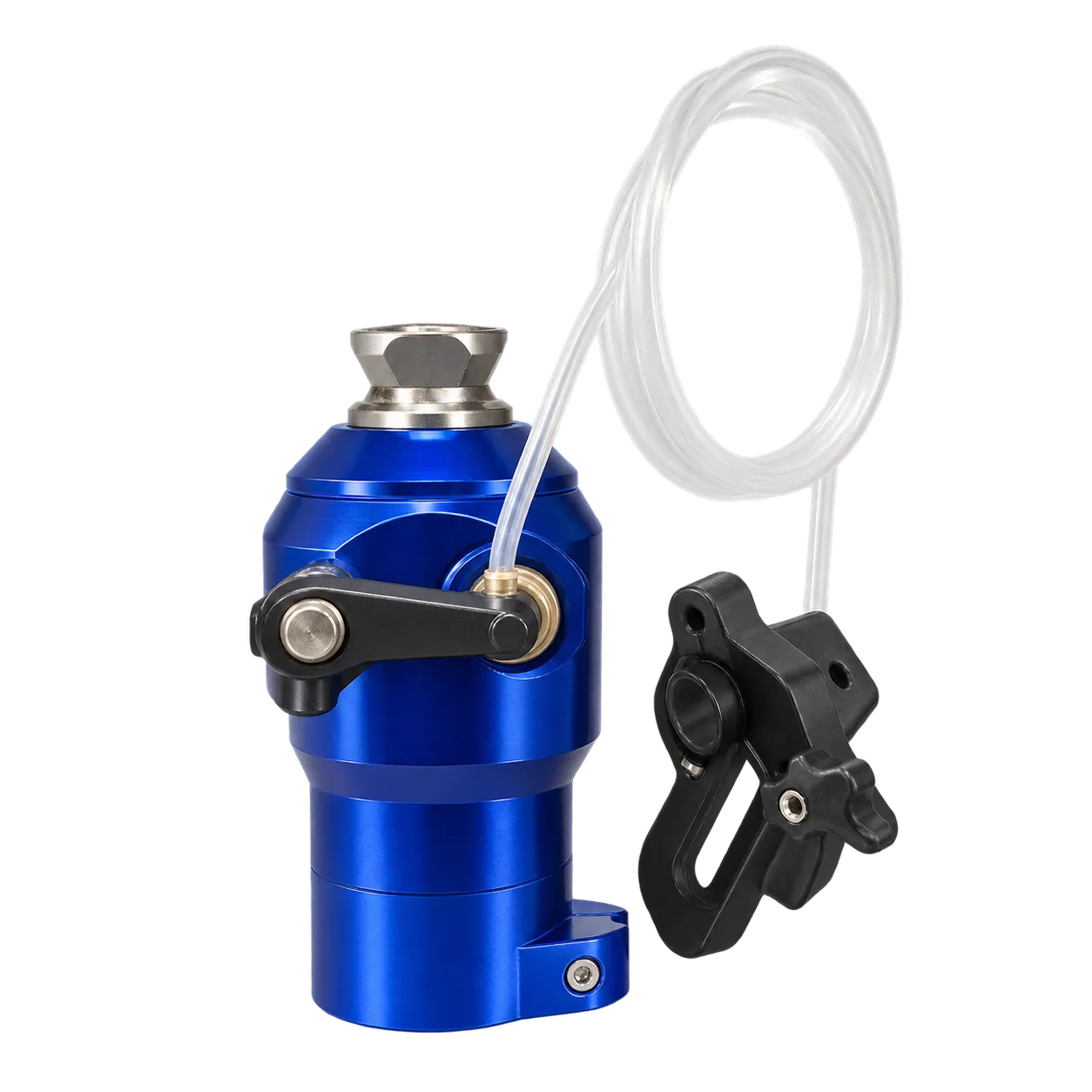
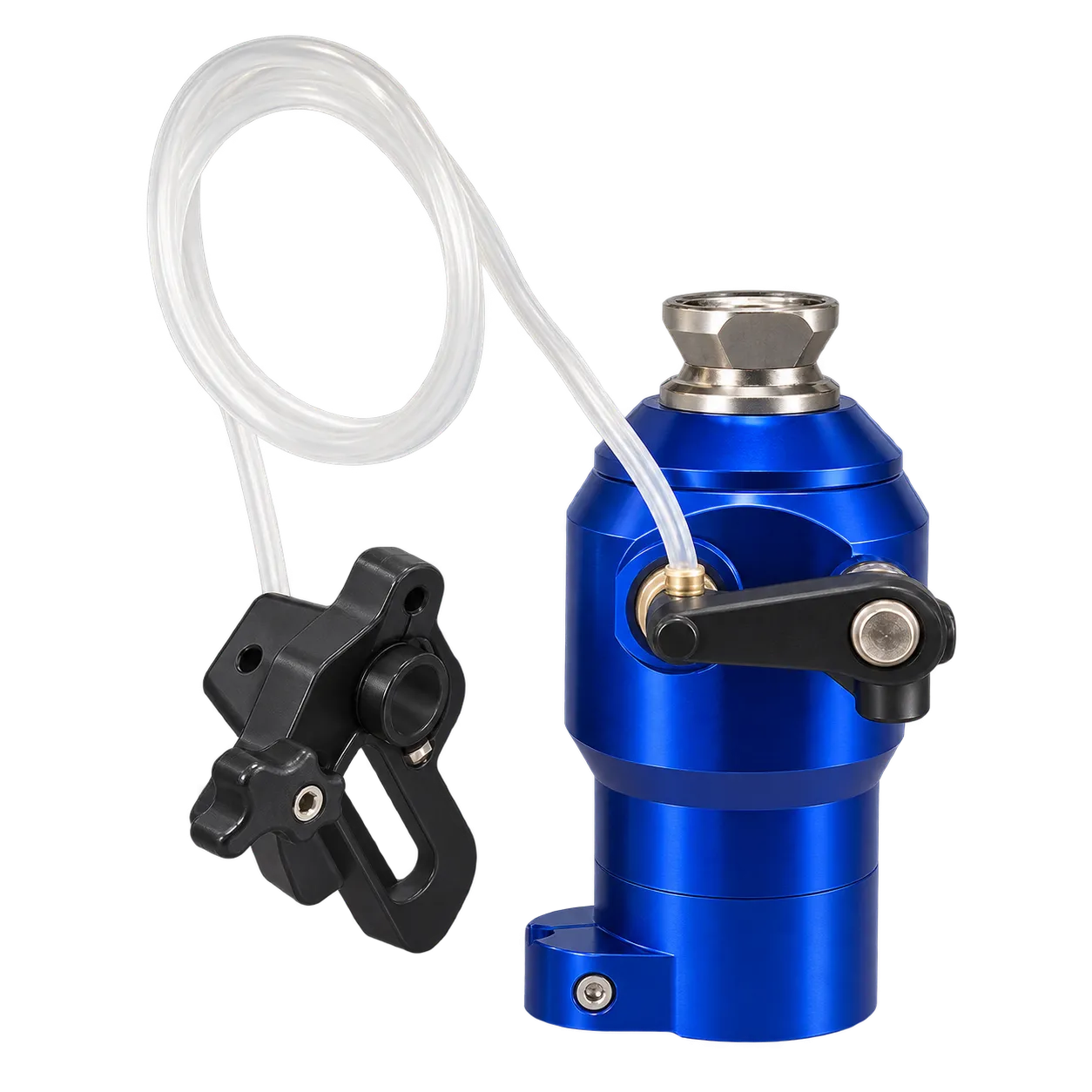
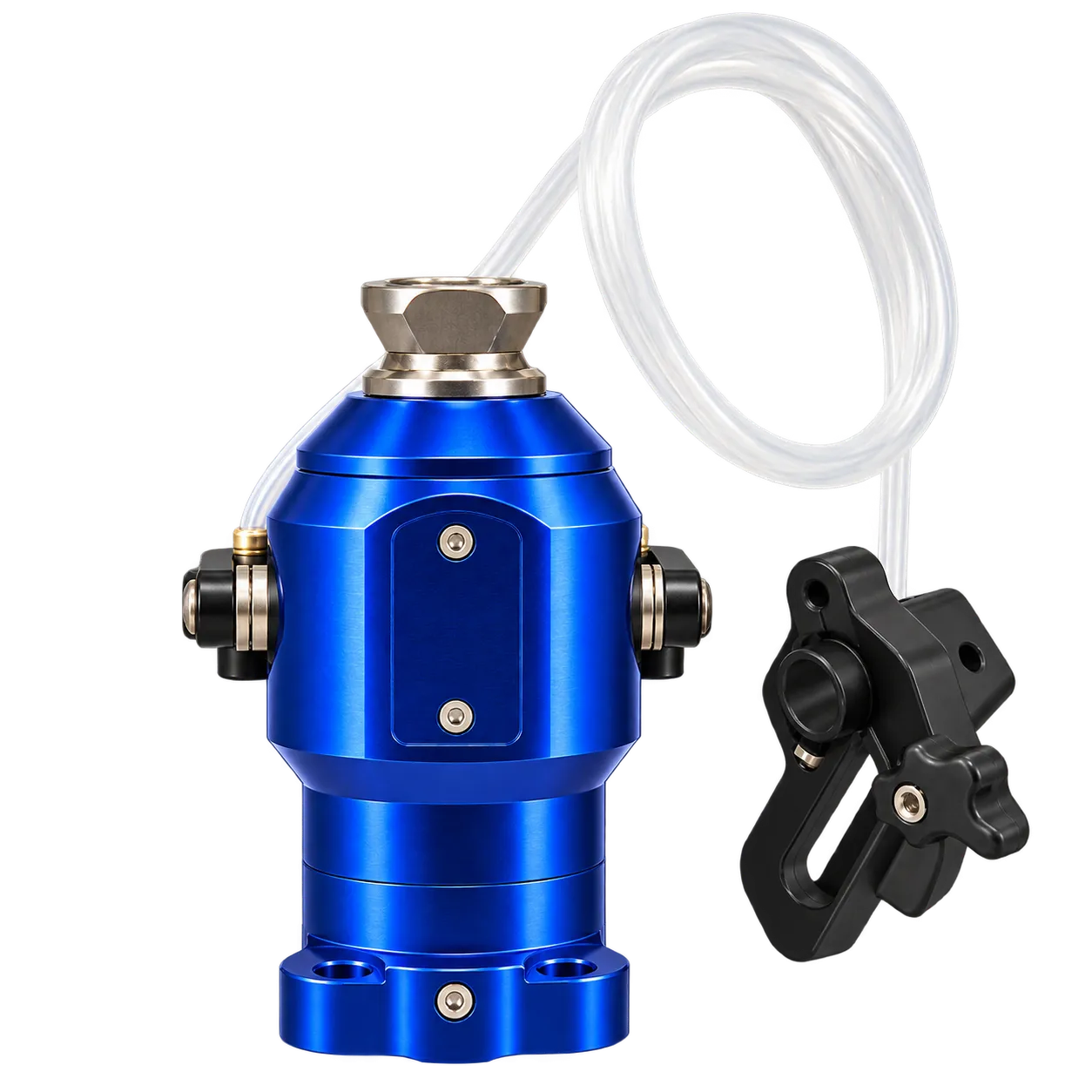
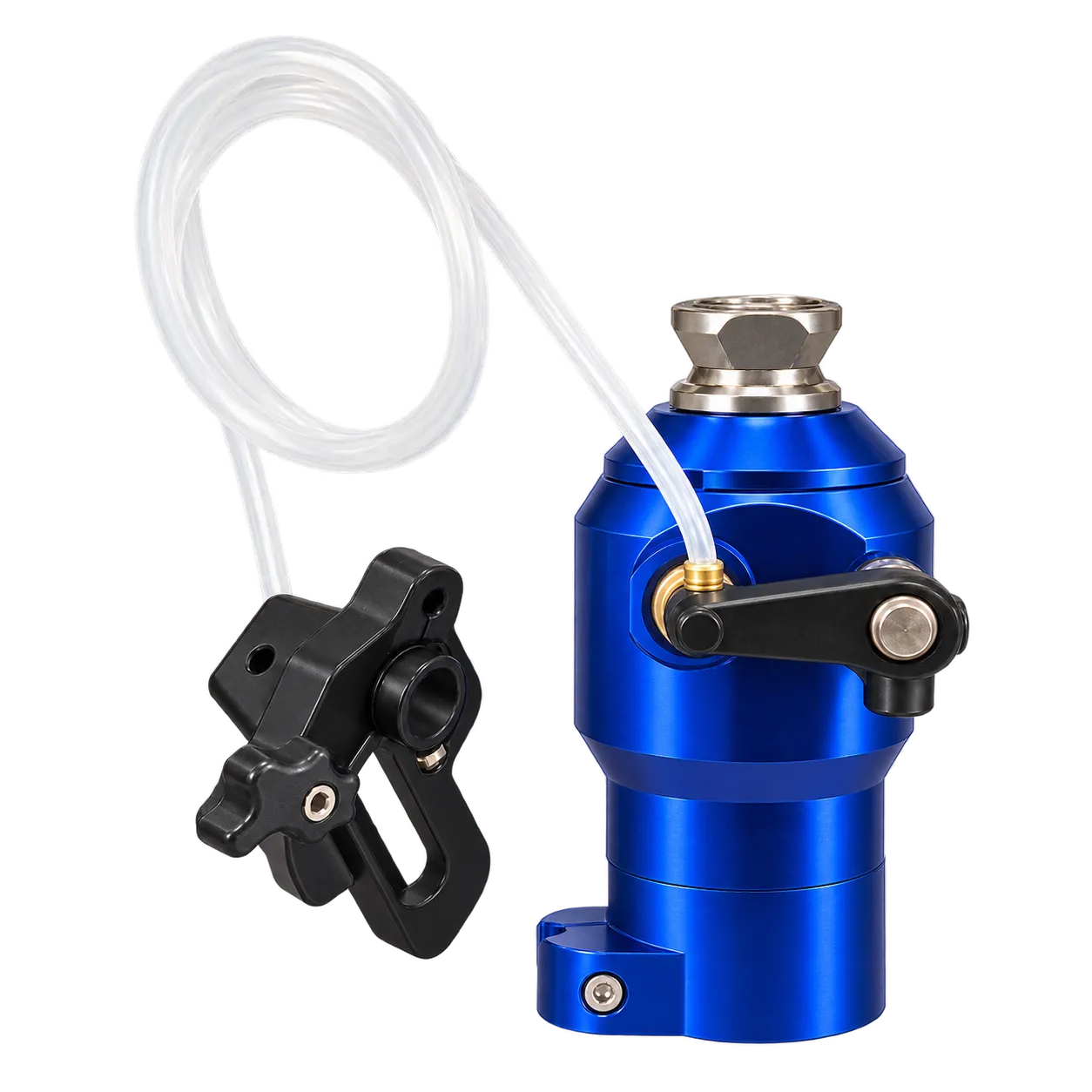
The WPK-001B fits transfemoral and knee-disarticulation limbs built for wet settings: a shower at home, a changing room, a poolside or a beach walk, within the water types and depths its instructions for use allow. In most services it becomes a second limb, built alongside the everyday one, and the case for it rests on what both limbs cost the wearer and the service over the years.
Safety in wet rooms is part of that case. Wong, Chihuri and Li reported that 56.1% of 41 people with lower-limb amputation fell at least once over up to 41 months of follow-up. They did not log fall locations, though they point to earlier findings that injurious falls among women happened most often in the bathroom. Those numbers describe a population, not this knee, and they argue for a non-slip foot and a planned wet-room routine around any water limb.
Corrosion sets the running cost. Industry guidance on aluminium names chlorides as the usual trigger for pitting in seawater and salt-laden air, and it counts paint, anodising and other coatings as the defence. So the prosthetist teaches the care routine from the instructions for use at handover and budgets for its likely parts: fresh water to rinse, towels, space for airing and a regular look at the coating and side knobs. A chip found early is reported at the next review.
Limb-fitting centres, private prosthetic practices, rehabilitation hospitals and charitable programmes in coastal or hot regions are the usual buyers. NHS trusts in England order prosthetic knees through the mandated NHS Supply Chain framework, while public purchasers in other countries apply their own tender rules. The conformity documentation those procurement routes require is issued by the manufacturer and shared by the enquiry team.