
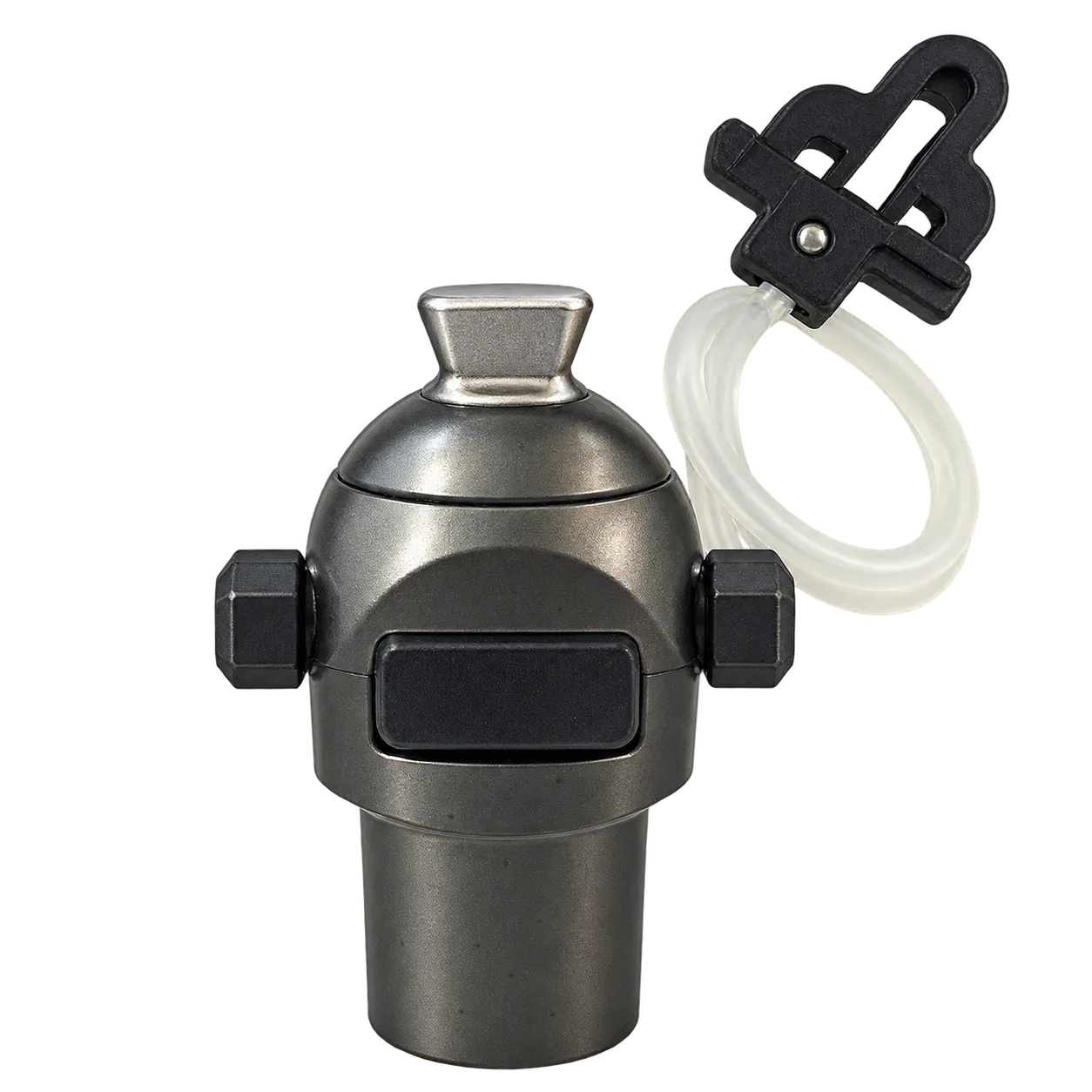
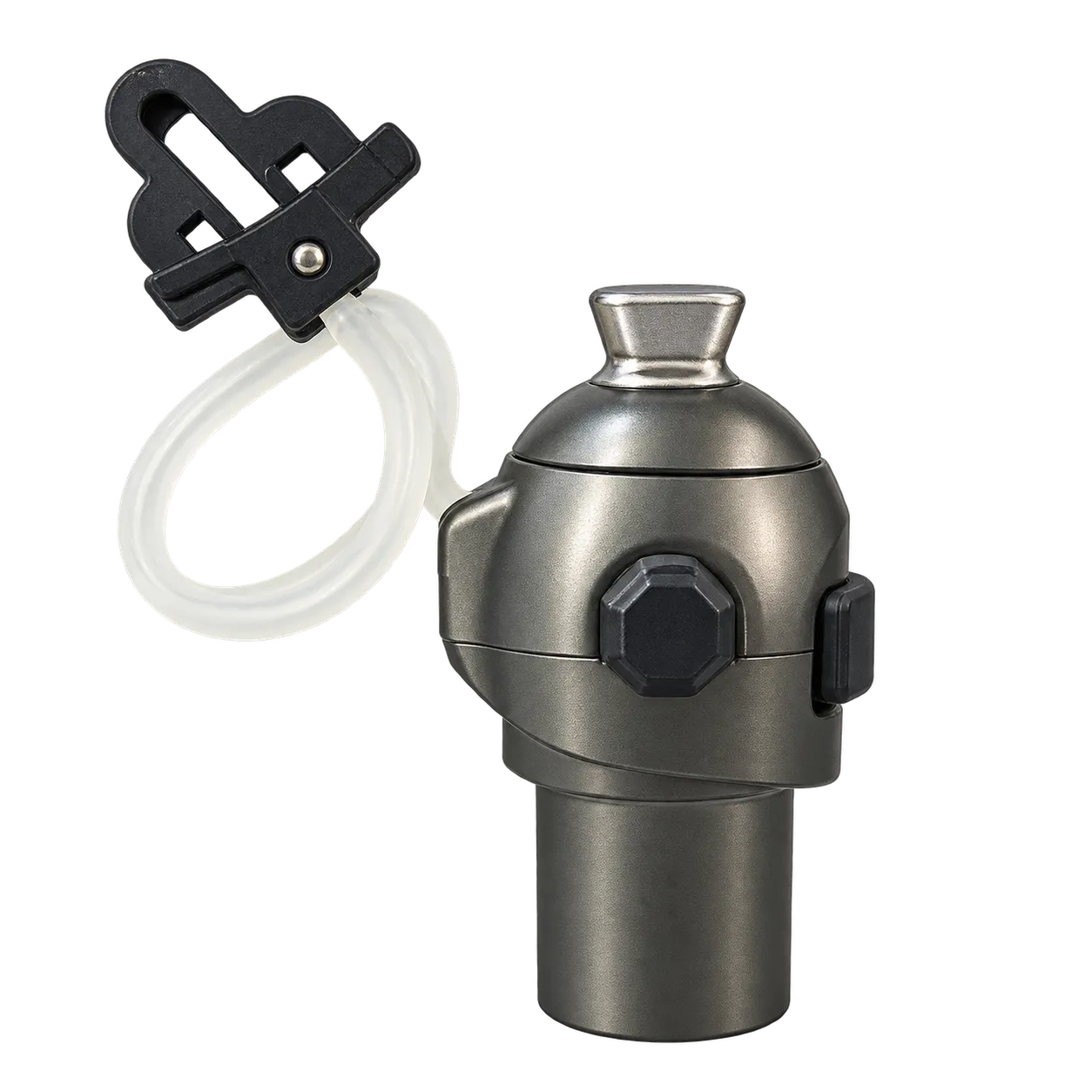
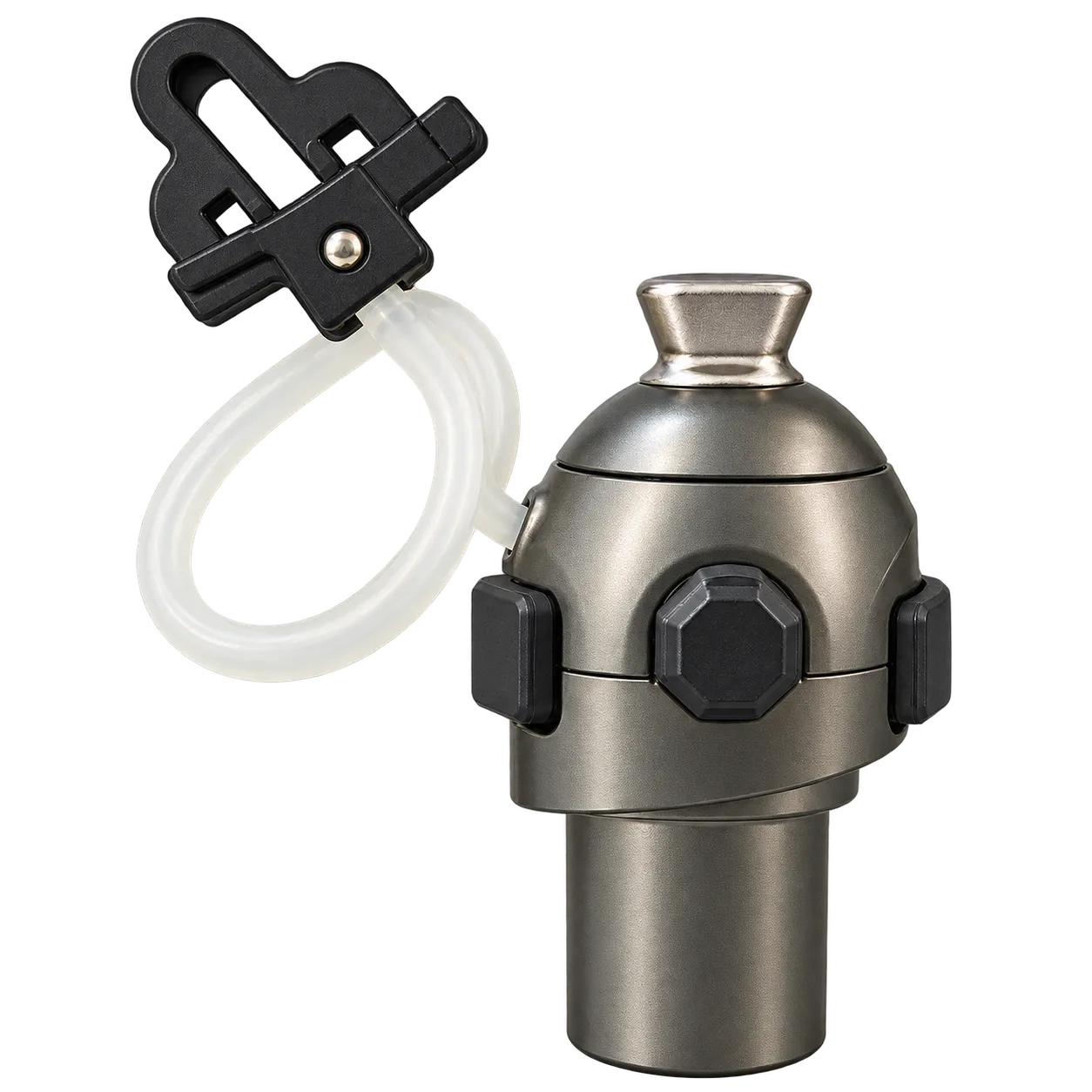
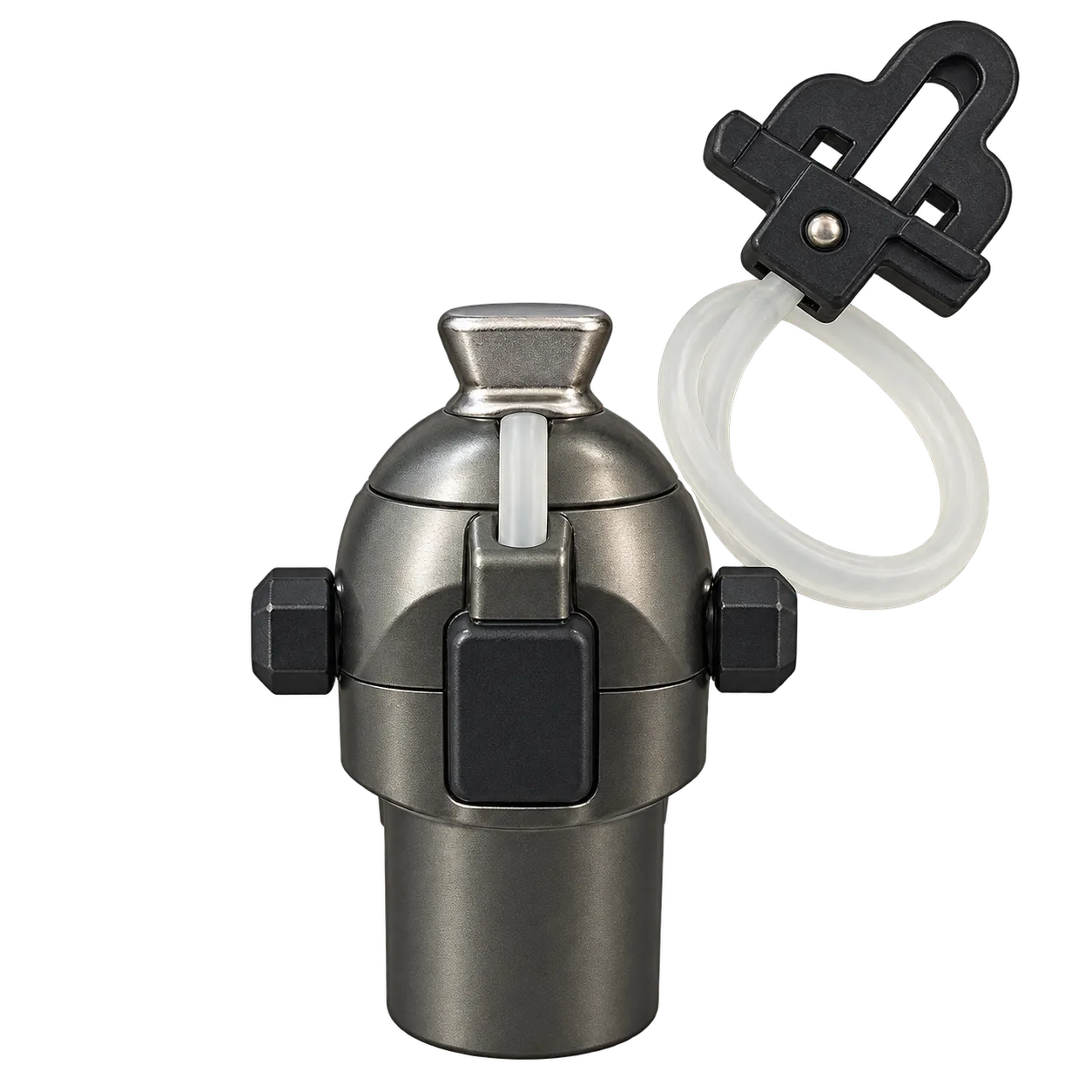
The WPK-001 earns its place in the rooms where water meets the floor. The first is the bathroom: a shower tray, a wet-room with a level drain, a bath with a board across it. A wearer who can keep the limb on there stands on two feet for washing, and the prosthetist plans grab rails and a seat around that posture.
Falls are the reason this matters. A 2016 cohort of 41 people with lower-limb amputation recorded falls in 56.1% and injurious falls in 26.8% over follow-up. A 2020 Portuguese study of 52 community-dwelling unilateral amputees found 36.5% had fallen in the previous year, a quarter of them more than once. Neither study tested a waterproof knee, and neither shows that one prevents falls.
The second setting is the swimming pool, where chlorine is the exposure. Poolside tiles, changing-room floors and steps into the water are the hazards, and the instructions for use say whether the knee may enter the water itself. A fresh-water rinse after every visit is part of the plan regardless.
The third is the shoreline. Sand, spray and drying salt are hard on aluminium, whose oxide film is stable only between roughly pH 4 and 8.5 and is pitted mainly by chlorides. Rinsing promptly and drying fully protect the shell between outings.
Limb-fitting centres, rehabilitation services, private prosthetic clinics and spa or hydrotherapy programmes that fit activity limbs are the natural buyers. NHS services in England purchase through the mandated prosthetics framework, while public buyers elsewhere follow their own tender rules. The conformity documentation those procurement routes require is issued by the manufacturer and shared by the enquiry team.