
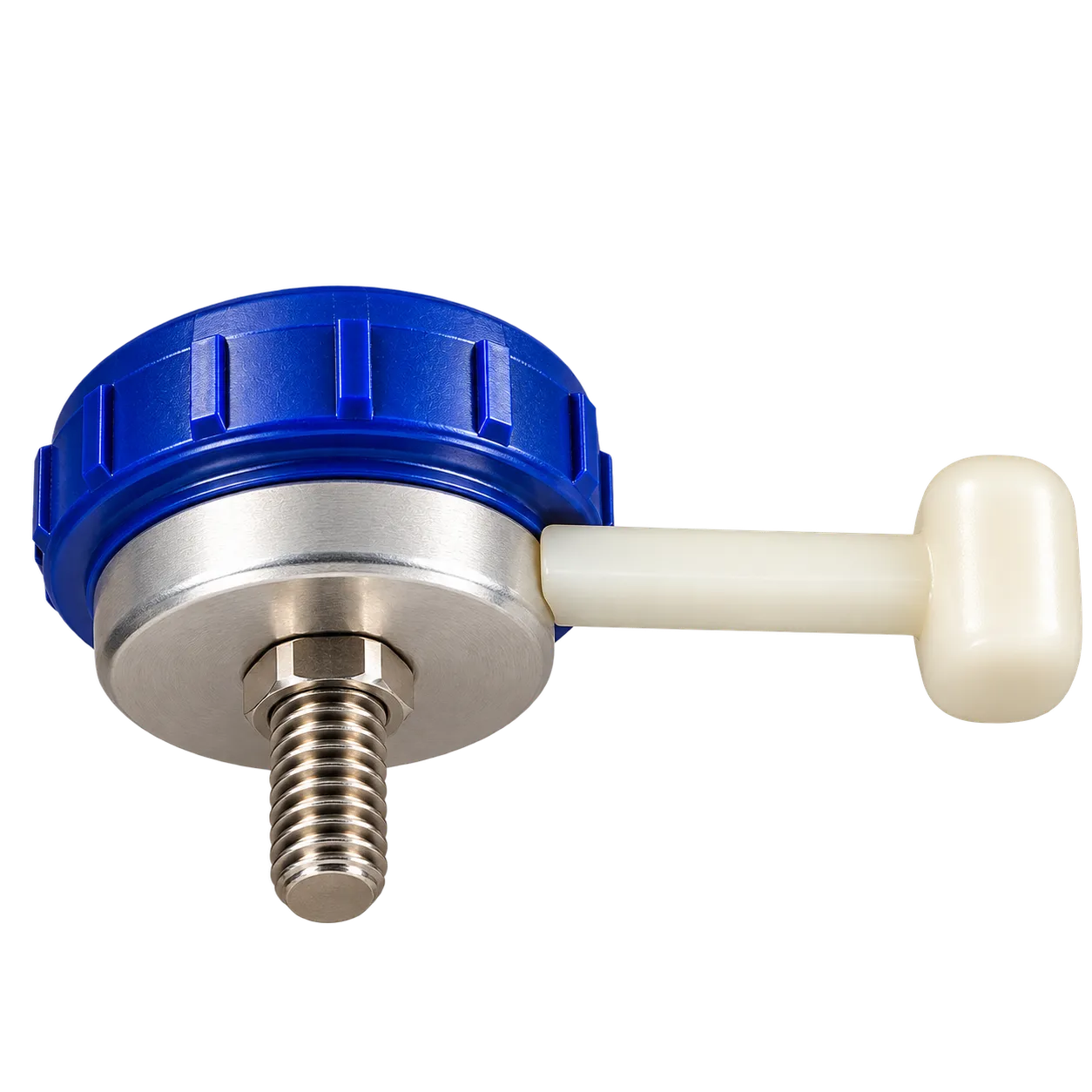
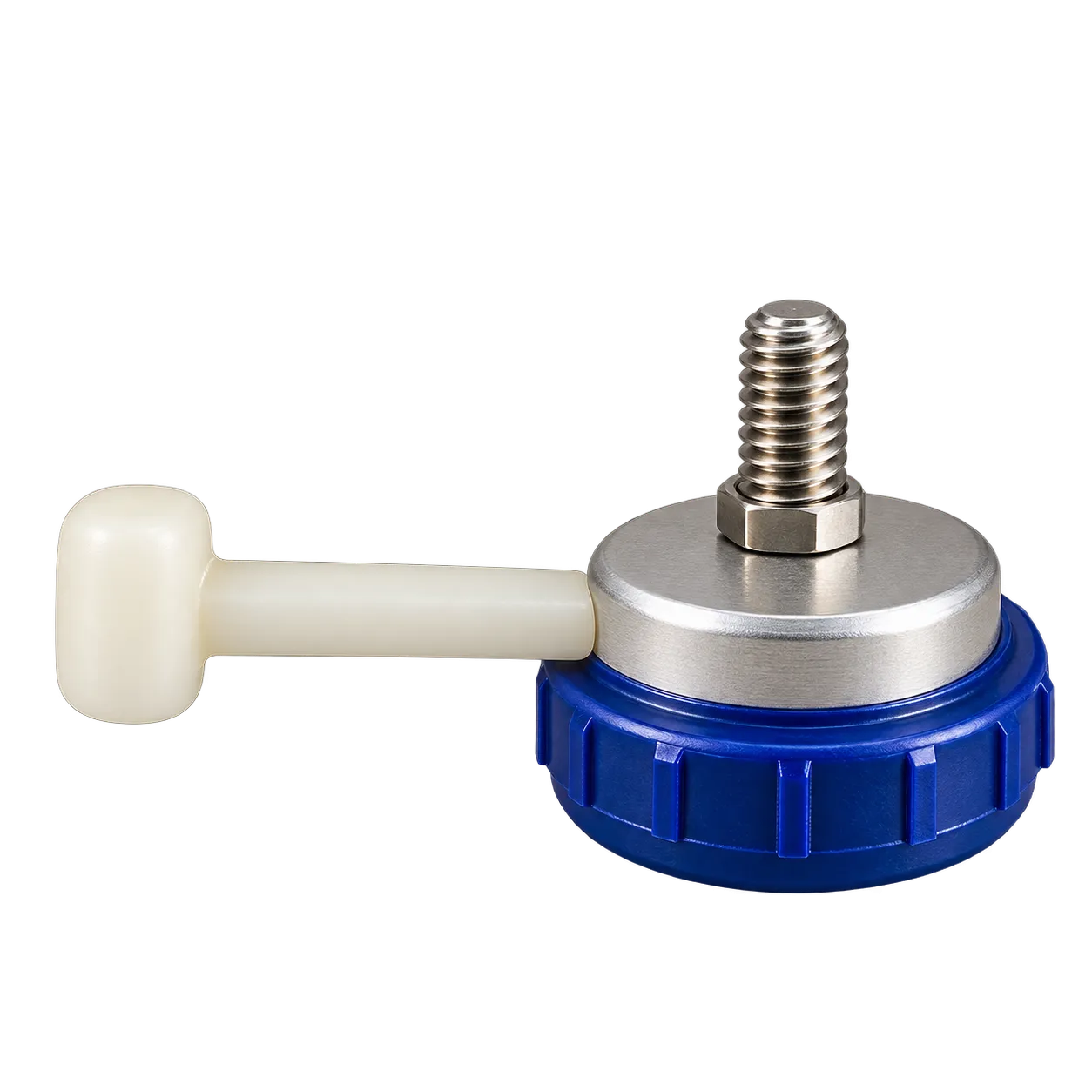
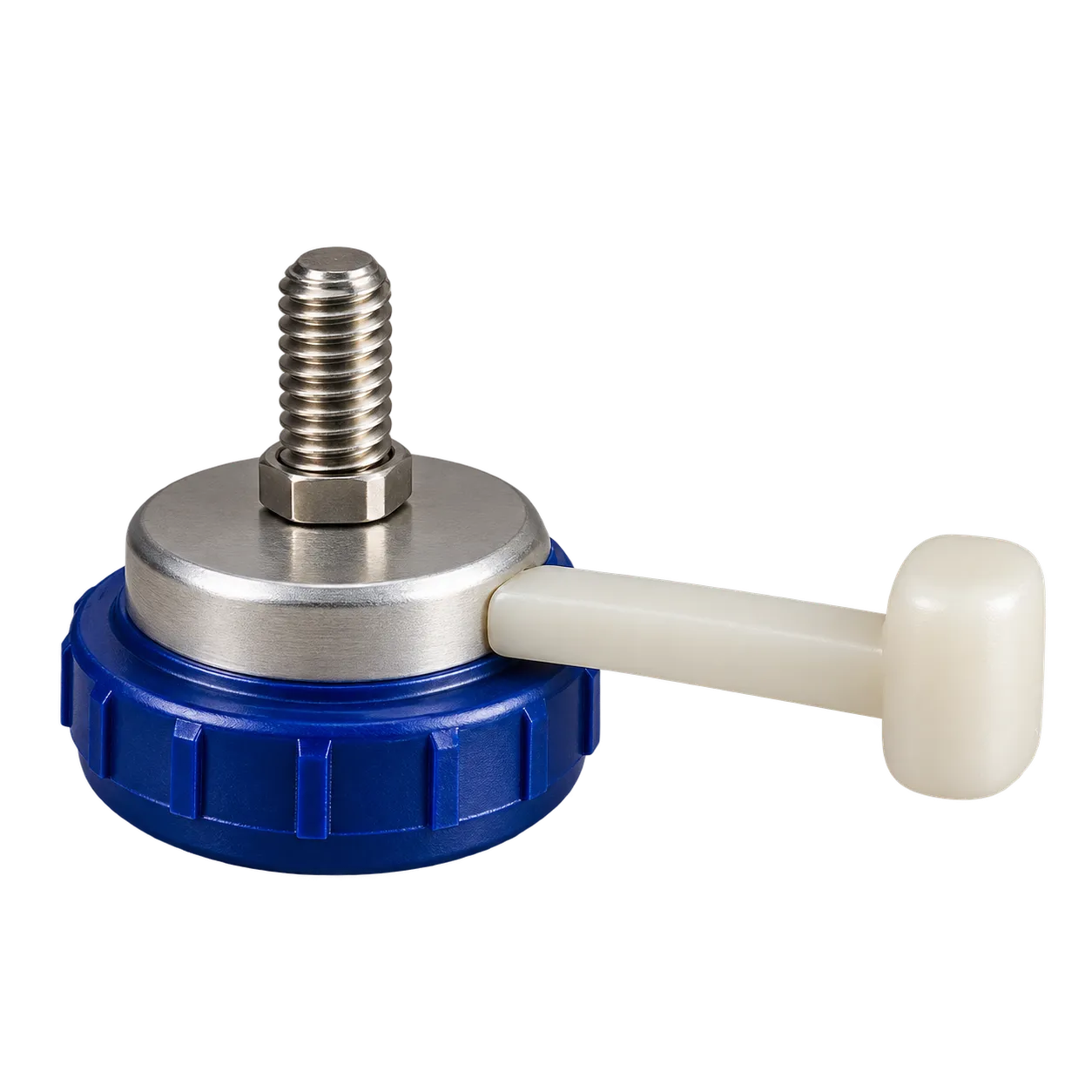
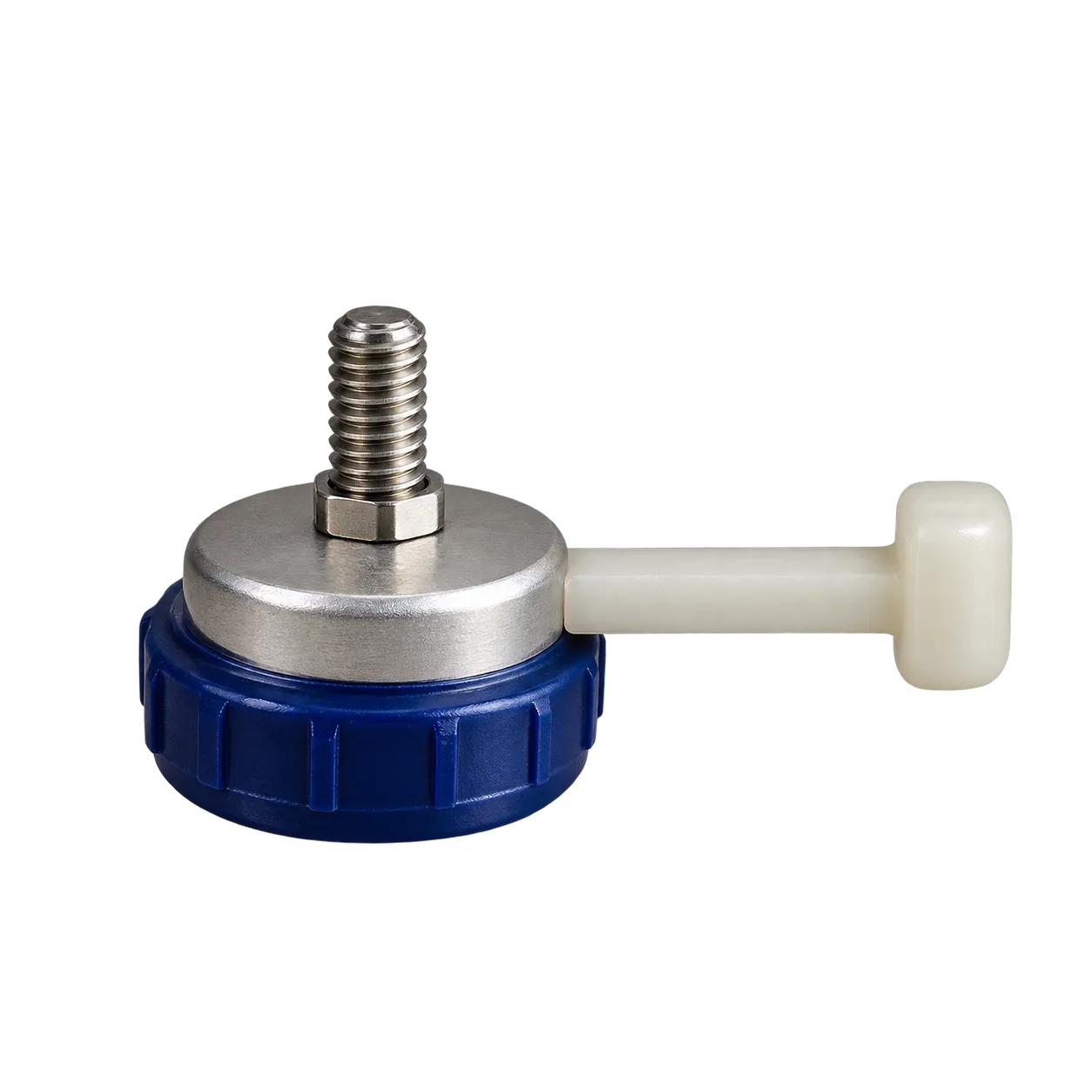
The UASL belongs in prosthetic and orthotic clinics, limb-fitting centres and the workshops where upper limb prostheses are made. Prosthetists and prosthetic technicians choose it when a transhumeral arm is to be suspended from a silicone liner, and they build it into the prosthesis between that liner and the rest of the arm.
Its users are people whose arm ends between the shoulder and the elbow and who wear a silicone liner on the residual limb. For them the lock is the connection that matters most in the whole build, because the elbow, forearm and terminal device all hang from it. A focused part suits that position: the UASL has one purpose, so its role in the suspension is plain to the clinician planning it and to the wearer living with it.
Daily use follows a set order. The liner goes on first, rolled onto the upper arm, and the prosthesis follows over it, with the UASL holding the two together from then on. Occupational therapists and prosthetists teach this sequence during rehabilitation sessions, so that putting the arm on becomes a routine the wearer manages independently at home.
Clinics that fit transhumeral arms on silicone liners can work with one dedicated aluminium lock for that job, identified by a single item number from first fitting to replacement. Its place in the build makes it relevant at every follow-up visit, because a secure hold between liner and prosthesis is what lets the rest of the arm do its work. Aluminium gives that hold a metal body at the top of the arm, close to the residual limb.