
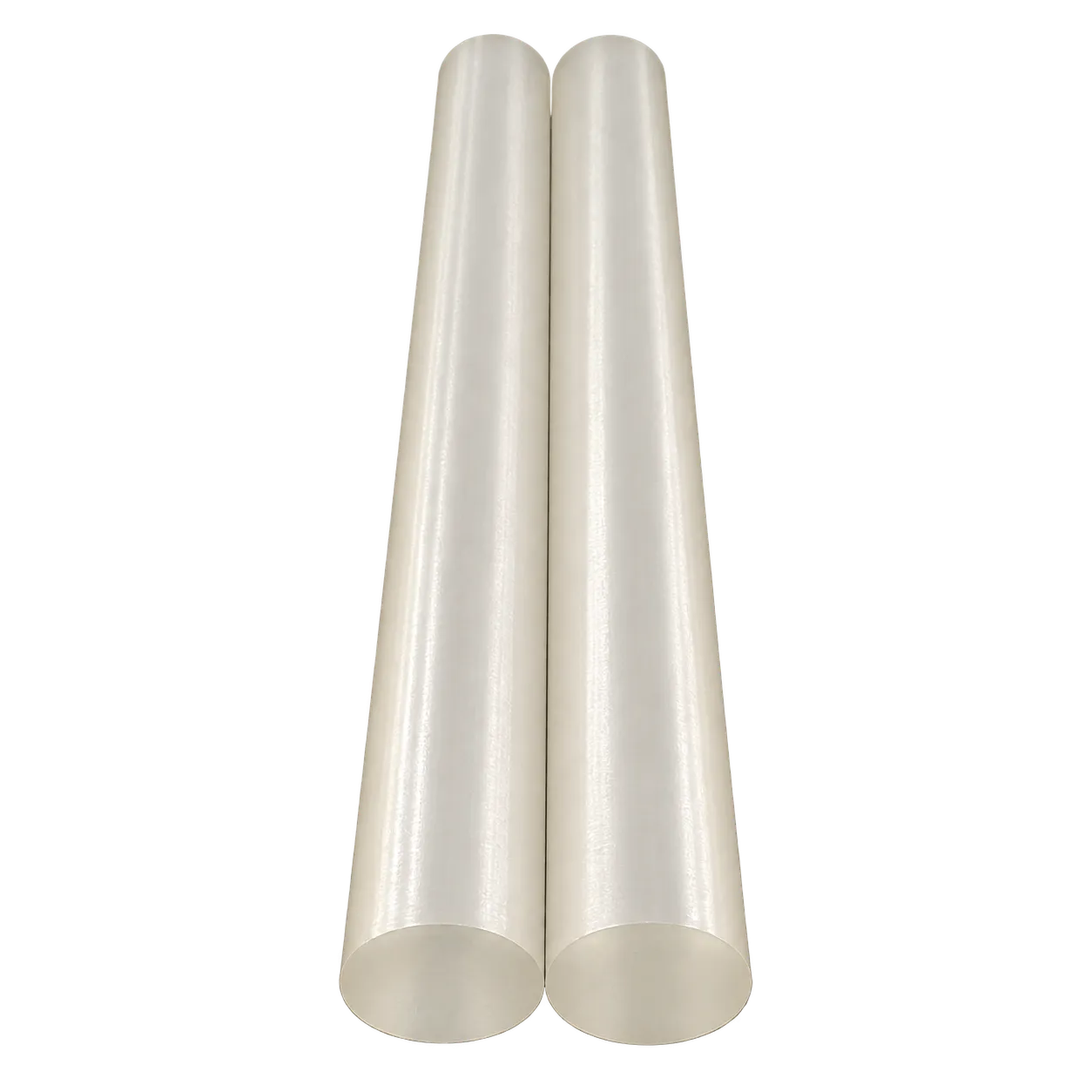

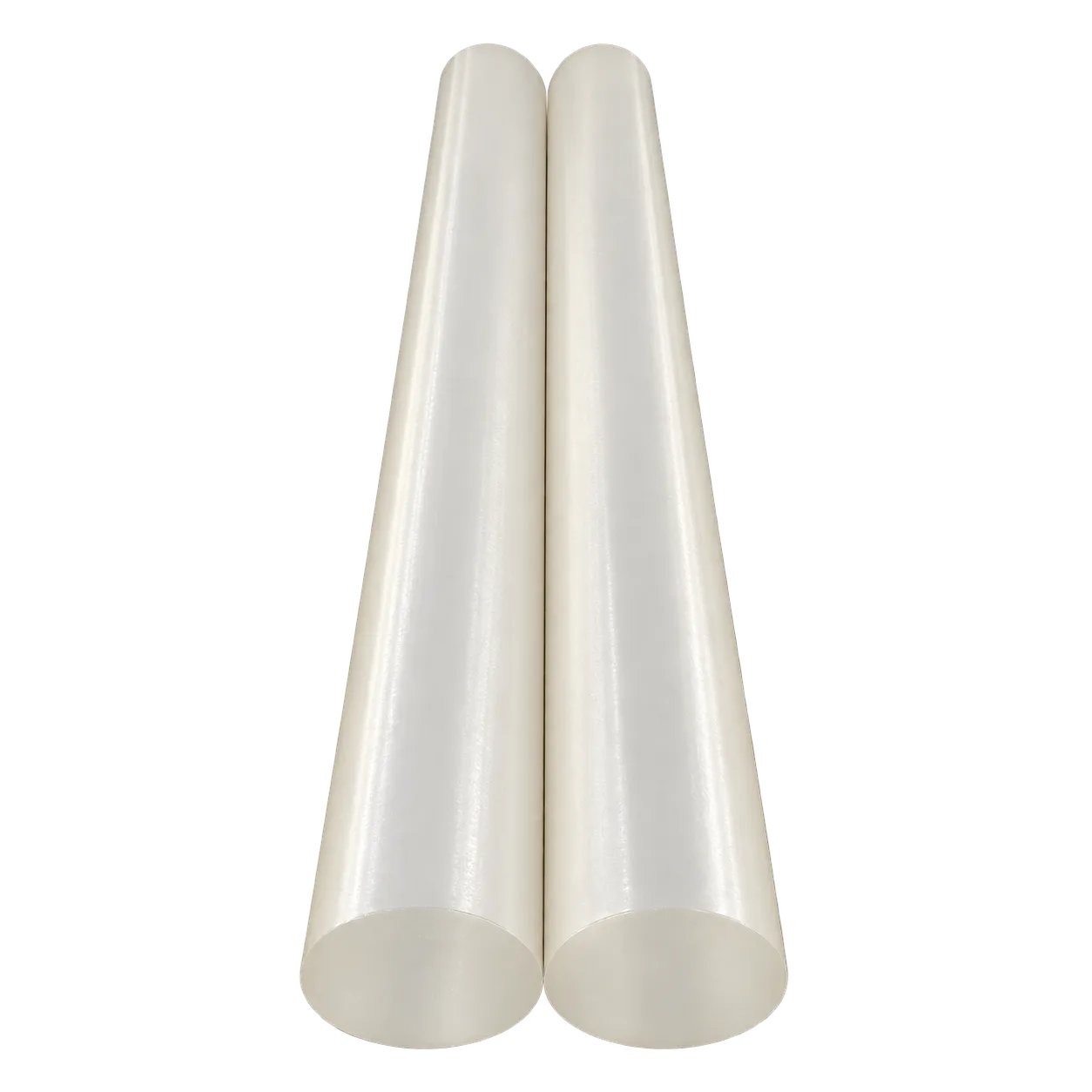
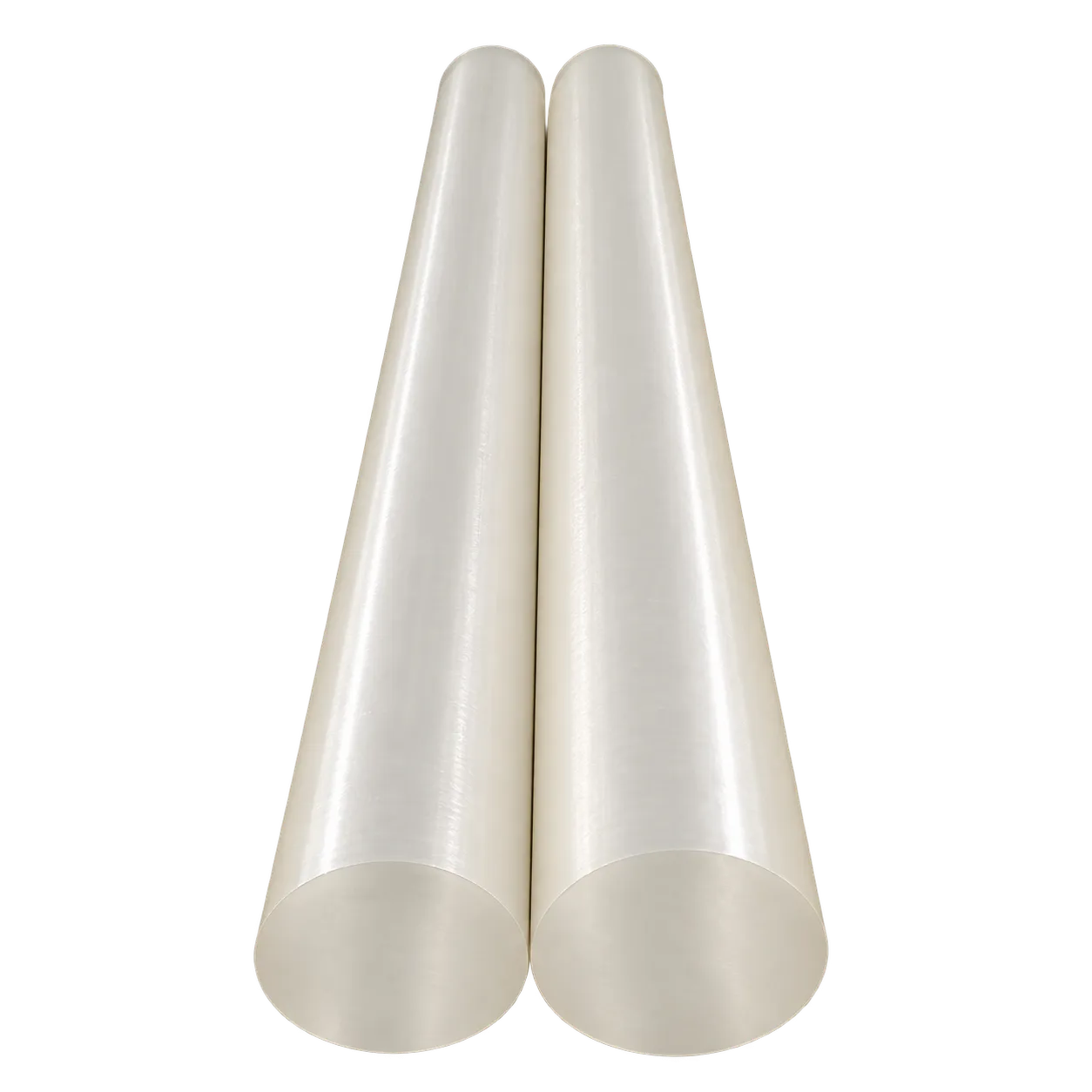
The PVAS-001 belongs in any prosthetic or orthotic workshop that laminates in a vacuum using resin. Laminated sockets remain a mainstay for below-knee and above-knee prostheses, upper-limb sockets, and many definitive devices, and each starts with PVA bags around a cast.
Hospital prosthetic departments and rehabilitation centres use the film daily for test and definitive sockets. Technicians cut a length, seal it into a sleeve, moisten it and draw it over the positive model as the inner bag. After stockinette, fibreglass or carbon reinforcement is applied, a second sleeve becomes the outer bag, the resin is poured, and the vacuum pulls the lay-up tight.
Private prosthetic clinics and orthotic laboratories use the same process for laminated orthoses, cosmetic covers and reinforced components. Training centres that teach prosthetic technology also rely heavily on PVA sheeting, since lamination is a core skill for every student technician.
High-volume laboratories benefit from the 100 m roll, which keeps the cutting table supplied through weeks of daily lamination. Smaller clinics and outreach workshops can hold the 50 m roll and still cut a sleeve for any socket size, from a child's below-knee socket to an adult transfemoral one.
Prosthetic and orthotic technicians, prosthetists and orthotists, handle it at the cutting table and the vacuum bench. Across all these settings, the workflow follows the same short sequence: cut, seal, moisten, stretch, pull the vacuum, and pour, with the PVA keeping the resin where it belongs and the socket clean on removal.