
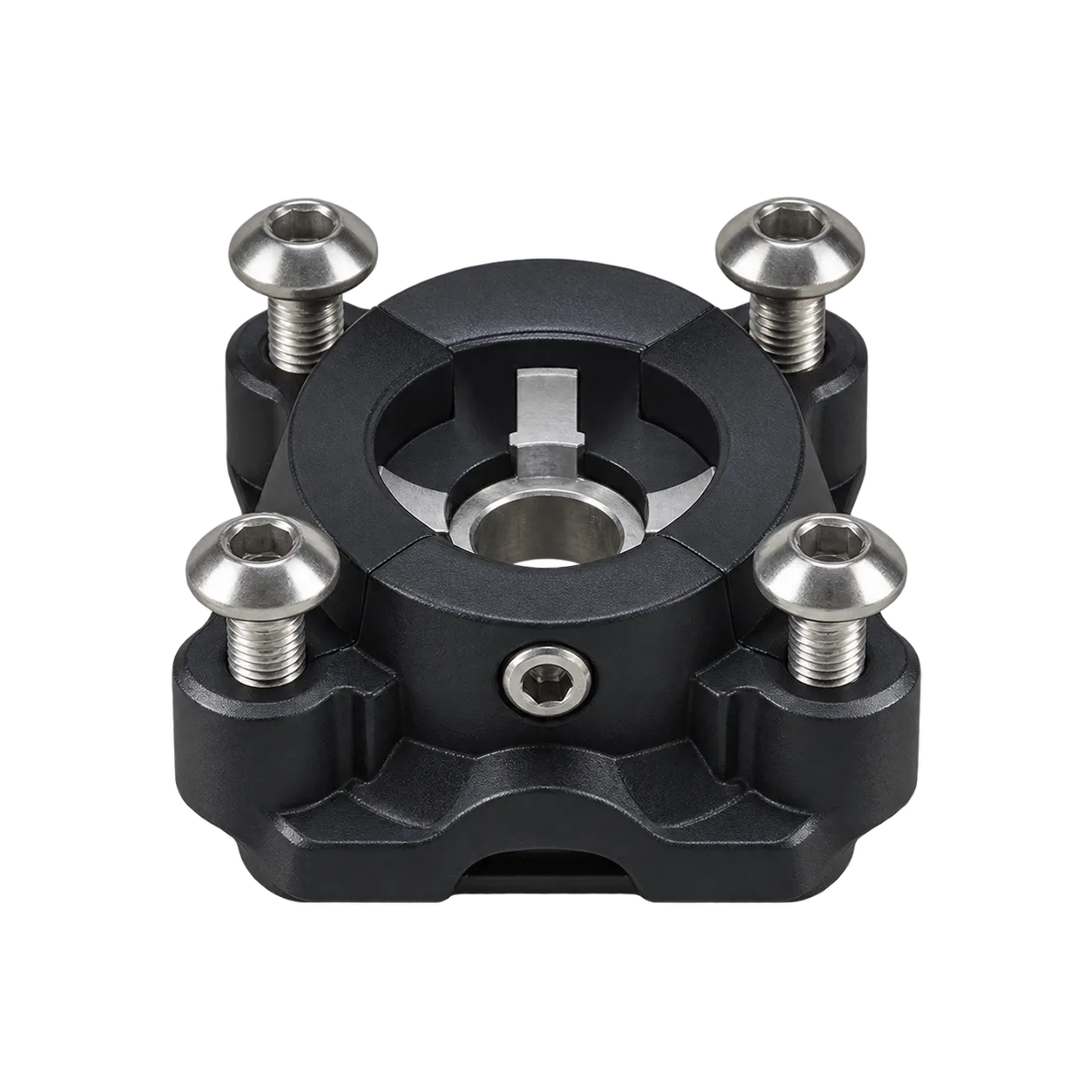
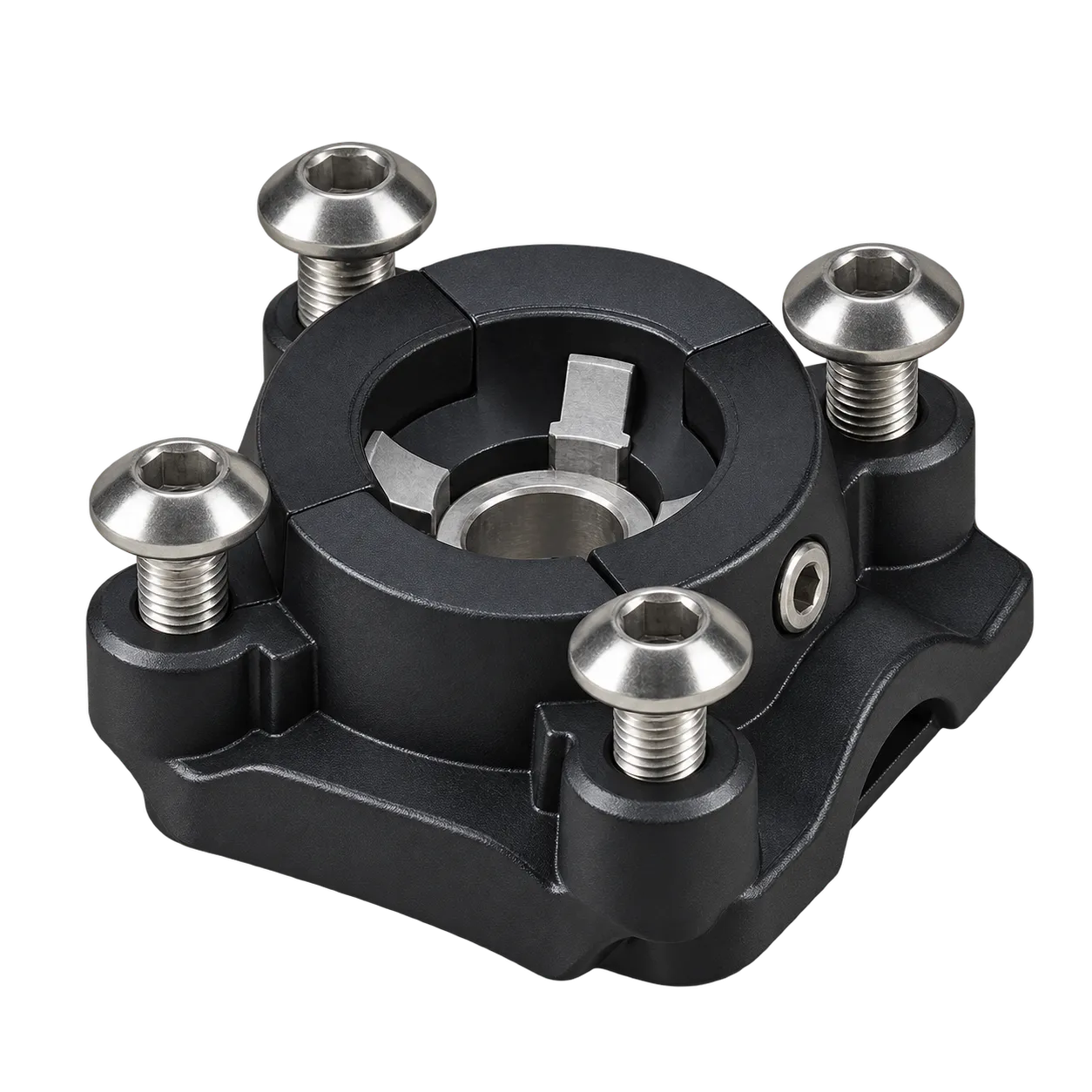
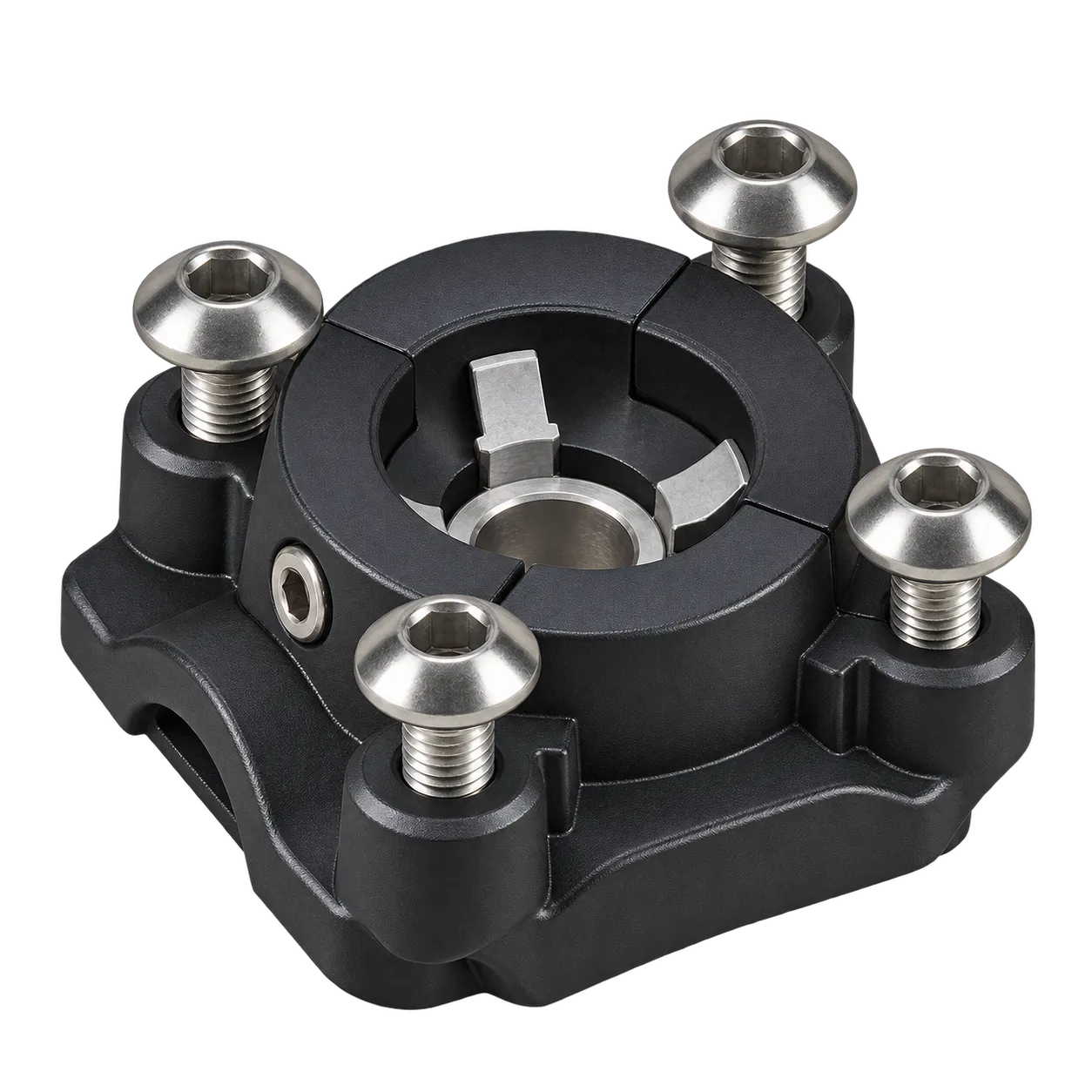
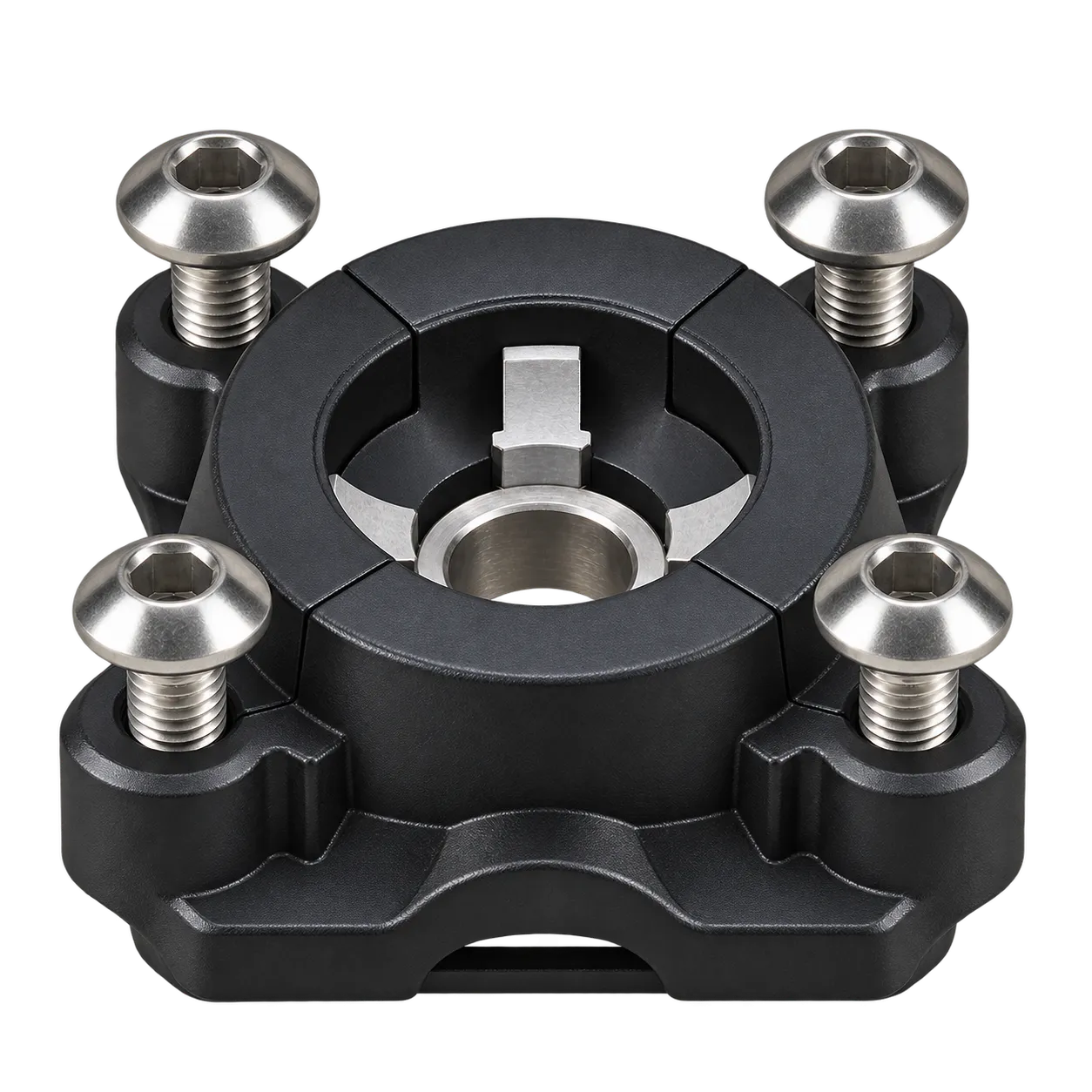
Prosthetic clinics choosing a socket adaptor look first at how it attaches and what it connects to, then at the load it can carry. The PPSKT offers a square base with corner fixings, and the confirmed central connection tells the prosthetist which components it pairs with. Where a finish choice exists, the clinic can match the adaptor to the rest of the build. Medigear.uk supplies the confirmed figures for each finish together with certification records.
Rehabilitation services see the effect of a well-anchored socket connection in a limb that holds its alignment between sessions. If the central connection allows adjustment, the prosthetist can respond to changes in gait without disturbing the socket itself. Fixings should be checked at reviews like any load-bearing part. Medigear.uk can provide manufacturer documentation, including torque figures, for a service's own records.
Fabrication workshops need base dimensions and fixing spacing before preparing a socket, and they need to know which finish and material they are working with. Confirming those details in advance avoids rework and mixed stock. Having both finishes specified clearly also simplifies reordering. Volume terms, finish choices, OEM branding and ODM work are arranged through Medigear.uk.
For the wearer, a finish choice can matter as much as the function, particularly where parts of the limb remain visible. Beyond appearance, the adaptor should stay silent and secure through every step once fitted. Any looseness, noise or change in how the limb sits should reach the prosthetist promptly. Medigear.uk answers questions from wearers ordering replacements with their clinical team.