
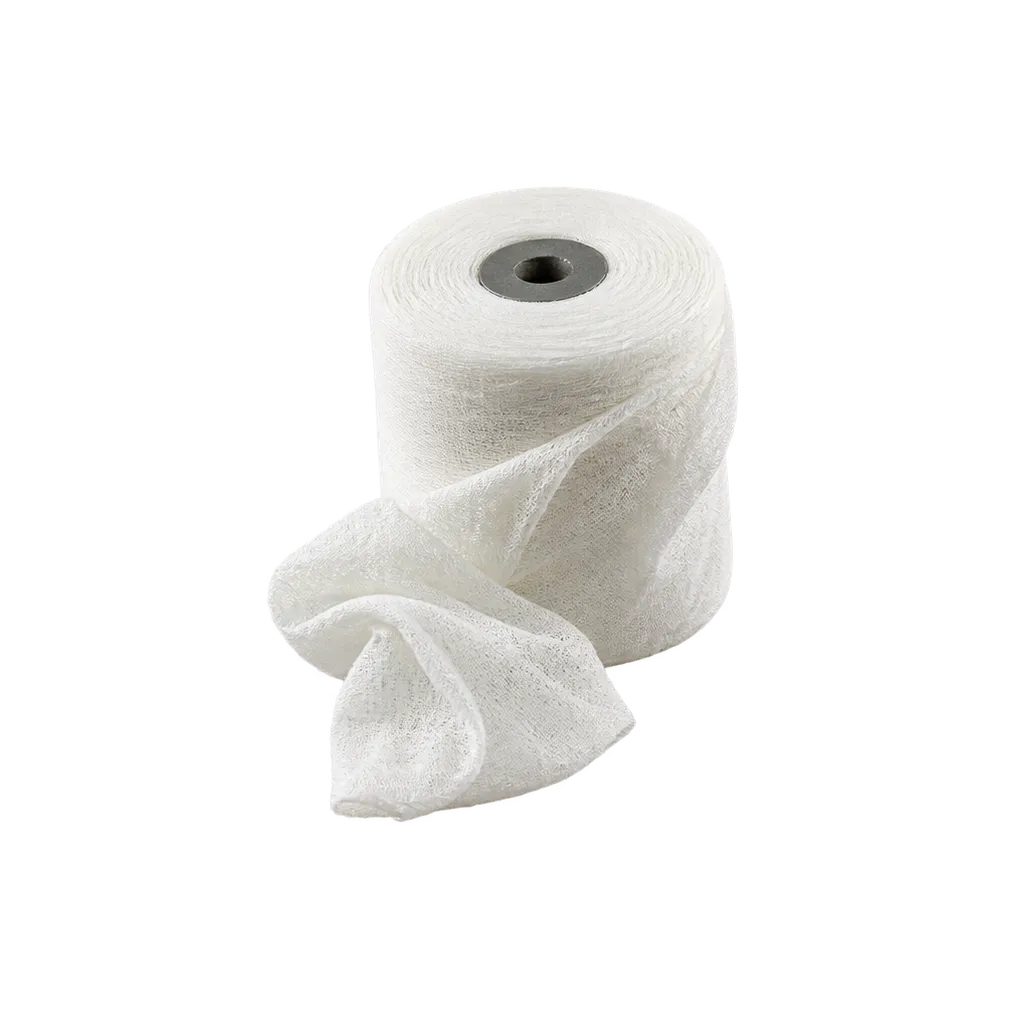
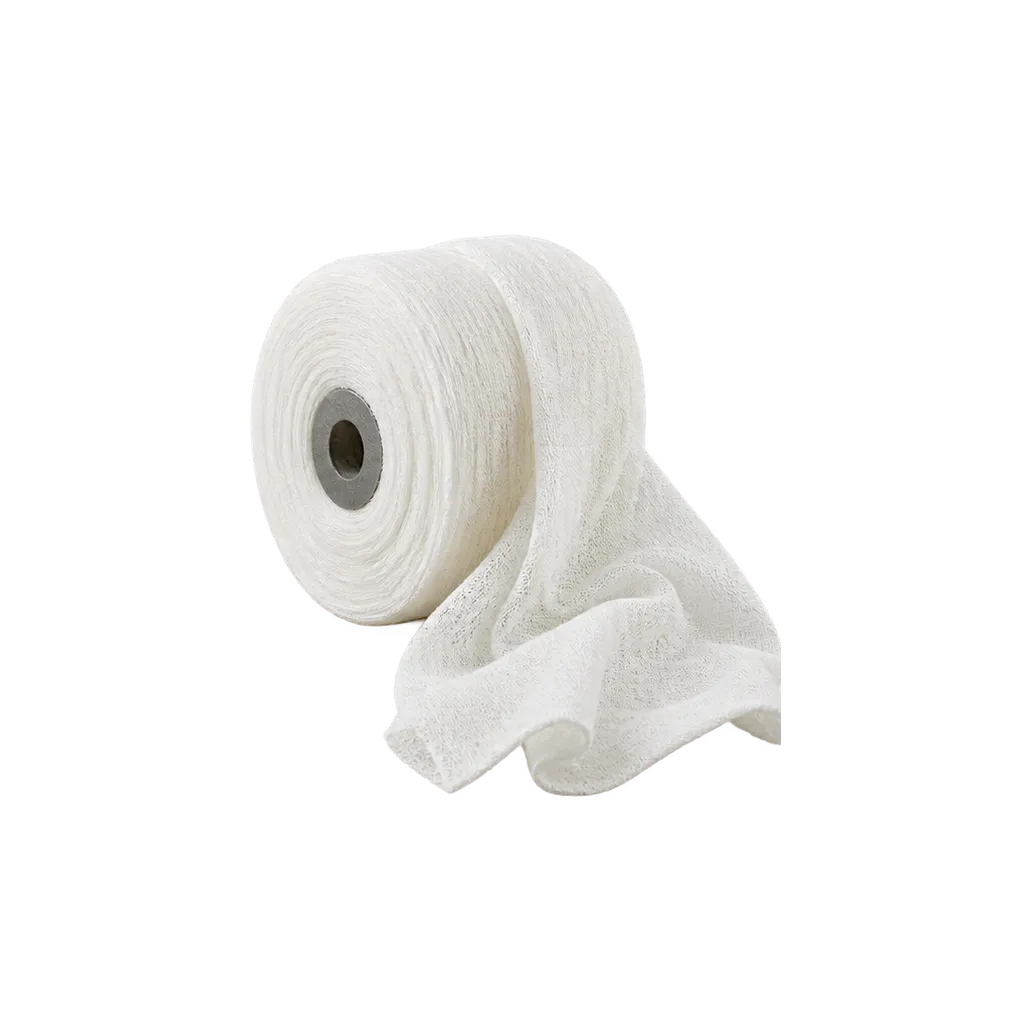


The GSS belongs in prosthetic and orthotic workshops and in rehabilitation centres that prepare devices on site. Prosthetists specify the width, technicians cut the stockinette, and workshop managers plan the stock, so every role works from the same short list of seven widths and two roll weights.
The widths suit different working scales. At the narrow end of the range, the 10 and 13 cm widths arrive on 1 kg rolls. Toward the wider end, the 16, 18, 20, 23 and 25 cm widths arrive on 2 kg rolls. A workshop that keeps one roll of each width on hand holds 12 kg of material.
Planning is simple because every figure follows from the stated widths and weights. The 18 cm width is the middle of the seven, with three widths on either side. Neighbouring widths differ by 2 or 3 cm, so a technician who needs a width between two stocked rolls finds the gap small. A shelf holding ten 2 kg rolls carries 20 kg, which lets a storeroom be laid out on paper.
Supply follows the same logic. Each roll is used up as stockinette is cut from it, so a department counts stock in rolls per width and sets a reorder level for each of the seven widths. A single item number spans the seven reorder lines, so stock lists, shelf labels and handover notes stay brief for staff who rotate through the workshop.
Training stays light for the same reason. A new technician learns one material, seven widths and two roll weights, and any width of 16 cm or more is a 2 kg roll. The GSS is a non-powered material, so it sits beside the benches where it is used, with nothing to connect to.