
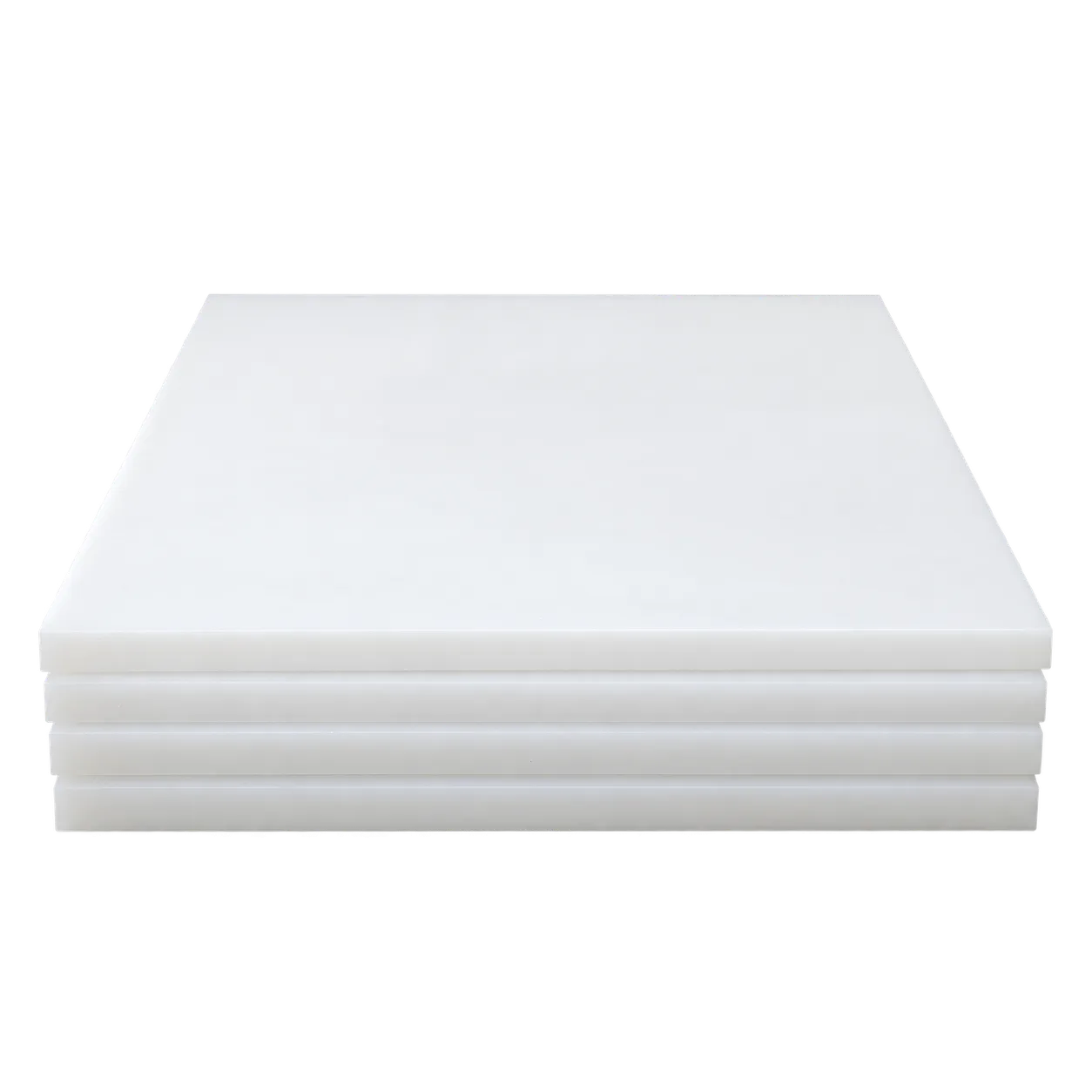
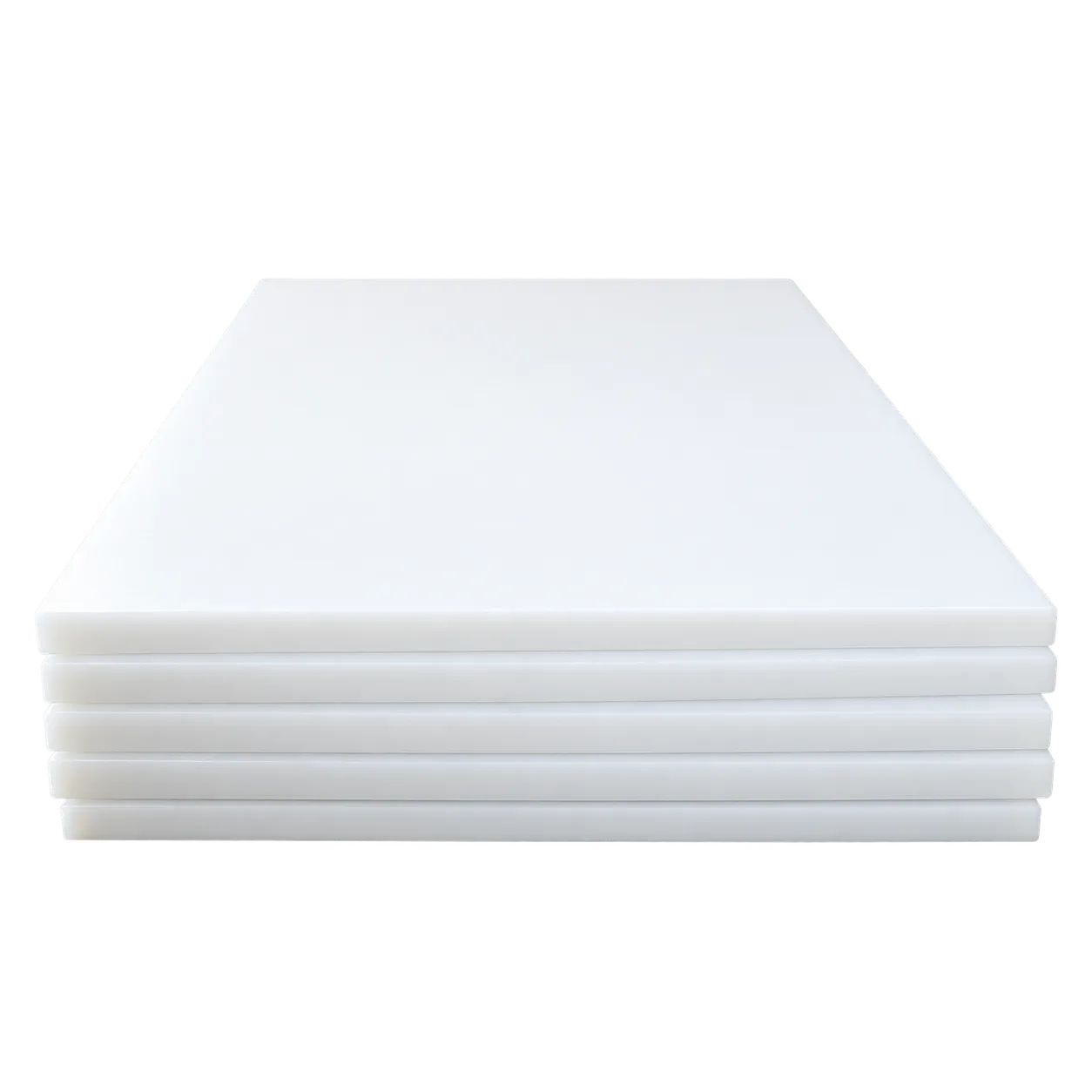
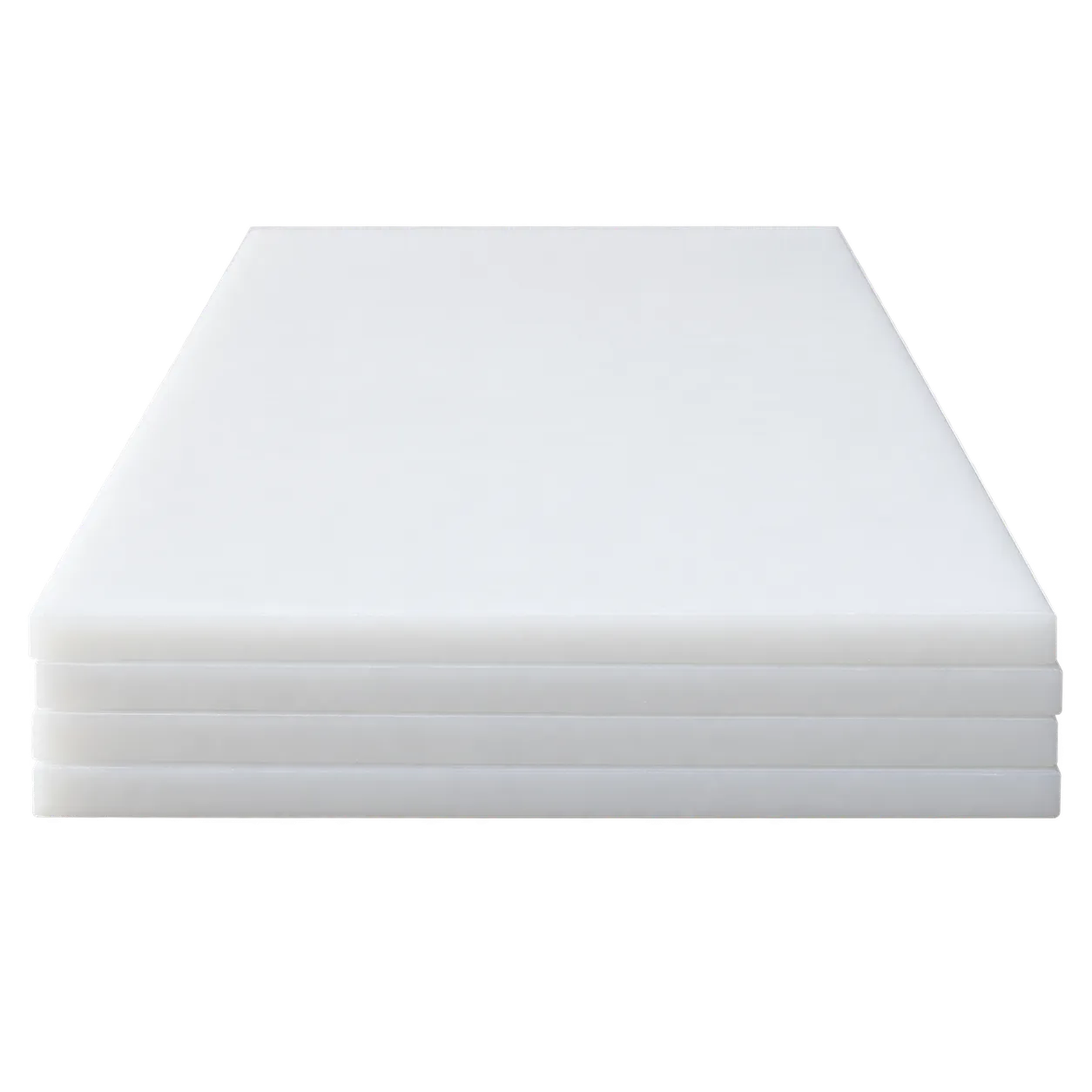
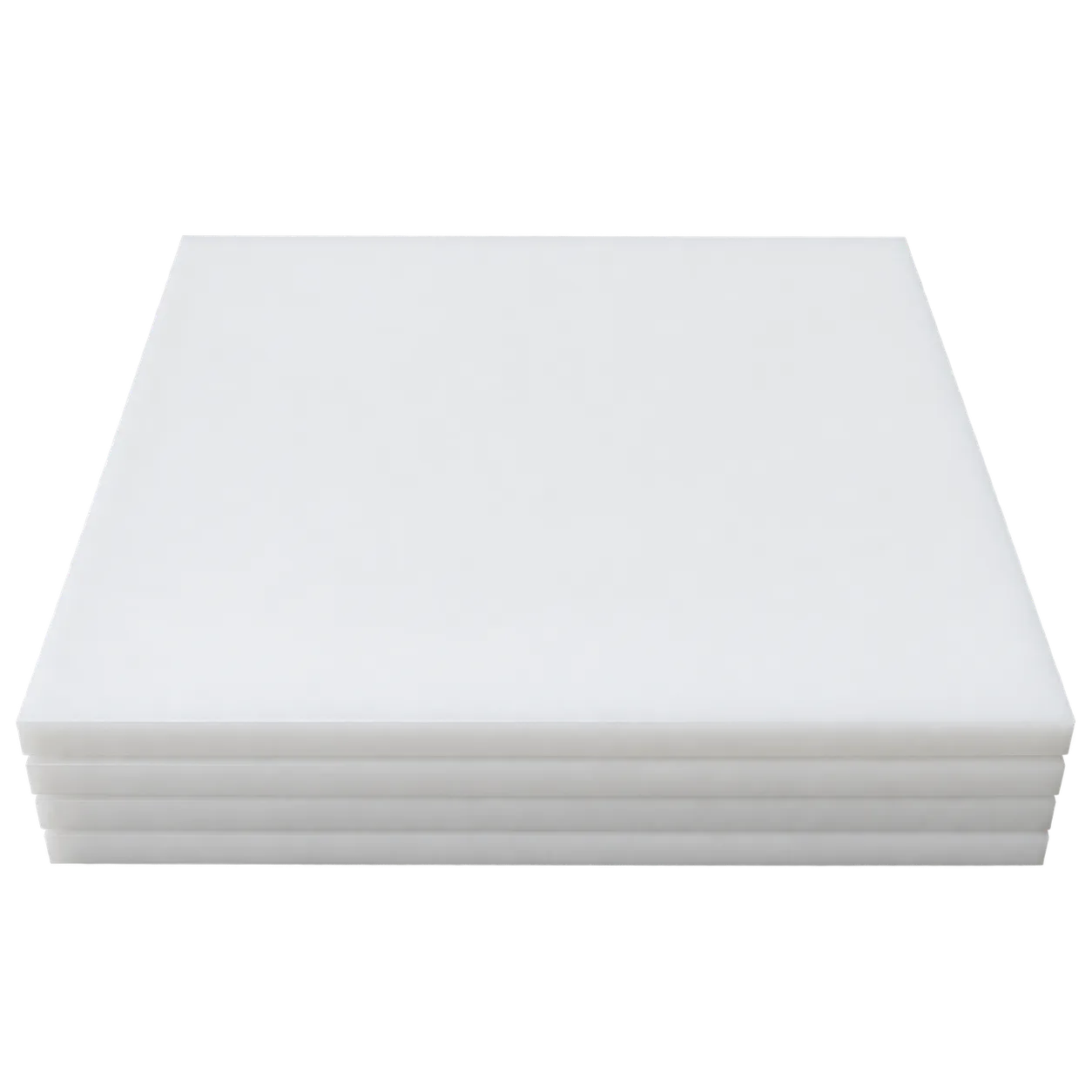
The FPE belongs in orthotic and prosthetic workshops, hospital orthotic departments and rehabilitation centres, wherever devices are formed in house from sheet material. Orthotists and orthotic technicians handle it, and the clinical team relies on what they make for each patient. Forming on site keeps the whole sequence of measuring, cutting, forming and fitting under one roof, so each wearer's device is shaped by the team that will fit it.
In use, the technician takes the patient's measurements, lays out a pattern on the panel and cuts it, heats the piece until it is workable, forms it over a model, and trims the edges once it has cooled. The patient then tries the finished orthosis, and any adjustment returns to the same material at the bench.
Thickness is the working choice. The 3 mm, 4 mm and 5 mm gauges give the technician three depths of polyethene within one model, and the depth is selected to suit the device and the wearer. Changing gauge alters the depth of the finished piece, while the outline always comes from the pattern. Each gauge keeps the same 1 m × 2 m face, so the bench layout routine stays familiar from one device to the next.
A panel covers 2 m², which means a single panel can serve several fittings. A workshop with a regular flow of patients keeps its three gauges on the shelf and reorders by item number and thickness. The material is non-powered, so no electrical routine is attached, and bench time goes on marking out, forming, and fitting.