
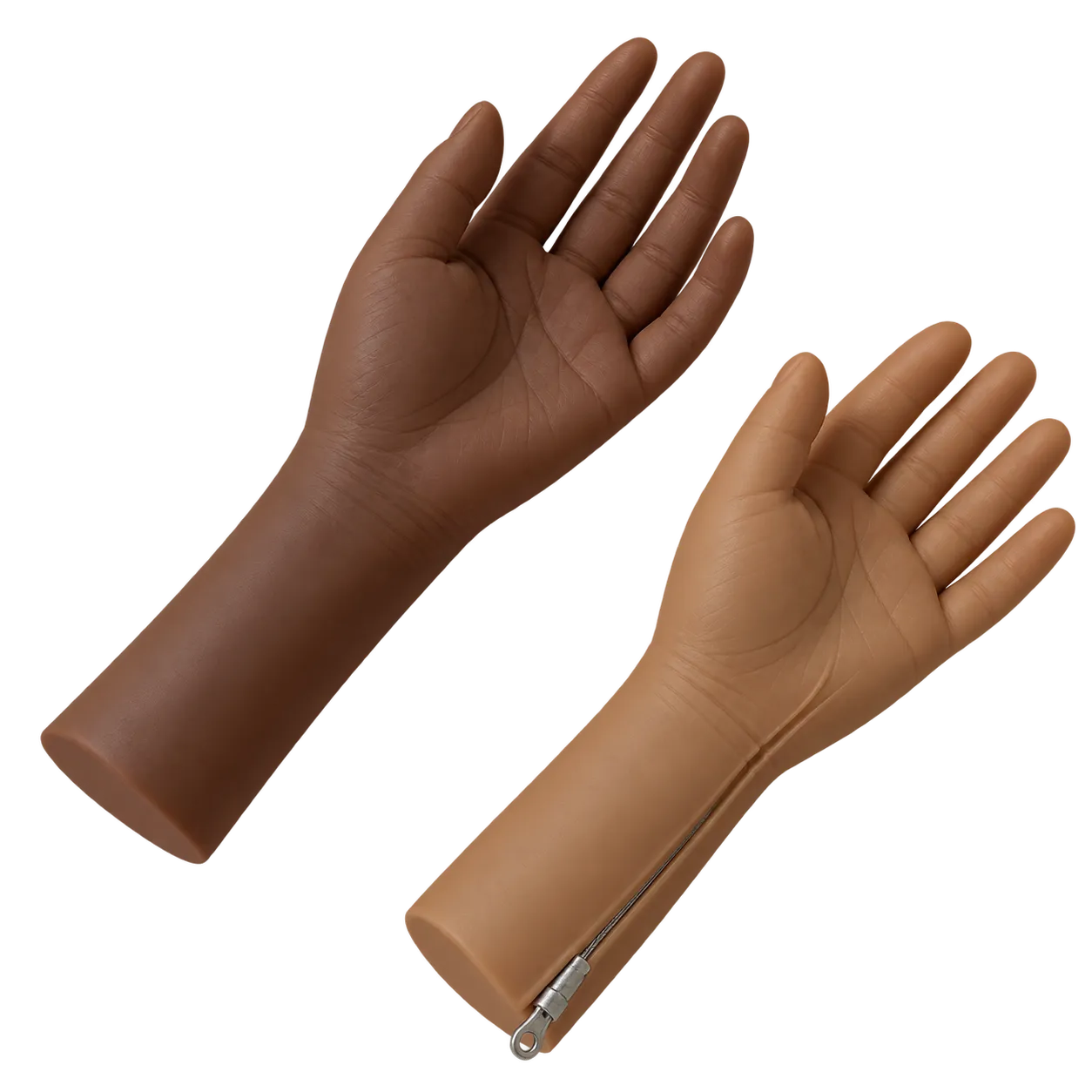
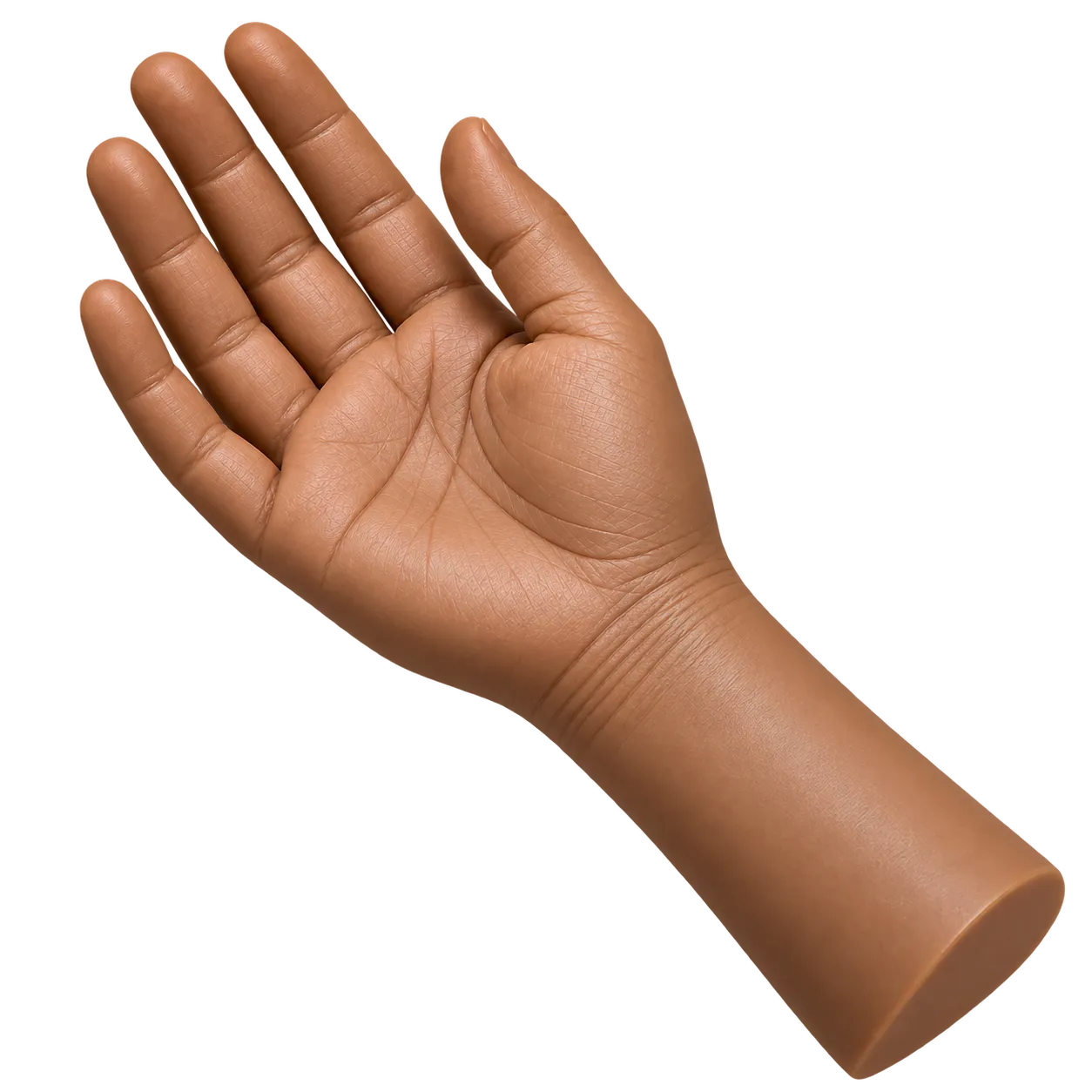
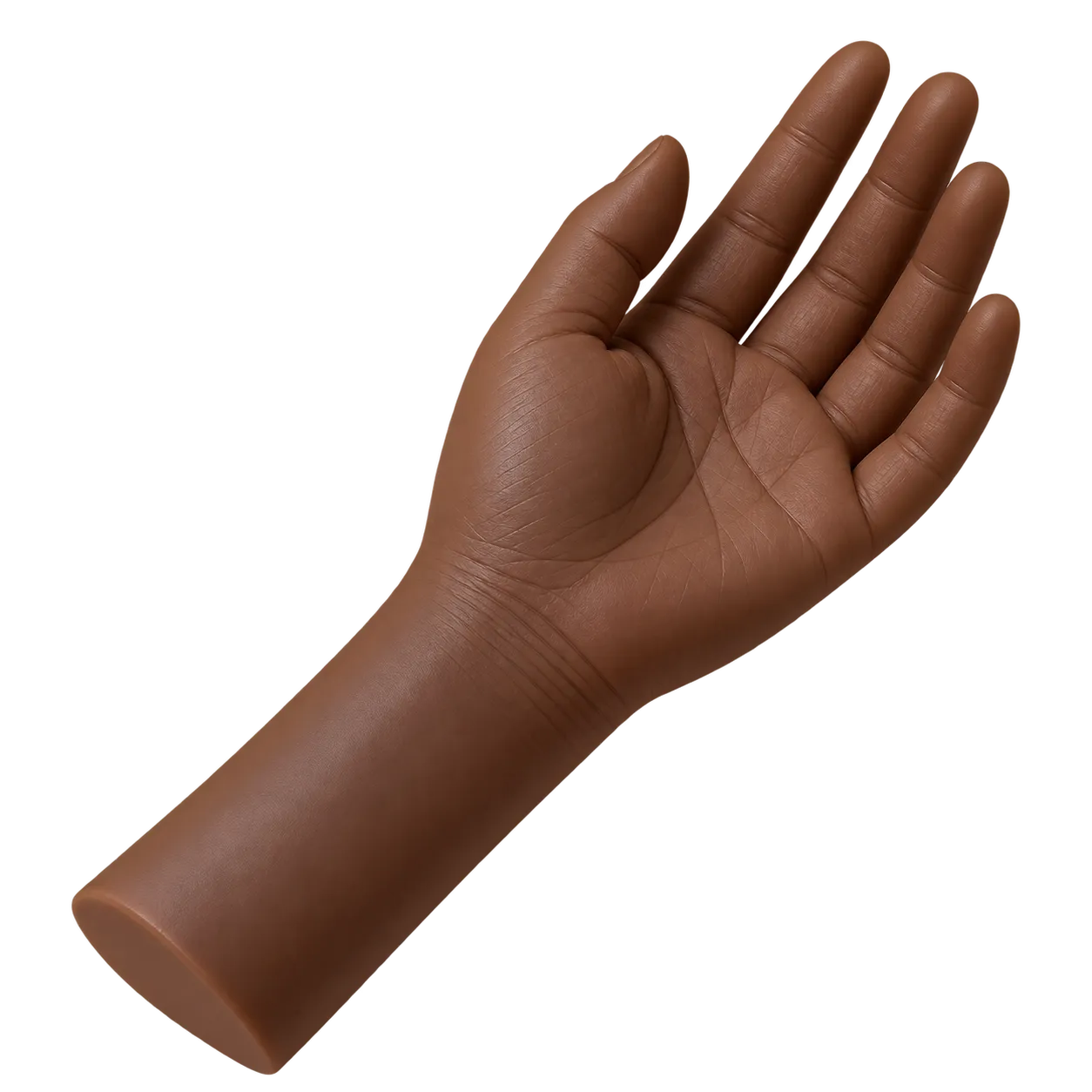
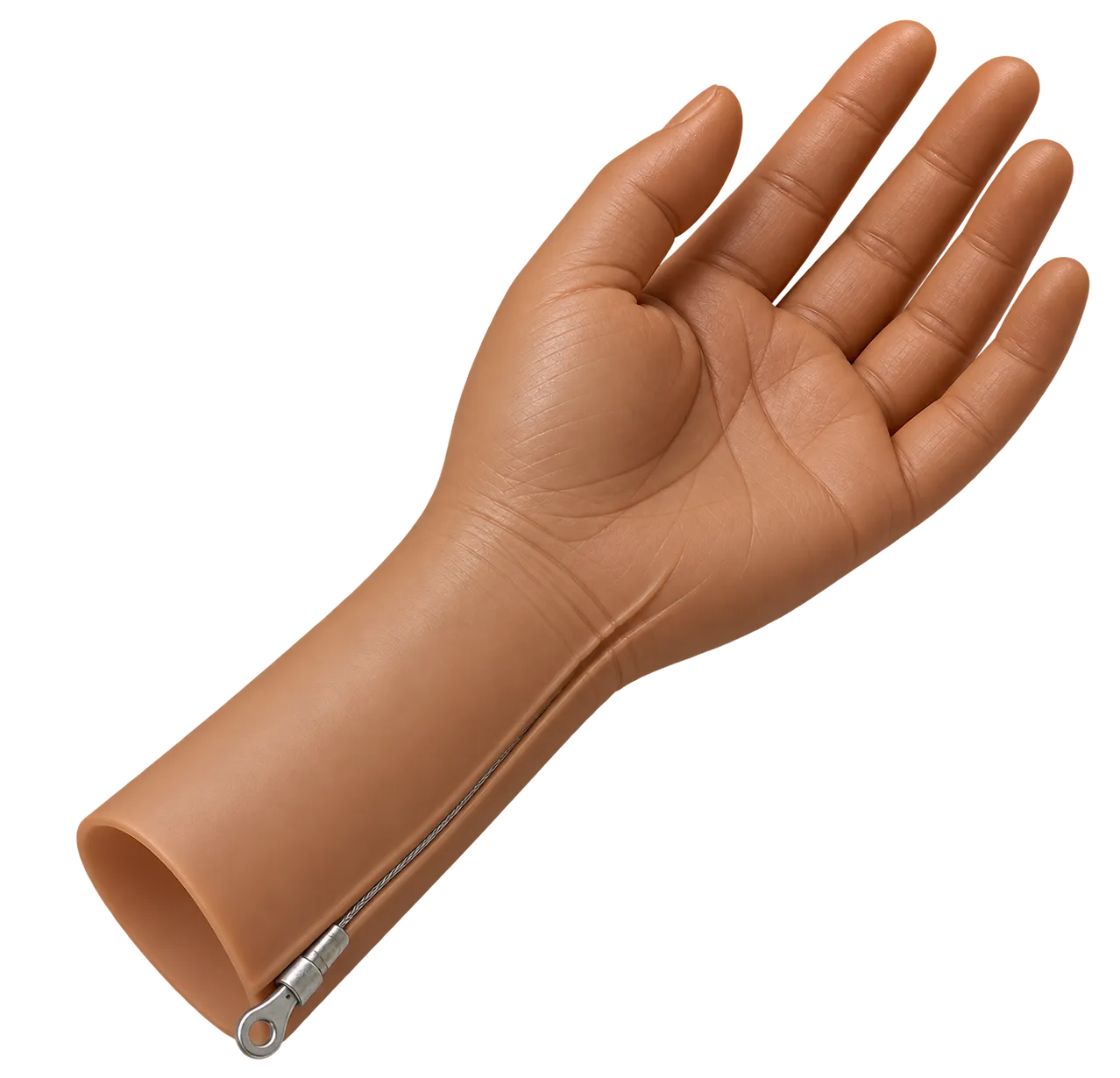
Prosthetic and orthotic clinics fitting upper-limb wearers with a prosthetic hand are where the FCGZL-W/WO is used, and its place in their work is the fitting consultation. That appointment already gathers what the glove depends on: the prosthetist, the wearer and the hand the glove will cover. Folding the glove decision into the same sitting means the version and the size are settled by the people who know the wearer's routine, at the moment the hand itself is on the table.
The zip question is answered from the wearer's side. Someone who wants a glove that opens with a zip is recorded as W. Someone who wants a glove with an unbroken surface is recorded as WO. The prosthetist then sets the size from L, M and S against the hand being fitted, and the consultation closes with one complete description of the glove.
Clinics running several fitting rooms gain from that pattern. Every consultation ends in the same three entries, the item number FCGZL-W/WO, the version letter and the size letter, so the person preparing the prosthesis reads the notes and knows exactly which glove belongs to it. Repeat fittings follow the same path: when a wearer returns, the earlier entries show the previous choice, and the conversation turns quickly to whether that preference still stands.
Rehabilitation centres and hospital limb services that fit wearers across a range of hand sizes can work with the one code across their caseload. The length is long in every combination and the material is silicone throughout. The only variables a team has to manage are the two that the consultation decides, which keeps the glove side of a fitting short and predictable for staff and wearers alike.