

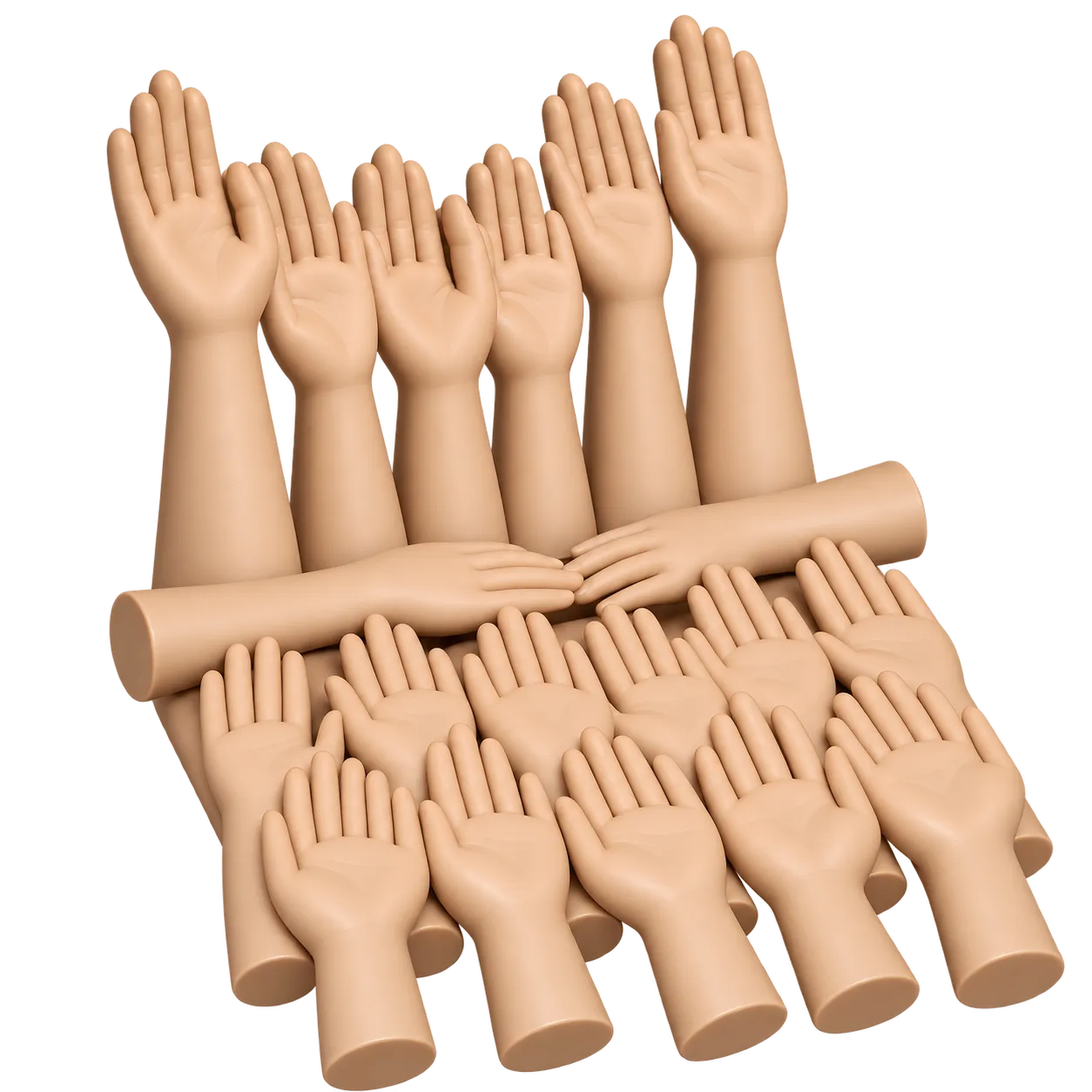
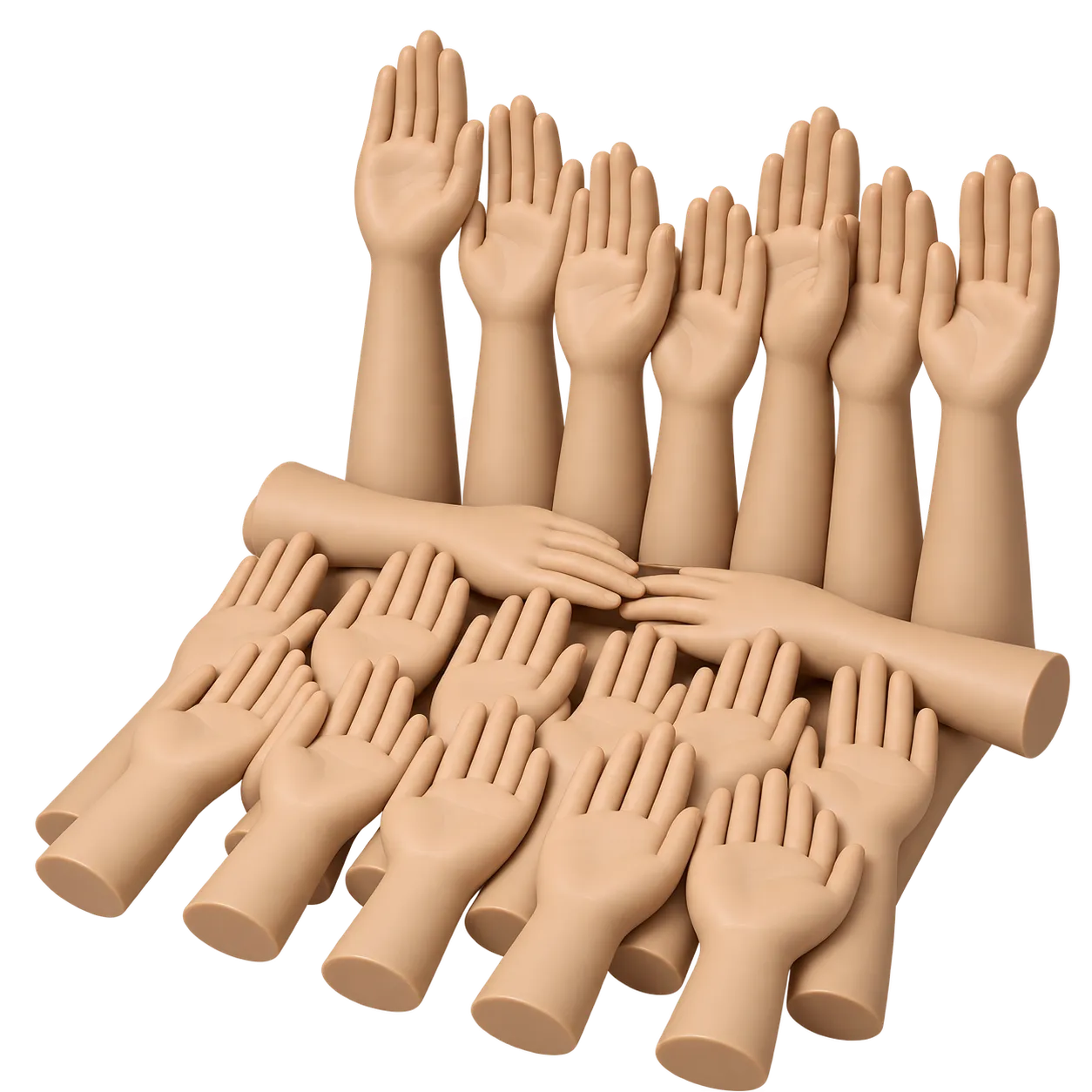
Prosthetic and orthotic clinics that fit upper-limb wearers of many builds are the natural setting for the FCGS. Their caseload rarely sits at one hand size: an adult with a broad hand, a slighter adult and an adolescent may all arrive in the same week. Three standard sizes let one glove serve that spread, with L for the larger prosthetic hand, M for the middle of the range and S for the petite one.
Fitting appointments benefit directly. A prosthetist matching a cosmetic glove to a newly fitted hand chooses from sizes already on the shelf, and the wearer goes home with the glove on. Since the FCGS is ready to wear, the cosmetic finish of the prosthesis can be completed in the same visit as the hand fitting itself.
Rehabilitation teams working with new upper-limb users see a practical side to this. A wearer learning to use a prosthetic hand in daily tasks can do so with the cosmetic glove already in place, so practice takes place with the hand as it will look outside the clinic. For people who place weight on a natural appearance when out in public, at work or with family, the short silicone covering supports that from the first weeks.
Repeat supply follows the same pattern. Clinics keeping records of each wearer's size and version can reorder the FCGS by item number when a replacement is due, and the new glove arrives in the same cut and material as the one before. Services that hold small numbers of each size in both versions, with filed and without filed, can meet most wearers from stock and keep a wide population fitted from a single range.