
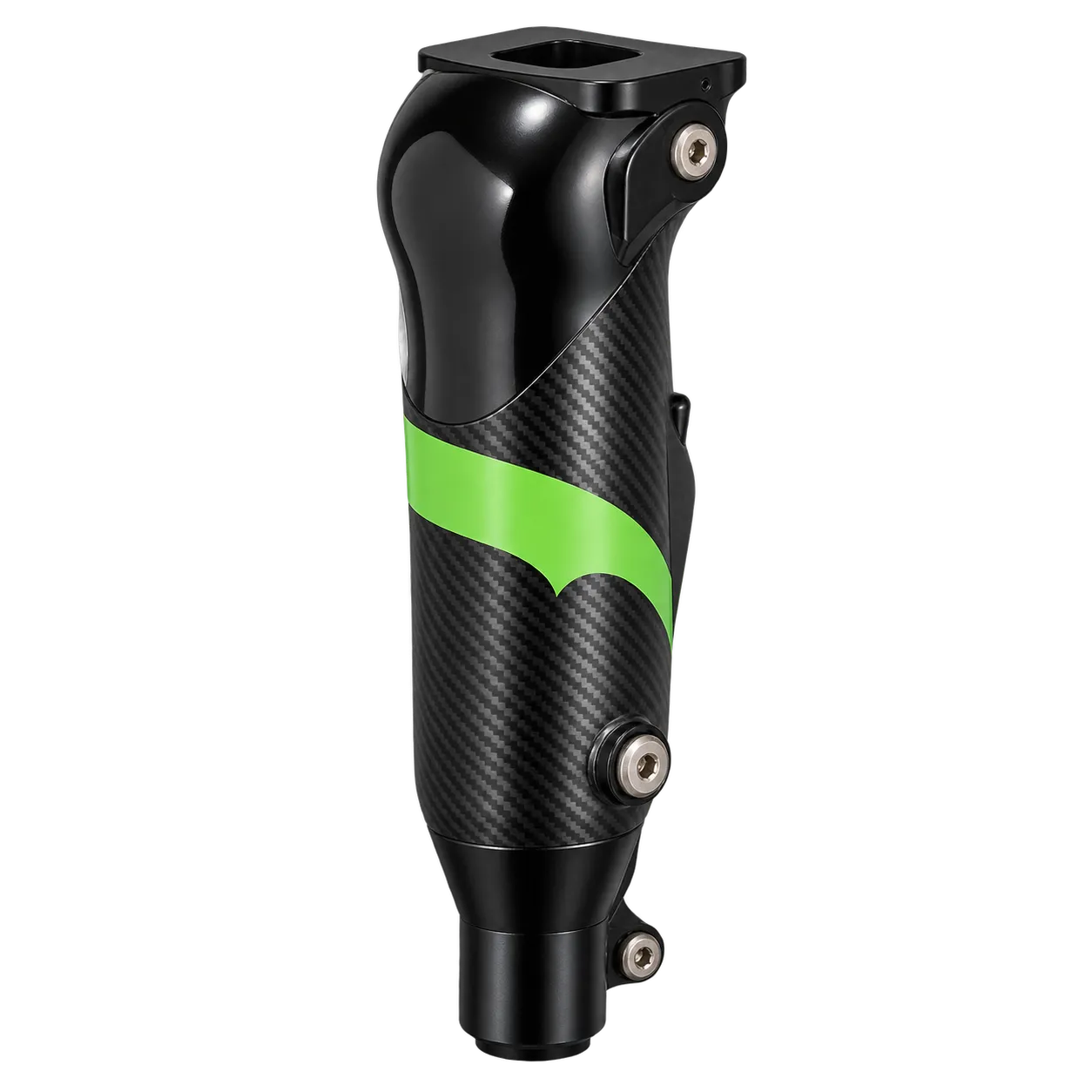
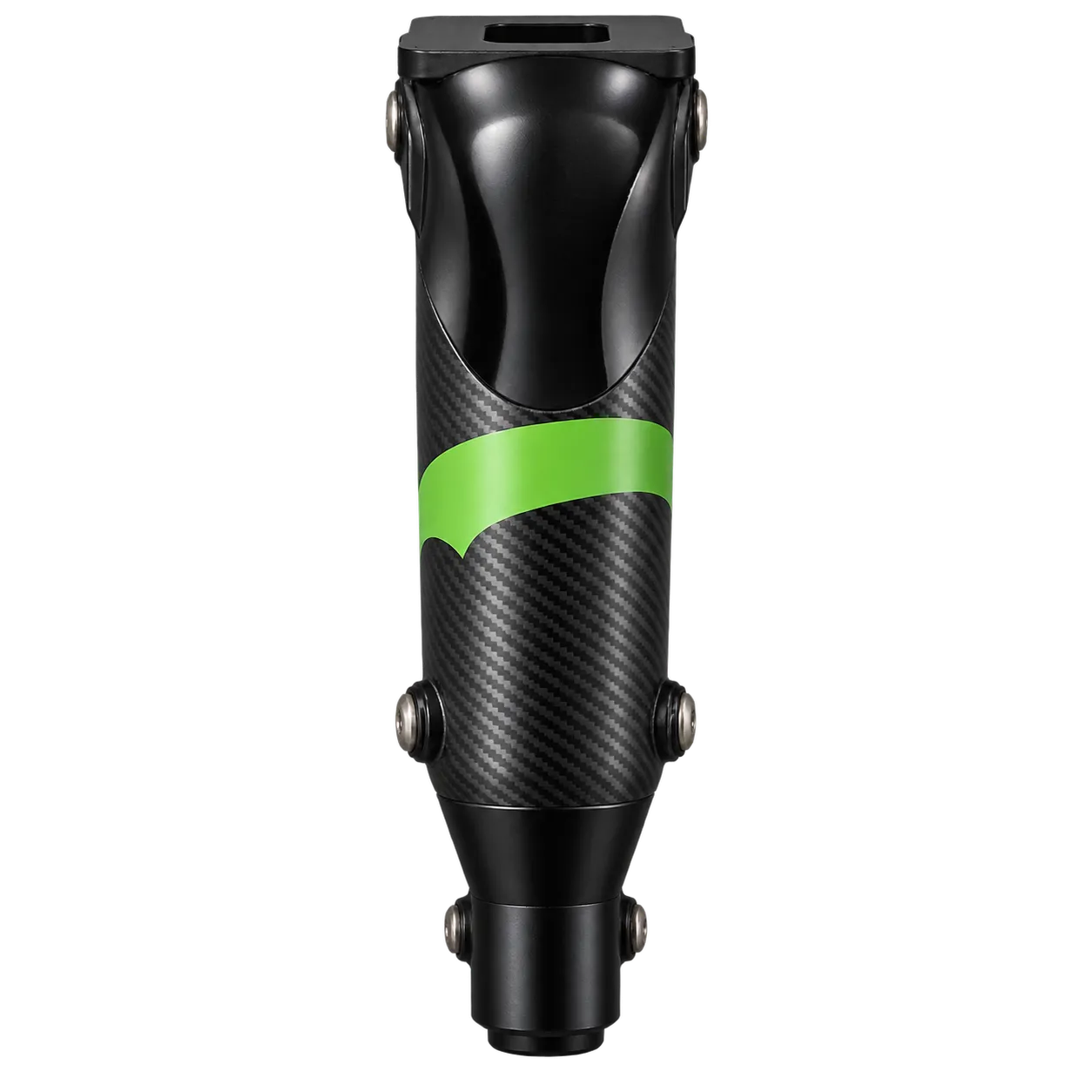
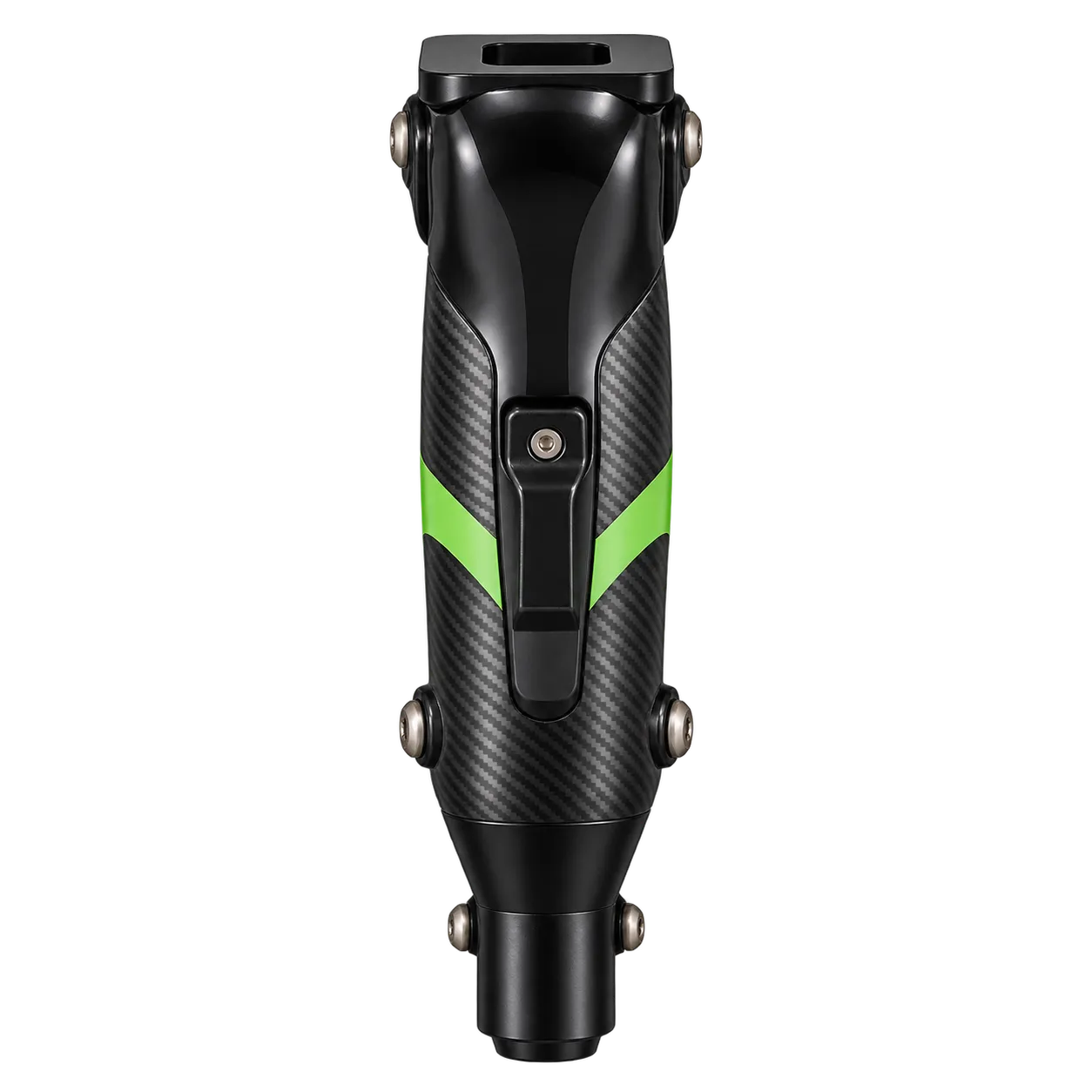
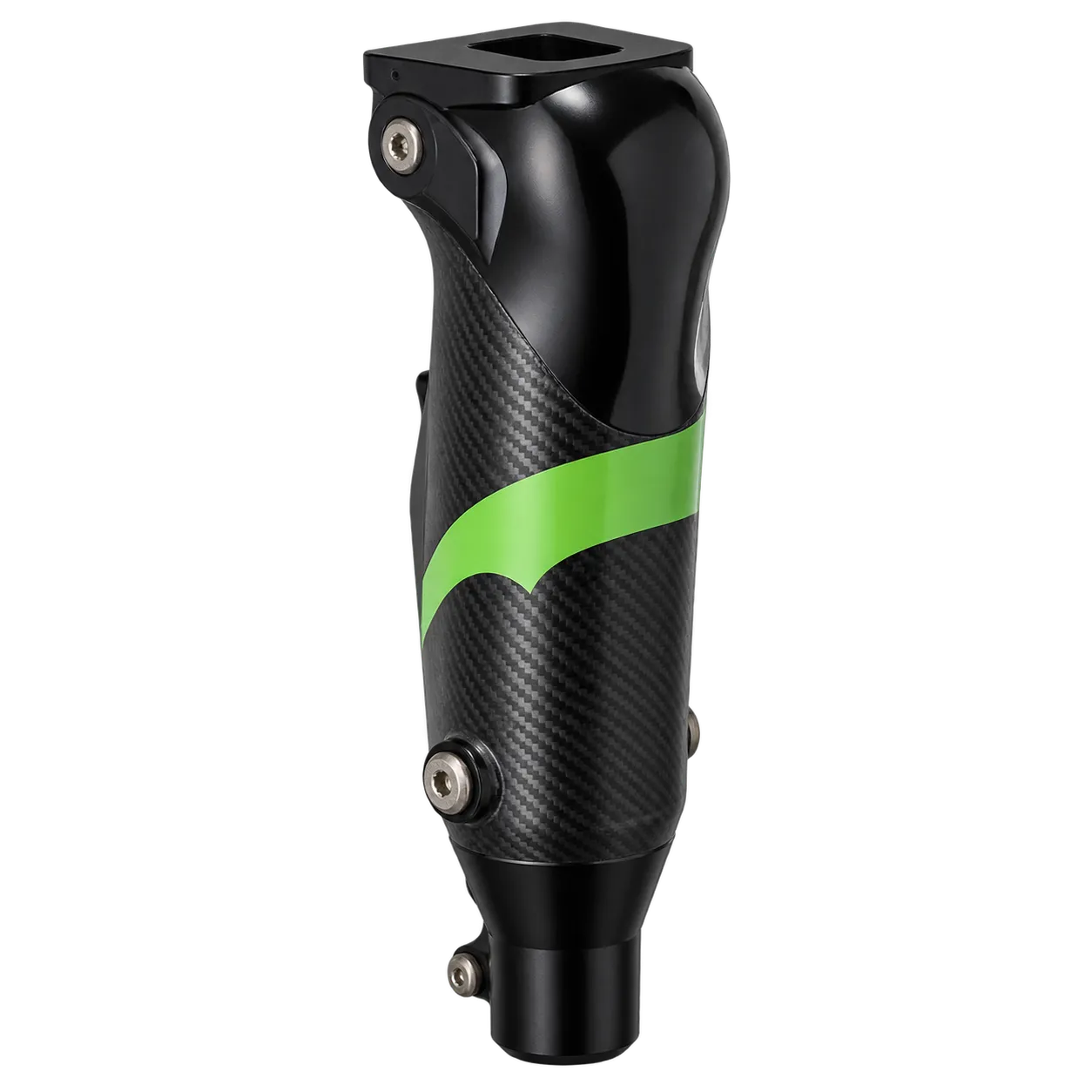
The FBL-MH30 is a candidate for transfemoral limbs where appearance and a narrow outline matter to the wearer, and where the service is willing to settle five points on paper first. That order of work is the clinical argument for it. A knee chosen from a photograph and three figures is a guess. The same knee chosen after written replies on mass, build height, linkage, stance behaviour and the name line is a prescription with a file behind it.
One figure can be weighed against research now. Rowe and colleagues (Gait & Posture, 2000) measured 20 older adults with healthy knees, mean age 67, across everyday tasks. Walking and slopes stayed under 90° of flexion, stairs and chairs used 90–120°, and a bath needed about 135°. The authors proposed 110° as a suitable rehabilitation target. Set beside those numbers, the printed 125° covers chairs, cars and stairs, and leaves floor-level sitting and deep kneeling outside the range. The subjects had intact limbs, so the study sets out what tasks demand and draws no conclusion about any prosthetic knee.
Each reply steers a different decision. Mass decides whether an older or weaker wearer can swing the limb all day. Build height decides whether the unit fits a long residual limb with the foot chosen. Linkage and stance behaviour decide how the prosthetist aligns the socket and what the physiotherapist teaches on stairs. Until then, a trial fitting between rails is the sensible limit.
Private prosthetic clinics, limb-fitting centres and export programmes that finish limbs cosmetically are the likely settings. In England, NHS trusts reach this knee through the mandated prosthetics framework, while public buyers in other countries apply their own rules. The conformity documentation those procurement routes require is issued by the manufacturer and shared by the enquiry team.