
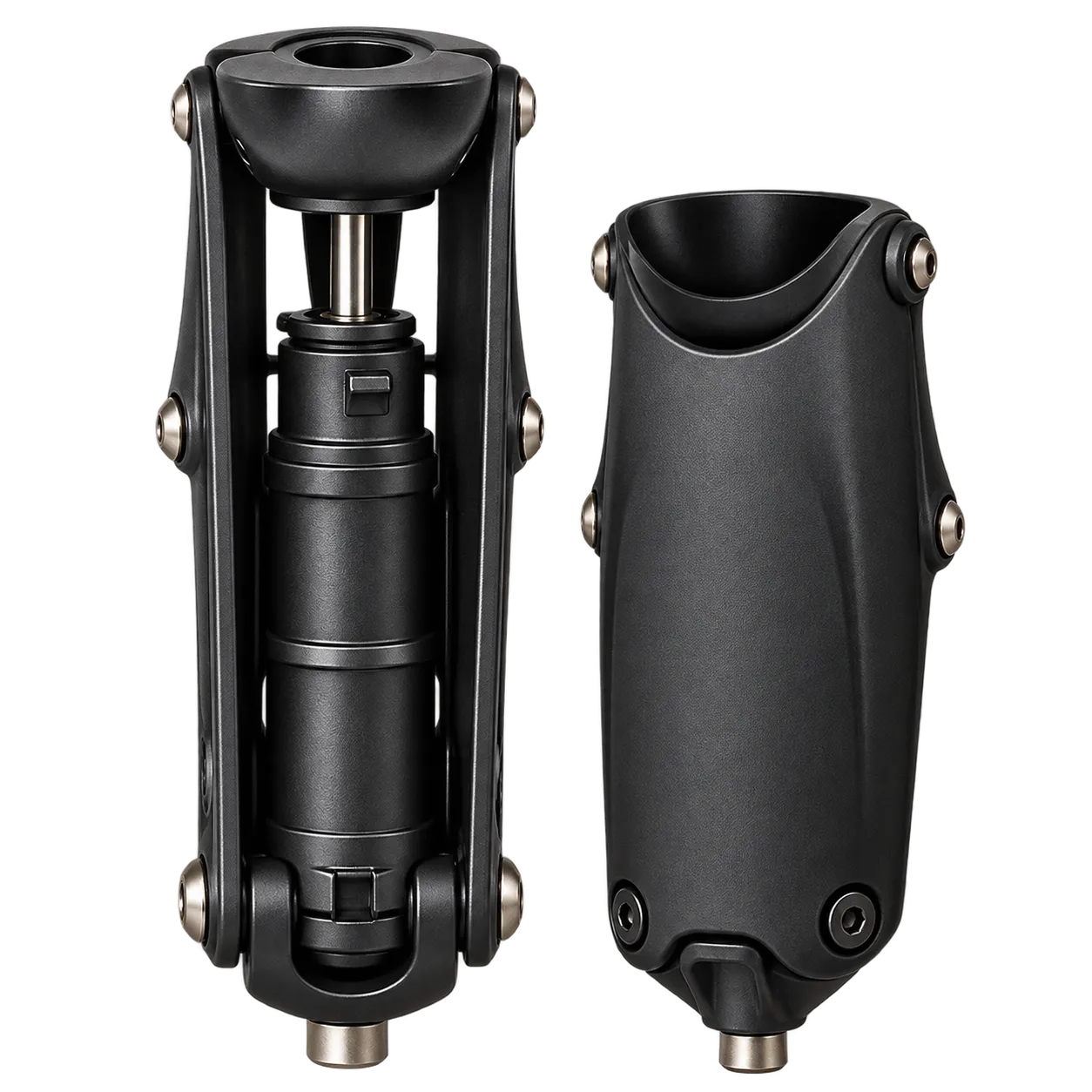
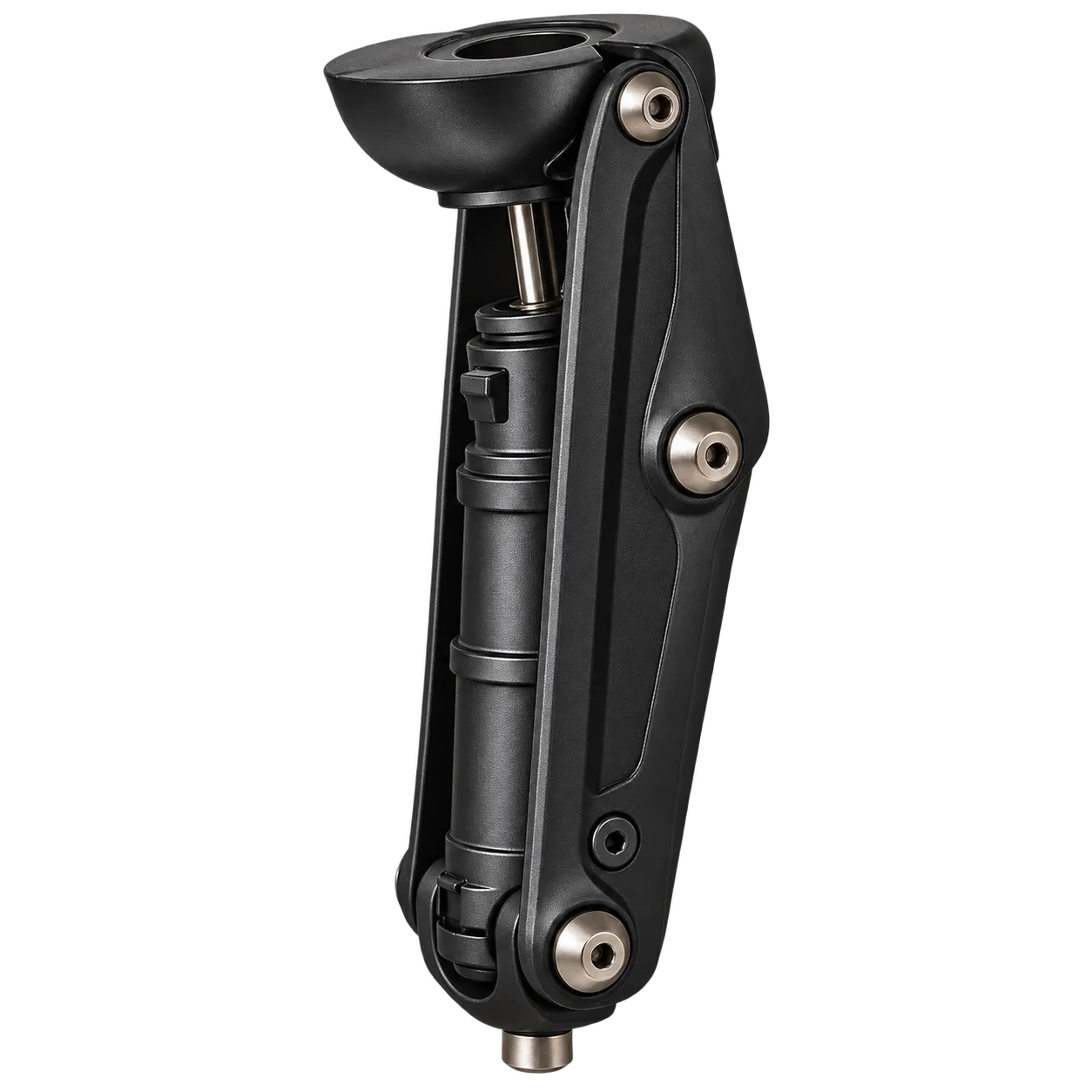
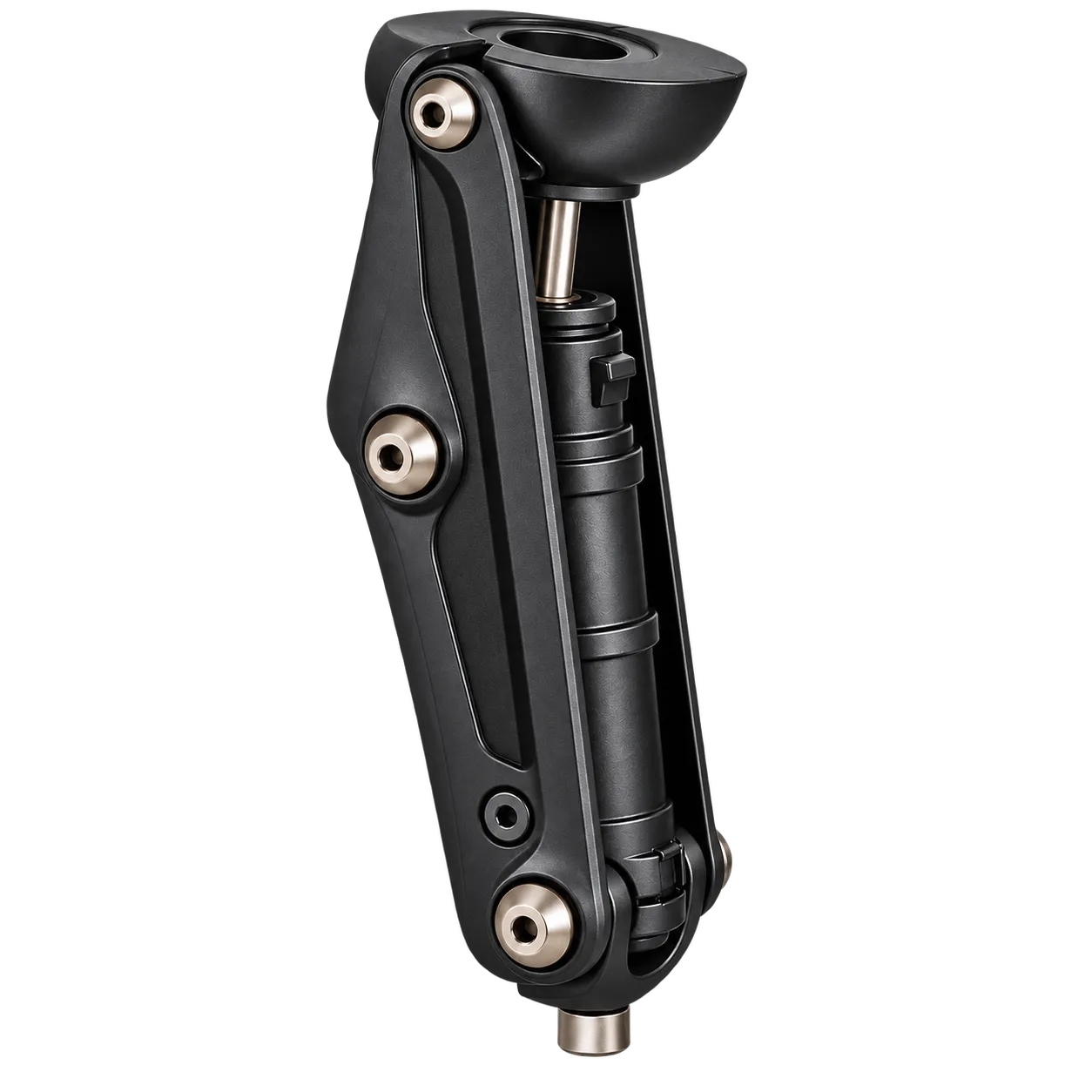
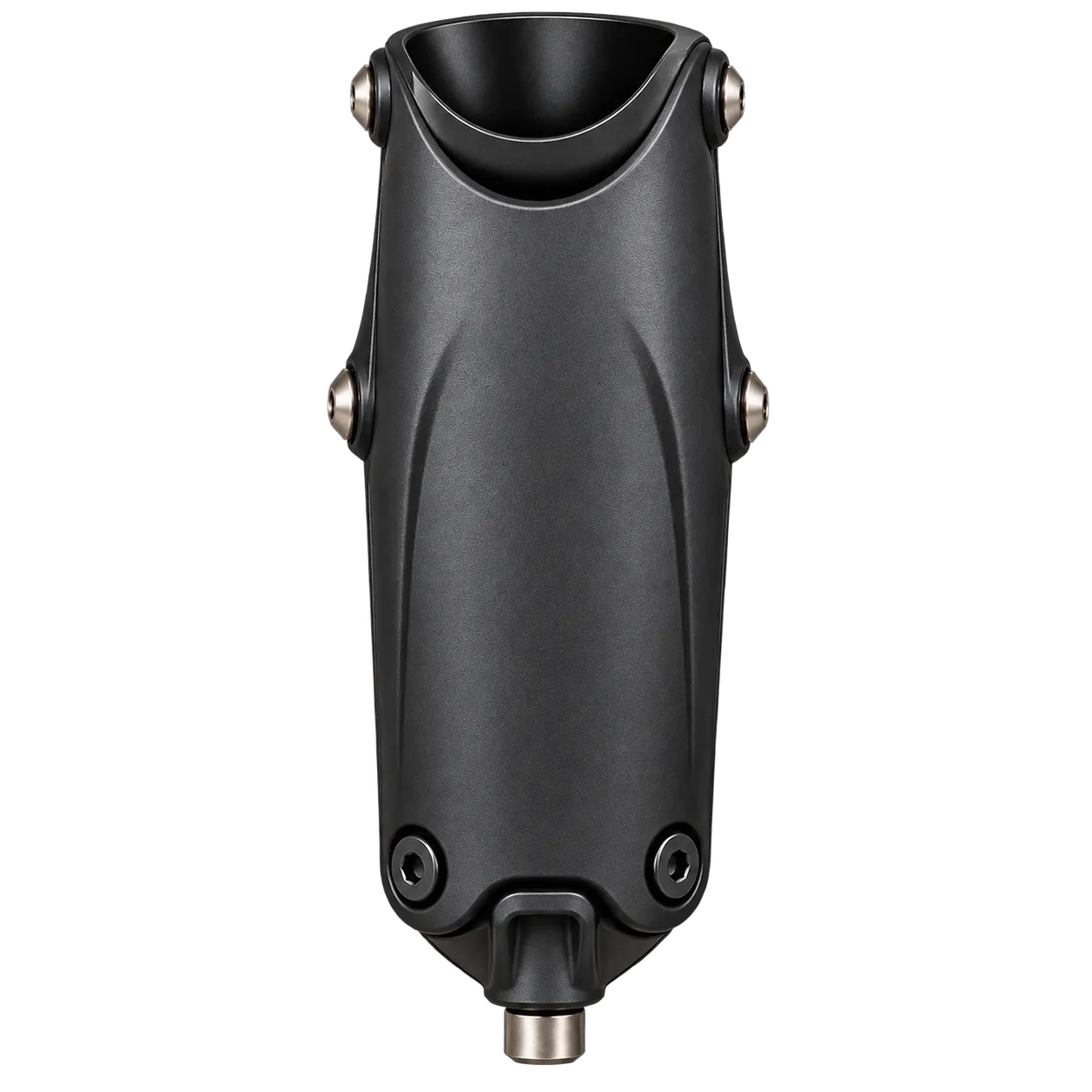
The FBL-KX06V2 belongs on transfemoral and knee-disarticulation limbs for wearers whose daily routine takes them down to the floor. Prayer on a mat, meals and picnics taken sitting on a rug, afternoons on the carpet with grandchildren and a working day spent tiling all ask the knee to fold far past chair height. A 160° joint keeps that option open at the mechanism, and the prosthetist's job is to protect as much of it as the socket and cover allow.
Research on intact knees shows the scale of the demand. Hemmerich and colleagues measured 30 healthy adults, mean age 48, and found that squatting with the heels raised took the knee to a mean of 157°. Rowe and colleagues recorded 90–120° for stairs and chairs and about 135° for bathing in 20 older adults. Floor postures sit at the top of a knee's range. Neither study involved a prosthesis, so the figures show the target and draw no conclusion about this joint.
Reaching that target is a rehabilitation task as much as a component choice. Getting down safely and standing back up rely on the sound leg, the arms and a taught sequence, often beginning beside a chair or rail. The rear trim of the socket may be lowered where suspension allows, and tissue bulk will still stop the fold early for some wearers. Recording the real angle at the trial fitting sets honest expectations before the first attempt at home.
Prosthetic clinics, rehabilitation centres and export programmes serving communities where floor sitting is part of daily life are natural settings. NHS trusts reach prosthetic knees through the mandated national framework, while public buyers in other countries apply their own tender rules. The conformity documentation those procurement routes require is issued by the manufacturer and shared by the enquiry team.