
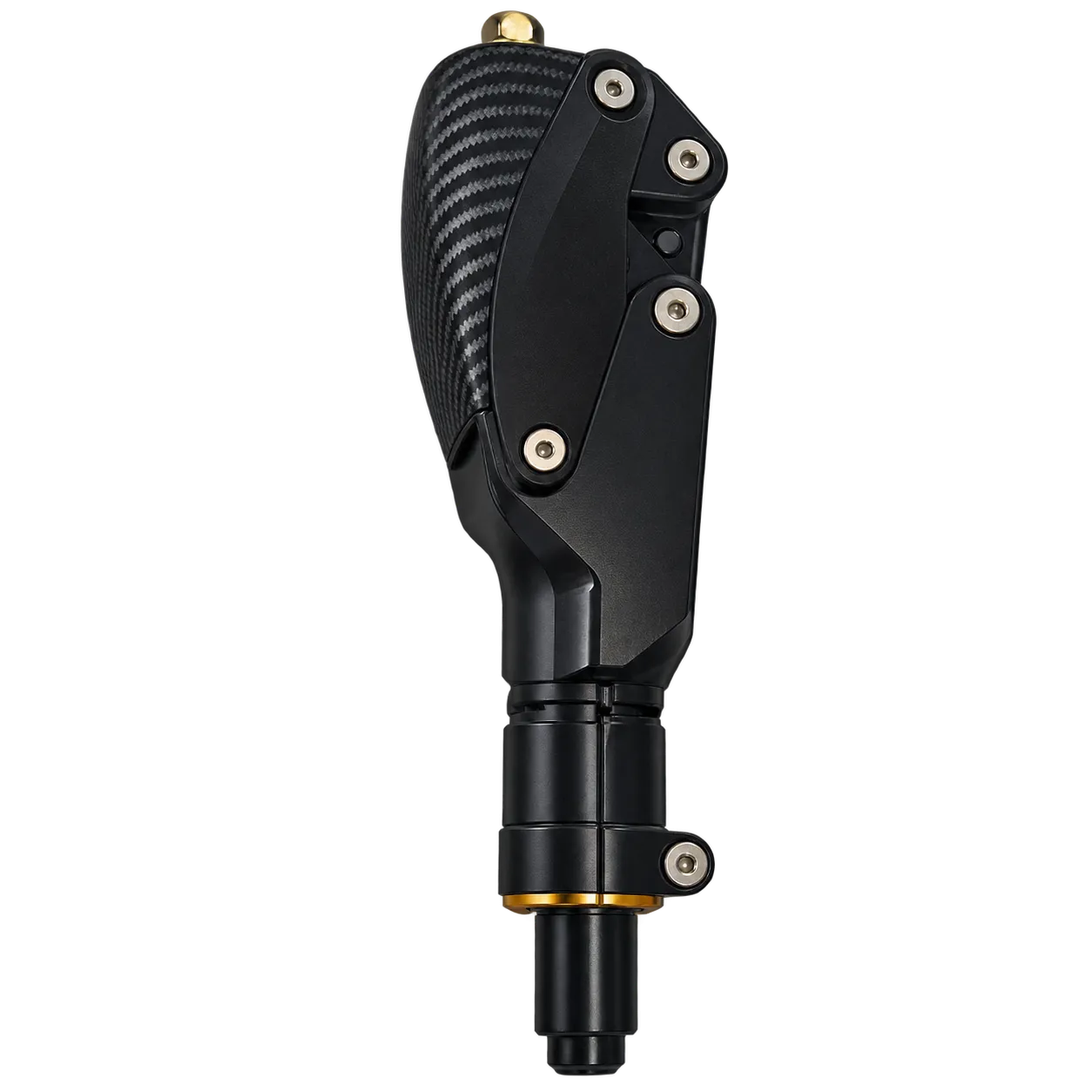
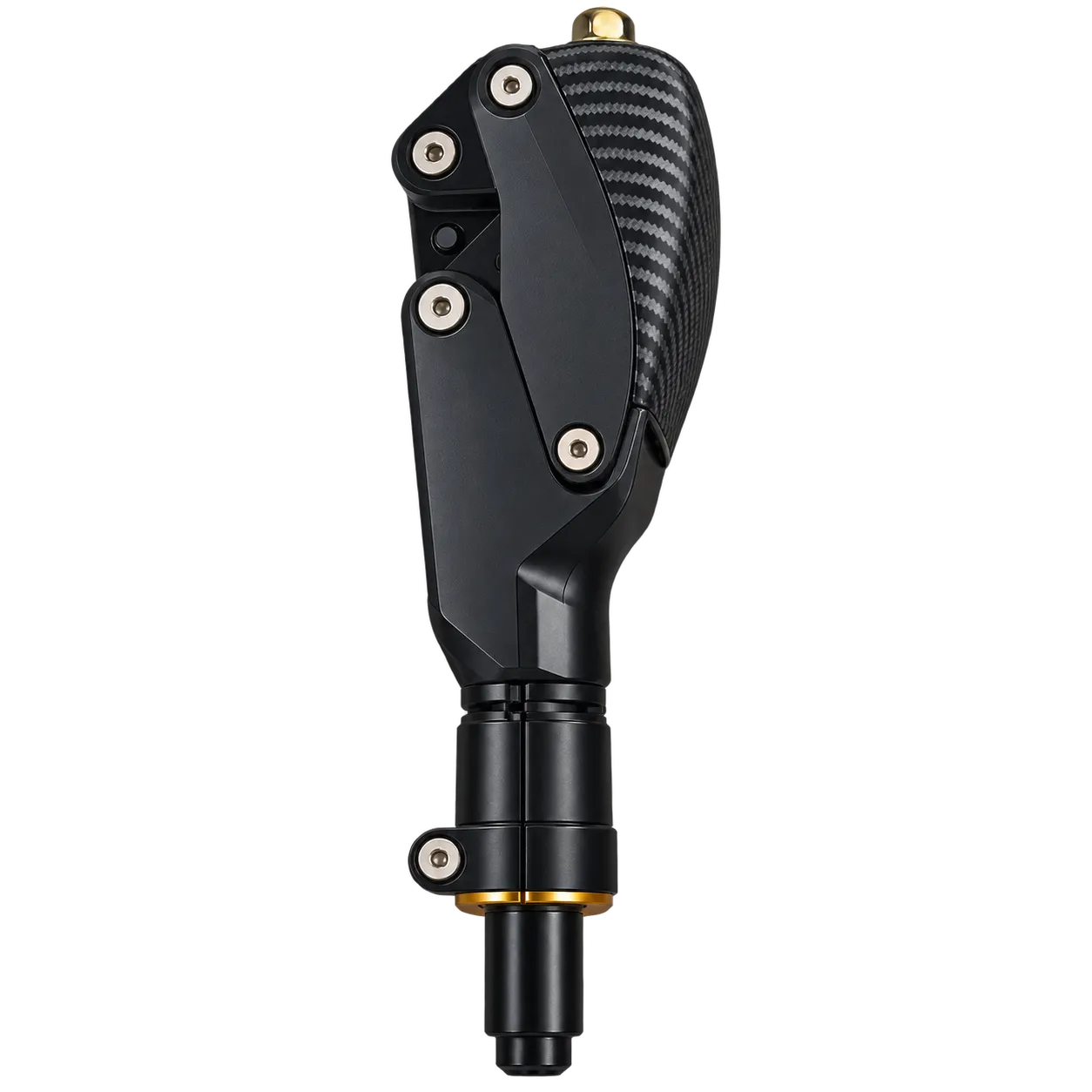
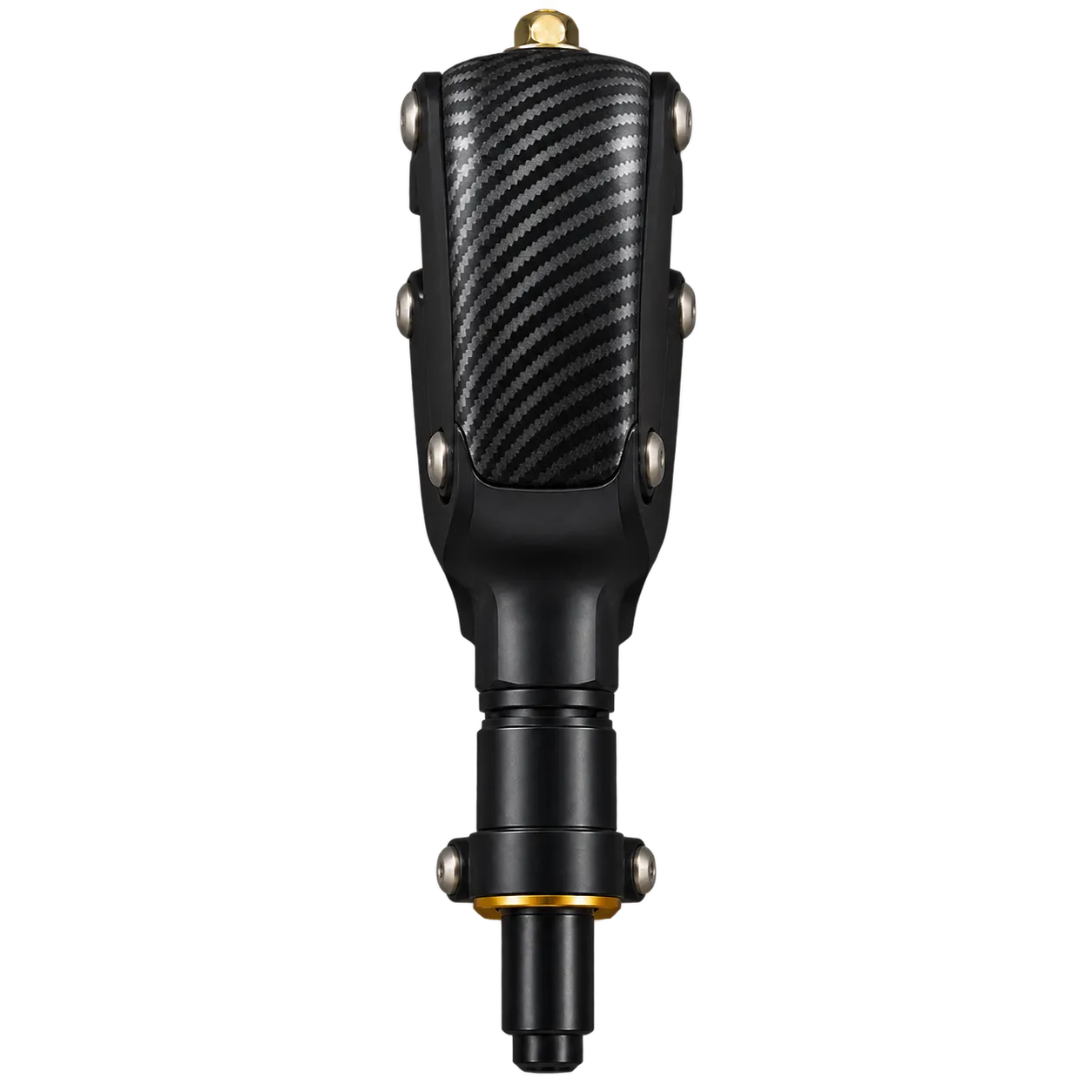
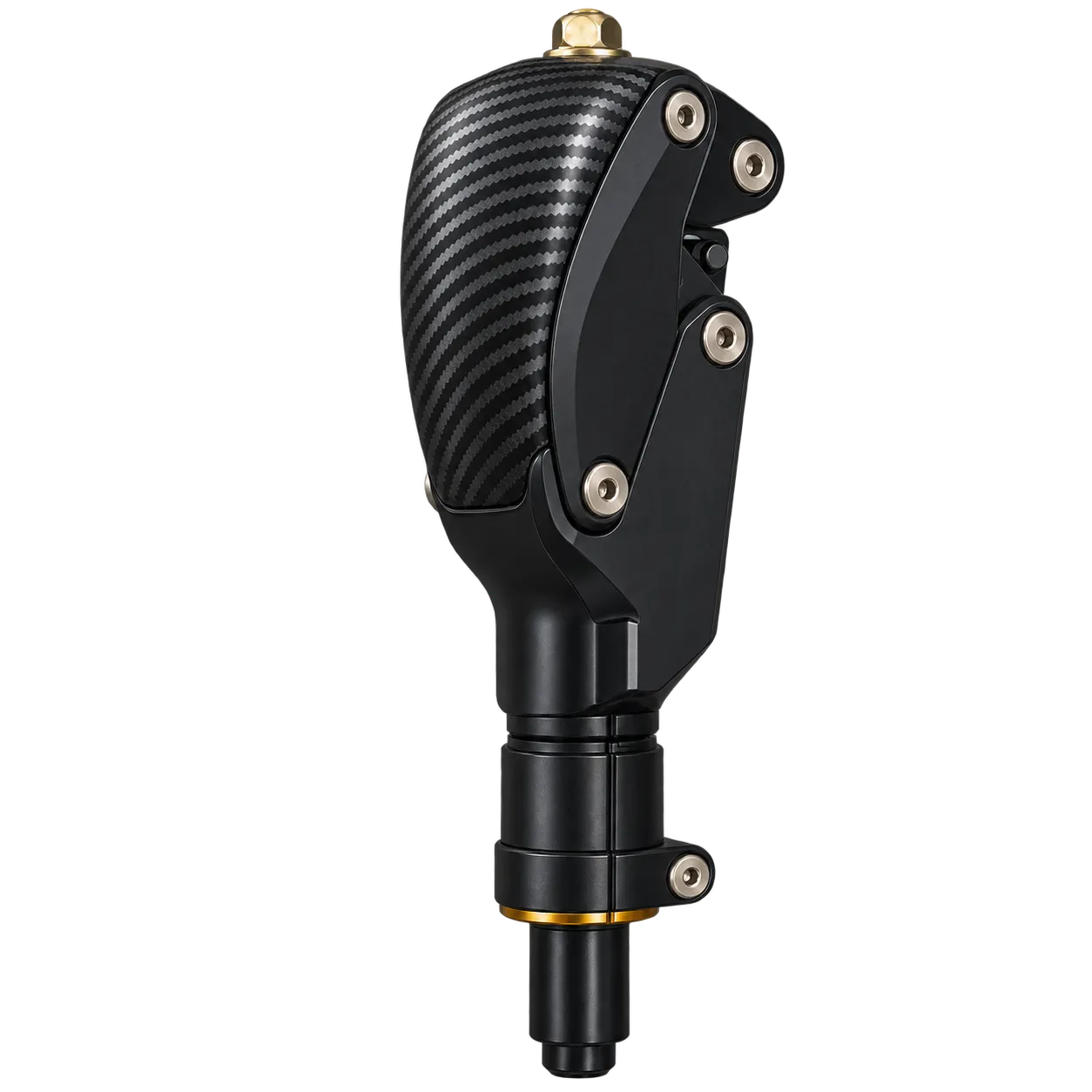
The FBK-86G belongs in limbs for active transfemoral and knee-disarticulation users who vary their walking speed and want a deep bend. Its sheet describes a mechanism in three layers, and each layer has a clinical effect and a duty attached.
The first layer is the structure. Carbon fibre, titanium and 7075 aluminium are the premium materials named, and a composite body offers bending and torsional rigidity at low mass. Rigidity matters here because a multi-link joint depends on its pivots staying where they were designed to be. Inspection is the duty that comes with it. Laboratory work on carbon laminates (James and Giurgiutiu, 2020) recorded a one-inch damage zone under a surface dent of about 54 µm, with delamination found only by X-ray imaging. That finding comes from test coupons and draws no conclusion about any knee, but it explains the rule: check the body after every fall or impact, and withdraw it if a crack, a soft spot or a new noise appears.
The second layer is the linkage, which sets stance stability by geometry. Alignment places body weight so that it holds the straight knee in extension, and the parallel bars prove it. Third comes the hydraulic cylinder, which paces the swing across cadences once its resistance is adjusted to the user.
Workshops add one more discipline. Covers and fittings are attached only at the points the instructions for use allow, with no extra holes and no clamps on the composite walls.
Typical settings are limb-fitting centres, private clinics, rehabilitation units and export fitting programmes. NHS procurement routes use the mandated NHS Supply Chain framework, and equivalent public procurement elsewhere asks the same. The conformity documentation those procurement routes require is issued by the manufacturer and shared by the enquiry team.