
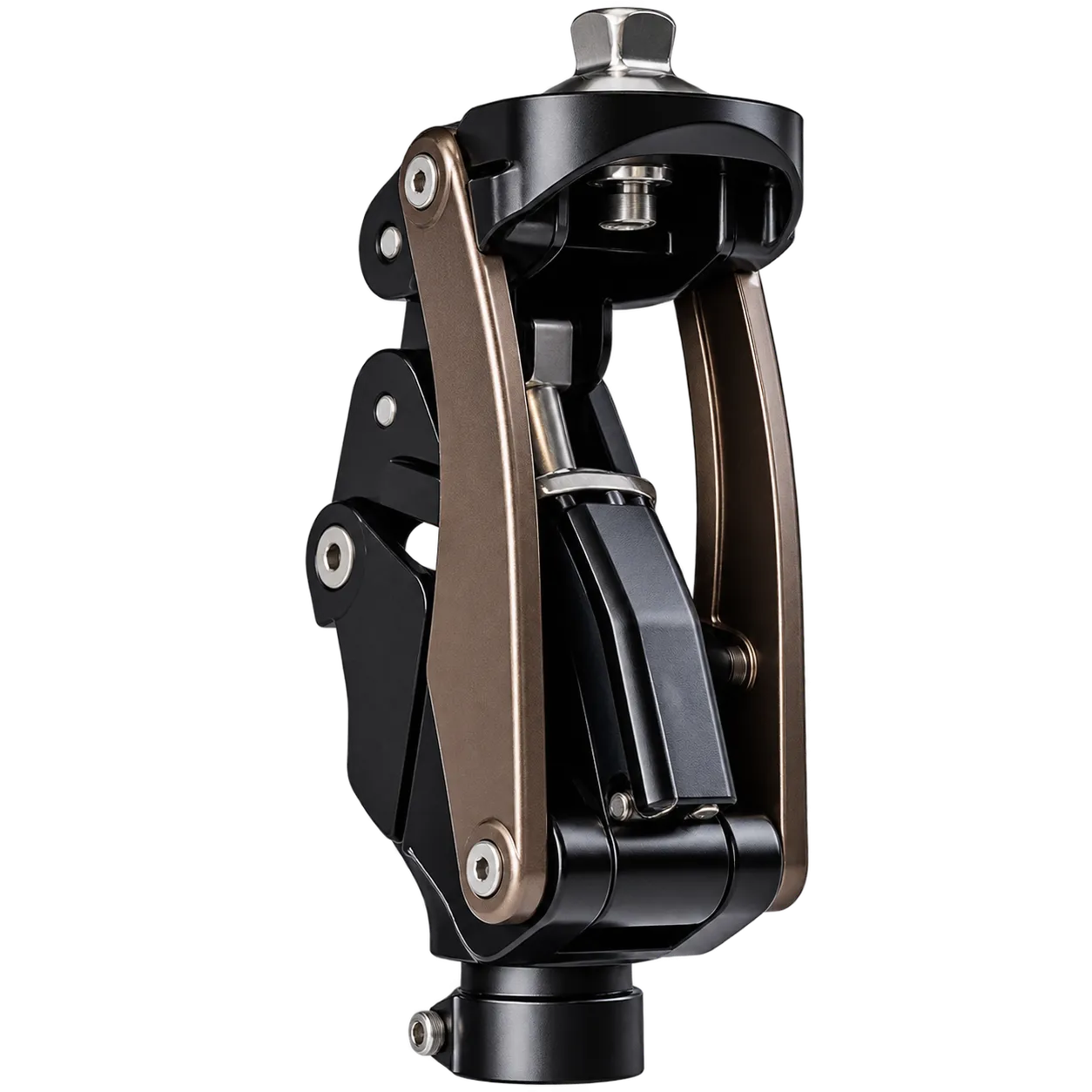
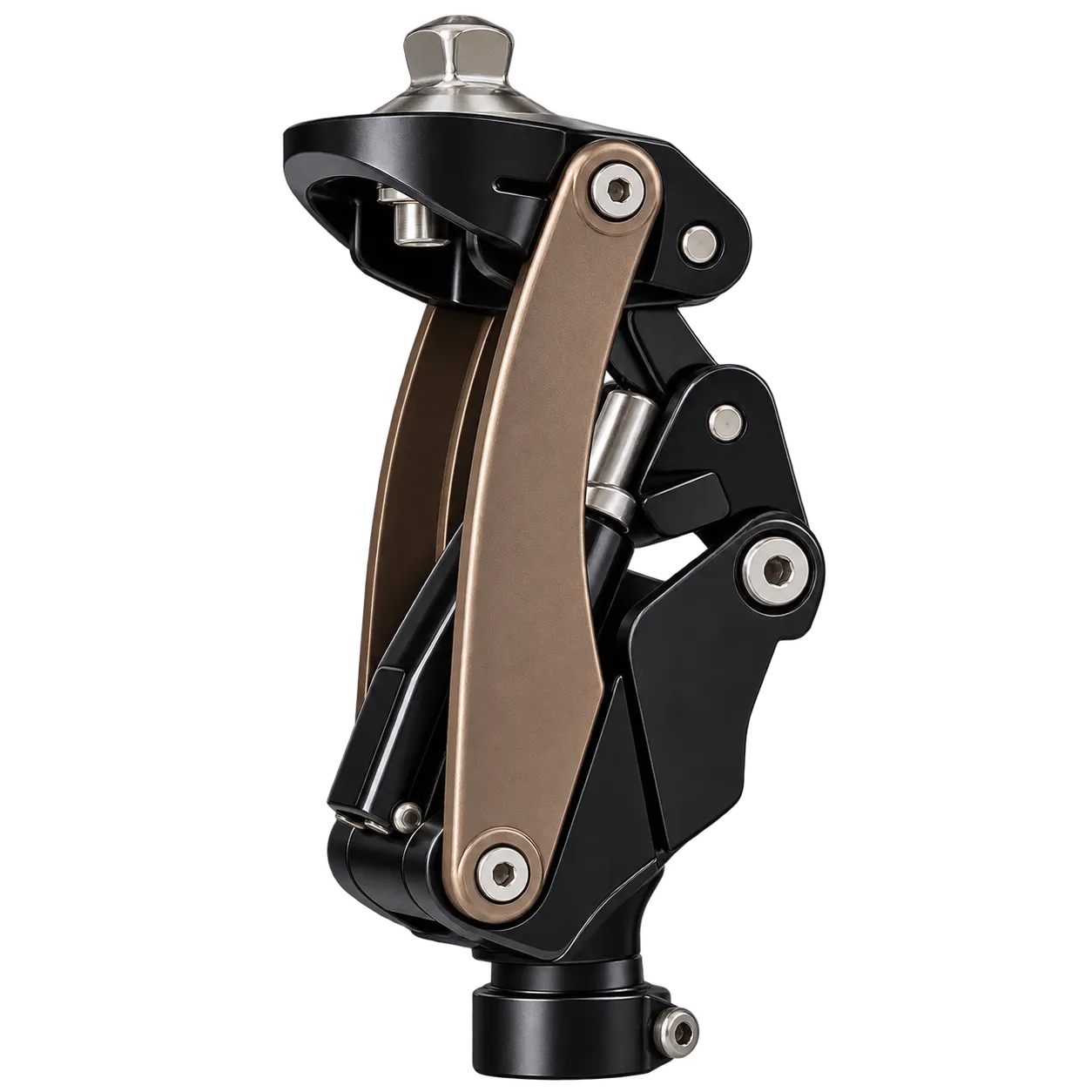
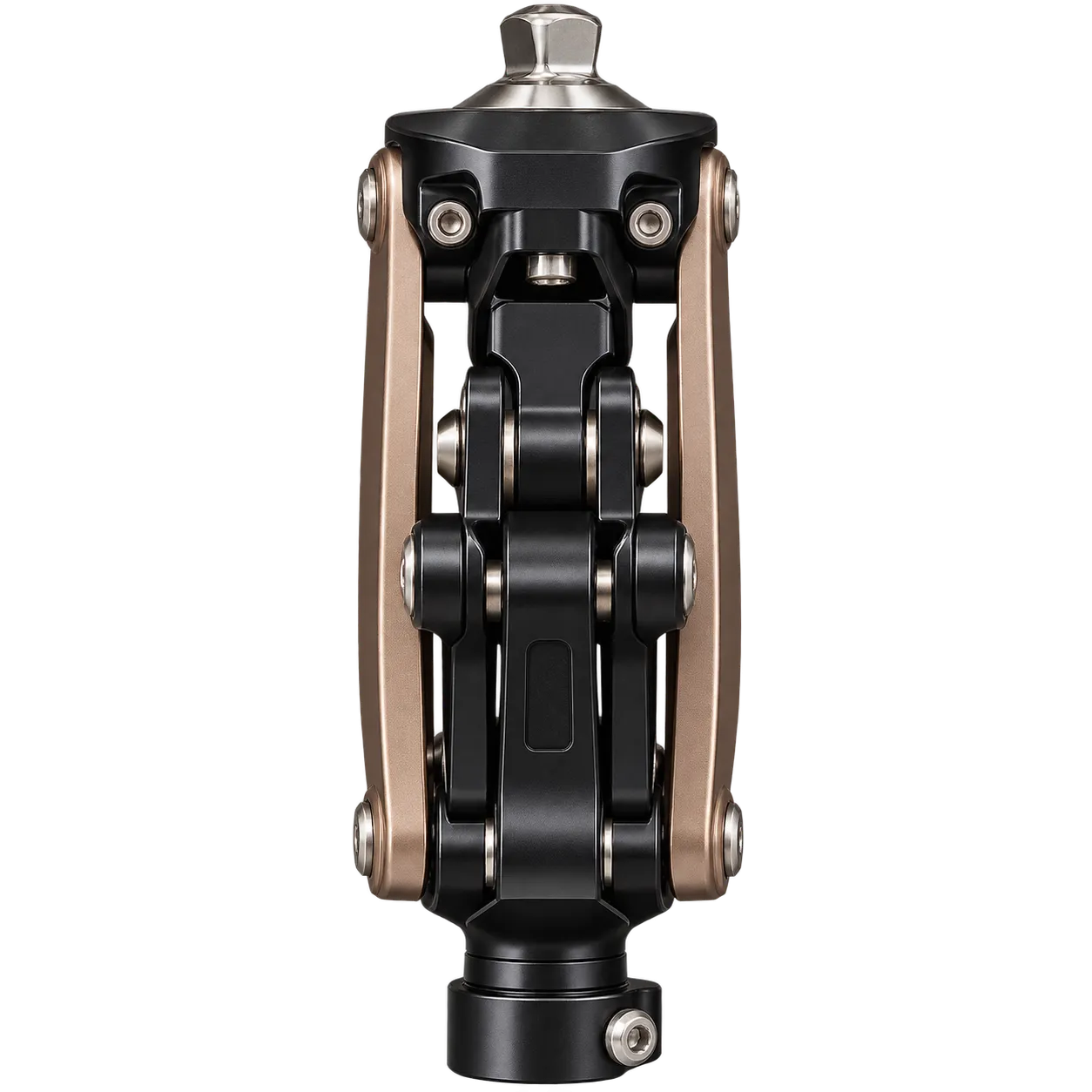
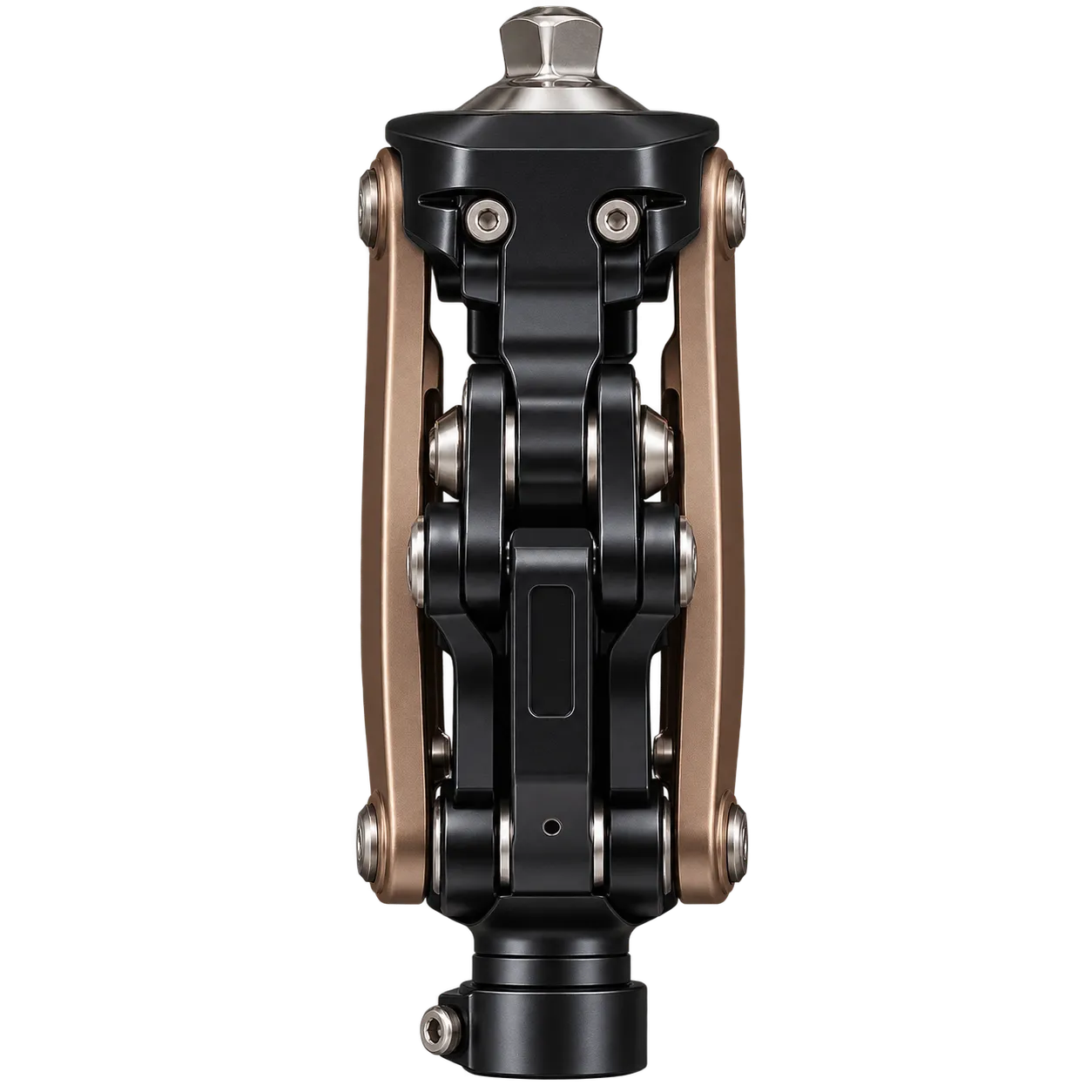
The FBK-65G is a knee for people whose main risk is the joint folding under them. That group includes new transfemoral and knee-disarticulation users still learning to trust a prosthesis, older walkers with weak hip extensors, and anyone whose home has uneven floors, thresholds and short steps.
The scale of the problem is documented. Miller, Speechley and Deathe (2001) surveyed 435 community-living people with lower extremity amputation, and 52.4% had fallen in the previous year. Above-knee amputation carried an odds ratio of 2.78 for falling. The survey did not compare knee designs, so it supports taking falls seriously and does not support any claim for this joint.
Self-locking moves risk; it does not delete it. Buckling under load is the failure it removes. In exchange, the user must unload the limb to bend it, recovery from a stagger depends on getting weight onto the prosthetic side, release may be awkward on a downslope, and the locking surfaces wear with use. A written risk assessment therefore names each of those four points and the control for it.
Training is the first control. The user practises the weight shift for sitting, the step-to pattern on stairs, a deliberate stagger caught in the parallel bars and a walk down a ramp. Carers learn the same routine. Review checks are the second control, with the lock tested under load at every visit.
Limb-fitting centres, private prosthetic workshops, rehabilitation wards and export fitting programmes are the usual settings. NHS trusts in England buy prosthetic knees through the mandated NHS Supply Chain framework, and equivalent public procurement elsewhere follows its own approved route. The conformity documentation those procurement routes require is issued by the manufacturer and shared by the enquiry team.