
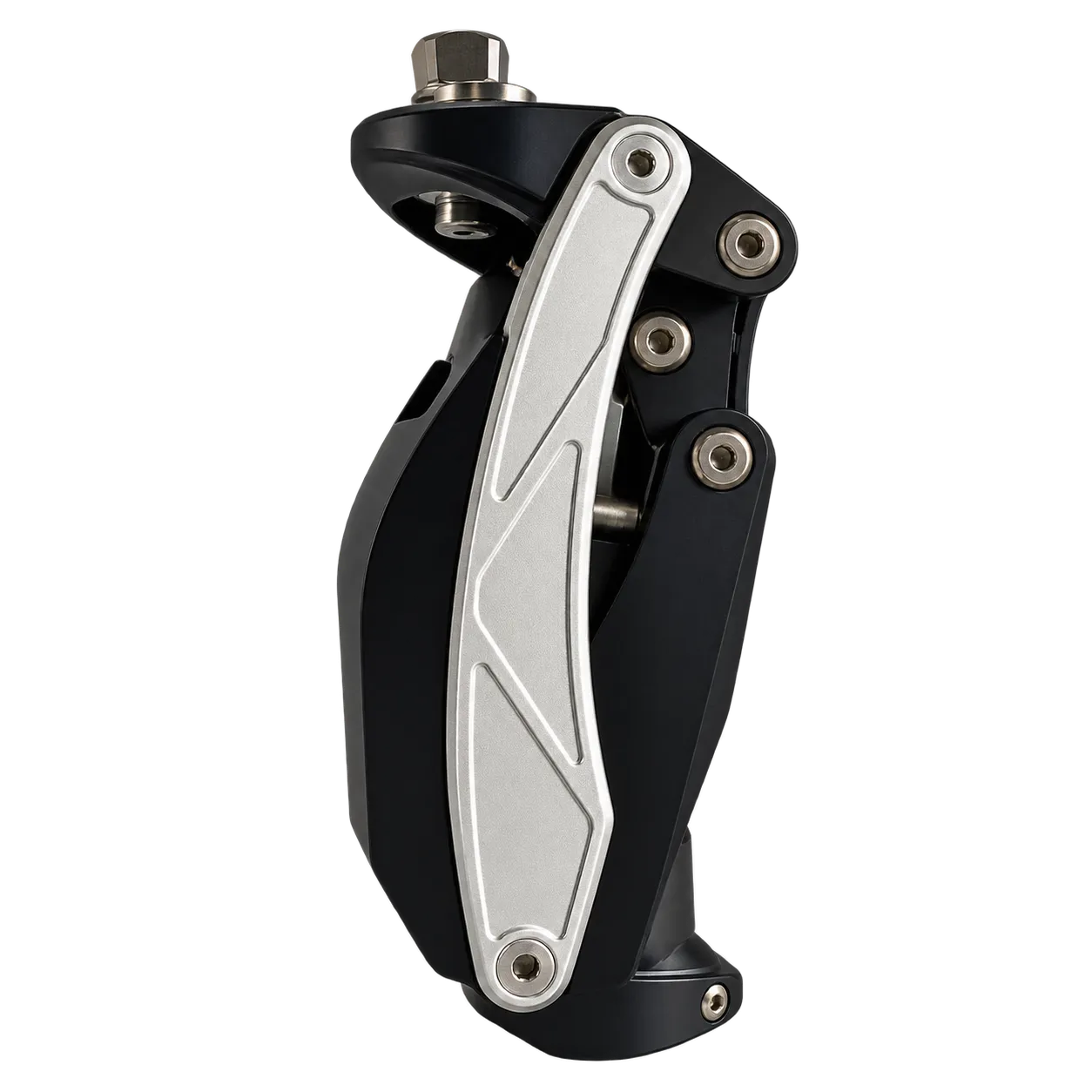
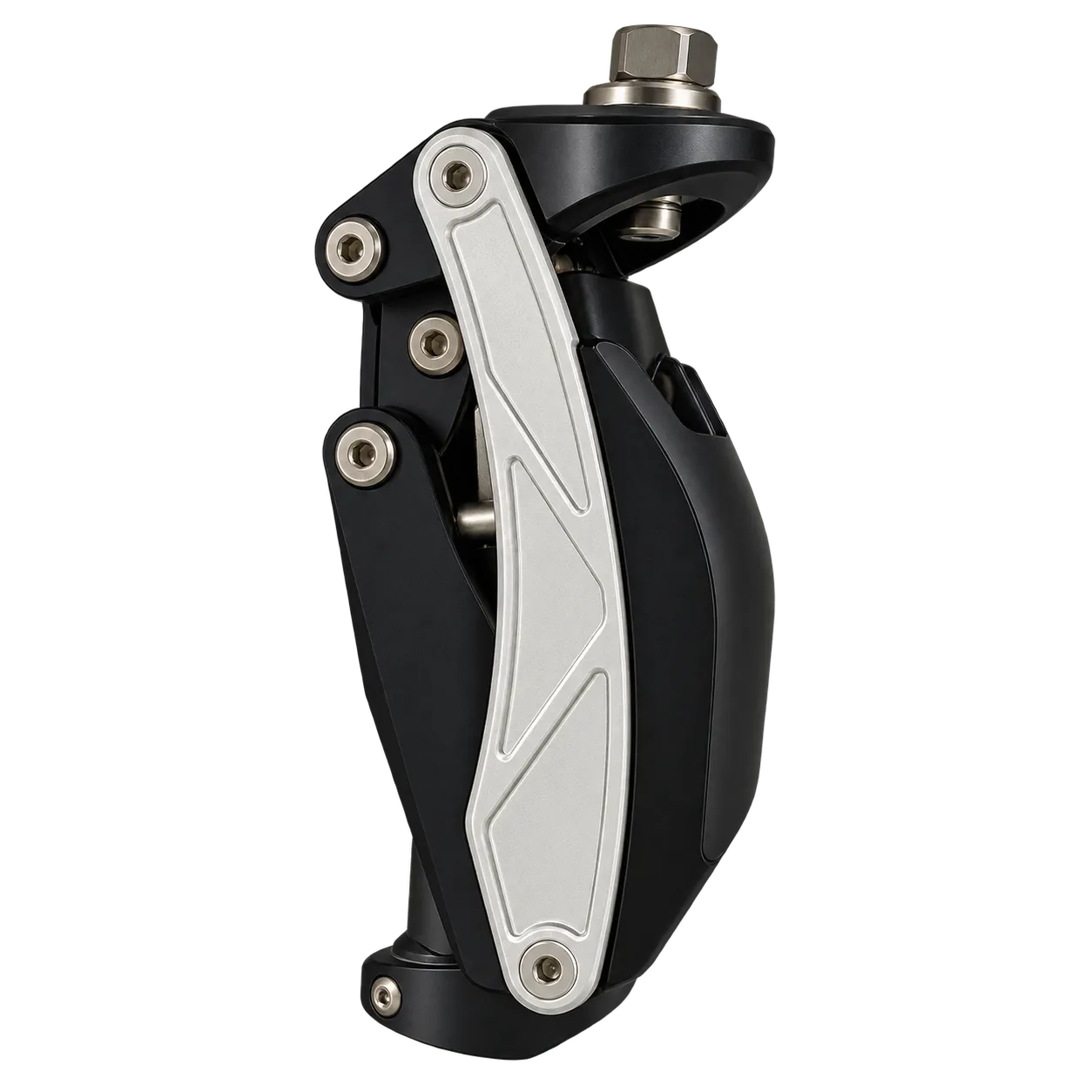
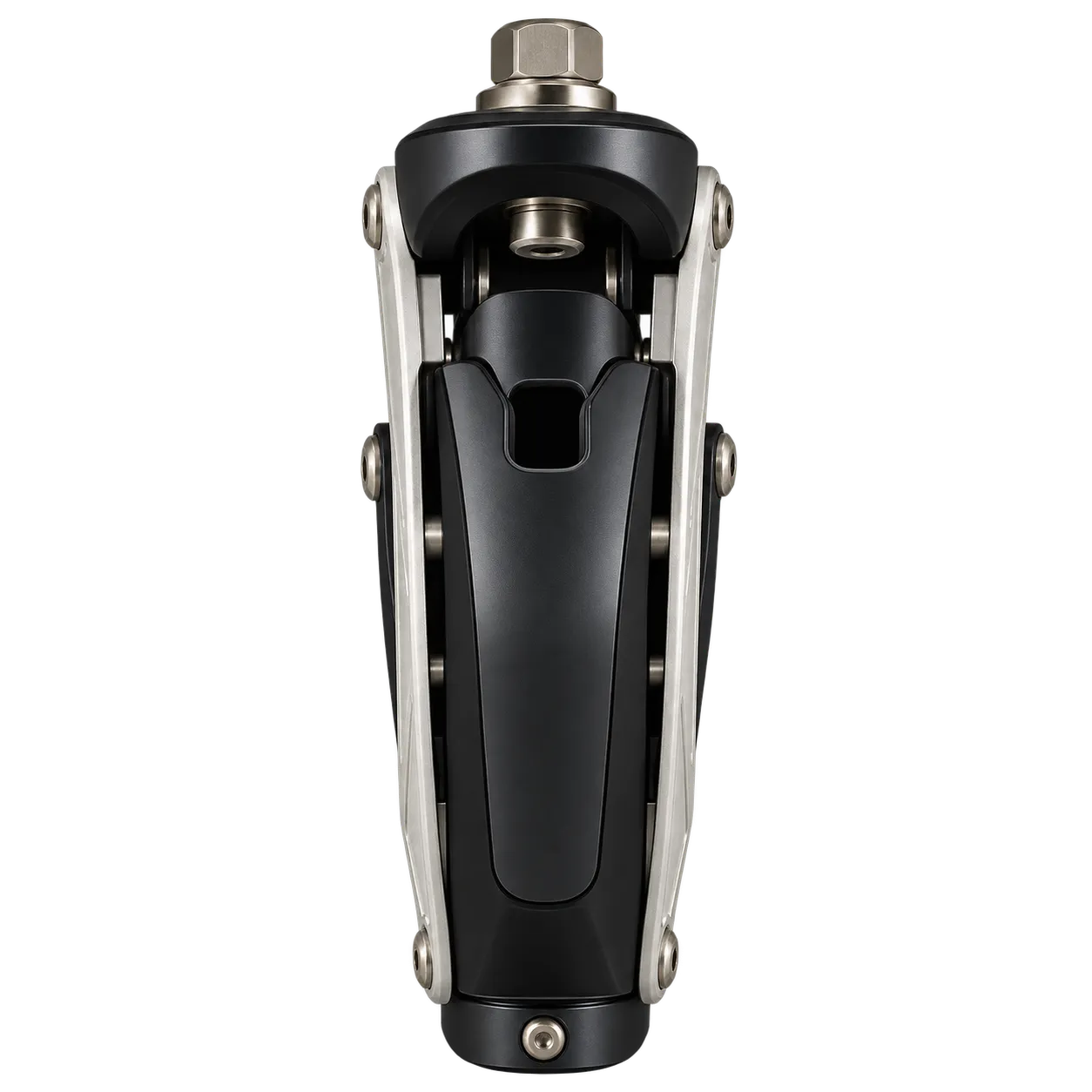
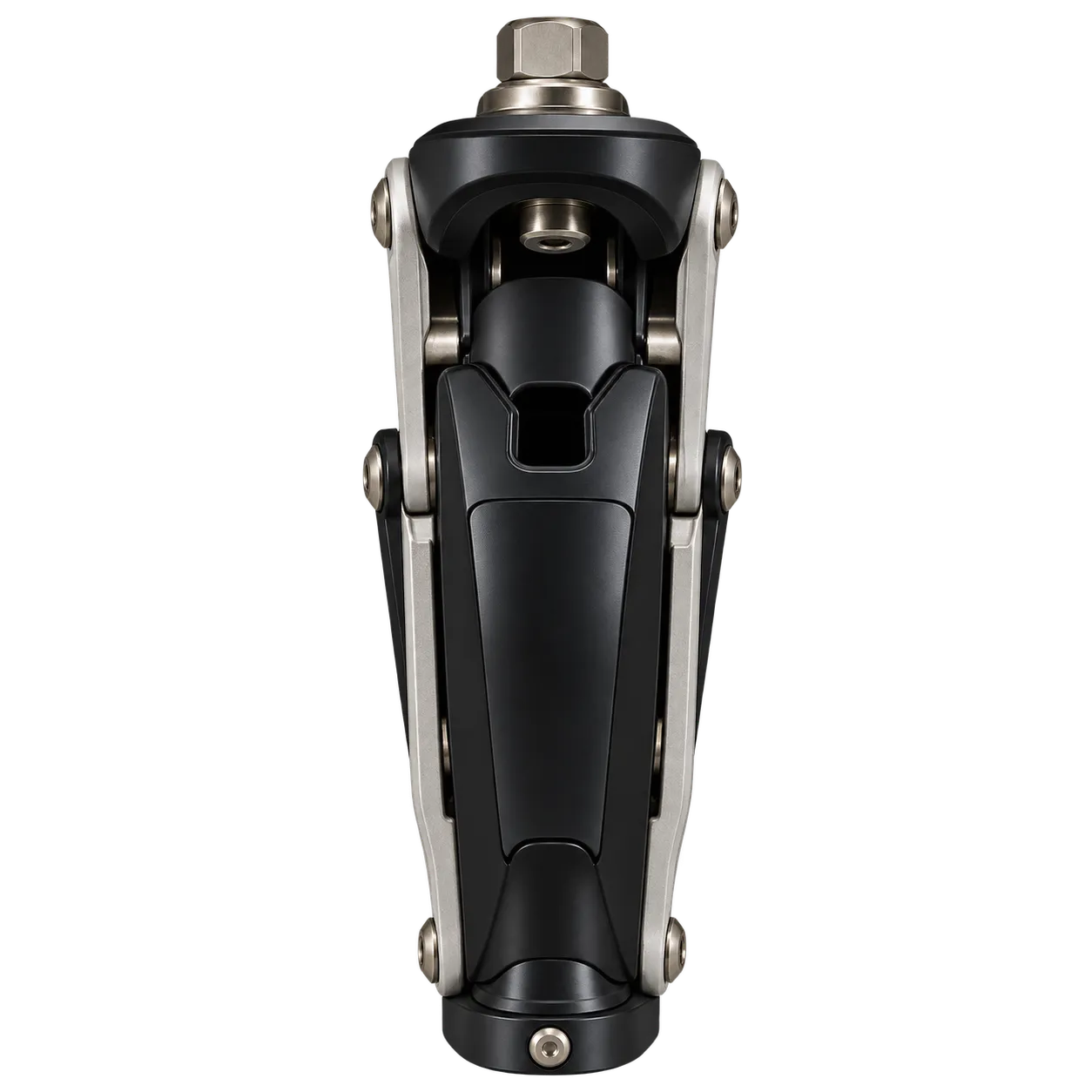
The FBK-58G belongs at one point in a user's rehabilitation: after the first limb has done its work. Its candidate has finished early gait training, left the parallel bars, and walks indoors and outdoors on a locked or basic joint with steady hip control. What that person lacks is swing. A free shank paced by air lets step length and speed vary, which is the capacity US Medicare's functional level 3 describes as variable cadence.
Readiness is a team decision. The prosthetist prescribes, the physiotherapist brings the numbers, and the user states what the limb is for. In Gailey's 2002 study of 191 people, mean AMPPRO scores were 34.7 at K2 and 40.5 at K3 out of 47. Resnik and Borgia put the smallest real change at 3.4 points, 34.3 m on a two-minute walk and 45 m over six minutes. Gains beyond those margins across two sessions are progress that measurement error cannot explain.
Those studies validate the tests and say nothing about any knee. No trial has fixed a score at which a locked joint should give way to a free one, so services write their own criteria and audit them.
The change also carries risk. A user leaving a lock meets a joint that can bend under load if the hip is late, and falls training belongs in the first sessions. Pneumatic swing evidence is mixed: in a crossover trial of 28 transfemoral users, 19 preferred it, while energy cost at 2 and 3 km/h was higher.
Limb-fitting centres, rehabilitation units and private workshops are the usual settings. NHS trusts in England buy through the mandated NHS Supply Chain framework, and equivalent public procurement elsewhere asks the same. The conformity documentation those procurement routes require is issued by the manufacturer and shared by the enquiry team.