
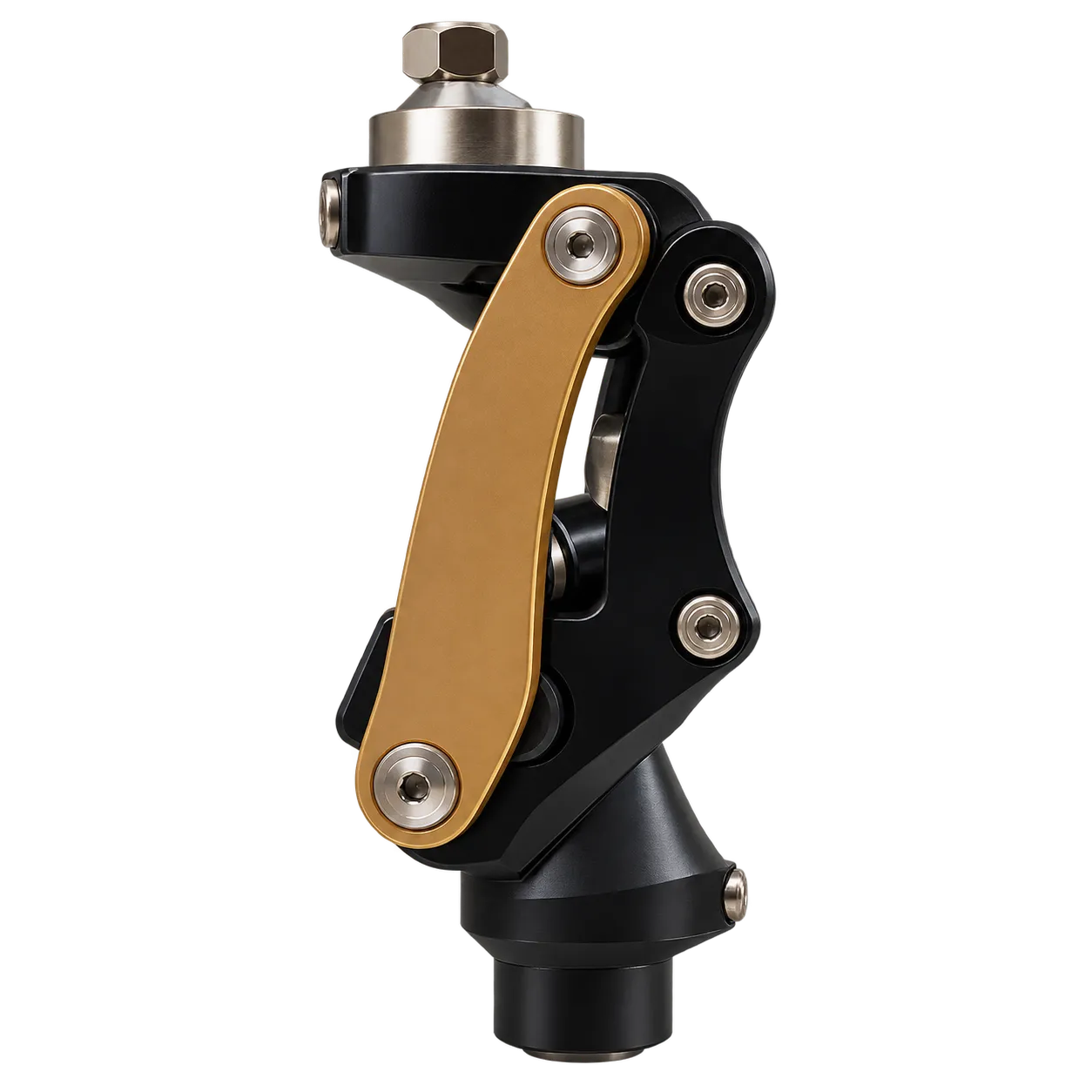
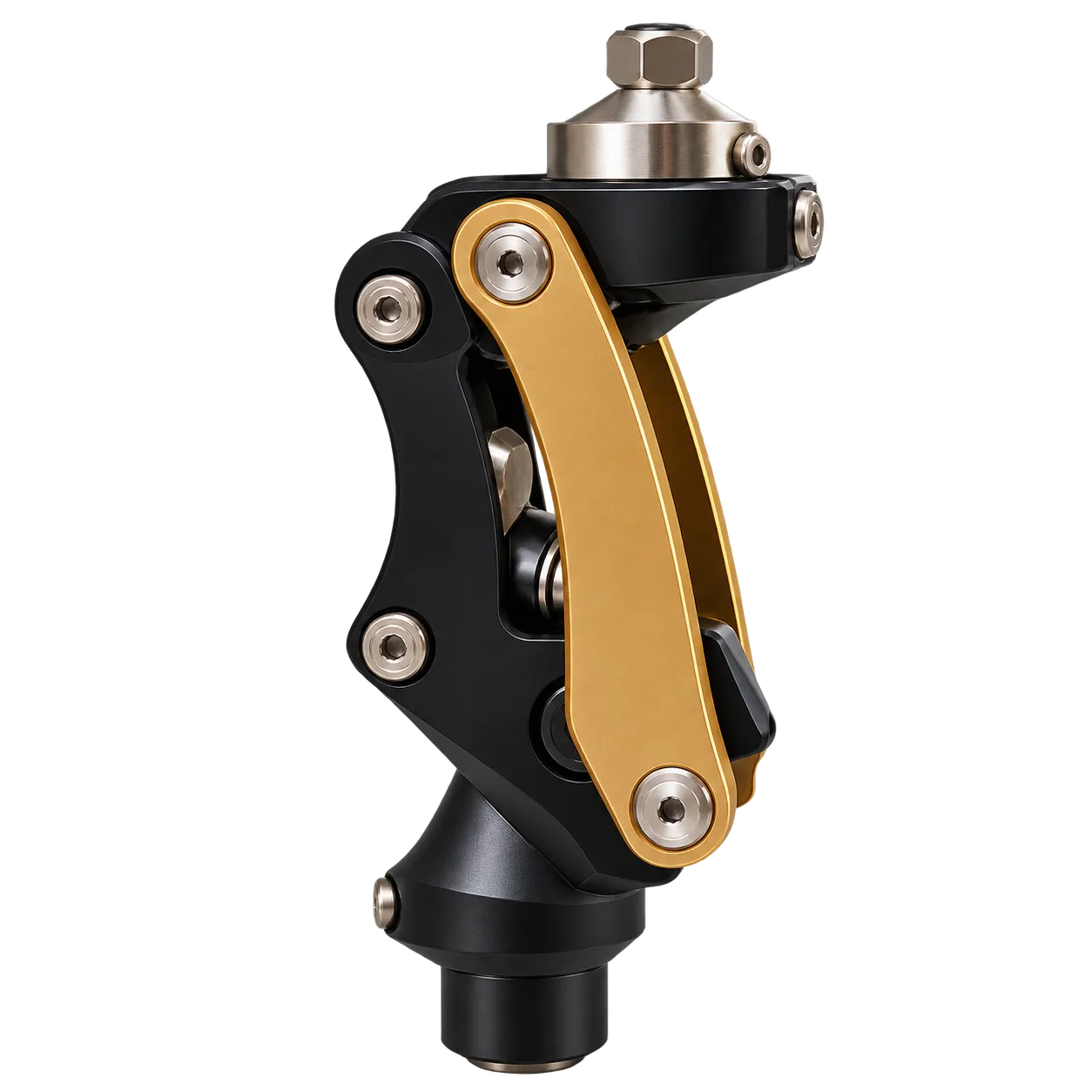
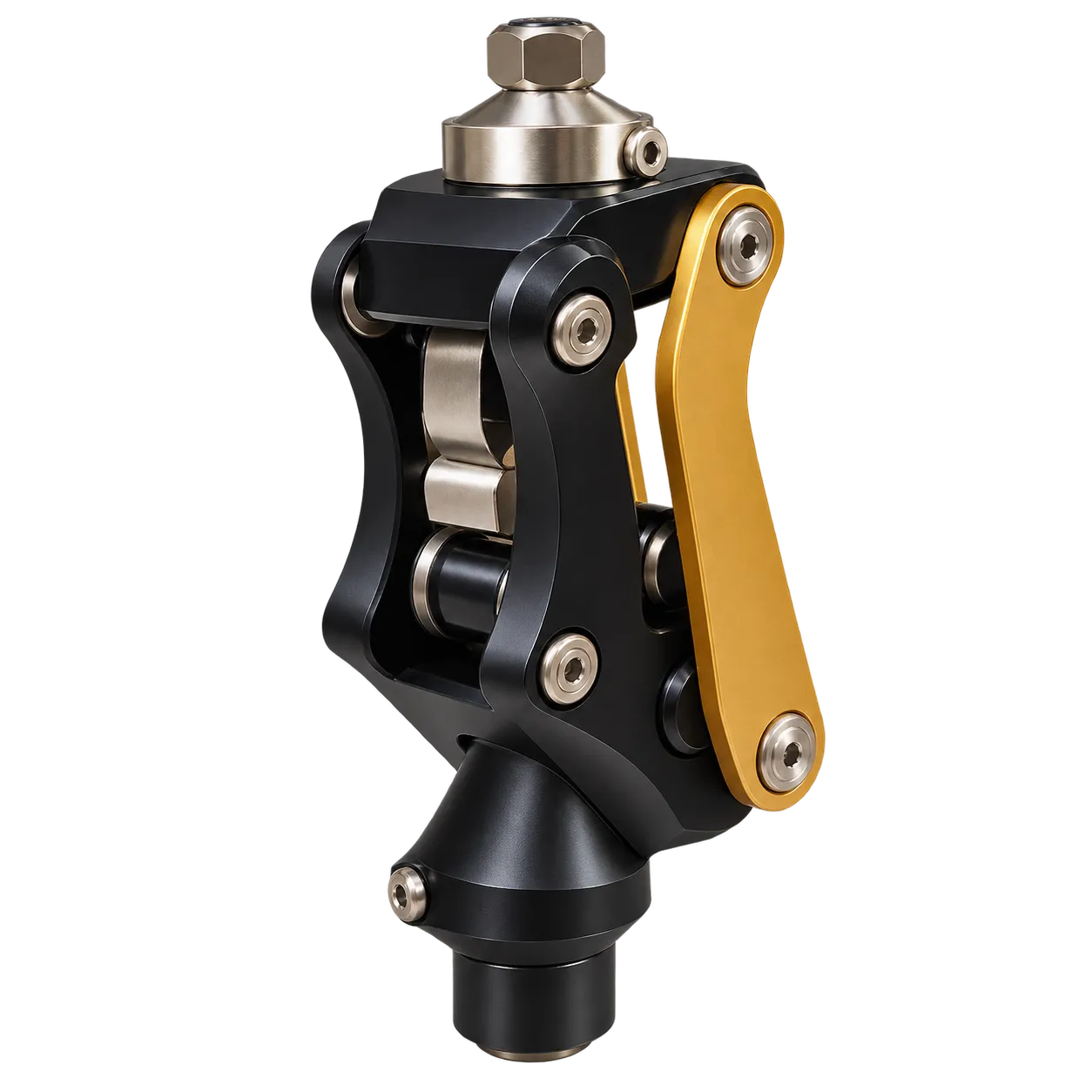
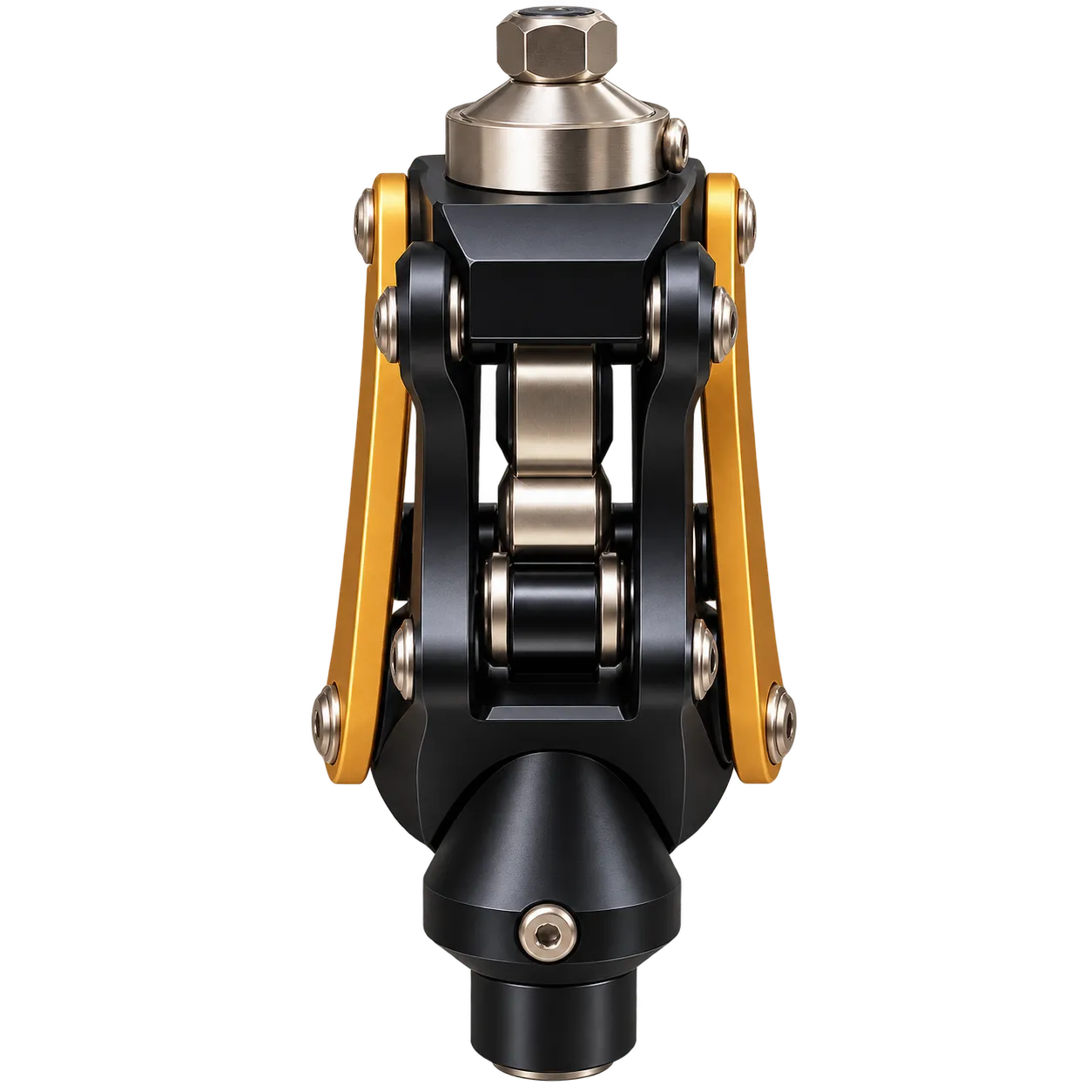
The FBK-56 suits transfemoral and knee-disarticulation users who walk at more than one pace and have the hip control a four-link knee asks for. An air cylinder paces the shank through swing, and the linkage geometry carries the stance.
Where it earns its place is the service around the user. A 2024 study in Human Resources for Health counted 863 prosthetists and orthotists in the UK, between 142 and 477 short of the World Health Organization ratio, with 109 vacancies across the wider workforce. Those figures describe staffing and say nothing about any knee, but they explain why a user may meet several clinicians in a year.
A component survives that turnover when its state can be read from the file. On this knee the state is mechanical: an alignment and a set of adjuster positions. A service that records both at fitting gives the next clinician a baseline, and a review becomes a comparison against that baseline. A service that records neither gets no such benefit, whatever knee it buys.
The record also helps with scheduling. A team lead building the roster can book a review with whoever is on shift, because the knowledge sits in the notes. Whether that shortens a backlog is unproven, so audit it locally.
Trial evidence on the knee type is mixed. In a crossover study of 28 transfemoral users, 19 preferred pneumatic swing control, while energy cost at 2 and 3 km/h was higher with it.
Limb-fitting centres, private workshops, rehabilitation units and export programmes are the usual settings. For NHS trusts in England the mandated NHS Supply Chain framework is the buying route, and equivalent public procurement elsewhere names its own. The conformity documentation those procurement routes require is issued by the manufacturer and shared by the enquiry team.