
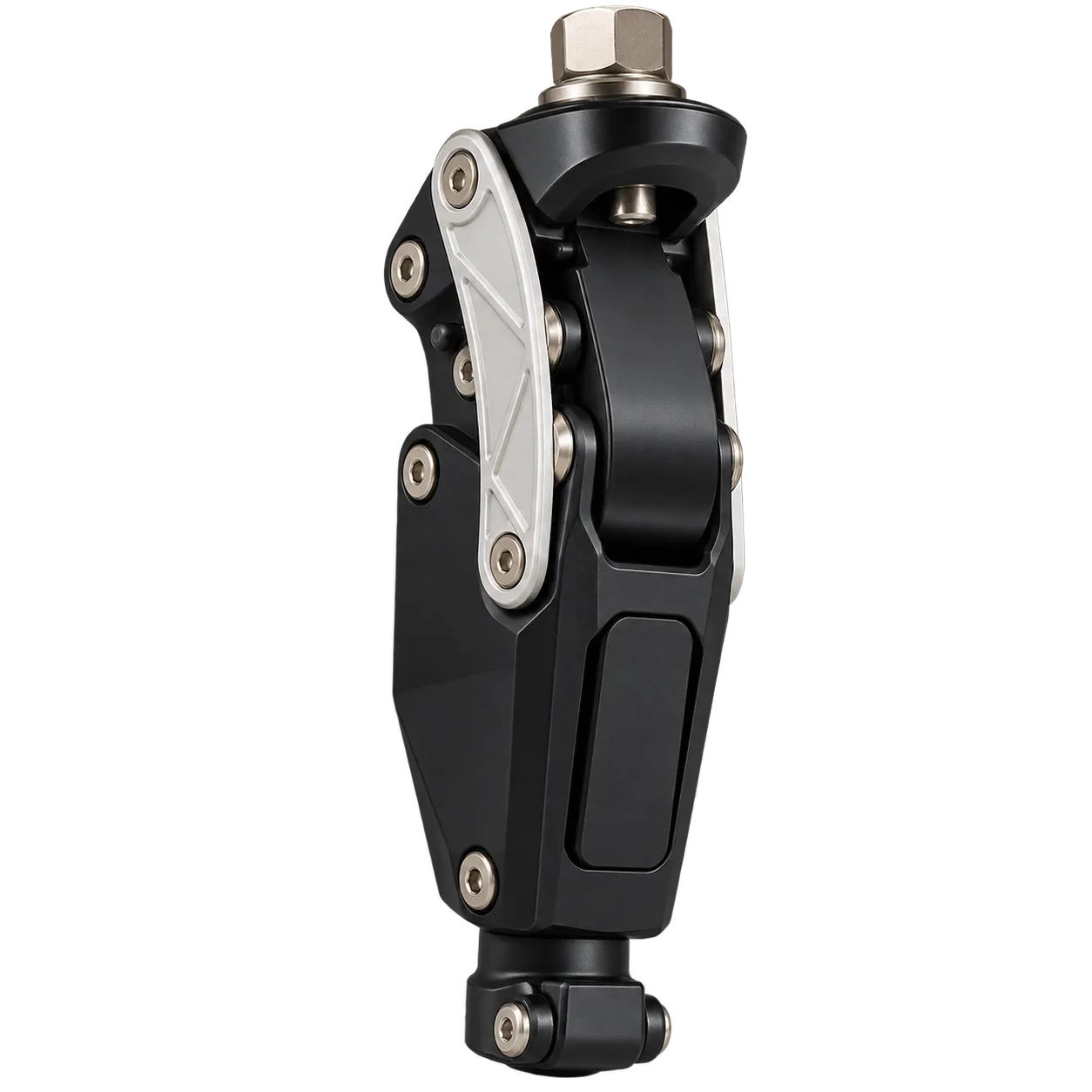
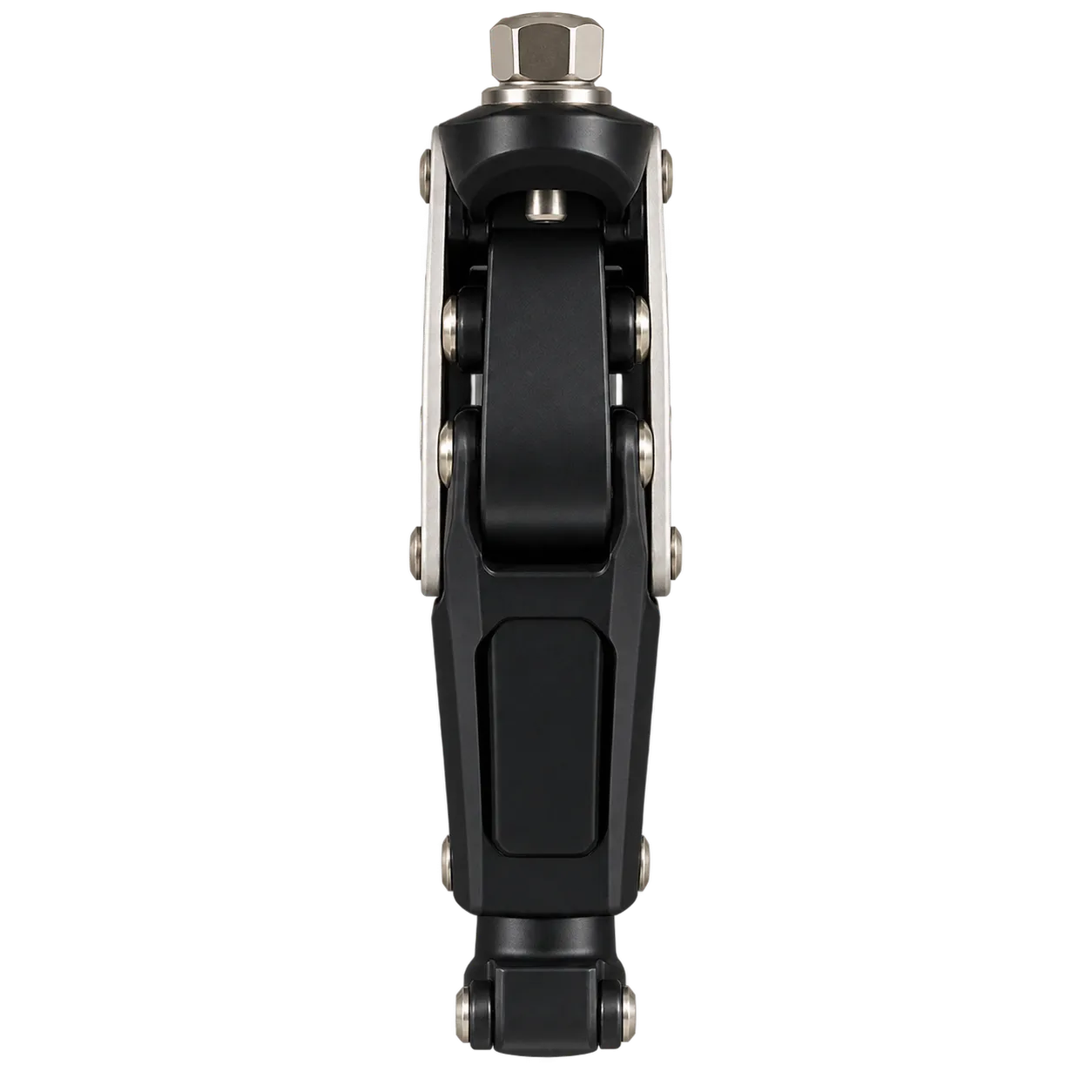
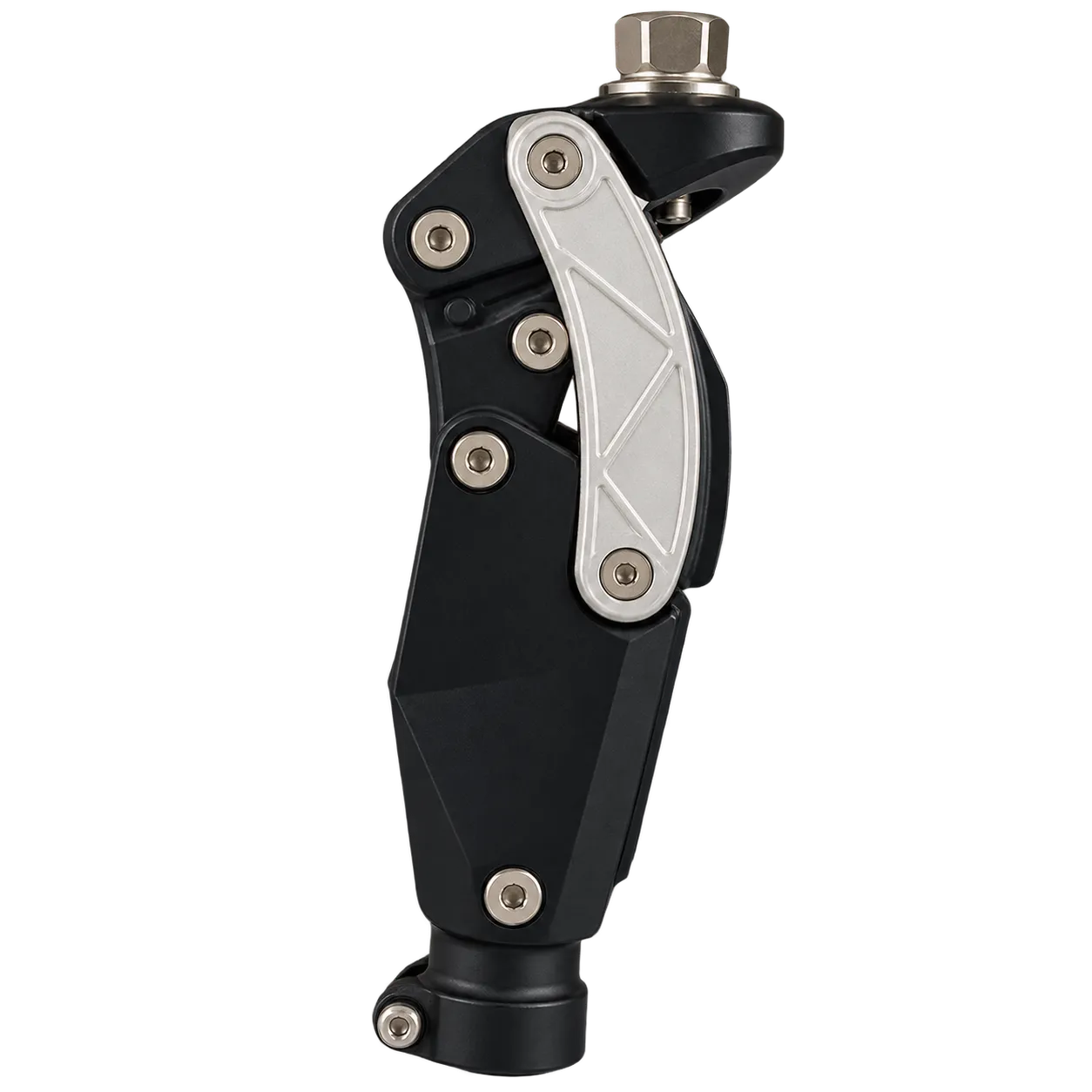
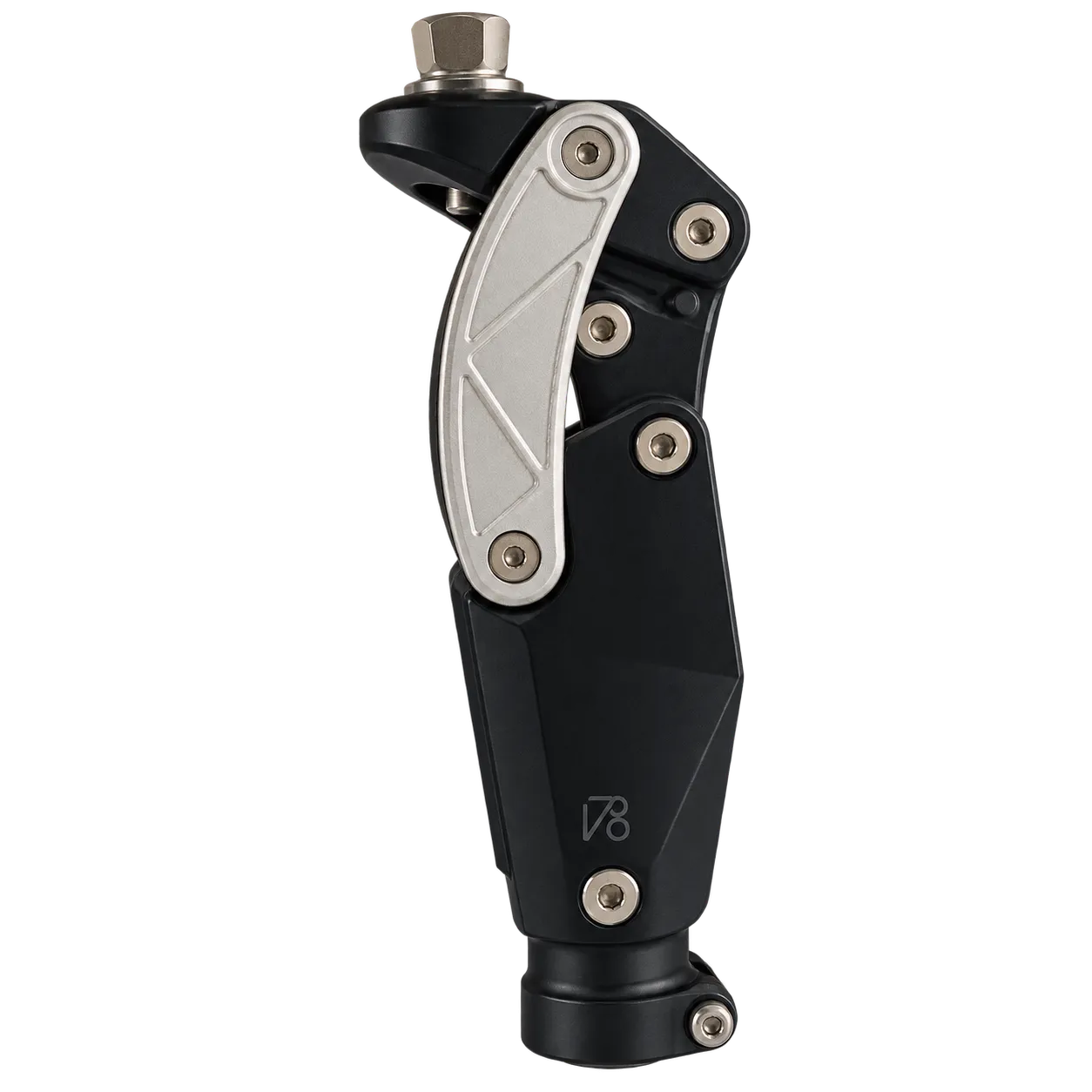
The FBK-12G belongs in transfemoral and knee-disarticulation limbs where two things matter together: low mass at the knee and a small maintenance bill. Typical users walk at a fairly steady pace on level ground and gentle slopes, around the home and the neighbourhood.
Weight is the first reason to choose it. At 540 g on the sheet, the joint adds little to what the hip has to lift through each swing, which helps older users and those with a short residual limb.
Upkeep is the second. A service that fits many limbs carries the cost of every review, and a mechanical four-link knee keeps that visit simple. The prosthetist rocks each pivot for play, walks the user to hear any squeak, and renews a bushing or pin when one is worn. Any greasing follows the manual. Remote clinics, charity workshops and export programmes gain most, because parts that fit in an envelope are easy to hold and post.
The limit of mechanical swing control is documented at category level. A 1995 crossover study of 28 people with unilateral transfemoral amputation found that 19 preferred a pneumatic swing-control knee and 6 a mechanical one, while energy cost at 2 and 3 km/h was higher with the pneumatic joint. Kent and colleagues (2021) showed in five users that changing swing resistance alters toe clearance and its timing. Neither study tested this knee, so set the swing at the user's usual pace and review it when that pace changes.
Limb-fitting centres, independent prosthetic practices and rehabilitation units are the usual settings. NHS trusts in England order knee joints under the mandated NHS Supply Chain framework, and equivalent public procurement elsewhere works to its own list. The conformity documentation those procurement routes require is issued by the manufacturer and shared by the enquiry team.