
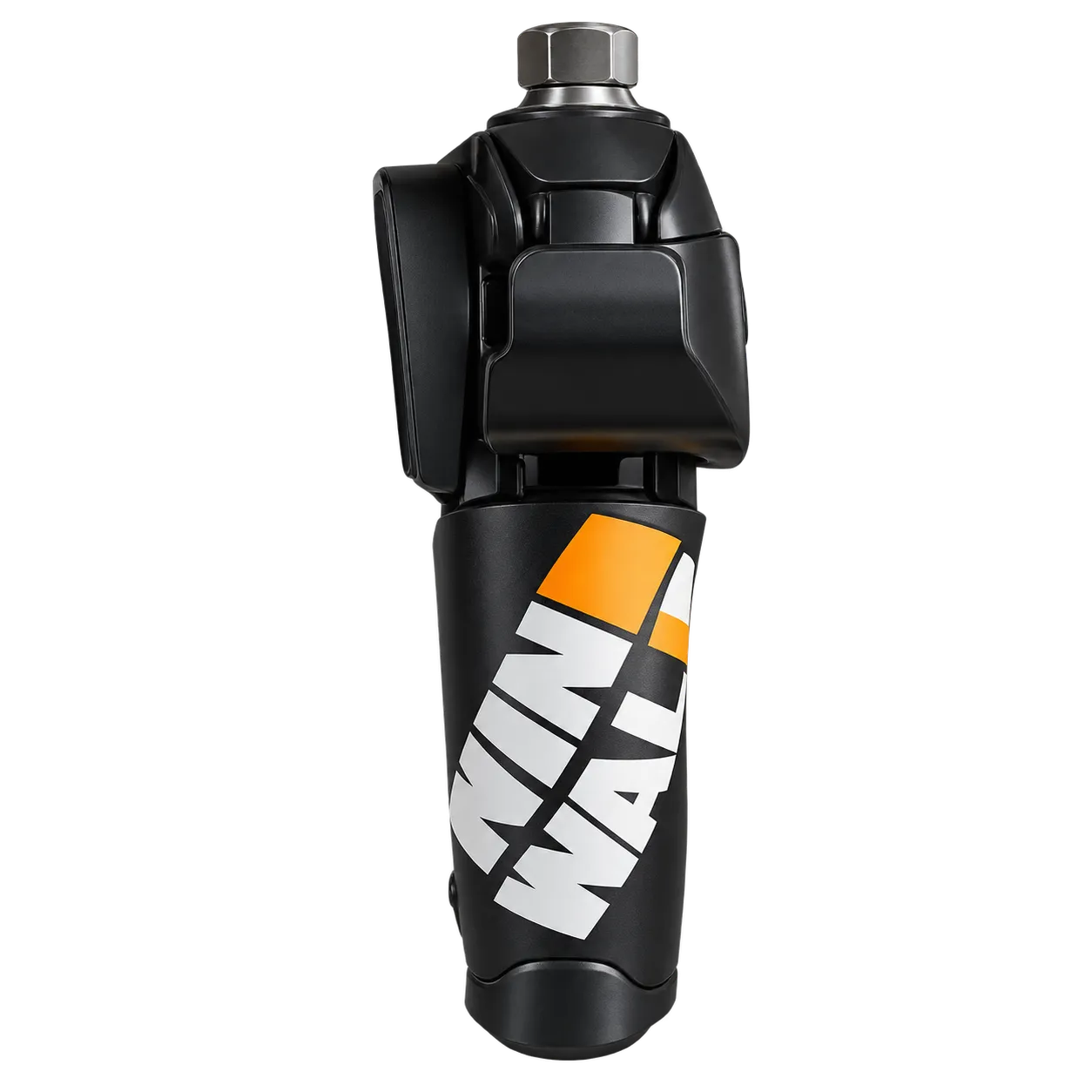
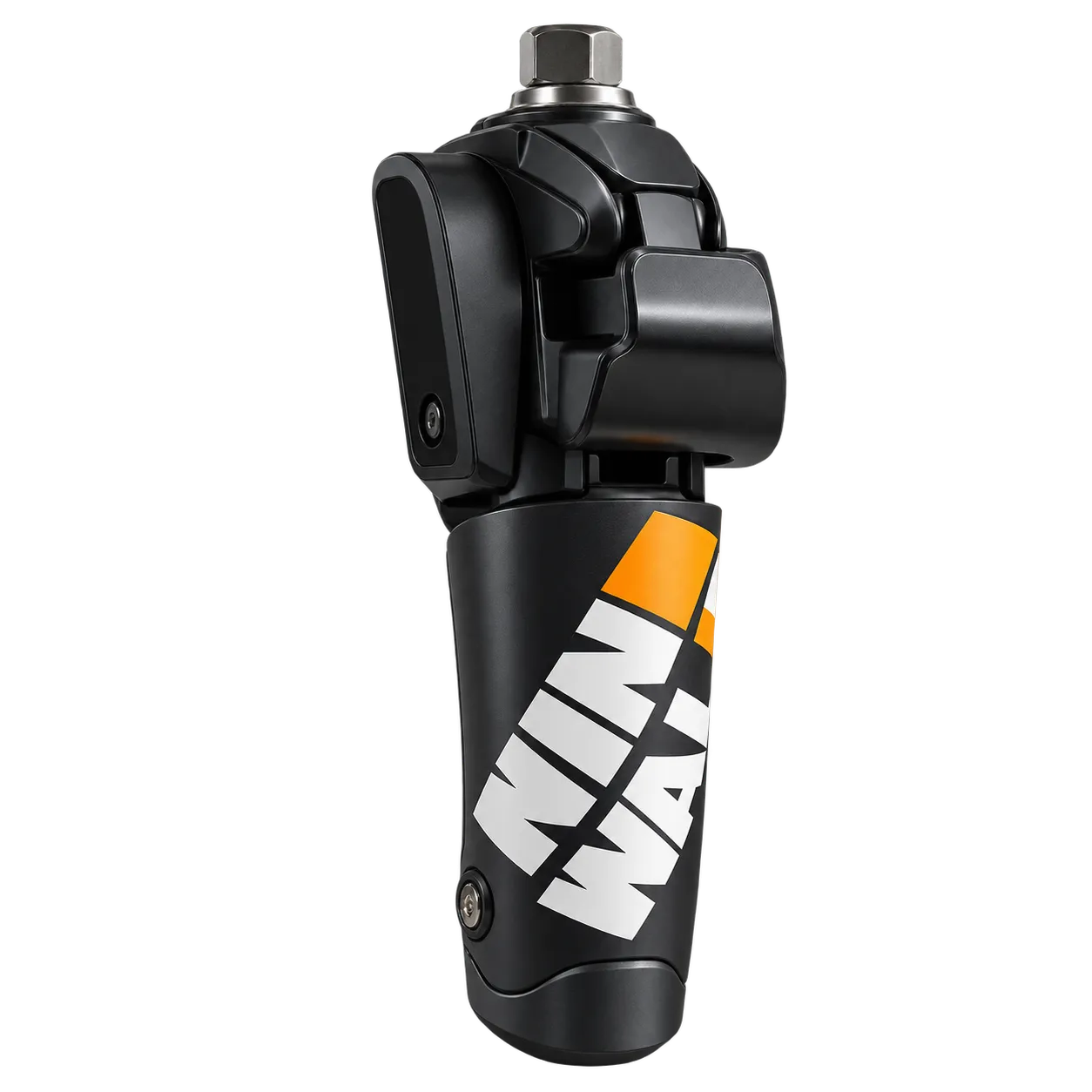
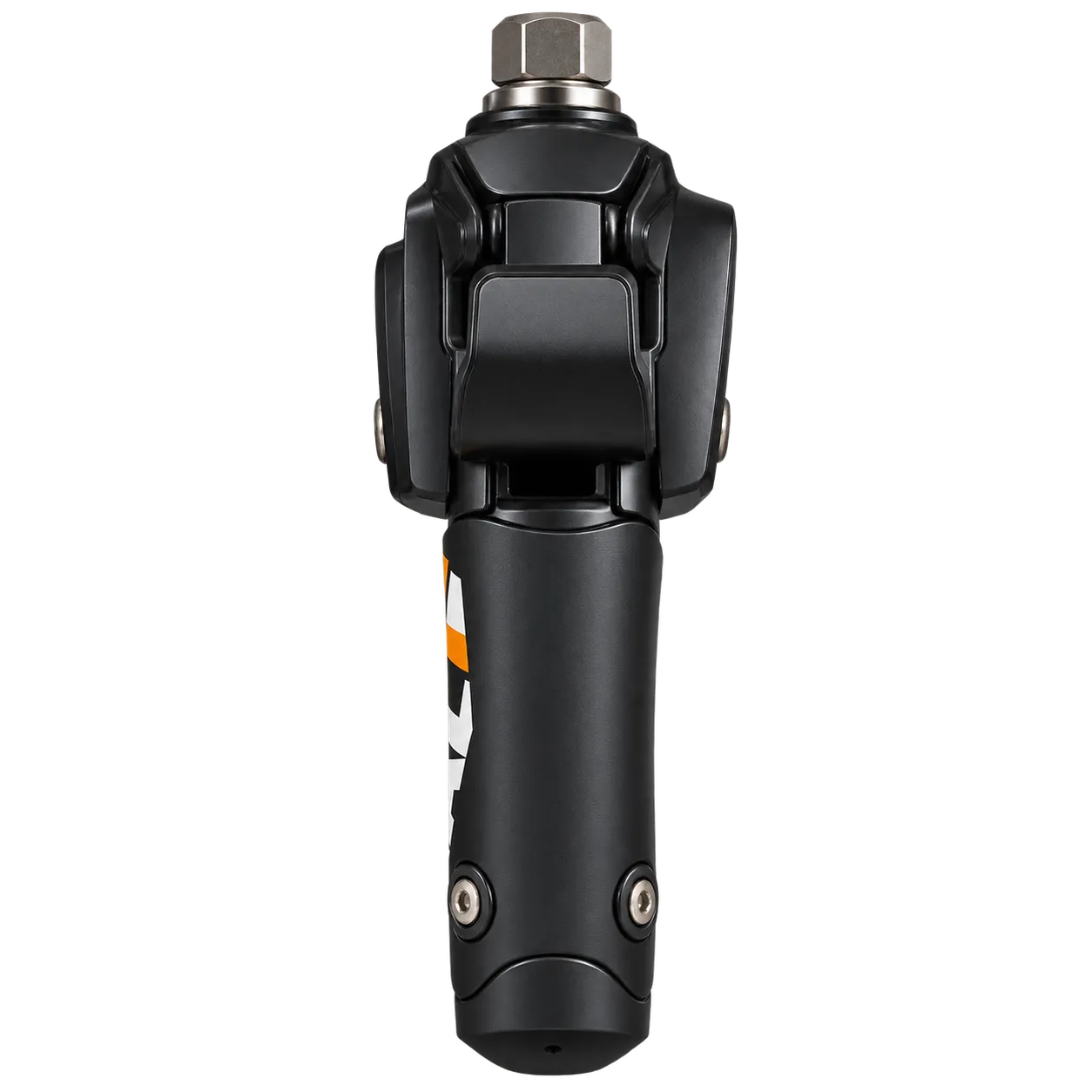
The FB-02 belongs in transfemoral limbs issued by a service that wants one hydraulic knee its staff all know. Wearer weight, with any load the instructions count, must sit within 125 kg for the finished limb.
Three kinds of service gain from that choice. A limb-fitting centre with rotating clinicians can put every new starter through the same session and expect the same set-up from each of them afterwards. A private clinic with two or three prosthetists can share one notes sheet, so cover during leave does not mean relearning a knee. Training schools and outreach programmes can teach hydraulic adjustment on a single unit that students will then meet in practice.
Workforce data explain why the question is worth asking. A 2024 study in Human Resources for Health put the UK prosthetic and orthotic workforce at about 1,766 people. Of the prosthetists and orthotists who answered its survey, 34% said they definitely planned to remain for five more years. A small workforce with that outlook will keep inducting new people, although the study measured no effect of standard equipment on training.
For the wearer, the knee type has guideline support. A 2019 clinical practice guideline on prosthetic knee selection indicated hydraulic or pneumatic swing resistance for active walkers, on the grounds of comfort, speed and symmetry. That finding concerns a class of knee. It was not a test of this model, whose own behaviour is described in its instructions for use.
Two groups fall outside the brief: wearers who need a lock, and anyone above the limb's rating.
NHS trusts in England buy prosthetic components through a mandated framework, and public buyers in other countries follow their own purchasing routes. The conformity documentation those procurement routes require is issued by the manufacturer and shared by the enquiry team.