
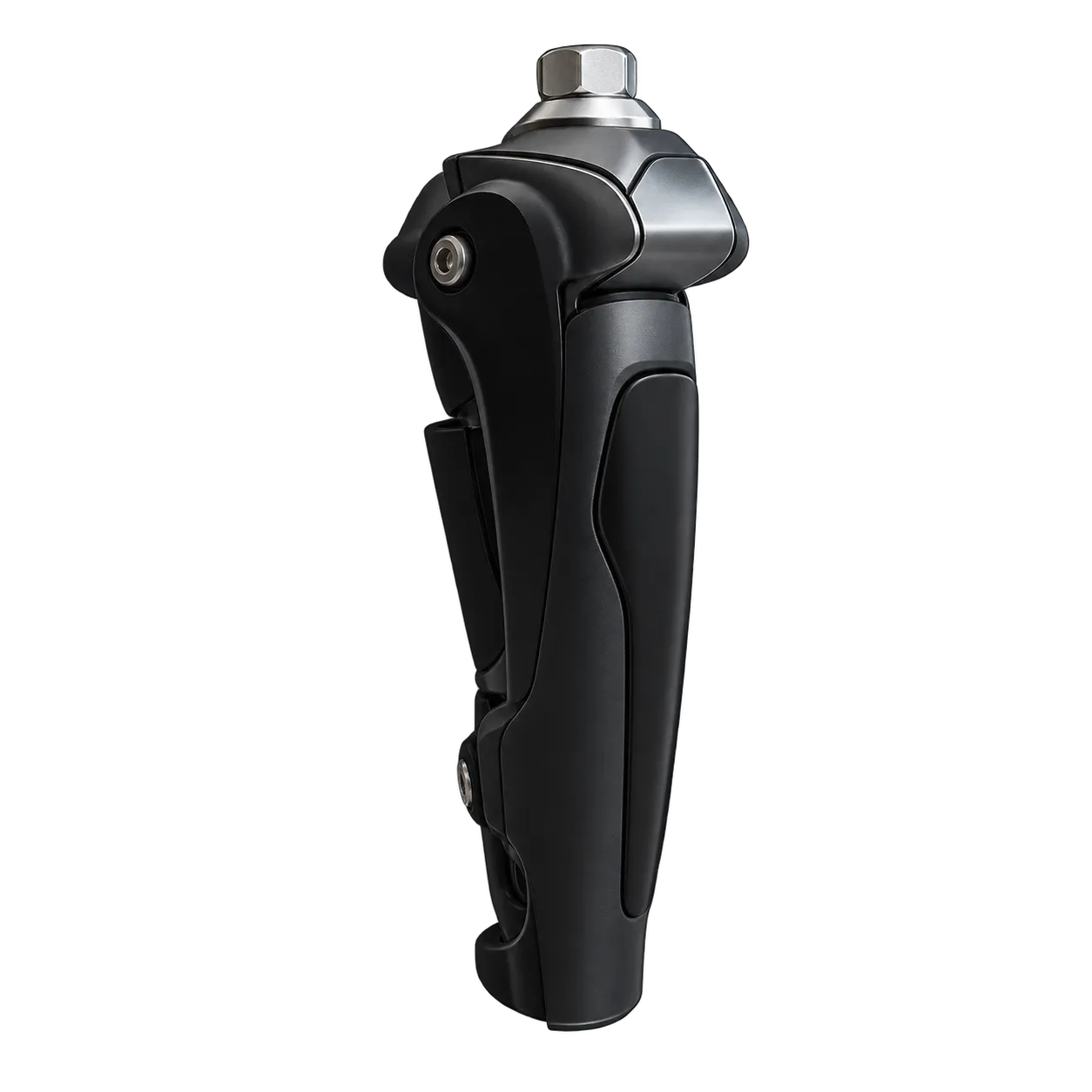
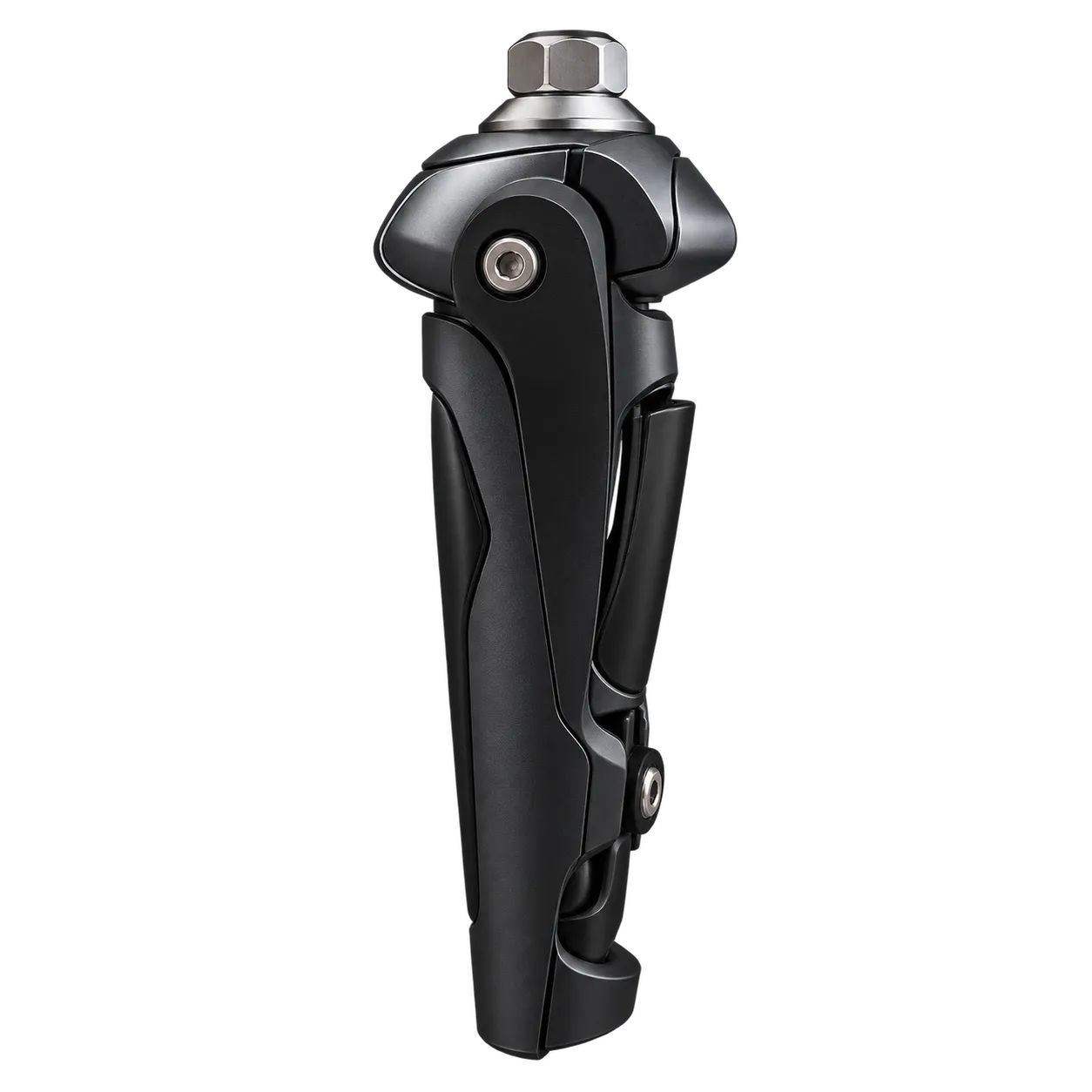
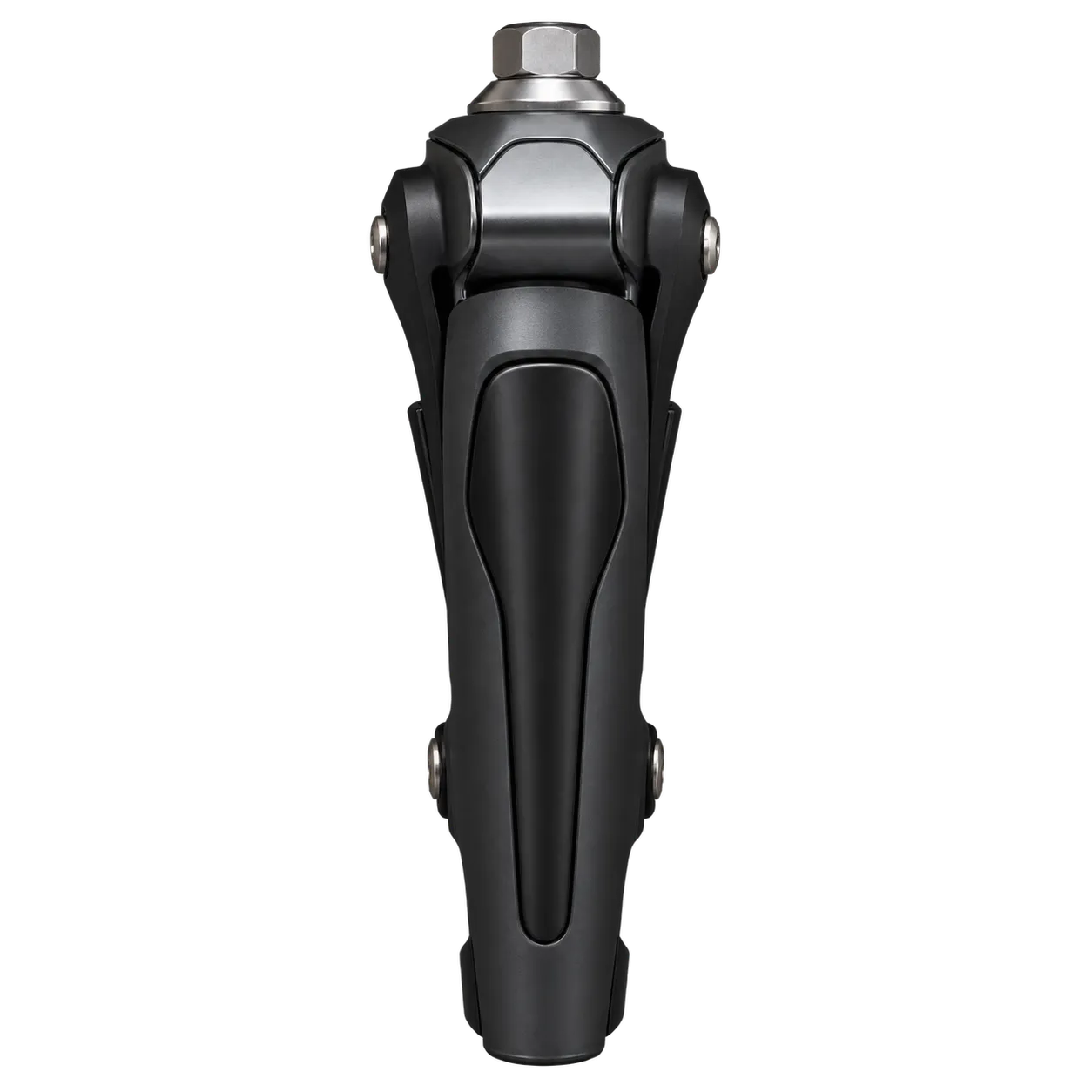
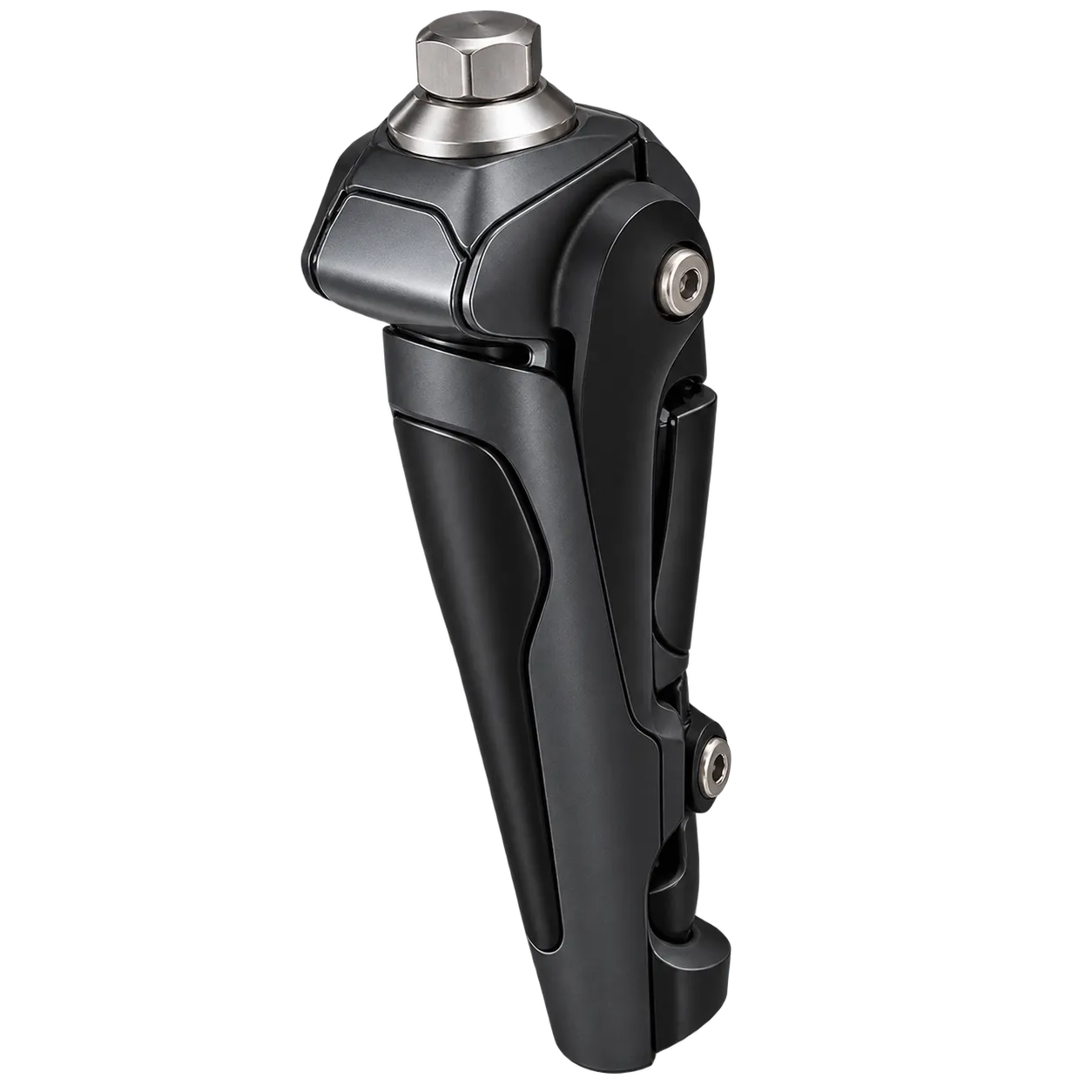
The FB-01 belongs in transfemoral limbs for wearers whose days cross more than one environment, and the clinical work lies in mapping those environments before the settings are fixed. Ask where the person wakes, works and travels. A commuter may leave a heated flat, wait at a cold bus stop and spend the day in an air-conditioned office. A farmer in a tropical region may meet the opposite pattern.
Engineering sources explain why that map matters. A 2019 paper on knee prosthesis dampers names changing fluid temperature as the first drawback of hydraulic damping, because viscosity alters while the patient moves. Heat also builds inside the cylinder. A 2018 thesis on hydraulic knee prostheses with electronic control fitted a heat pipe to the dampers. It lengthened the time to the critical temperature by 140% and shortened cooling through the first 20 °C by 24%. Both sources describe the knee type and its physics. Neither tested this model, so its own limits come from the instructions for use.
Buildings ask their own questions. Lifts mean standing still and then stepping off promptly. Stairs and ramps depend on how the cylinder behaves under load, which the instructions describe. Polished floors in hospitals, airports and shopping centres put the demand on the foot and on the wearer's confidence.
Three groups fall outside the brief: wearers who need a lock, limited walkers who would carry 1100 g for little return, and anyone above the finished limb's rating.
Limb-fitting centres, private prosthetic clinics, rehabilitation hospitals and export programmes in hot and cold regions are the natural settings. NHS trusts in England buy through the mandated prosthetics framework, and public buyers elsewhere follow their own routes. The conformity documentation those procurement routes require is issued by the manufacturer and shared by the enquiry team.