
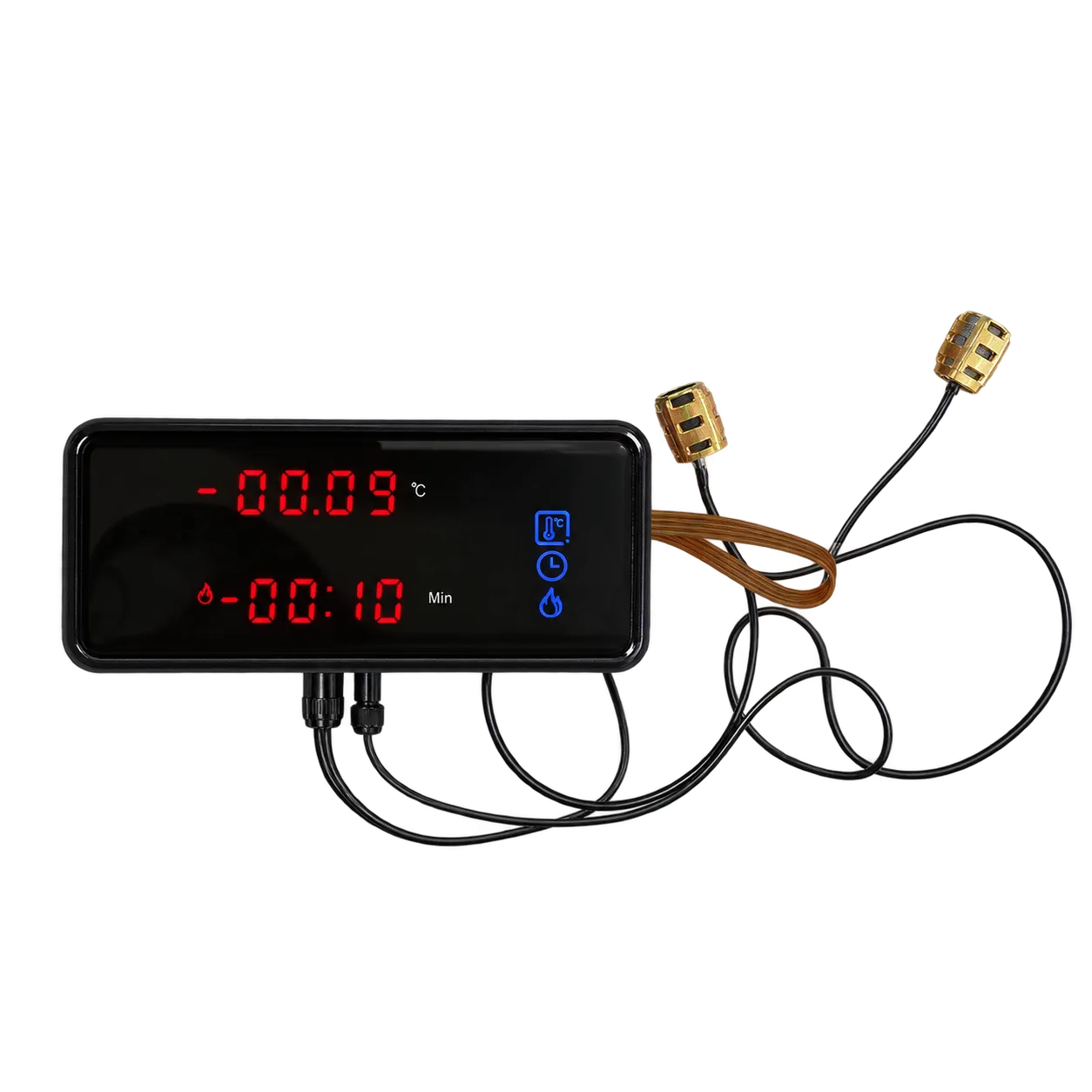
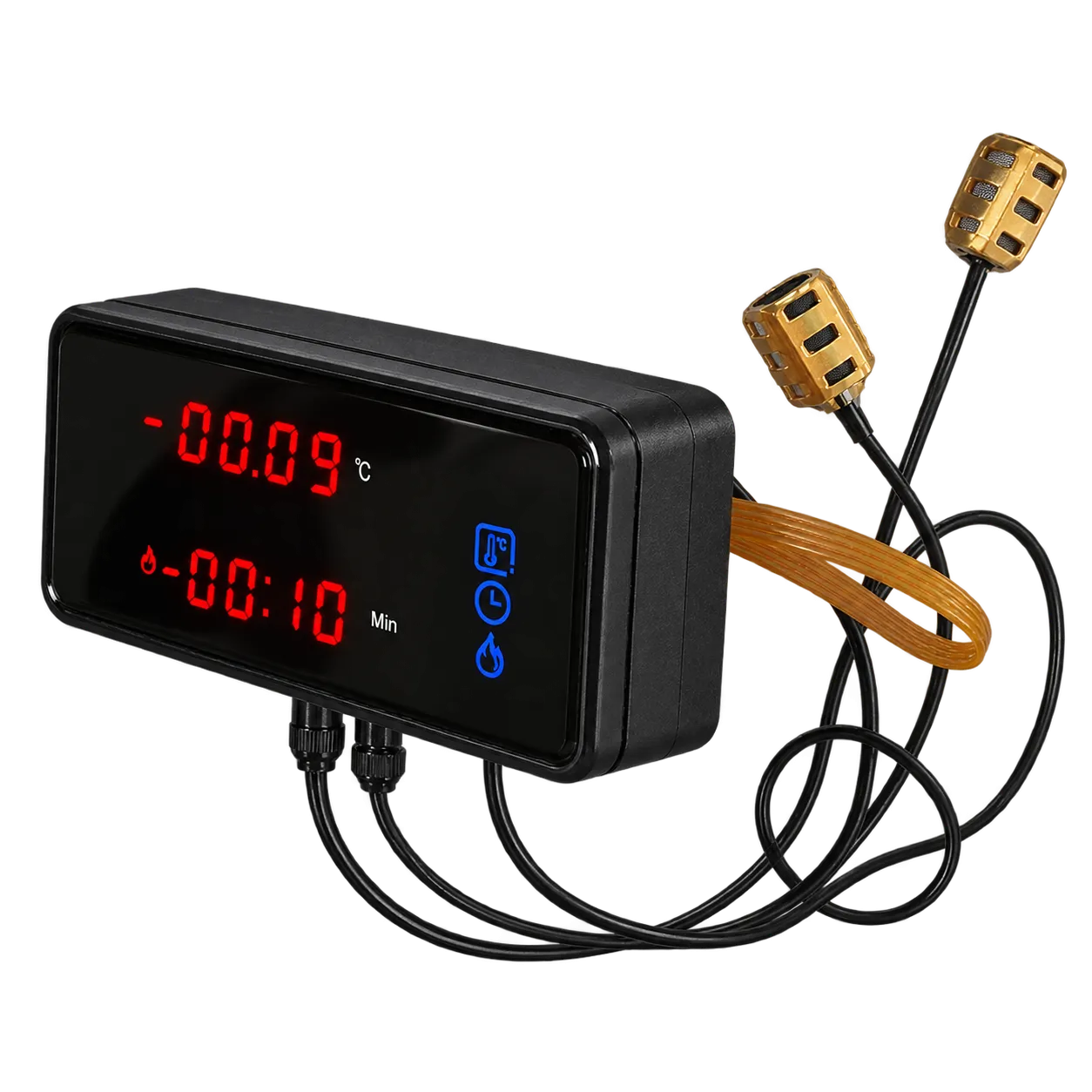
Prosthetic and orthotic clinics preparing people for a myoelectric upper-limb prosthesis are the main home of the EMG-TI. A myoelectric prosthesis responds to the electrical signals of the wearer's own muscles, so the first question in any such fitting is whether those muscles produce a signal strong enough and steady enough to use. The amplitude display answers that question at the bench, with the 100,000-times amplification making the contraction visible as a reading.
Assessment appointments are where the instrument starts its work. A prosthetist asks for a series of contractions and watches the amplitude respond, building a picture of how well the wearer can tighten and relax on demand. That picture guides the next step of the fitting plan.
Training sessions follow, often run by occupational therapists or physiotherapists who specialise in upper-limb rehabilitation. Here the three lamps take over. The wearer works through extension, flexion and switching in turn, and each lamp gives instant feedback that the intended action has registered. Repetition with that feedback lets a person build the control habits a prosthesis will rely on, well before the device is ready.
During the fitting itself, the same unit returns to the session. Practice can continue between socket appointments, and the wearer keeps rehearsing the three actions on the instrument they already know. Rehabilitation centres that see people at several stages of the process, from early assessment to final fitting, can keep one instrument in service across all of them.
Battery operation suits rooms where a mains outlet is not right beside the table, and the charging input range of AC 110–240 V at 50–60 Hz lets a clinic charge it on whichever supply the building has. At 2.2 kg, the instrument moves easily between assessment and training spaces.