
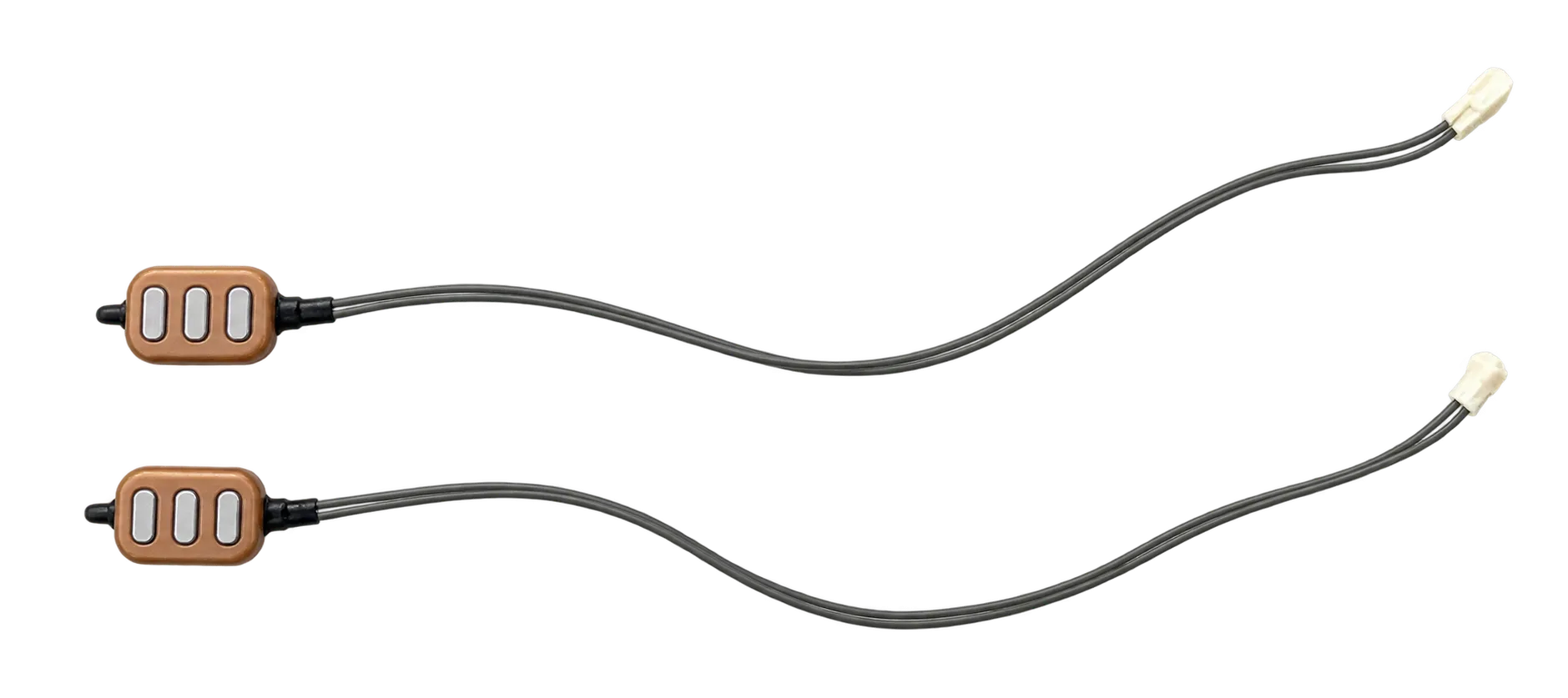
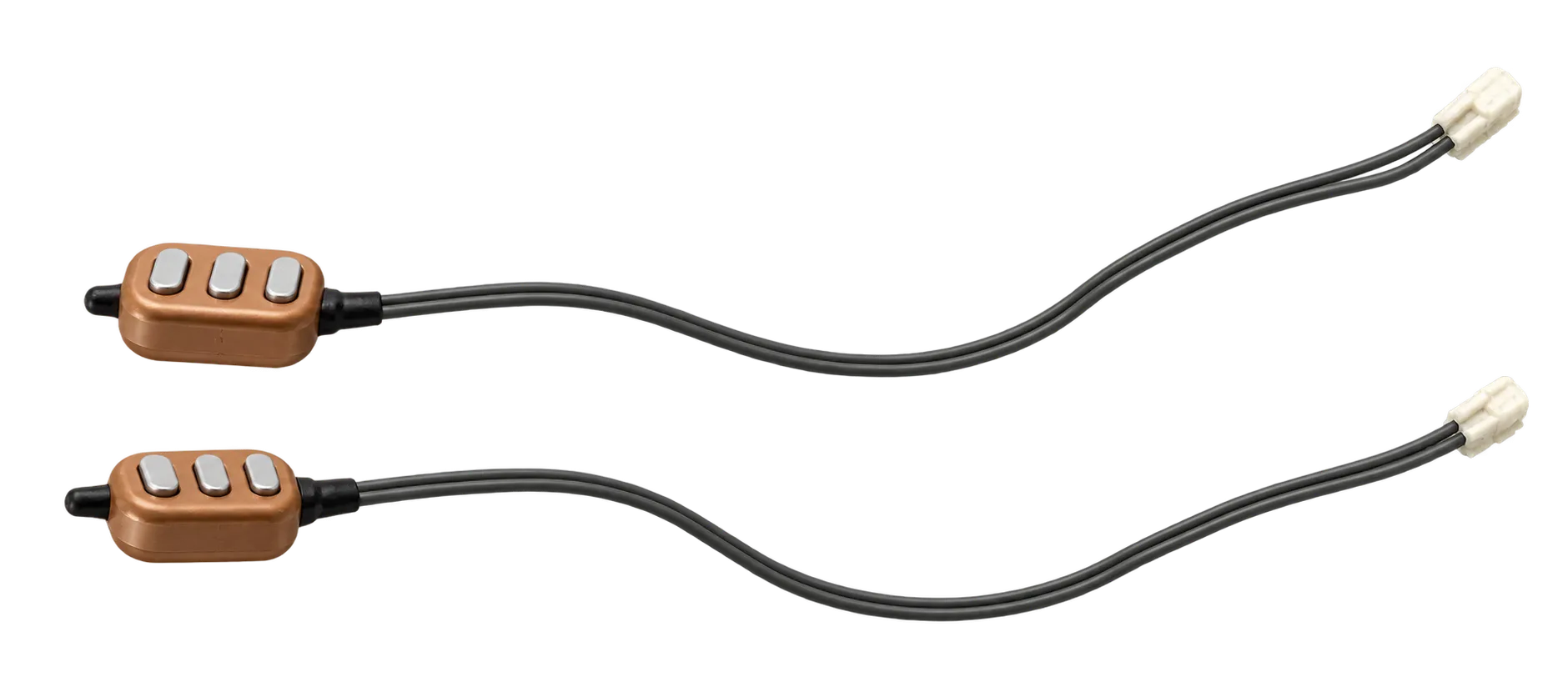
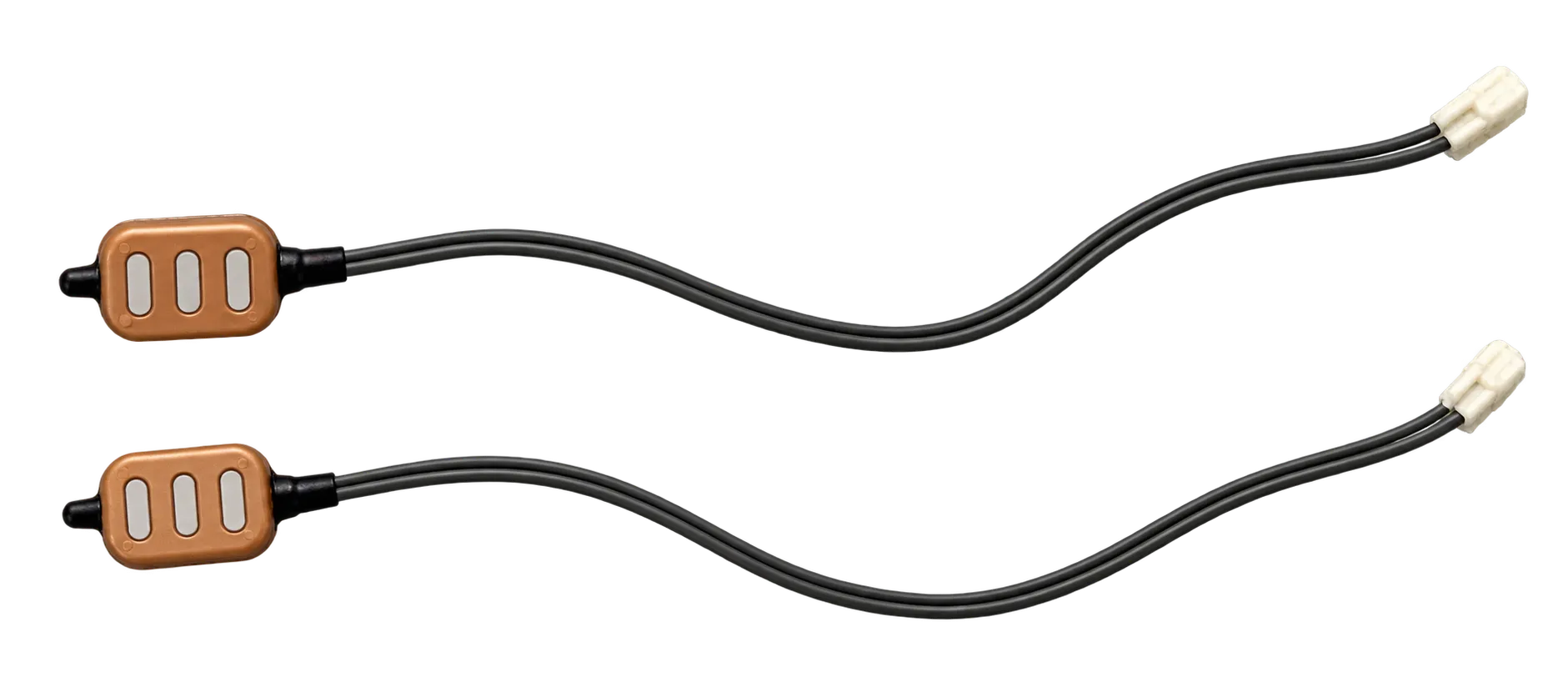
The EMG Sensors electrode is used in prosthetic and orthotic clinics, limb-fitting centres and the technical workshops where myoelectric forearm prostheses are built. Prosthetists and prosthetic technicians place it inside a below-elbow fitting, at the point where the skin covers a muscle the wearer can tighten on purpose, and run its lead to the myoelectric control.
Its users are people with limb loss below the elbow whose remaining forearm muscles still contract under voluntary command. During assessment, the prosthetist searches the forearm for sites where a contraction produces a clear, repeatable signal. The electrode then goes on at the site chosen, and its reading becomes the control input for the device. Each tightening of that muscle is turned into an action, so the wearer operates the prosthesis through effort they already know how to make.
Occupational therapists and rehabilitation teams work from the same signal path during training. Early sessions teach the wearer to produce a contraction strong enough for the electrode to pick up and then to relax it fully, so commands start and stop when intended. Later sessions bring that control into daily tasks such as holding a cup, carrying a bag or steadying paper while writing.
Day to day, the electrode sits against the skin every time the prosthesis goes on. Its 10 g weight keeps the load at the forearm light through a long day at work, at school or at home. The 30 cm lead gives the technician working length to route the signal from the muscle site to wherever the control sits in the build. Clinics refitting existing users can also keep the component on the shelf for planned replacement, since one part covers both the reading and the route.