
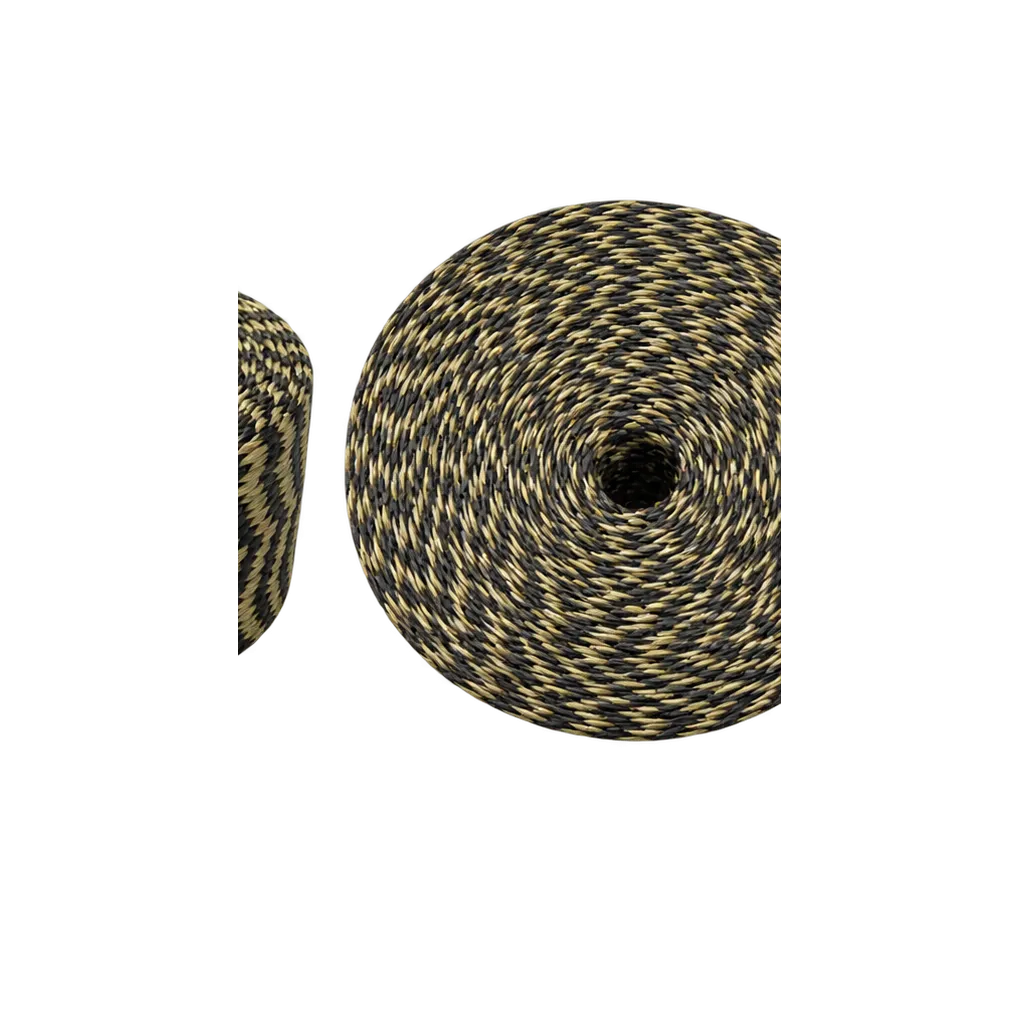
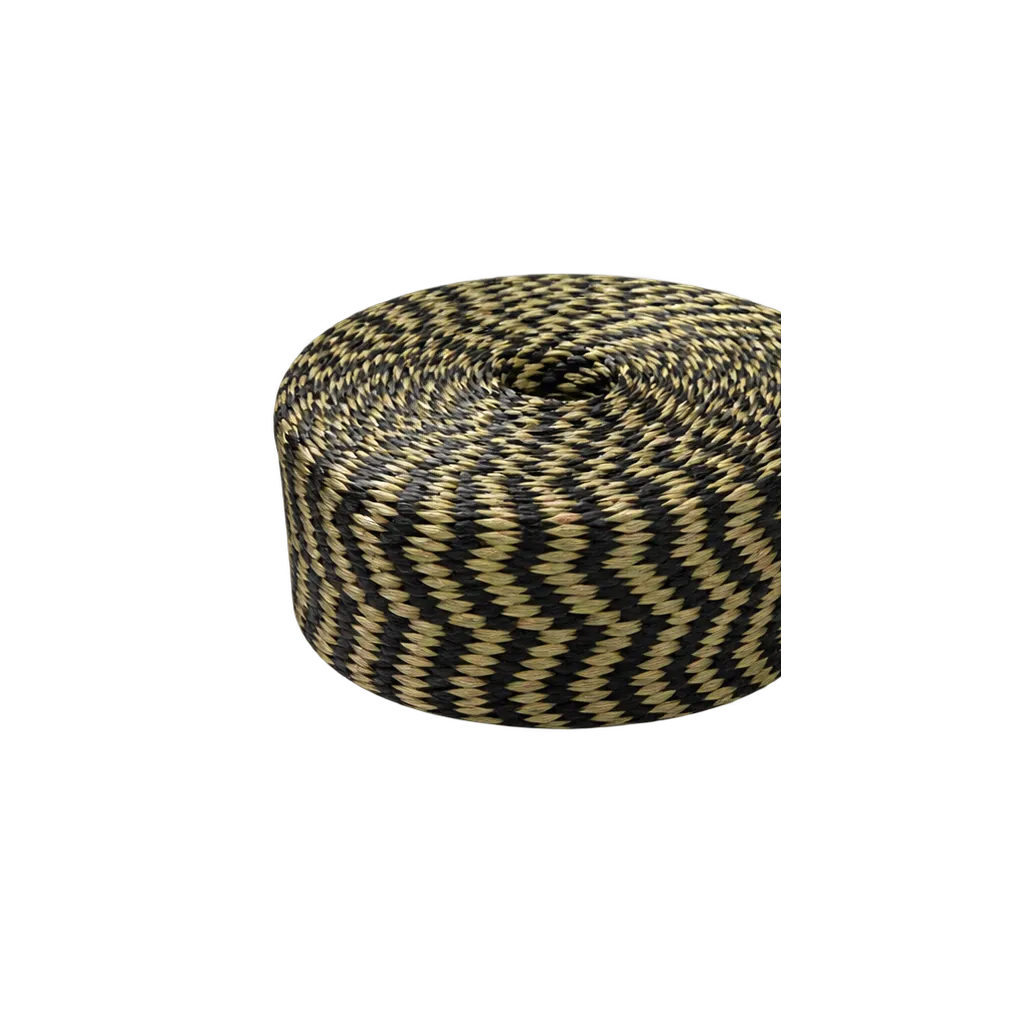
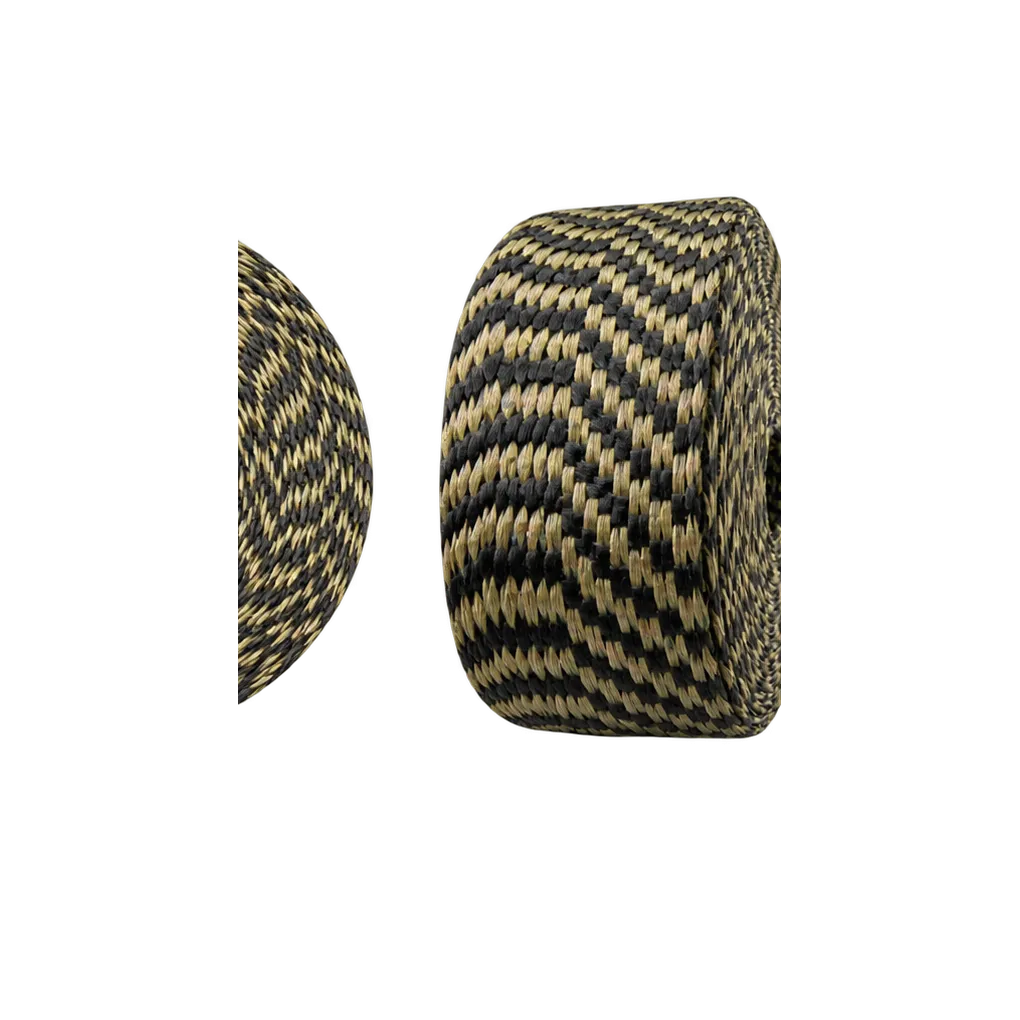
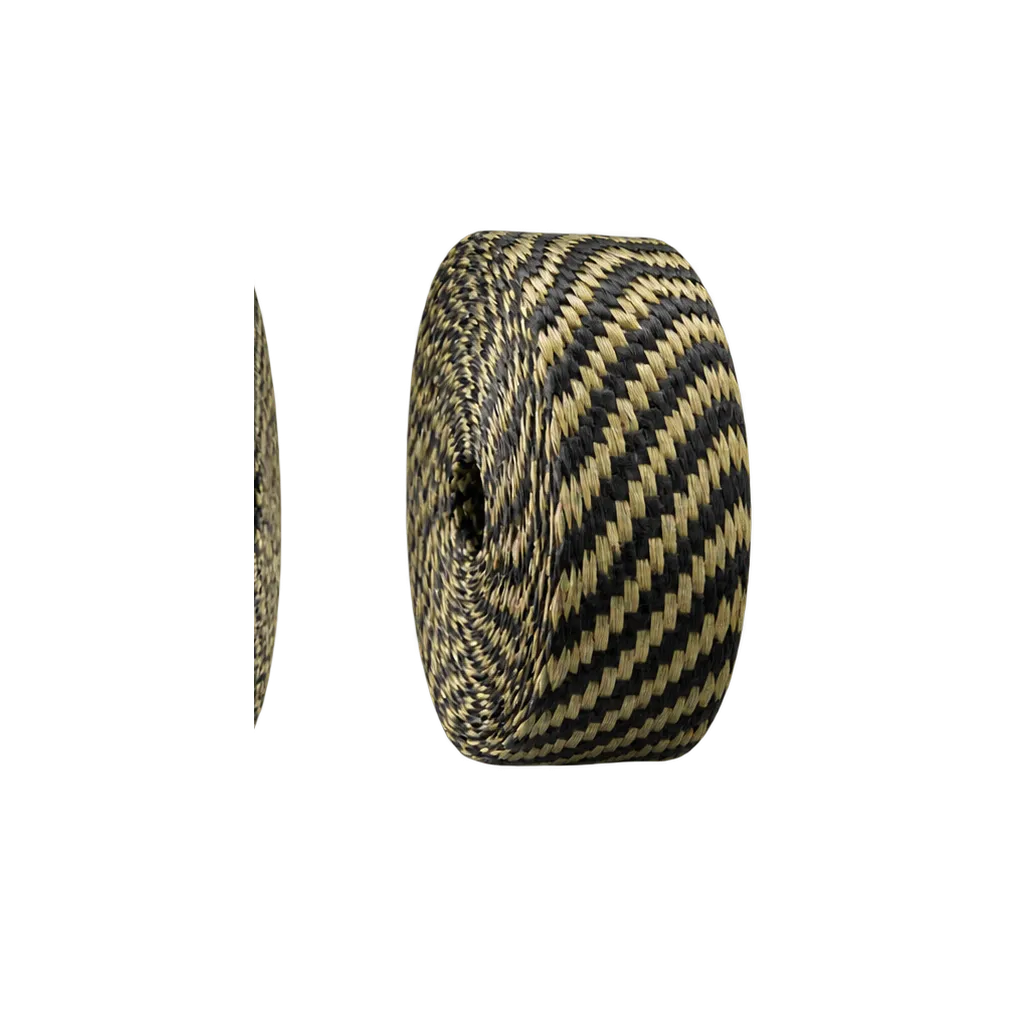
The CFS-2 is aimed at prosthetic workshops, where a positive mould of a residual limb is turned into a finished socket. The prosthetist plans the work, and the technician carries it out at the bench. Carbon fibre stockinette enters that routine as a layer: a length is cut from the roll, drawn over the mould and wetted with resin.
Width is the one decision the technician makes before cutting. Moulds differ from one patient to the next, so the CFS-2 is offered in 9 cm and 13 cm. The workshop matches the width to the mould in hand and cuts only the length that the job calls for.
Limb-fitting centres, the prosthetic units of rehabilitation hospitals, and independent laboratories all make sockets using much the same sequence of mould, stockinette, and resin. A short list of widths keeps the stock shelf easy to read at a glance, and a technician can tell which roll is wanted by reading the width alone.
Ordering follows from the same simplicity. With two widths under one item number, a buyer for a clinic or workshop names the item and the width, and the purchase is complete. Stock is counted by the roll, and the width in daily use is the one that gets reordered.
The wearer ends up with a socket built over the mould of their own limb, and the carbon fibre layer follows that form. Each person brings a different shape, so a workshop that holds both widths can respond at the bench without waiting for a special order.