
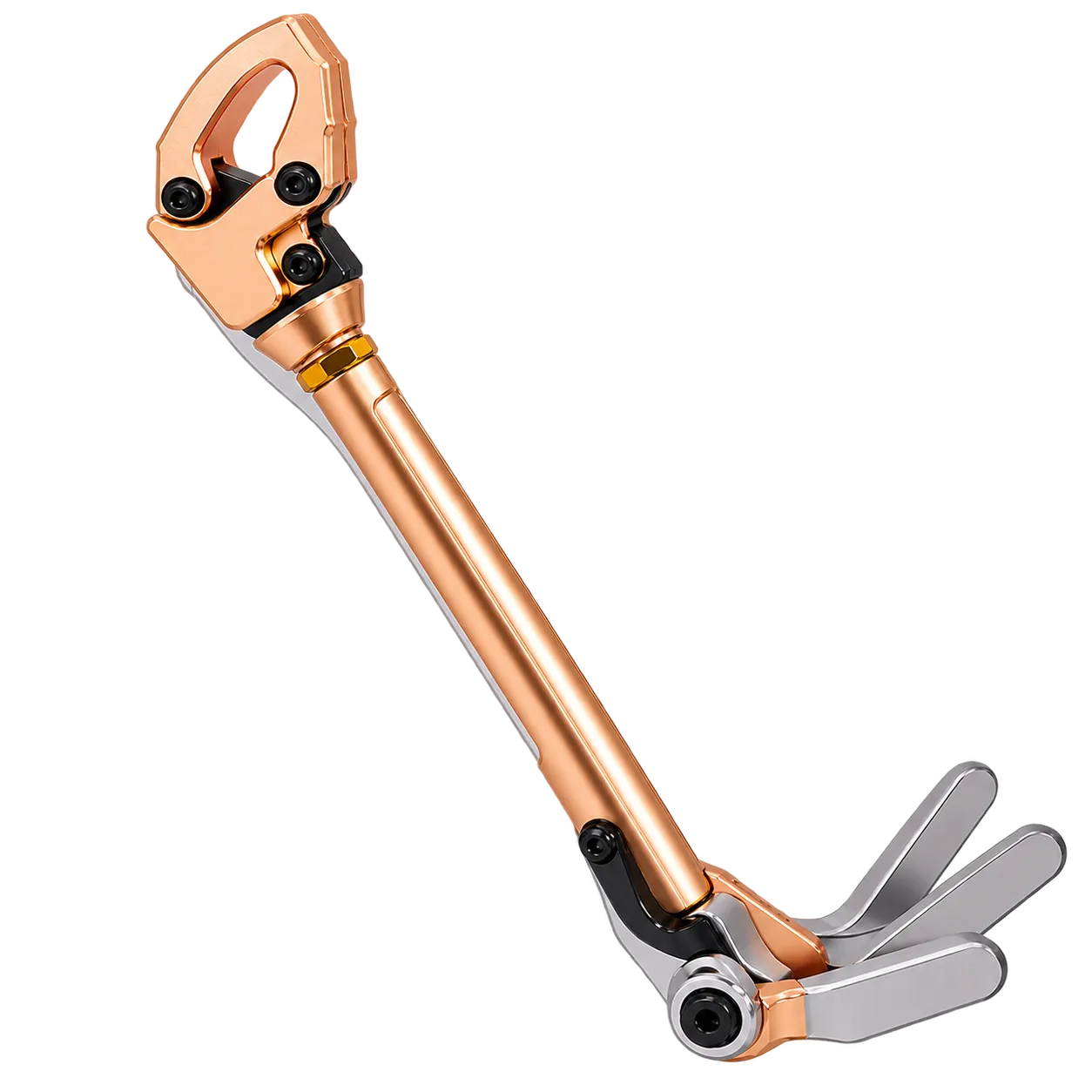
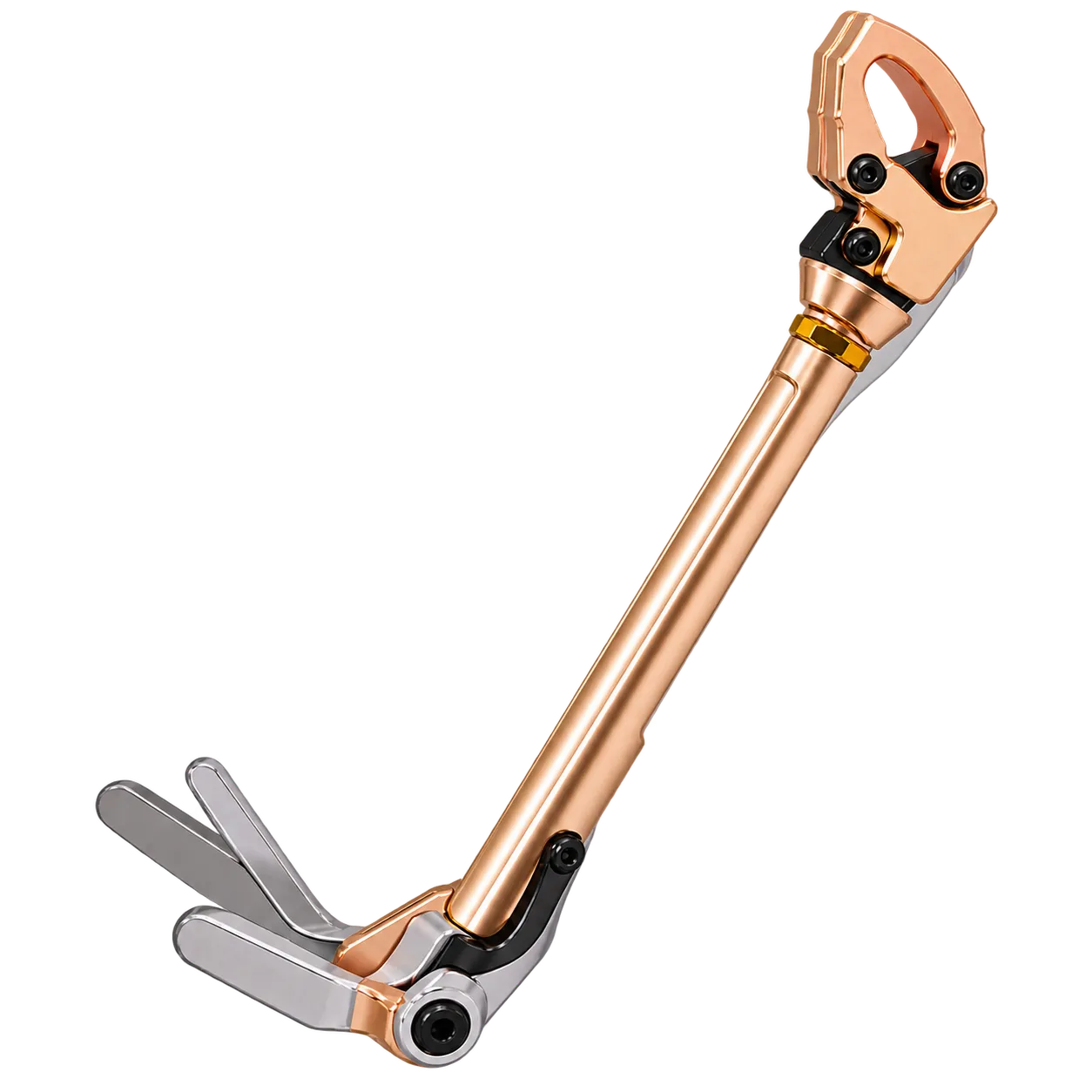
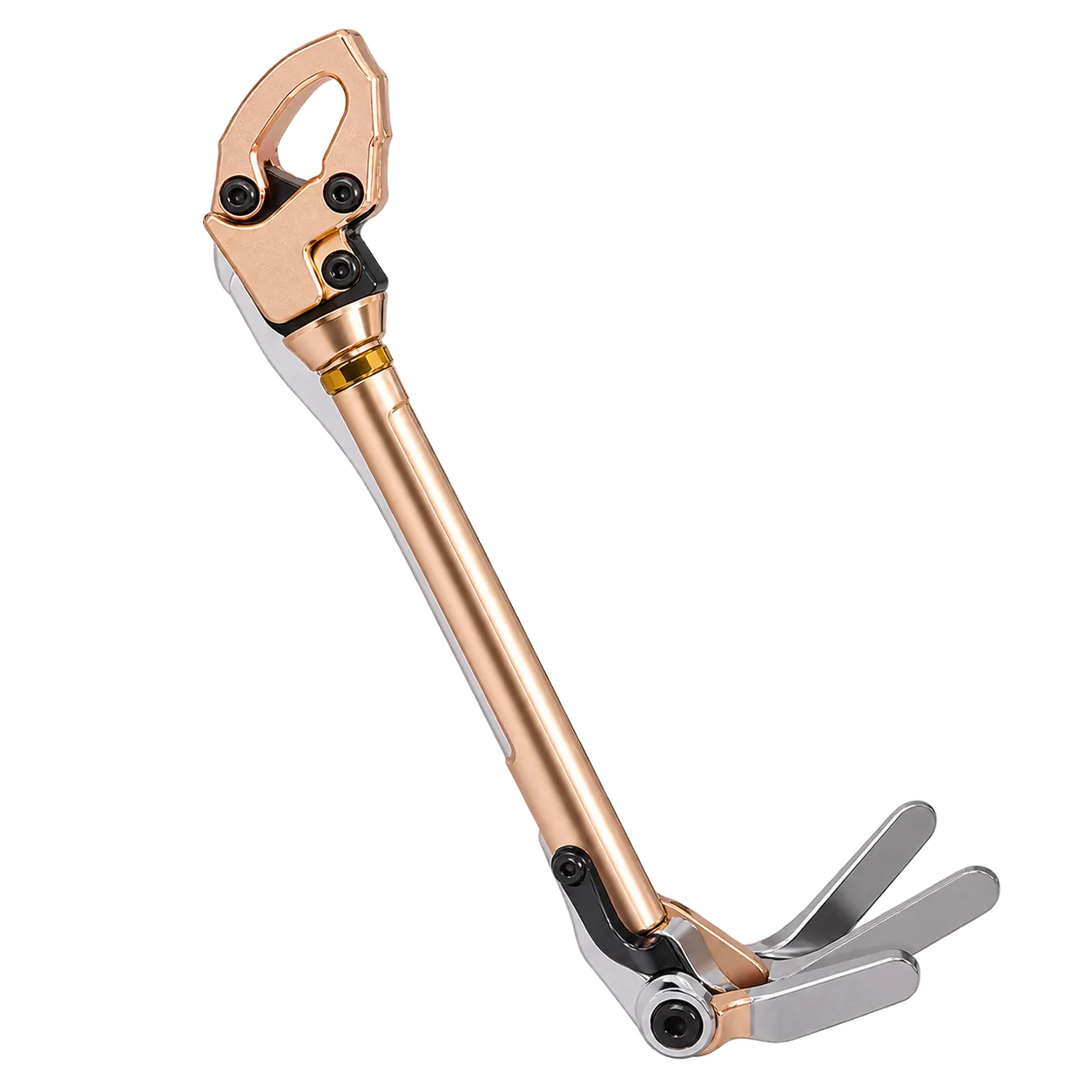
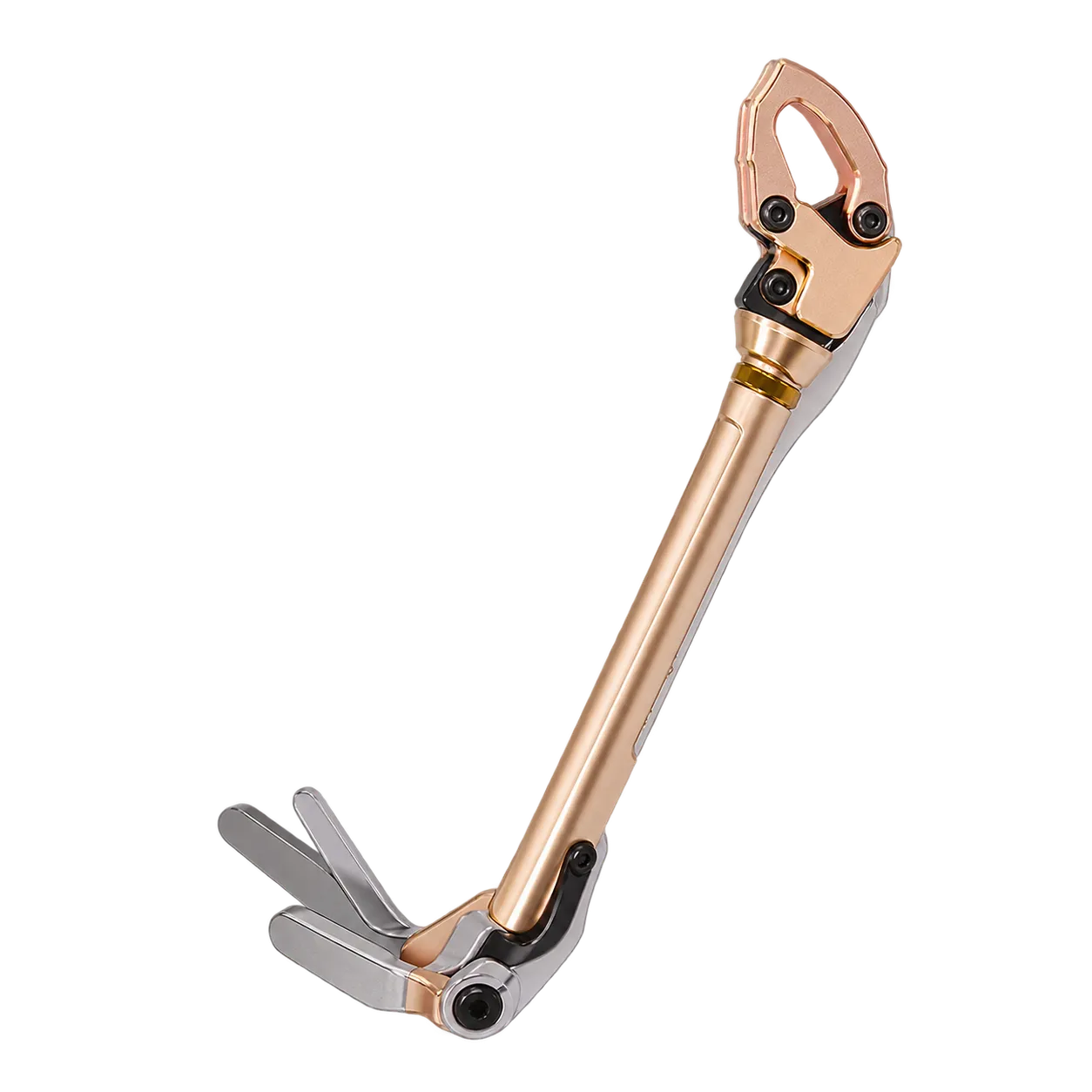
The CEDH serves one group precisely: people living with an elbow disarticulation. That level leaves the humerus at full length, with its wide lower end intact, and the skeleton is made for that limb. Prosthetic and amputee rehabilitation centres fitting upper-limb cases at this level can start from a frame built for it and spend their fitting time on the socket and the finish.
A cosmetic arm at this level earns its place through the hand it carries. With the fingers posed by the thumb and the wrist turned to suit, the hand becomes a steady holder for bimanual work. During dressing it can hold one side of a garment while the sound hand fastens the other. In the kitchen it pins a chopping board or holds a bag open. During cleaning it braces a bowl or a cloth against a surface. Each of these is a holding task, and a posed hand set once covers it.
Prosthetists in outpatient limb clinics and private prosthetic practices use the skeleton as the structural base of a finished arm. They fit it to a socket made for the long residual limb, then finish the arm to the wearer's chosen appearance. Occupational therapists working with the same wearers can then practise setting the thumb and turning the wrist for each daily task, because every adjustment is made by hand and is easy to repeat.
Wearers who want a light arm for daily life, travel and social settings are well matched to the CEDH. The frame weighs 0.43 to 0.50 kg, so it sits comfortably on the end of the humerus through the day. With nothing to charge, it is ready whenever it is put on, at home or away.