
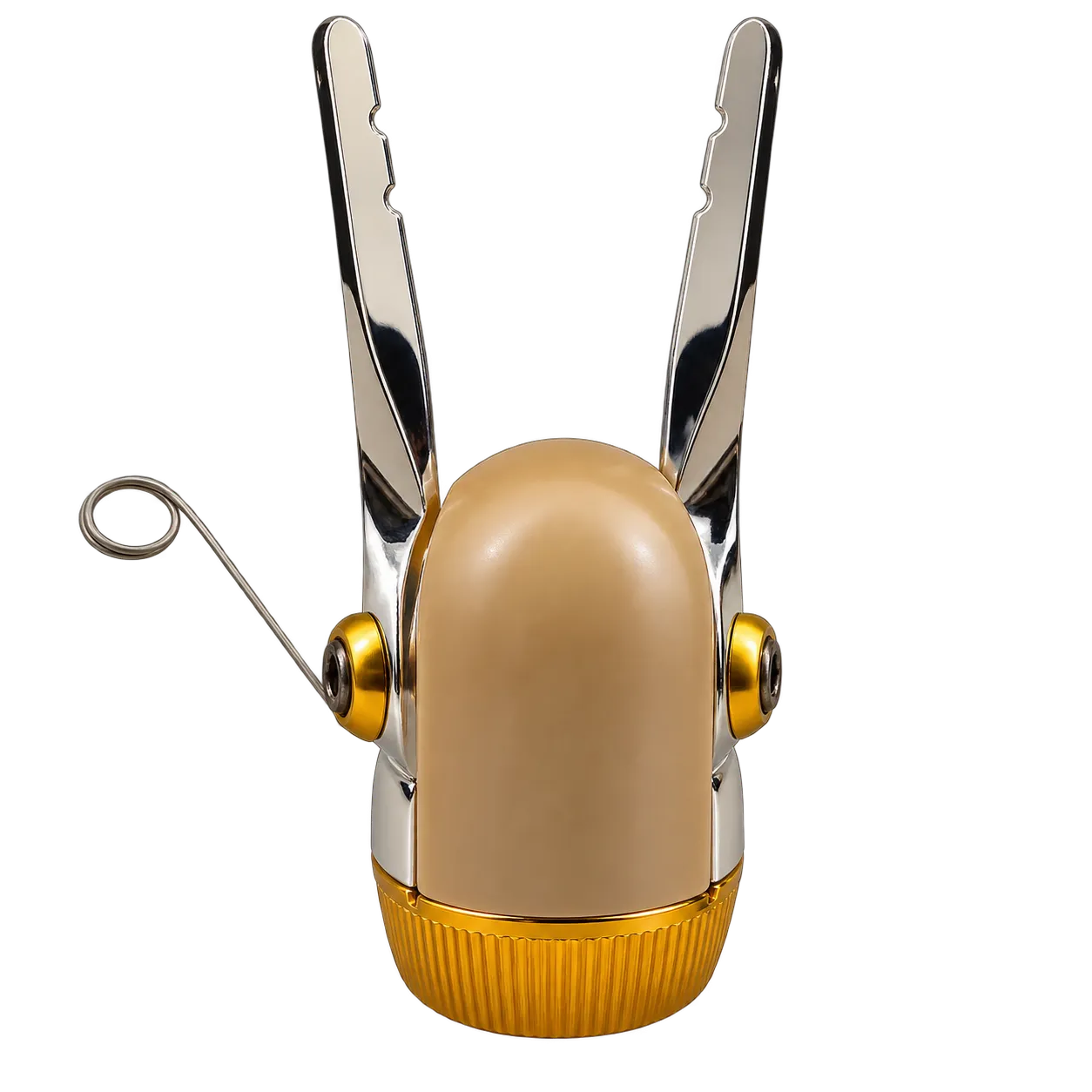
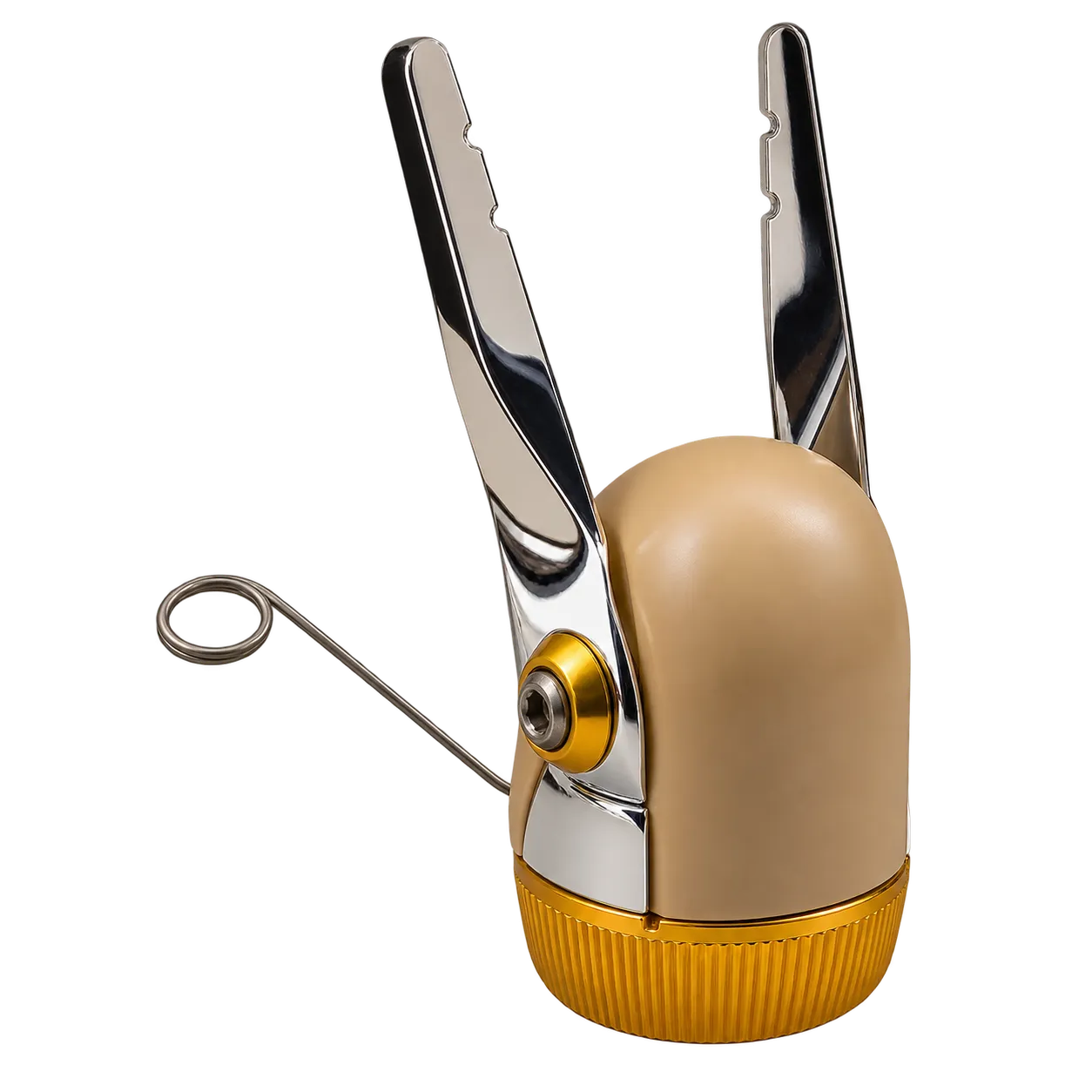
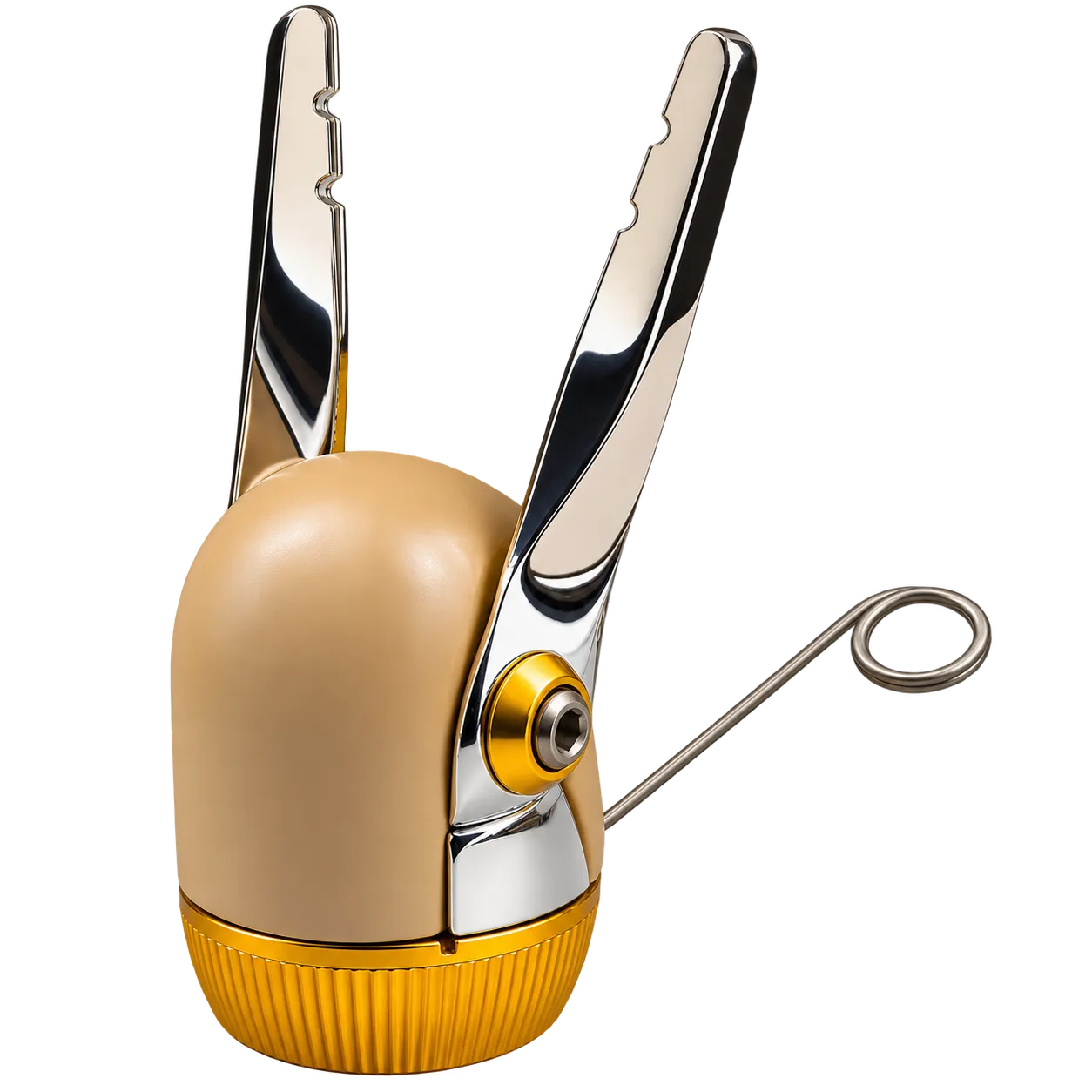
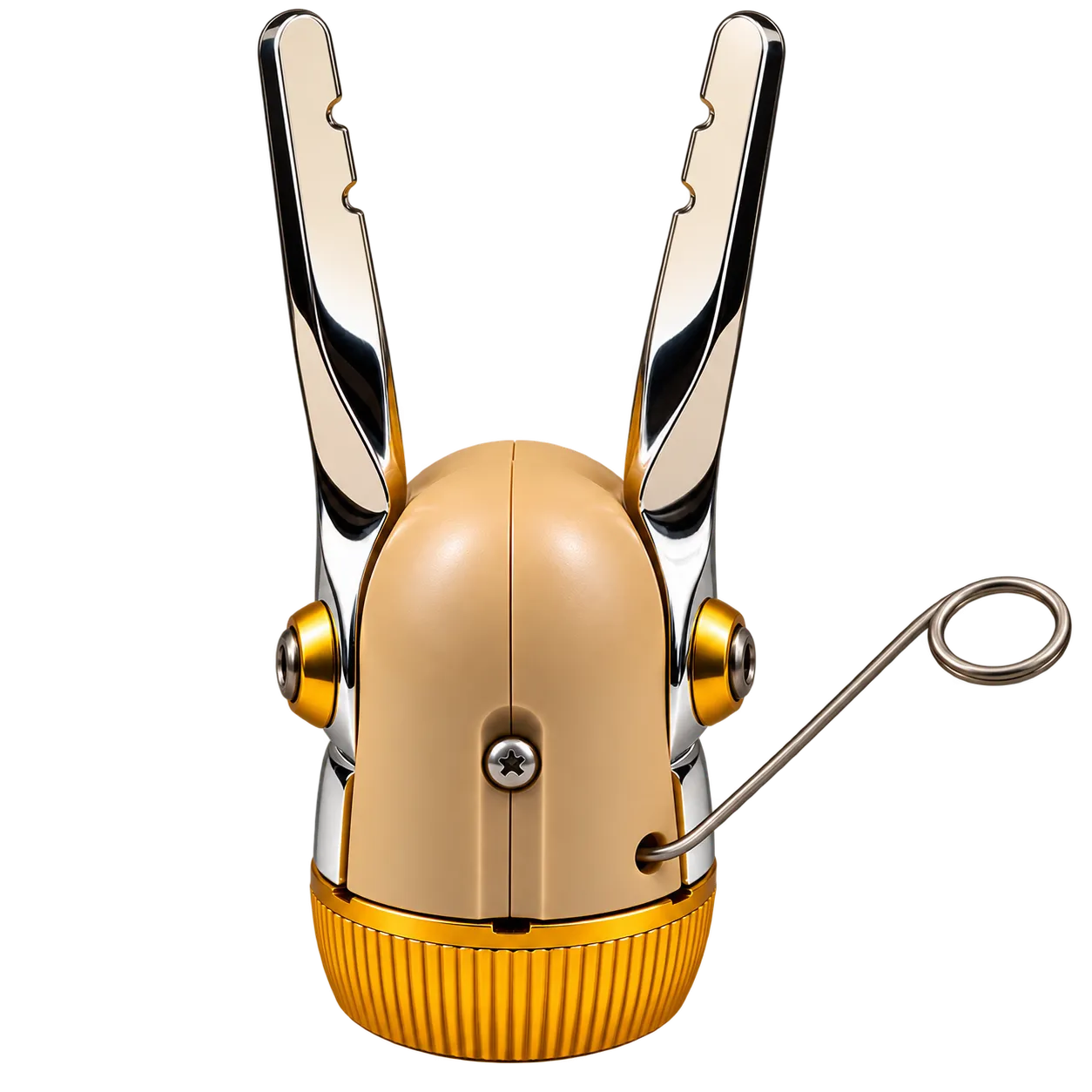
The CCEJ belongs in prosthetic and orthotic workshops, limb-fitting centres and upper limb rehabilitation services that build and maintain body-powered arms. Its users fall into two groups: the prosthetists and technicians who assemble the arm, and the person with arm loss above the elbow who wears it.
In the workshop, the joint is the elbow stage of a body-powered build. The technician joins it between the upper arm section and the forearm, then sets the cable route against the wearer's harness. Because the CCEJ has one job, cable-operated elbow movement, the build around it stays focused on that movement and the fitting session can be spent tuning the pull to the person's shoulder.
Rehabilitation teams then use the arm in training. An occupational therapist working with a new wearer can concentrate on a single link: a shoulder movement and the elbow bending in answer. Early sessions often centre on bringing the forearm up to a table, holding an object close to the body and lowering the arm again in a controlled way, with each repetition building familiarity with the cable pull.
At home and at work, the wearer uses the elbow during two-handed jobs. Carrying shopping, steadying a container while the other hand opens it and holding papers against the body all need the forearm to come up while the other hand gets on with the job. A light aluminium joint keeps the arm comfortable through days of these repeated movements.
Follow-up clinics fit the joint well too. With no battery or electronics inside the CCEJ, a review centres on the harness, the cable and the fit of the socket, which keeps those appointments short and practical for both the wearer and the fitting team.