
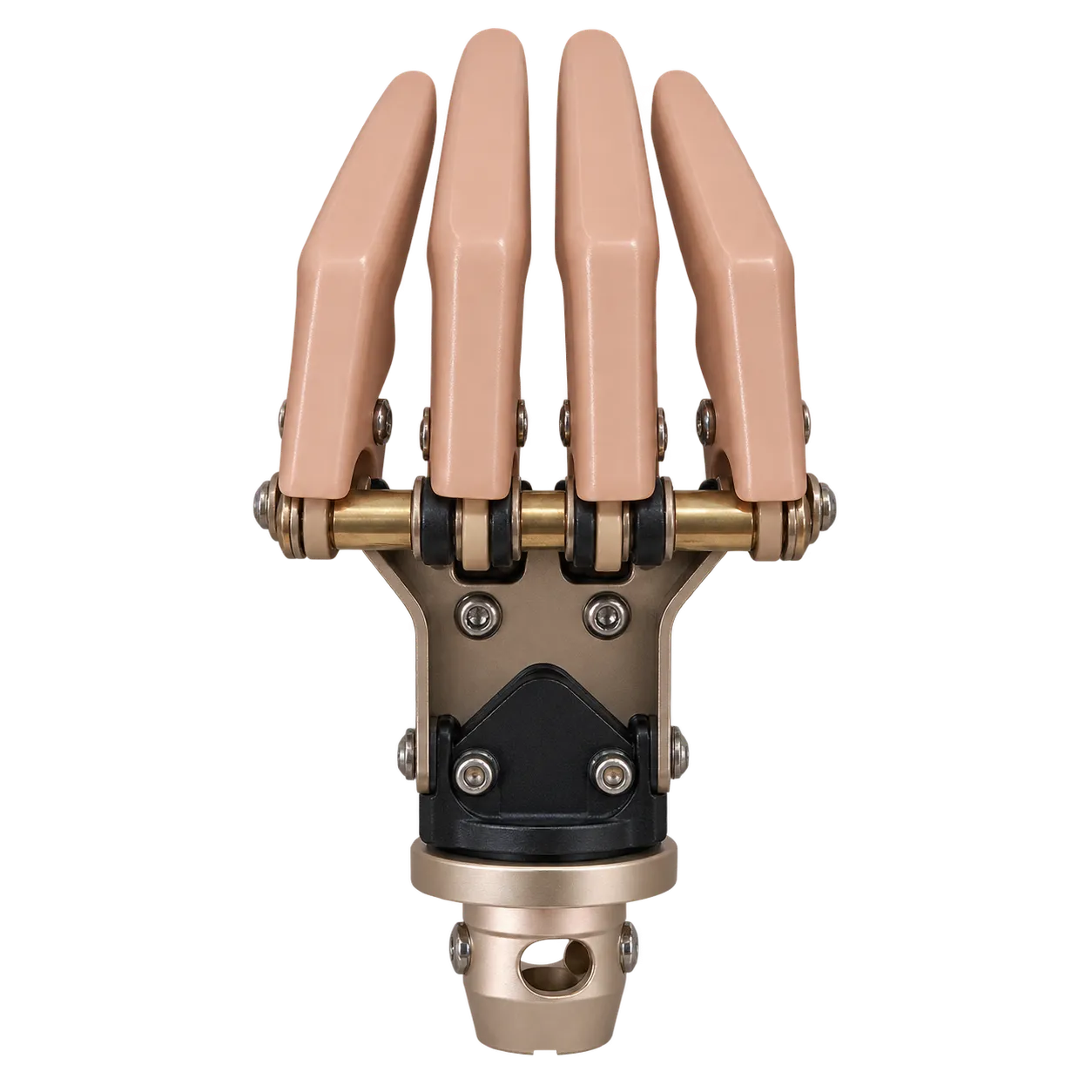
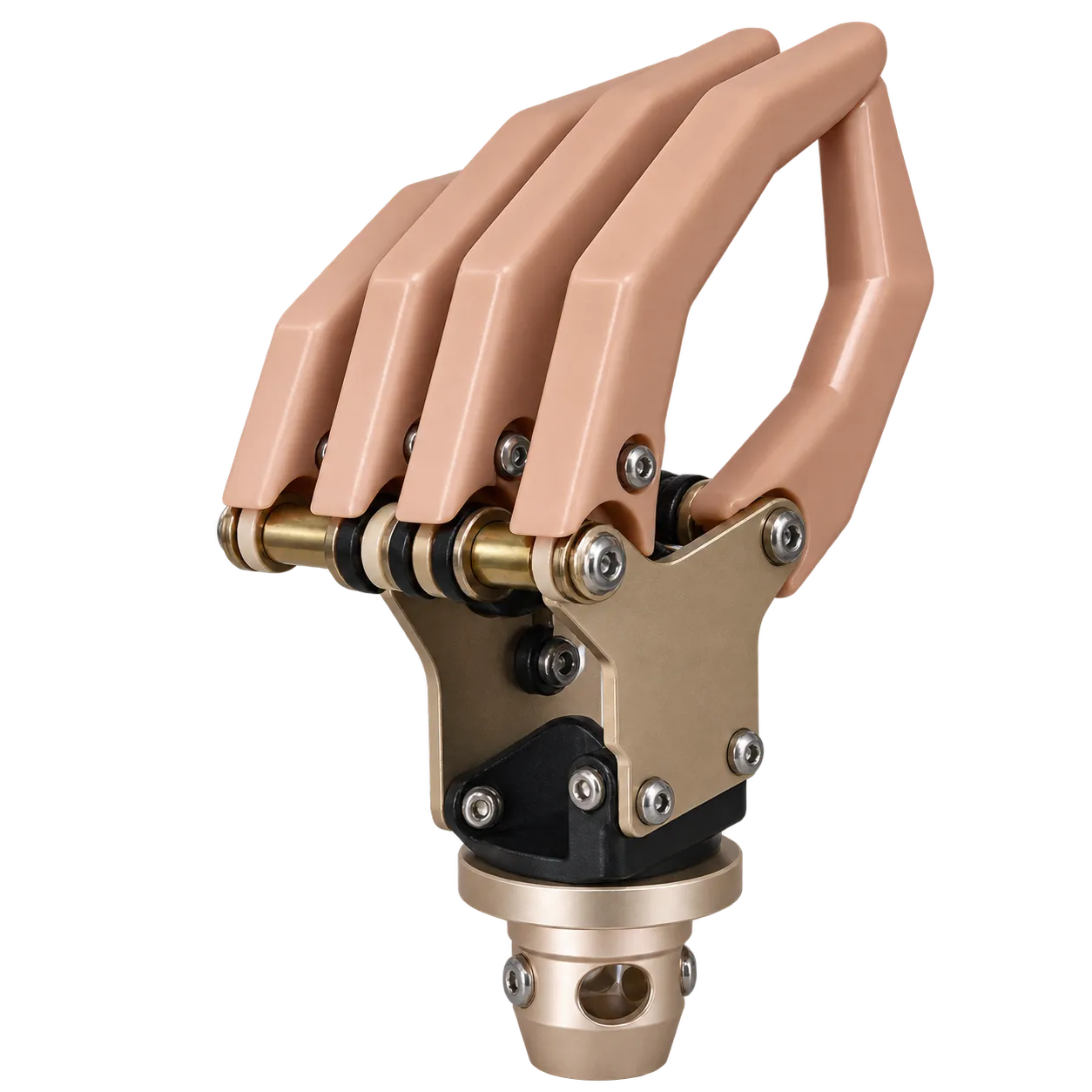
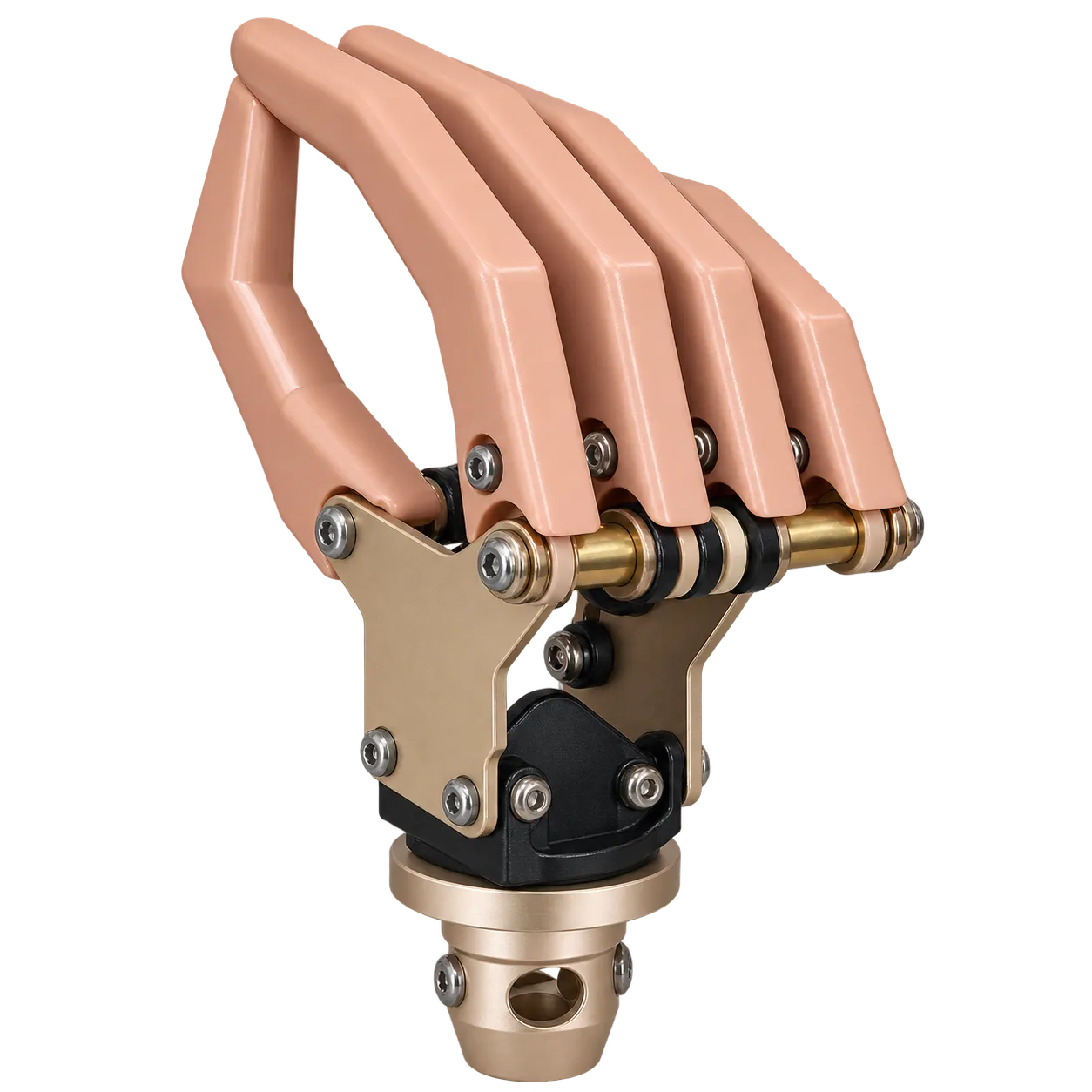
A cosmetic hand is chosen for how the arm looks and feels to wear in company, and the CBEH-2 is built for that brief. It belongs on a forearm or longer upper-limb prosthesis whose wrist unit matches the adaptor base on the manufacturer's drawing. The natural wearer is someone whose daily life puts the hand in view: at work, at the school gate, in shops and at family meals.
The evidence on appearance points both ways. A 2018 review of 38 papers found that roughly one person in three with an upper-limb deficiency uses a passive prosthesis, and it reported a survey in which 68 passive-hand users ranked appearance as the improvement they wanted most. A separate 2007 study of consumer design priorities placed comfort first and appearance second among passive-hand users. Against that, a 2011 systematic review of 15 studies found a slight lean towards function over cosmesis and wide variation in satisfaction.
Qualitative work explains why appearance carries weight for some people. Interviews with prosthesis users published in 2009 described cosmesis in terms of "being like everybody else", and a 2008 study of 11 men with one-sided arm amputation found that the prosthesis helped them minimise a sense of looking different. None of this research tested the CBEH-2, so no outcome is claimed for it.
The practical work follows from that. Shade matching, glove choice and a realistic conversation about what a passive hand cannot do belong in the first appointment.
Limb-fitting centres, independent prosthetic practices and export programmes supply cosmetic hands as first prostheses and as social arms. NHS services in England buy through a mandated framework, and public buyers elsewhere expect traceable supply. The conformity documentation those procurement routes require is issued by the manufacturer and shared by the enquiry team.