
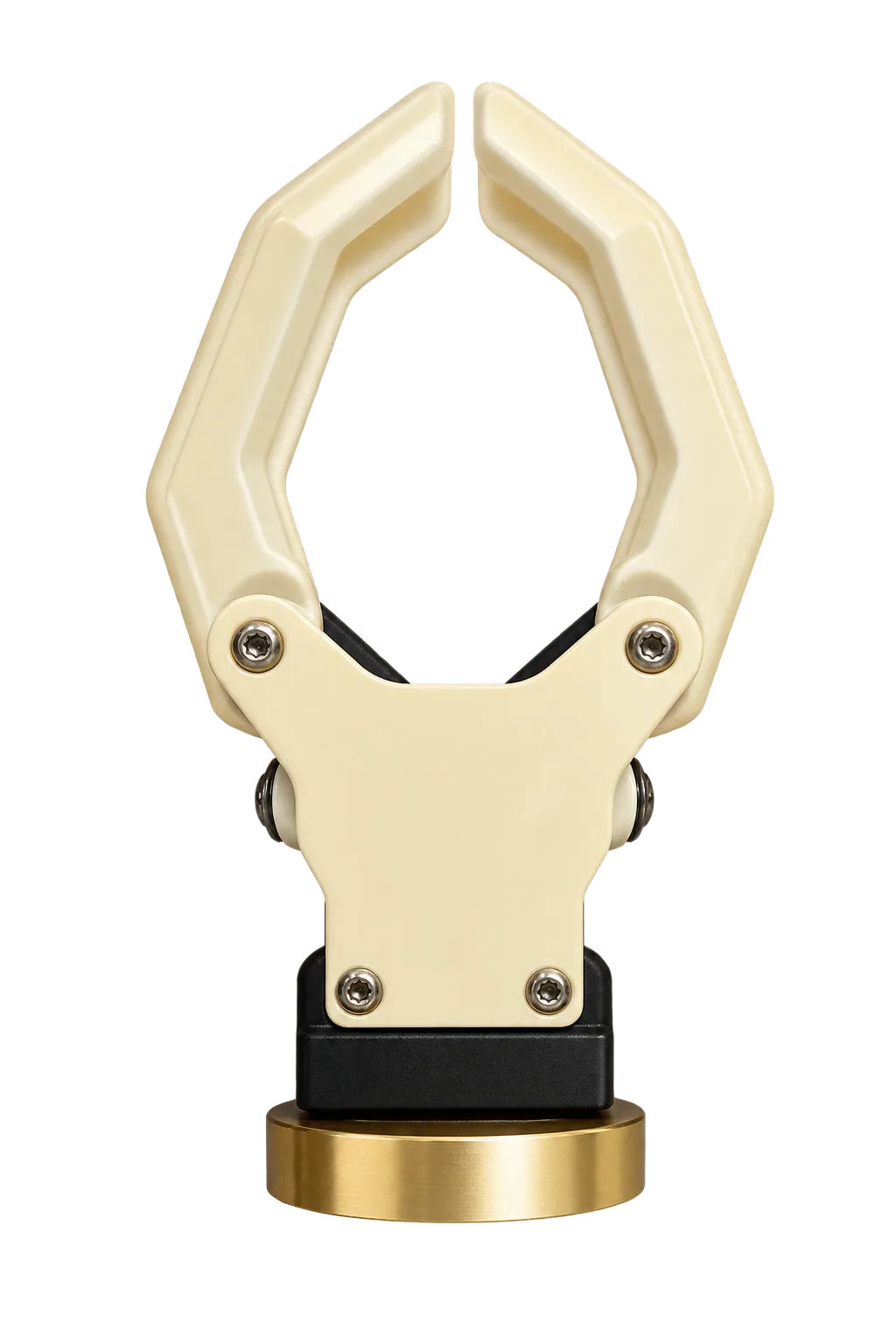
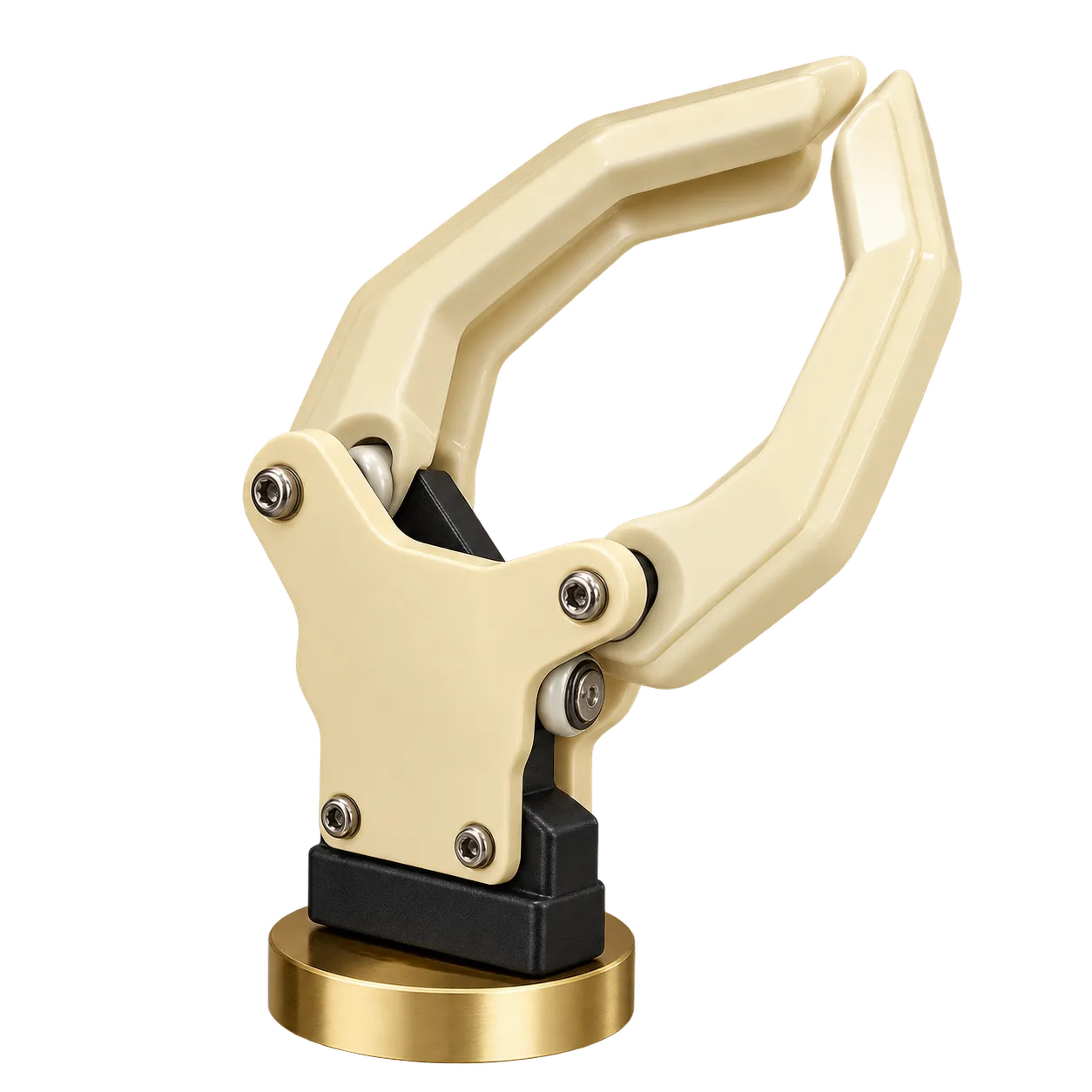
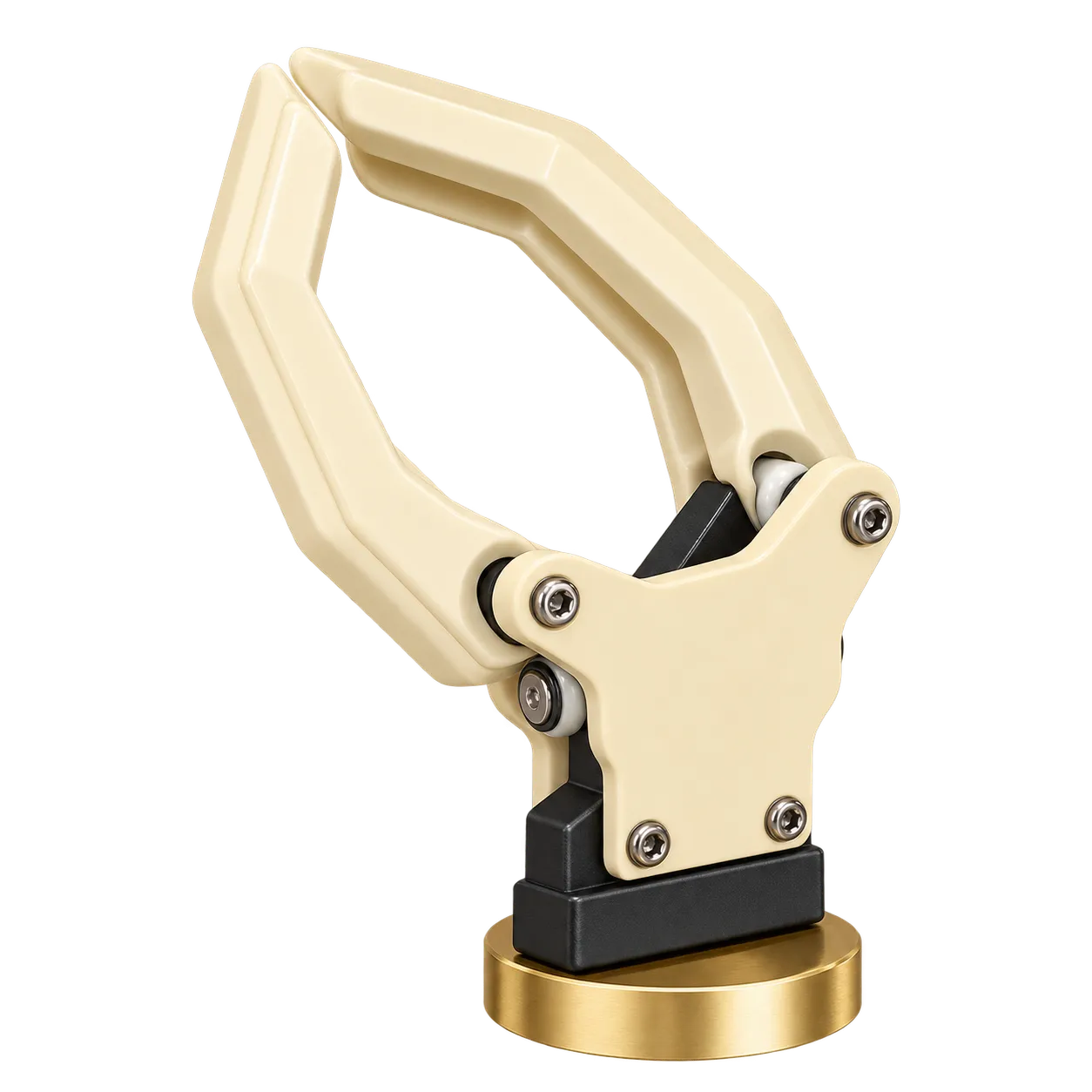
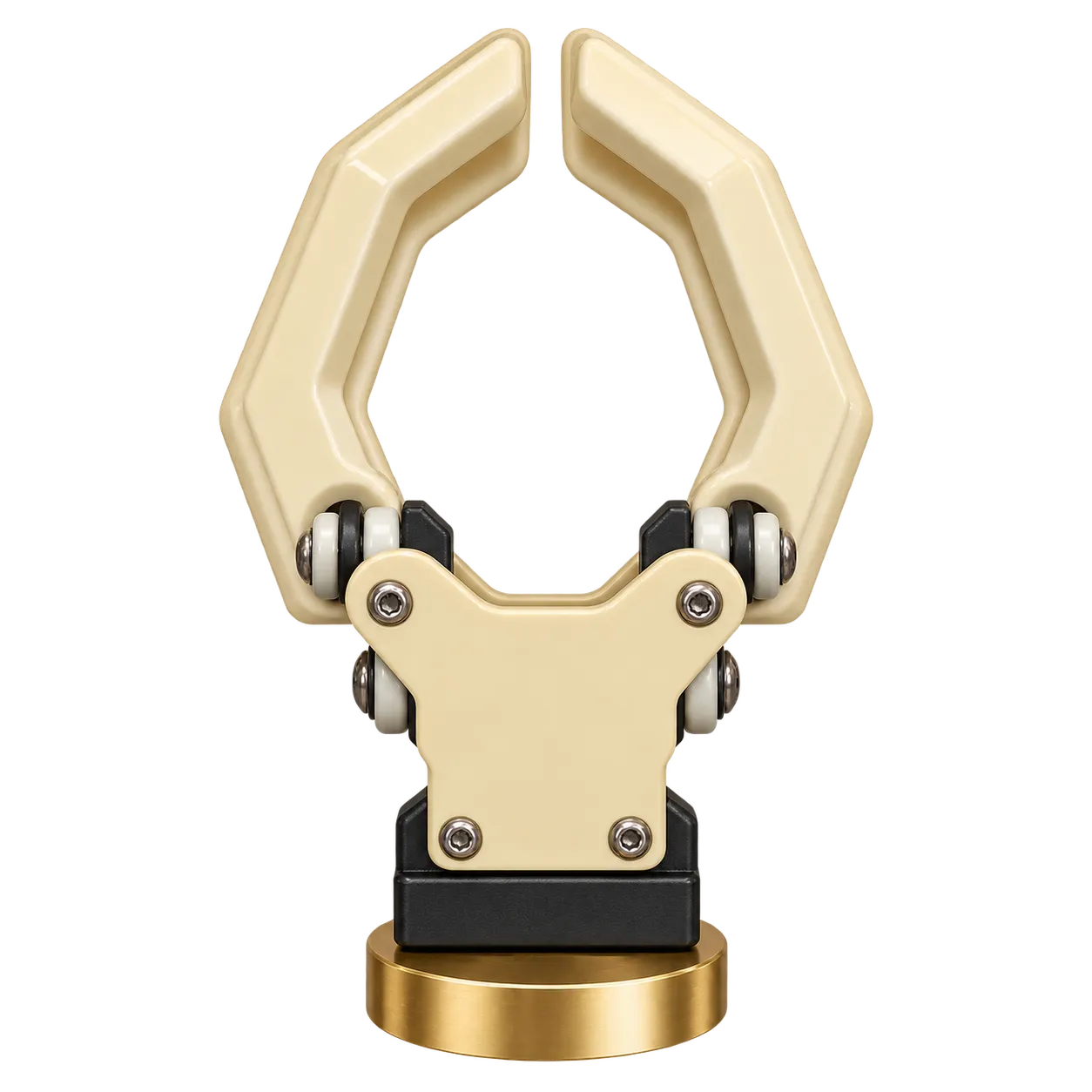
A passive hand earns its place where appearance and steadying matter to the wearer more than grip. The CBEH-1 belongs at the end of a forearm or full-arm prosthesis whose wrist fitting matches the manufacturer's drawing, under a cosmetic glove that its three or five fingers fill.
What it gives up is real, and the literature says so. A 2018 review of 38 papers found that users of passive hands report difficulty with pulling, gripping, holding and releasing objects. The same review found that about one in three potential prosthetic hand users wears a passive prosthesis: 489 of 1,428 people across ten user studies, with individual studies ranging from 13% to 64%. Passive hands are therefore a large part of everyday prosthetic use.
Video evidence shows how that use looks. In the 1998 study of 66 people filmed at home, cosmetic prostheses were used for stabilising and other non-manipulative actions as often as functional ones. Manipulative actions came almost entirely from people whose device could be operated, and cosmetic users pulled objects less often. A frame that steadies a jar, holds paper flat or carries a bag placed over it is doing the job the evidence describes.
Rejection frames the decision as well. A 2007 review put mean rejection of body-powered and electric prostheses at 26% and 23% in adults, higher in children, and reported no separate rate for passive hands, so none is claimed here.
Limb-fitting centres, independent prosthetic practices and export programmes all fit passive hands, often as a first prosthesis or as a social and office arm. NHS limb services in England purchase prosthetic products through a mandated framework, and equivalent public procurement elsewhere expects traceable supply as well. The conformity documentation those procurement routes require is issued by the manufacturer and shared by the enquiry team.