
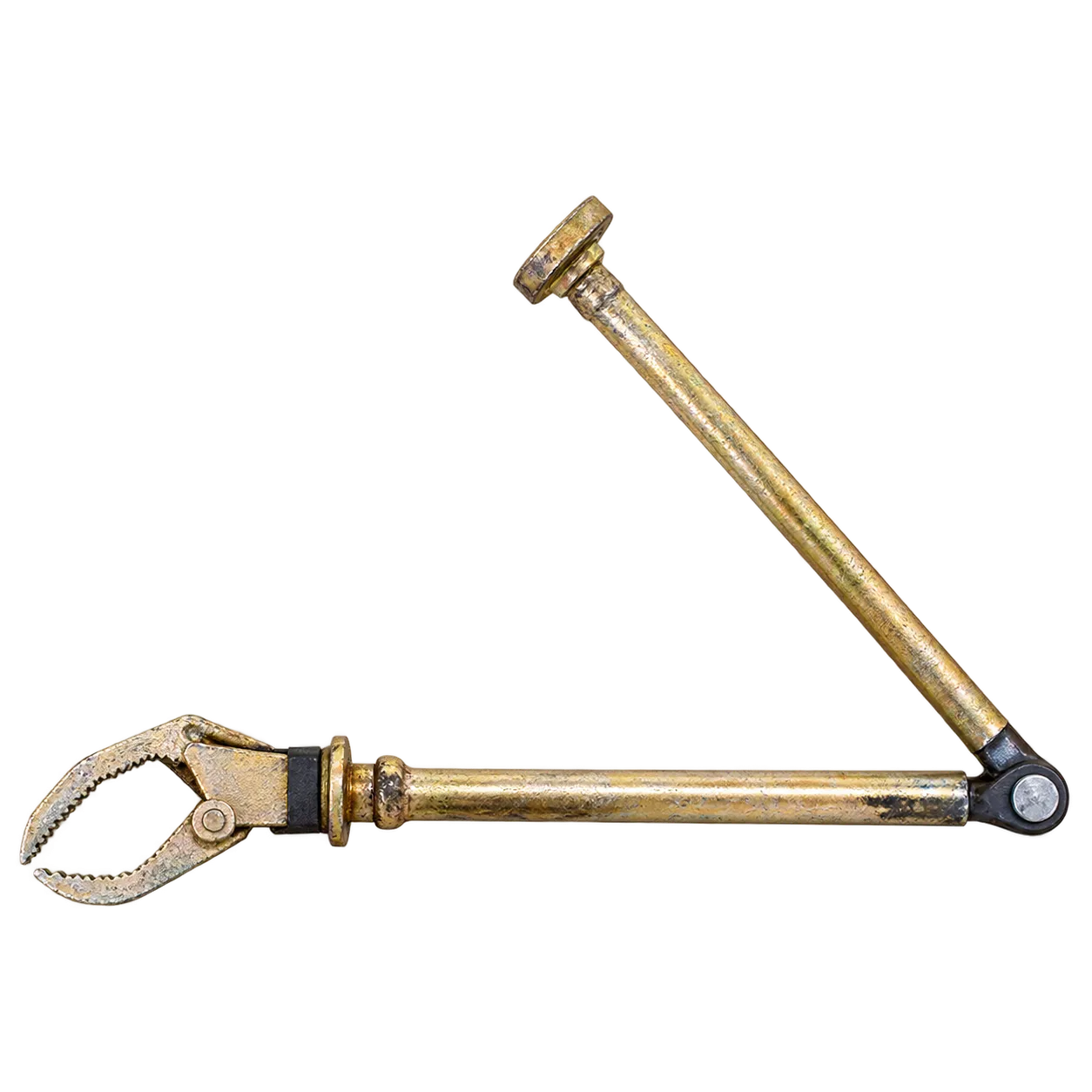
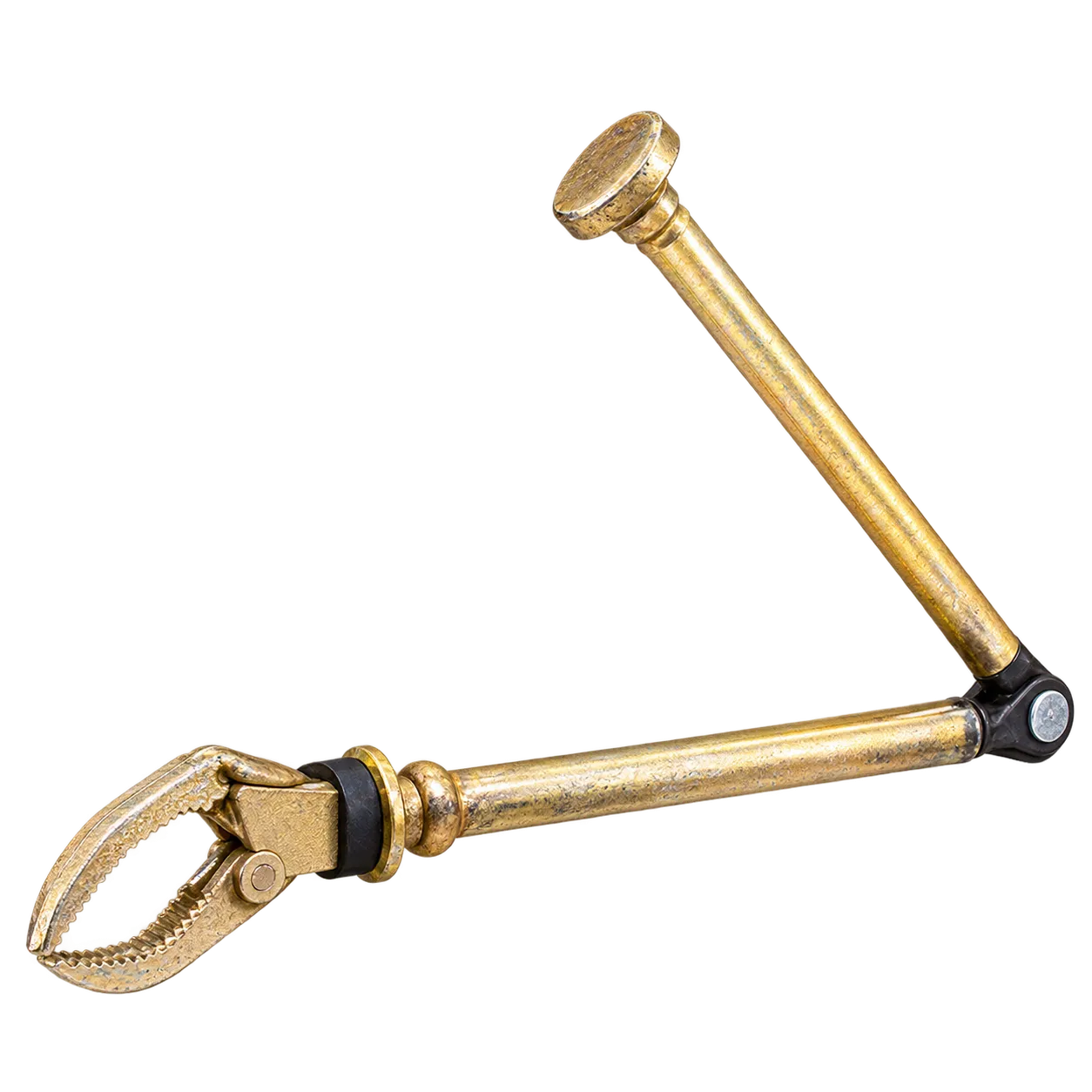
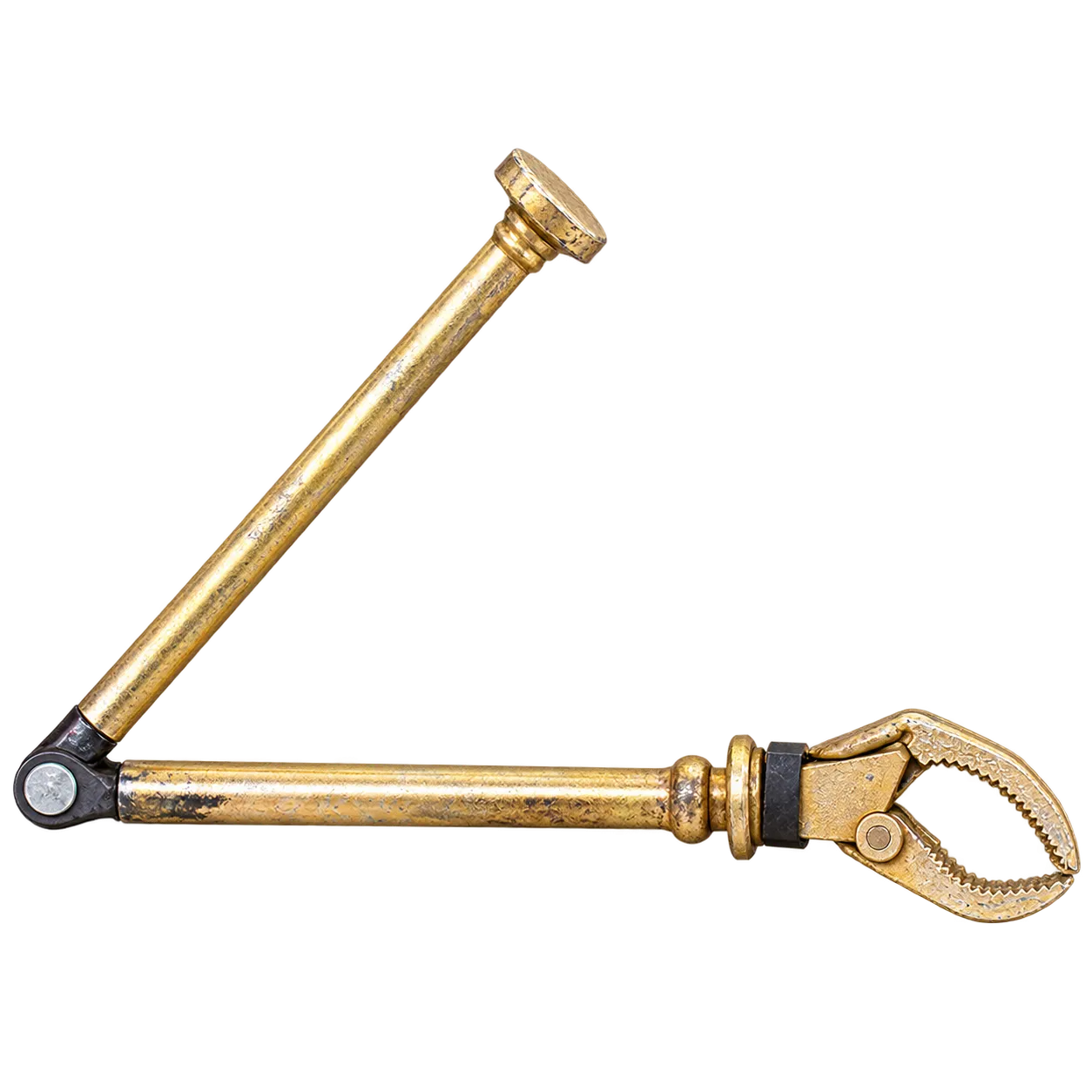
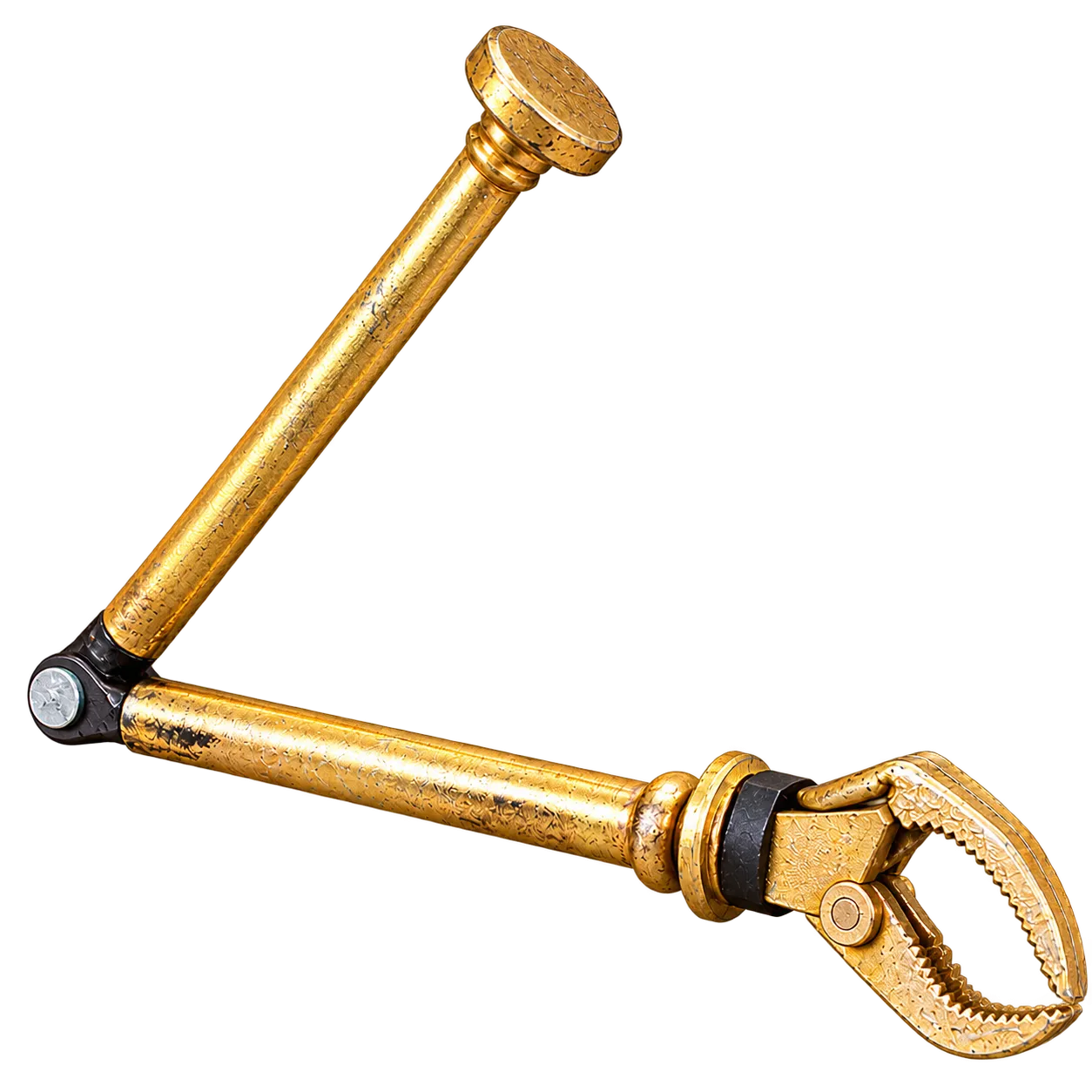
Prosthetic workshops and upper limb clinics fitting cosmetic arms at shoulder level are the natural home for the CAEH. The prosthetist or technician builds the finished arm around this skeleton, then hands it over to a wearer who will set its joints by hand for the rest of the day. Rehabilitation centres that train new users in passive prosthesis handling also put the frame to work, because each of its three movements can be taught separately and practised in a single session.
For the wearer, the arm earns its place in two-handed routines where the prosthetic side steadies, holds or carries. Seated at a desk, the elbow can be bent with a push on its handle and the hand turned palm-down to brace a notebook while the sound hand writes. At a dining table, the forearm can rest at a comfortable bend with the hand laid on the tabletop beside the plate. Out of the house, a bag handle or a folded jacket can hang across the bent forearm, and a second press straightens the arm again for walking.
The finger choice shapes the fitting conversation. A three-finger hand suits wearers who want an uncomplicated frame for holding light objects through the thumb action. The five-finger version suits fittings where the outline of the hand matters most, such as a wearer who prefers a full natural silhouette at social events or at work.
Technicians assembling the arm benefit from the 0.45 kg aluminium frame, which handles easily on the bench and keeps the finished limb light. Clinic teams reviewing wearers over time find the joints easy to reach and demonstrate, since the elbow handle, thumb and wrist each move in plain view.