
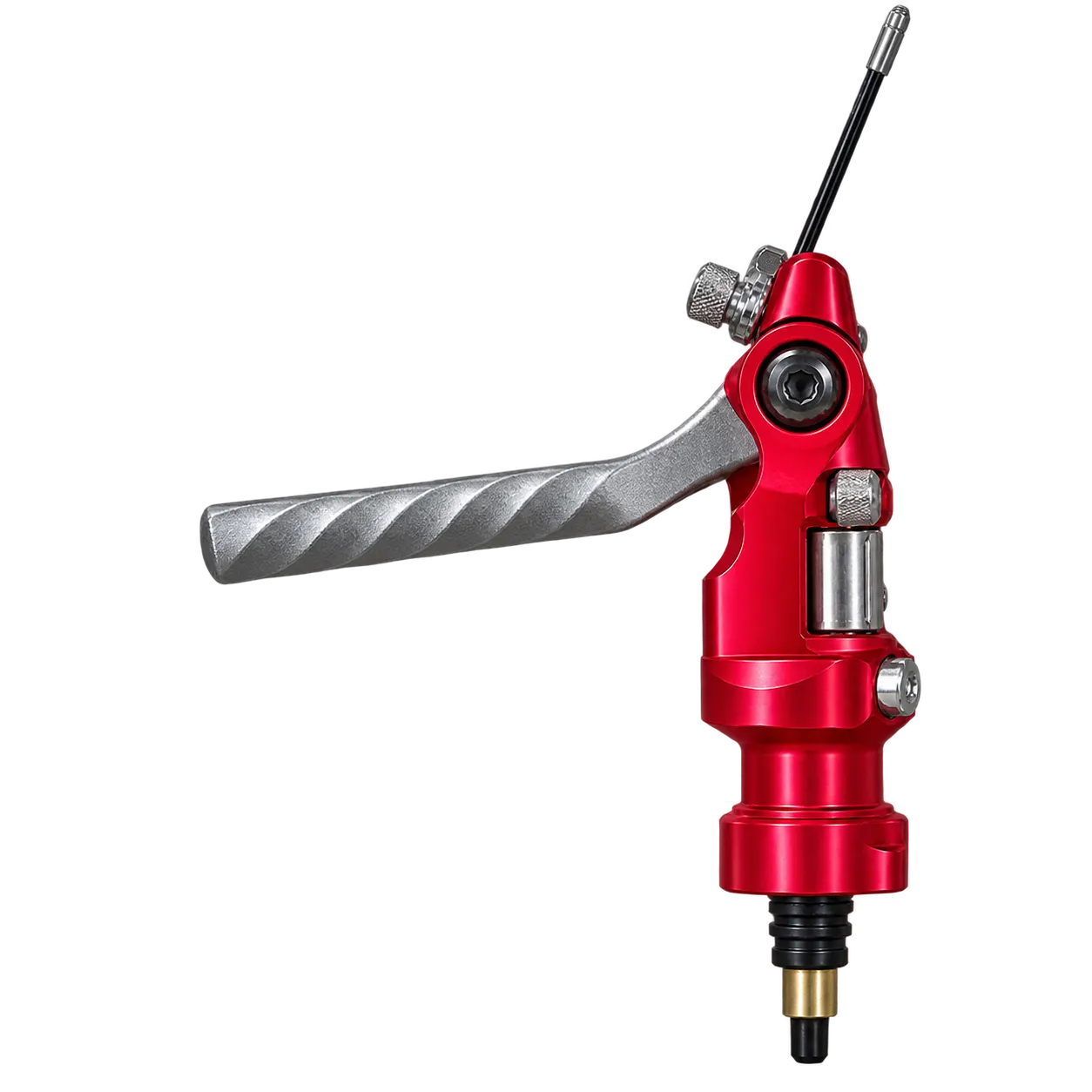
The C7E6-A is used in specialist paediatric prosthetic clinics, limb-fitting centres that serve children with high-level amputation, orthopaedic oncology services and children's rehabilitation hospitals. Its users are children with hip disarticulation or hemipelvectomy, most often after surgery for bone or soft-tissue tumours, after severe trauma, or with a congenital limb difference at hip level.
Hip-level fittings in children are rare and demanding, and the focused design of the C7E6-A reflects that. A hip-level prosthesis has to be controlled from the trunk, through a socket that wraps the pelvis, so the weight and size of every component matter. A four-bar hip joint scaled to a child's frame and built in aluminium alloy at 400 g keeps the top of the leg compact and light, while its four-link geometry gives controlled, stable movement for standing and walking.
The prosthetist shapes the socket around the child's pelvis and torso, mounts the C7E6-A, and aligns it with the knee and foot below. Physiotherapists then work with the child on standing balance, walking and sitting. The flexion range listed for the joint allows the child to sit at a desk, on low seats and on the floor with playmates, which matters for joining in at school and at home.
Children with hip-level prostheses are reviewed often as they grow. The 75 kg rating lets the same joint stay in use across socket rebuilds within its range. Typical uses include a first hip-level prosthesis after paediatric tumour surgery, a rebuild for a growing child, and a prosthesis for a child with a congenital hip-level difference. In every case, the C7E6-A brings a four-bar hip to a child's scale.