
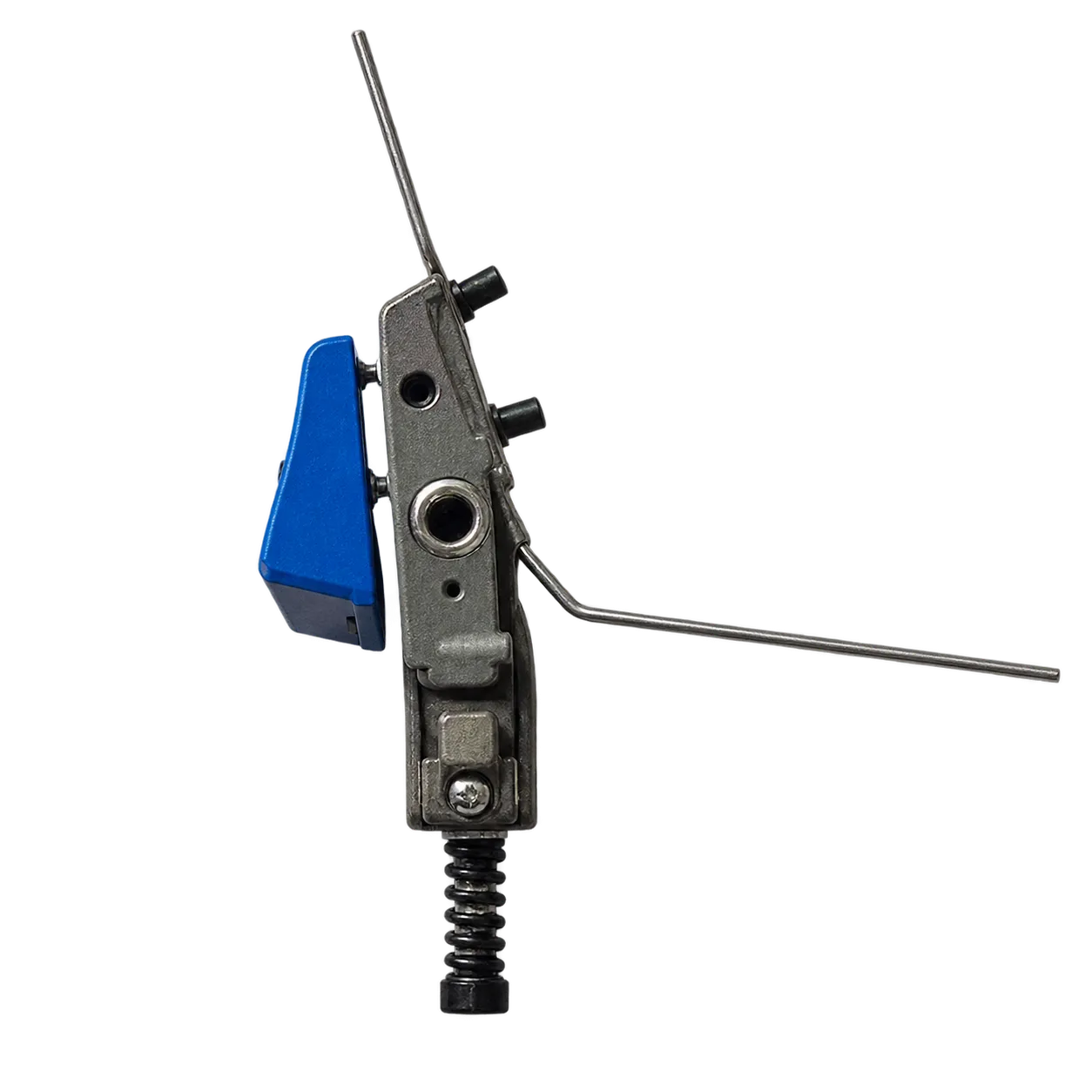
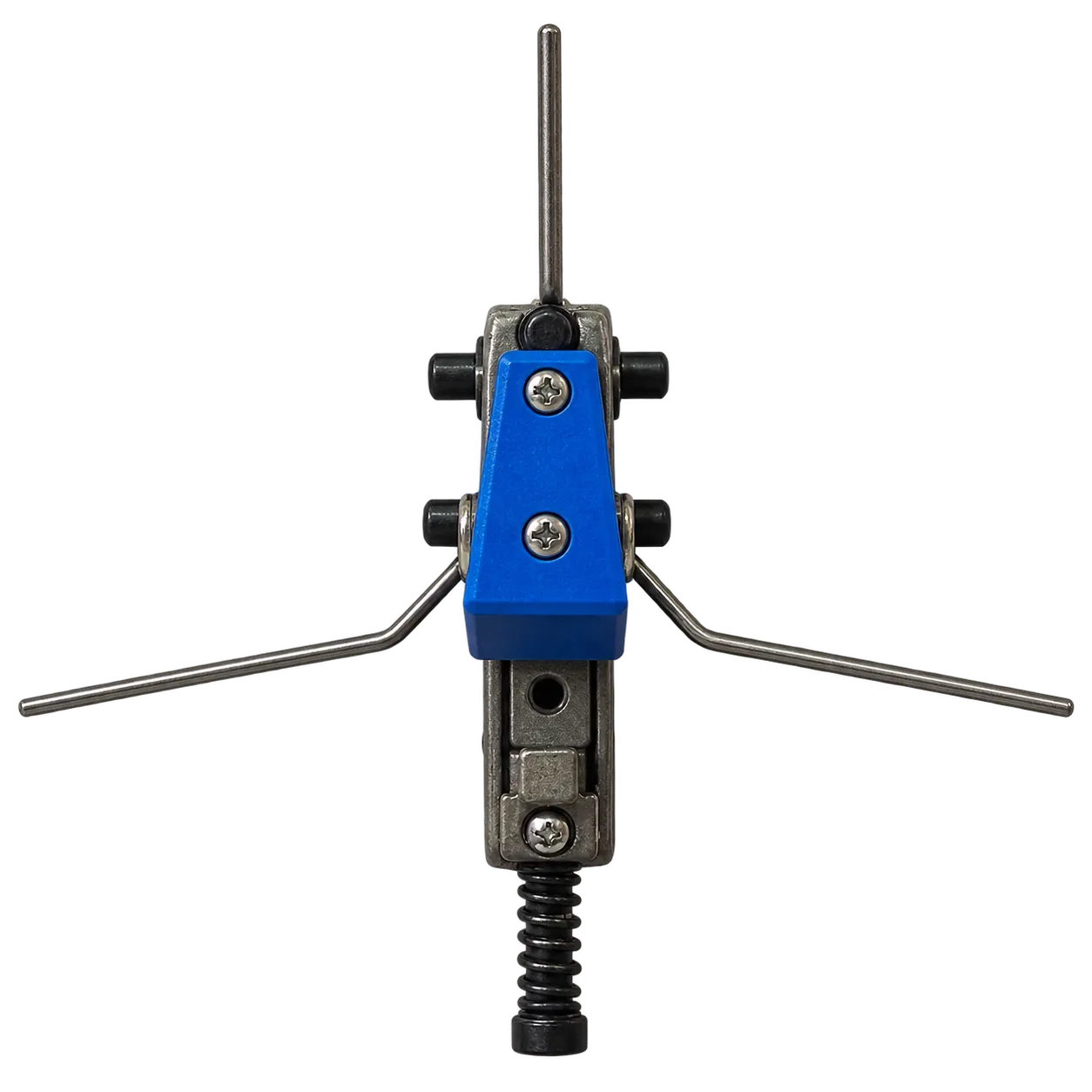
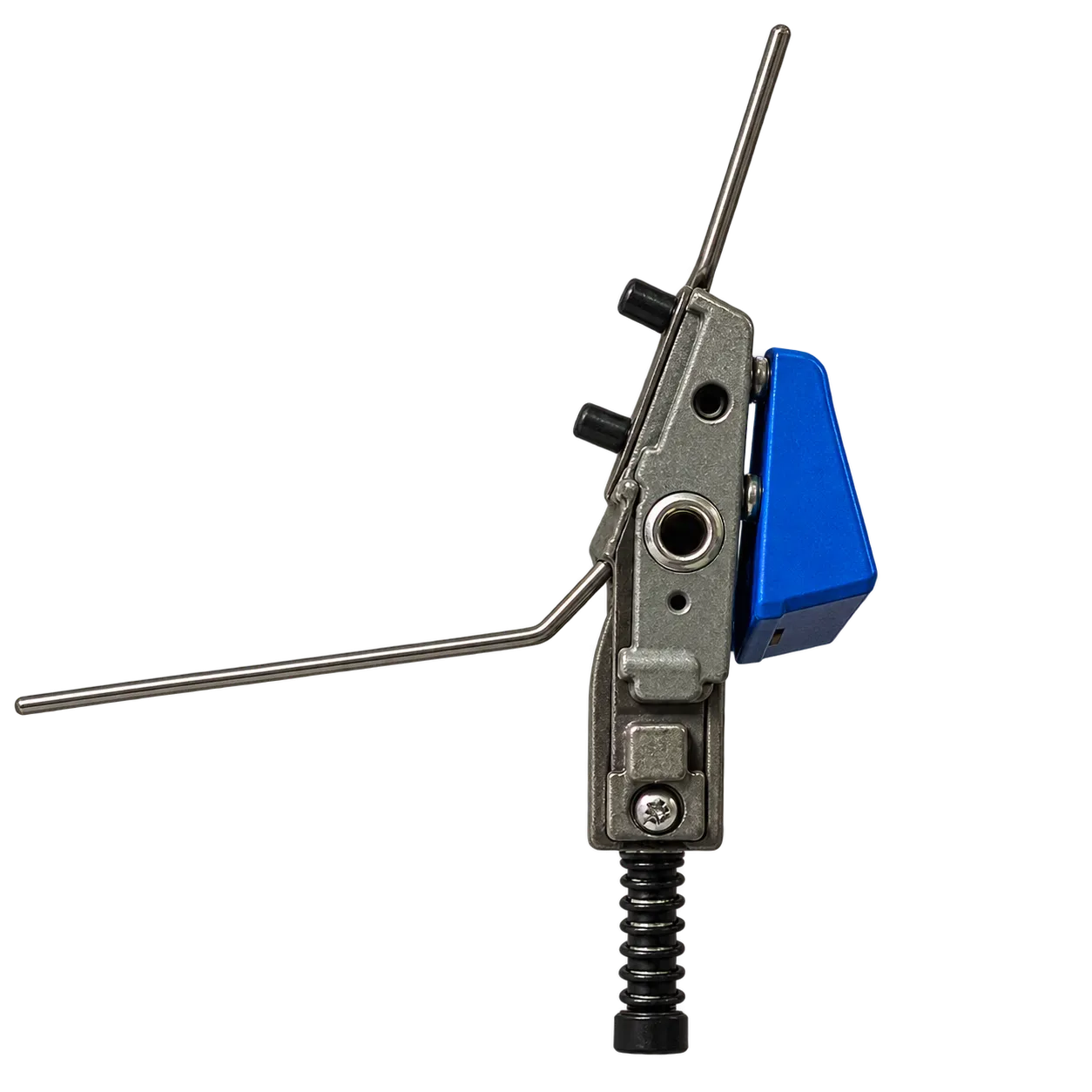
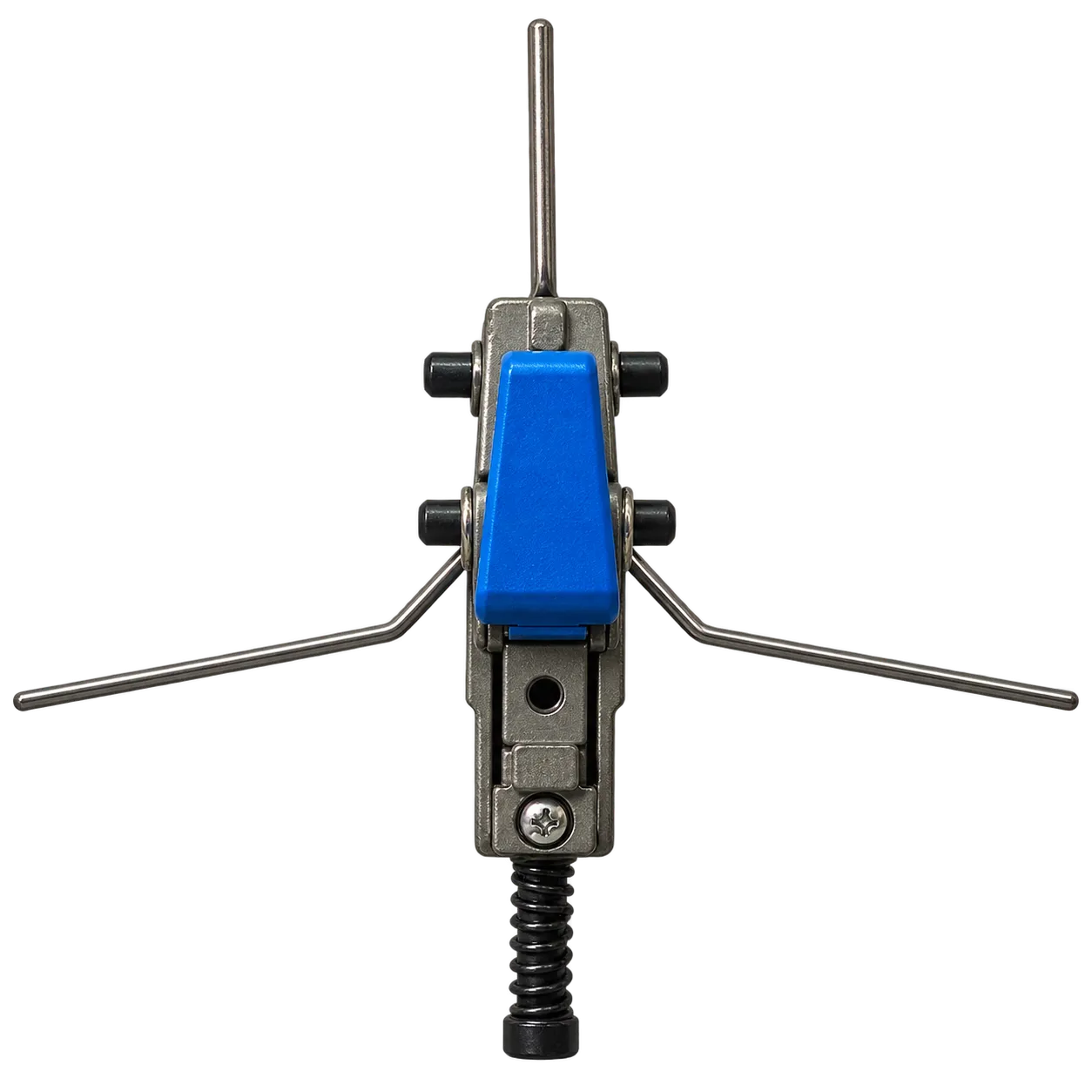
The 7E7 is a joint for the smallest group in lower-limb prosthetics. In US data from 1988 to 1996, cited by Schindler and colleagues in 2023, hip disarticulations made up 0.4% of lower-extremity amputations and pelvic-level amputations 0.1%. Causes vary by centre. In the Stanmore audit of 27 patients, 78% had a tumour, 15% trauma and 7% an infected endoprosthesis, while a German series of 15 patients recorded seven infections, six tumours, one trauma case and one ischaemia case.
Selection is the main clinical decision. A Mayo Clinic review of 43 patients found that 43% became successful prosthetic users, and coronary artery disease was the only preoperative factor linked to failure, with age and body mass index showing no association. Teams therefore assess cardiac reserve, trunk strength and motivation before casting a basket, and a sitting socket is a reasonable first step for someone still undecided.
Where a walking limb is chosen, the 7E7 fits wearers who can control a free single-axis hip with their pelvis and trunk, paired with a knee and foot the prosthetist matches to them, within 100 kg. Specialist limb-fitting and rehabilitation centres, sarcoma and orthopaedic oncology pathways, major trauma rehabilitation units and export programmes for limb services are the settings where it is ordered. Because few services see this level often, an experienced prosthetist's written build plan and the manufacturer's alignment instructions anchor every fitting. NHS trusts in England order through the mandated prosthetics framework, and public buyers abroad follow their own rules. The conformity documentation those procurement routes require is issued by the manufacturer and shared by the enquiry team.