
Hip disarticulation and hemipelvectomy are rare levels. A 2023 German review cites United States data from 1988 to 1996 in which hip disarticulations made up 0.4% of lower-limb amputations and pelvic-level amputations 0.1%. Its own 15 patients came to surgery through infection (7), tumour (6), trauma (1) and ischaemia (1), and sarcoma is the classic oncological reason. Many services see only a few such users a year.
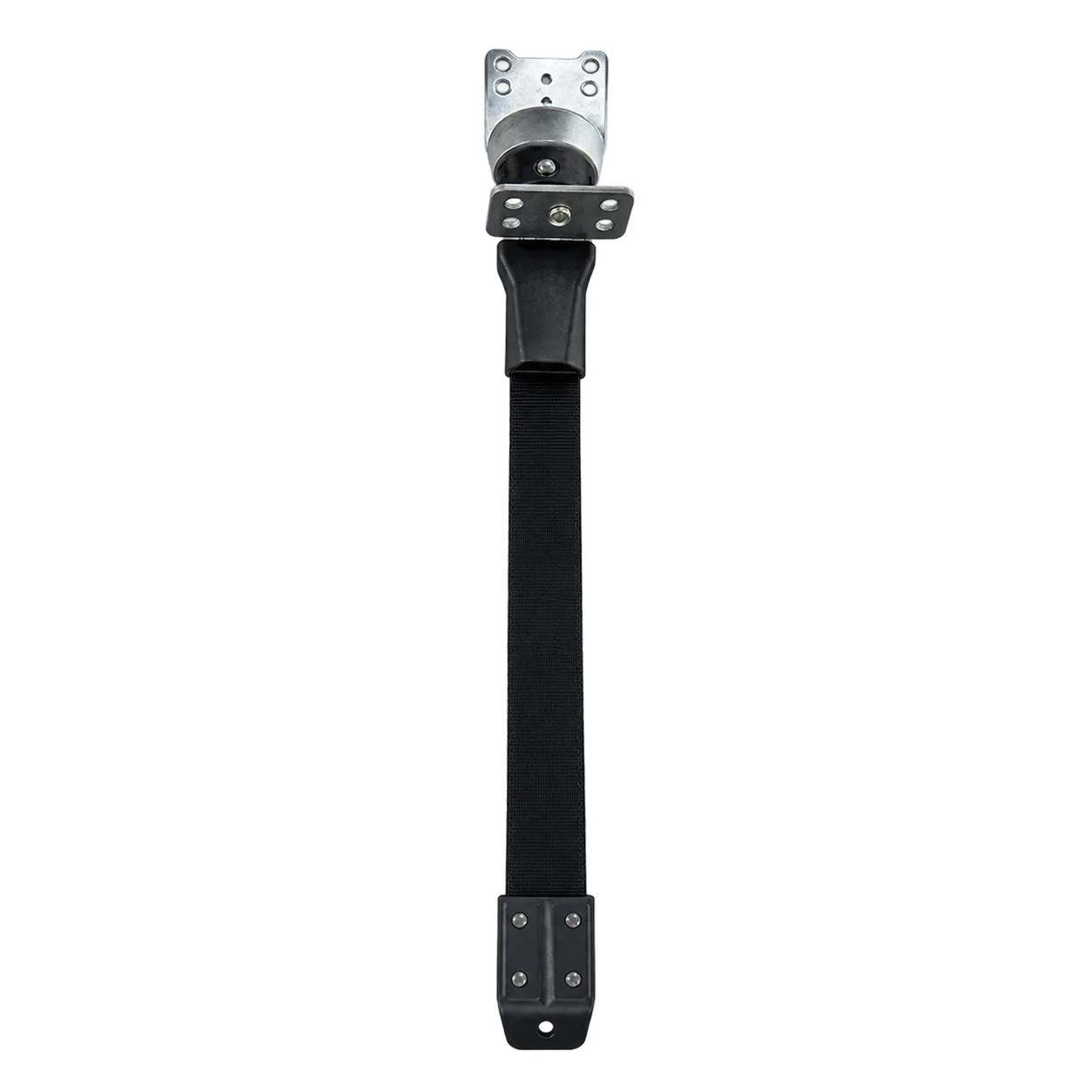
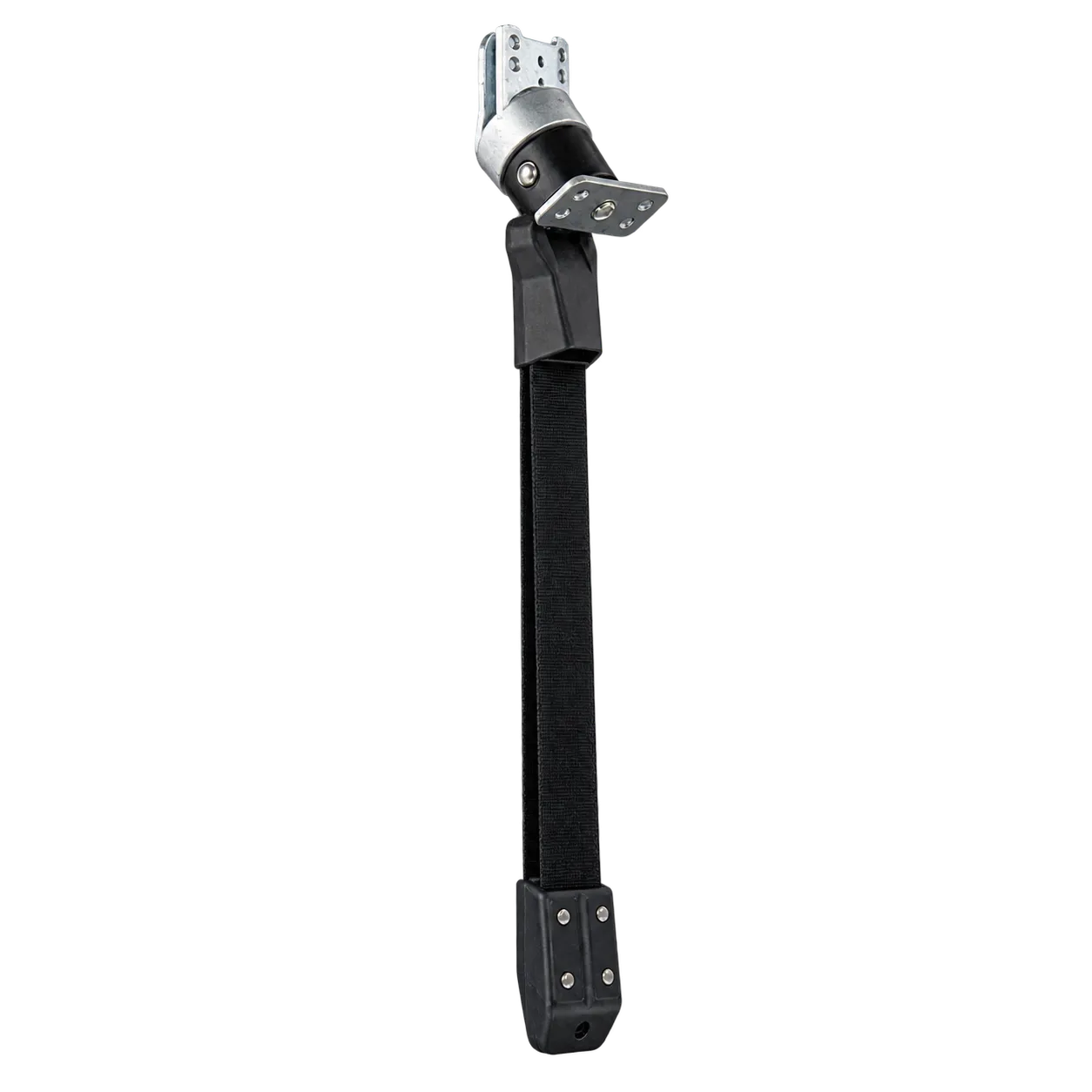
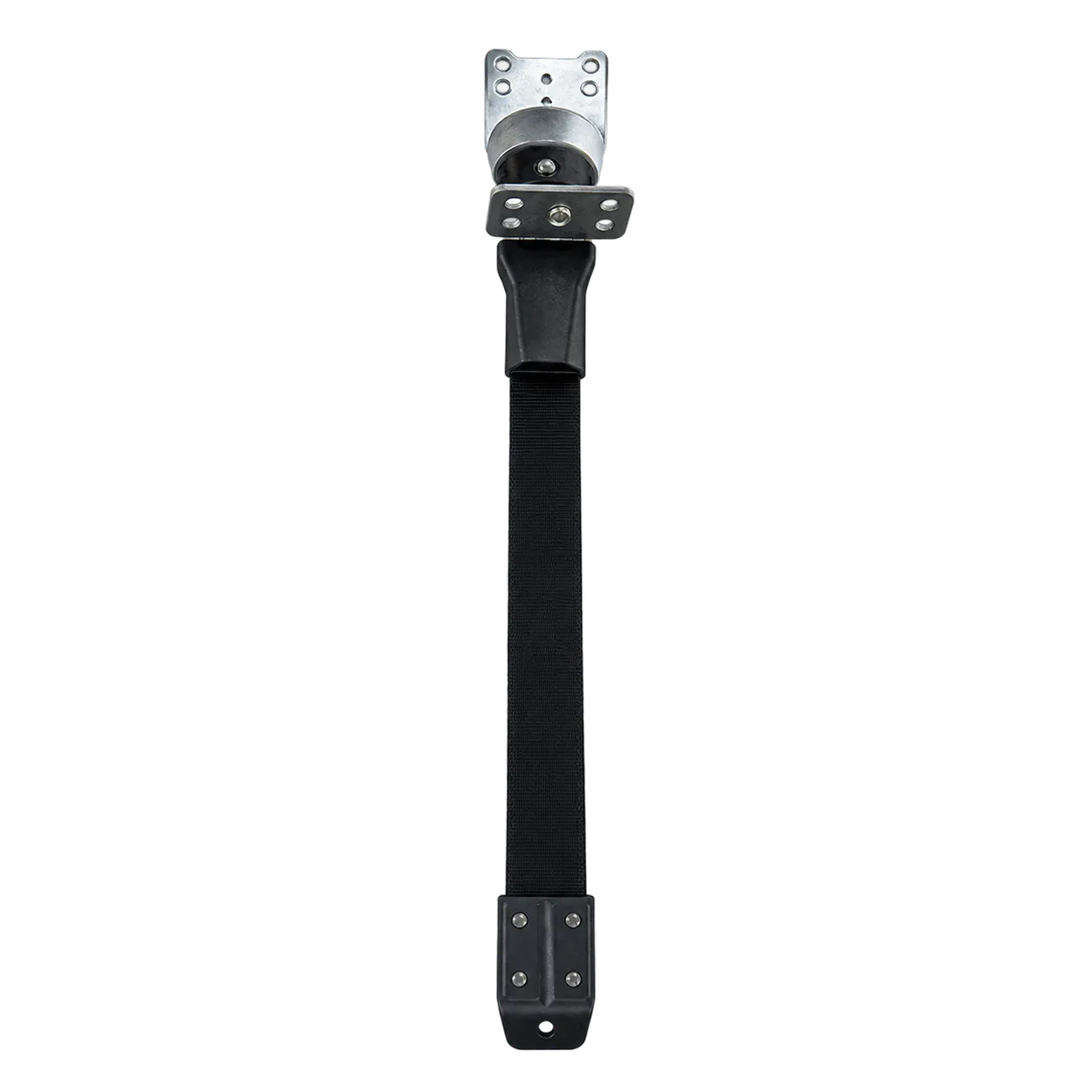
The limb has four main parts. A pelvic socket, often called a basket, encloses the pelvis and carries weight through the ischium and soft tissue. A hip joint mounted on the front of that socket comes next, then a knee and a foot. The 7E5 fills the hip position for people who need that joint held straight while they stand and walk.
Typical candidates are older users, people in early gait training and those whose tumour surgery removed the muscles that would steady a free hip. Use rates show why ease matters: in a 2009 series of cancer amputations at proximal level, only 7 of 22 followed prosthesis users wore the limb regularly, and complicated handling was among the reasons for low use. A lock gives stance security, but it adds a step at every sit and every rise.
The service takes on that step. Prosthetists check the release with the user's own hand, add a lockout check to each review and record what was taught. Limb centres, rehabilitation units and independent practices can all run that routine. NHS services in England buy through a mandated NHS Supply Chain framework, and equivalent public procurement elsewhere asks for the same evidence. The conformity documentation those procurement routes require is issued by the manufacturer and shared by the enquiry team.