
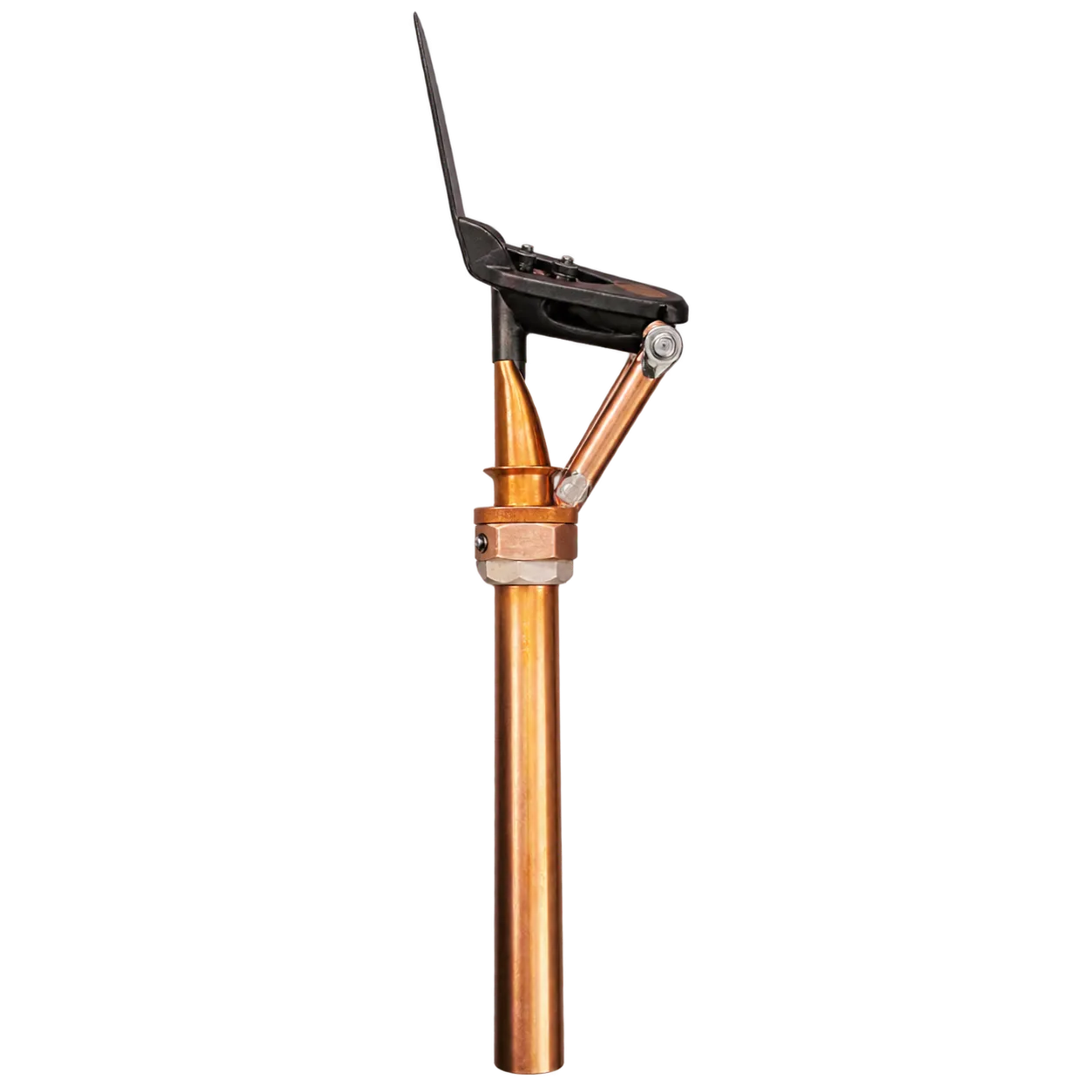
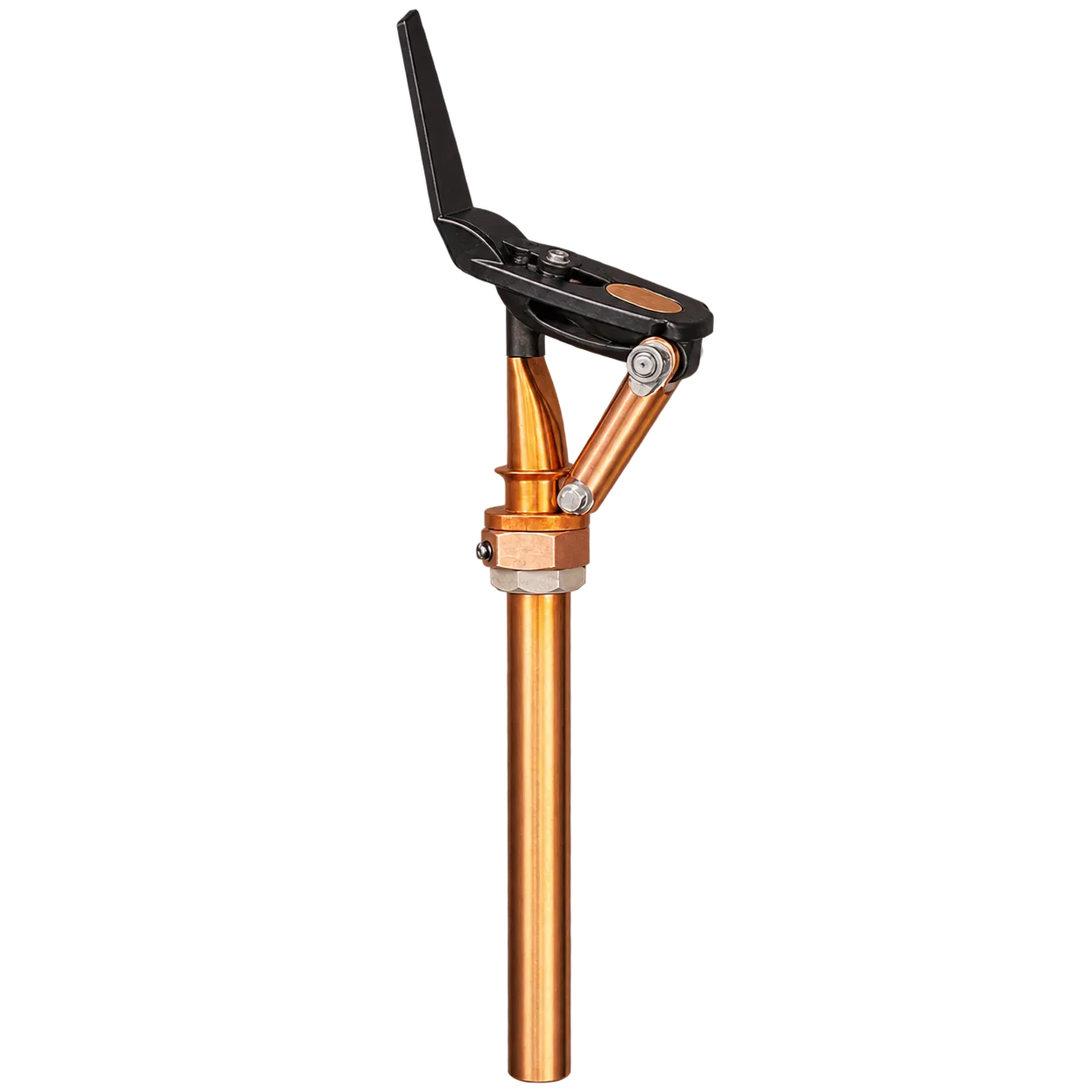
Hip disarticulation and hemipelvectomy are uncommon levels. United States data for 1988 to 1996, cited by Schindler and colleagues in Archives of Orthopaedic and Trauma Surgery (2023), put hip disarticulation at 0.4% of lower-limb amputations and pelvic-level amputation at 0.1%. In their own series of 15 patients the causes were infection in seven, tumour in six, trauma in one and ischaemia in one.
Walking with a limb at this level asks a great deal. A 2015 Mayo Clinic review of 43 candidates in the American Journal of Physical Medicine & Rehabilitation found 43% used a prosthesis successfully, wearing it for an average of 5.8 hours a day. Chin and colleagues measured seven older hip disarticulation users walking at 30.5 m/min with an oxygen cost of 0.639 ml/kg/m. Those figures describe the amputation level, not this joint.
Patient experience is where the 7E4 makes its case. Its elastic assist is designed to give the swing a start, which some wearers may feel as a smoother rhythm and a little less effort by evening. The evidence for assists is thin and mixed: a 1984 Ottawa report found spring and cylinder extension assists did not win over its patients, and insecurity remained. A trial walk and a sitting test before final lamination show whether this wearer welcomes the return.
Typical settings are limb-fitting centres, sarcoma and orthopaedic oncology rehabilitation, major trauma follow-up and private prosthetic clinics that build pelvic sockets. NHS trusts in England buy through the mandated prosthetics framework, and public purchasers elsewhere apply their own tender rules. The conformity documentation those procurement routes require is issued by the manufacturer and shared by the enquiry team.