
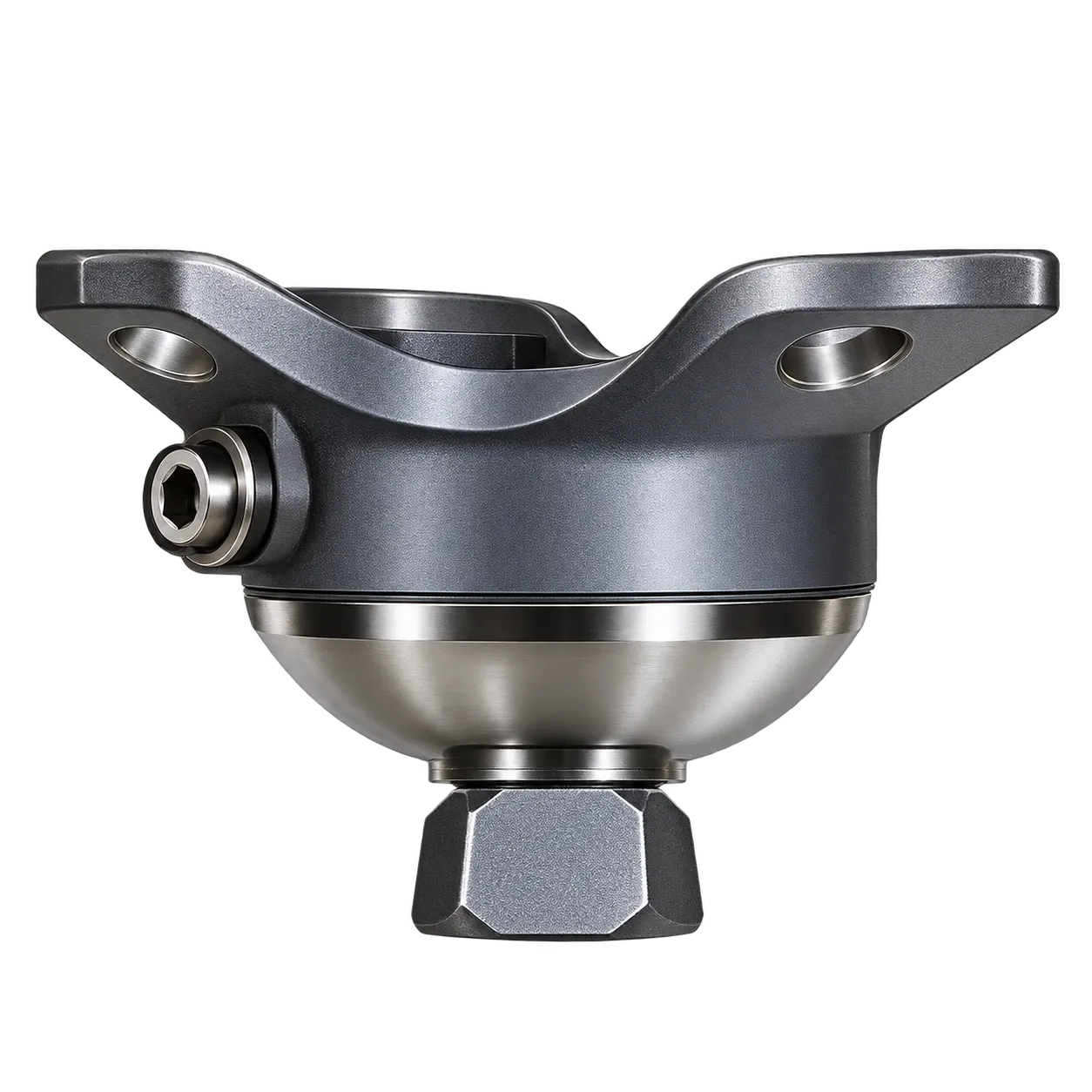
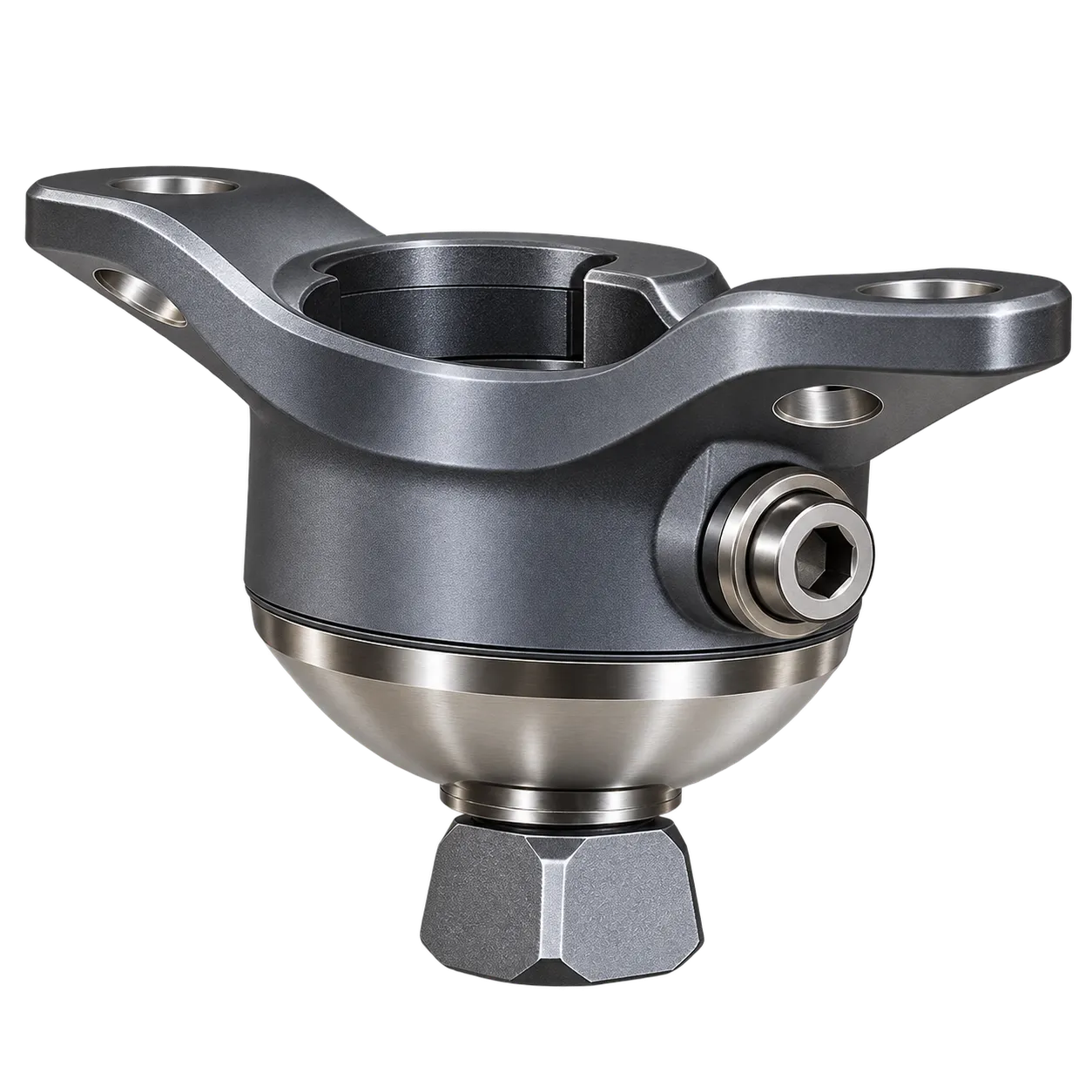
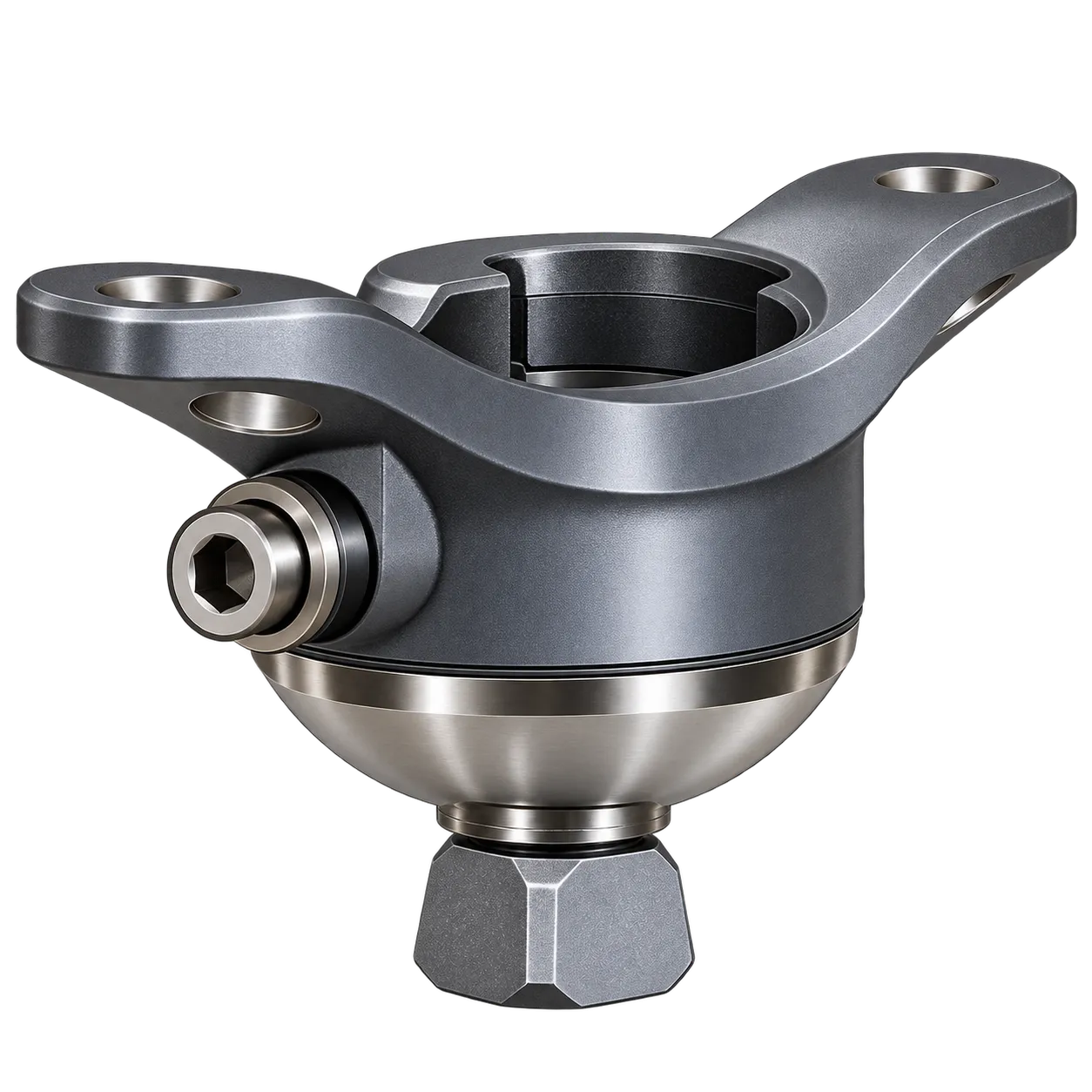
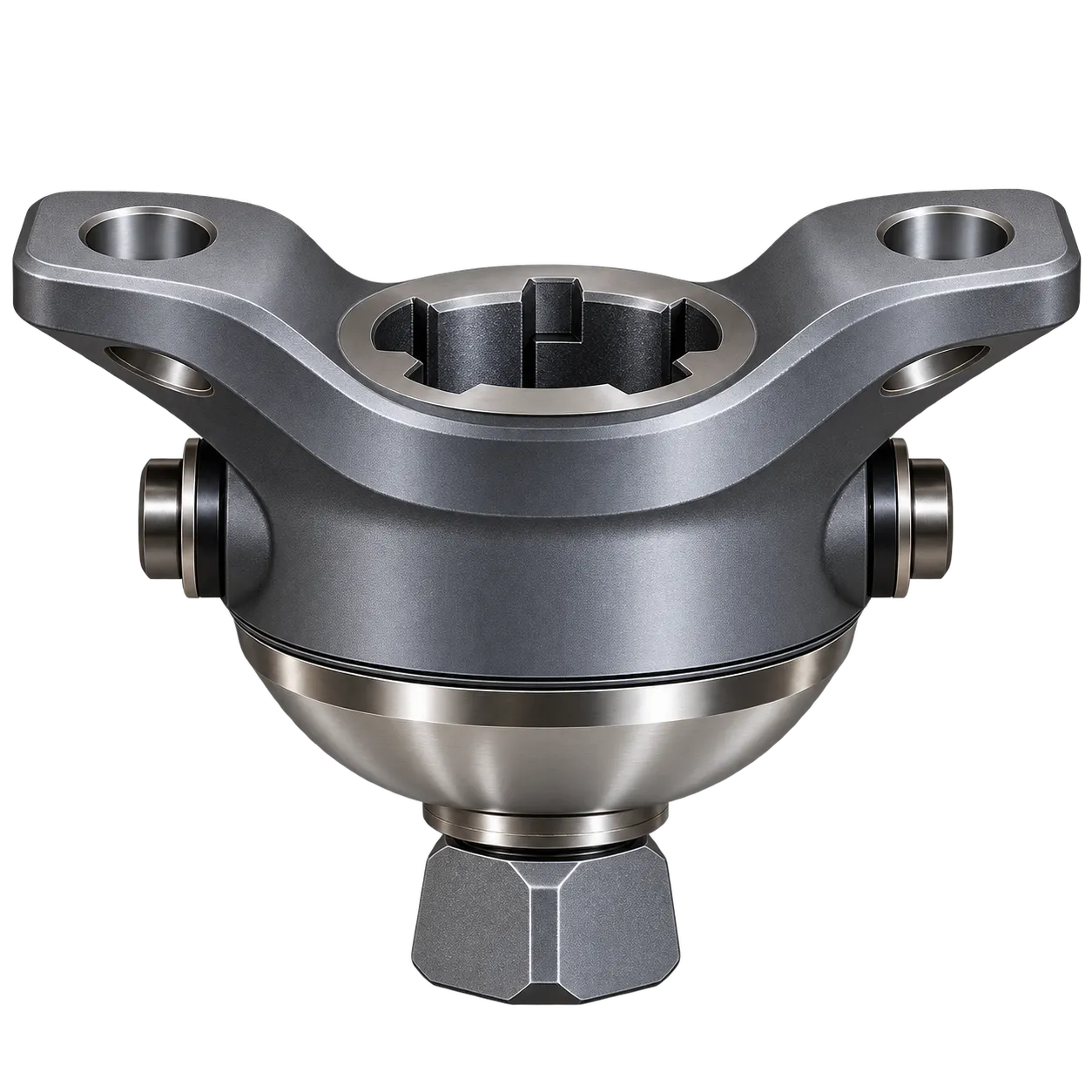
Prosthetic workshops and limb-fitting services that laminate their own sockets are the main users. The anchor is built into the socket and leaves a rotatable male pyramid. The intended amputation levels are not stated, so confirm them before adding the part to a build protocol.
Prosthetists who prefer to set rotation and tilt as separate steps will find the workflow clear: set the heading at the anchor, then tilt and fine-tune alignment in the receiver below.
Recording the rotation setting and the receiver settings separately on the build sheet makes each easy to reproduce, and makes it clear which step changed at a later review.
Charitable limb programmes and export buyers can stock the anchor with their lamination materials. Confirm the rotation method, lock, pyramid dimensions and lamination instructions before placing an order.
Services that train new prosthetists may find a two-step method easier to teach. Set the heading and lock it at the anchor, then set the tilt in the receiver below, and record each step separately on the build sheet.
For a replacement socket, set the recorded heading on the new anchor during lamination, then copy the receiver settings from the old build to shorten the fitting appointment.
Record both settings after every change.
Keep the settings with the build sheet.
The anchor is not suitable for users above 125 kg, for limbs whose receivers do not match its pyramid, or for workshops without lamination capability. The conformity documentation required for those procurement routes is issued by the manufacturer and provided by the seller.