

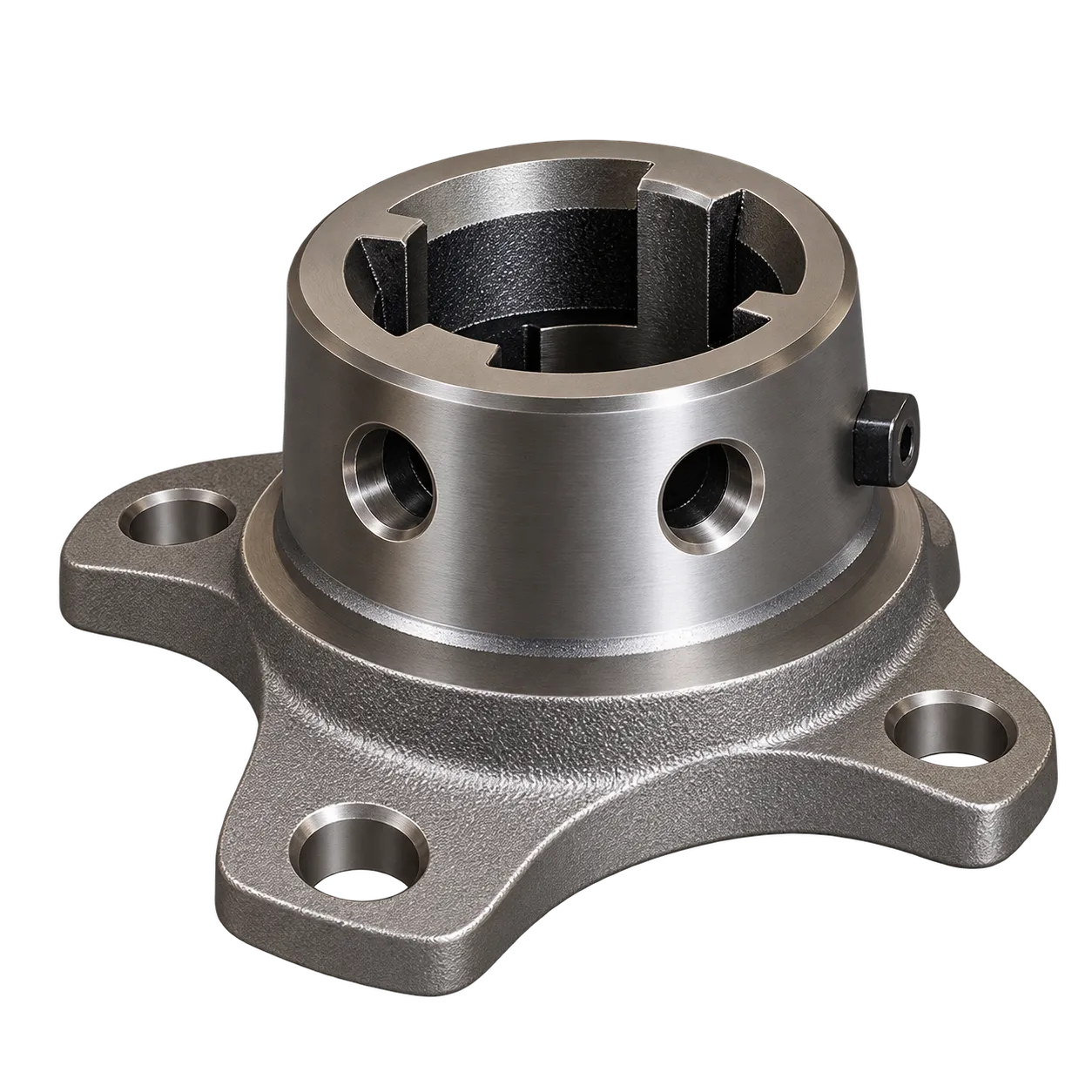
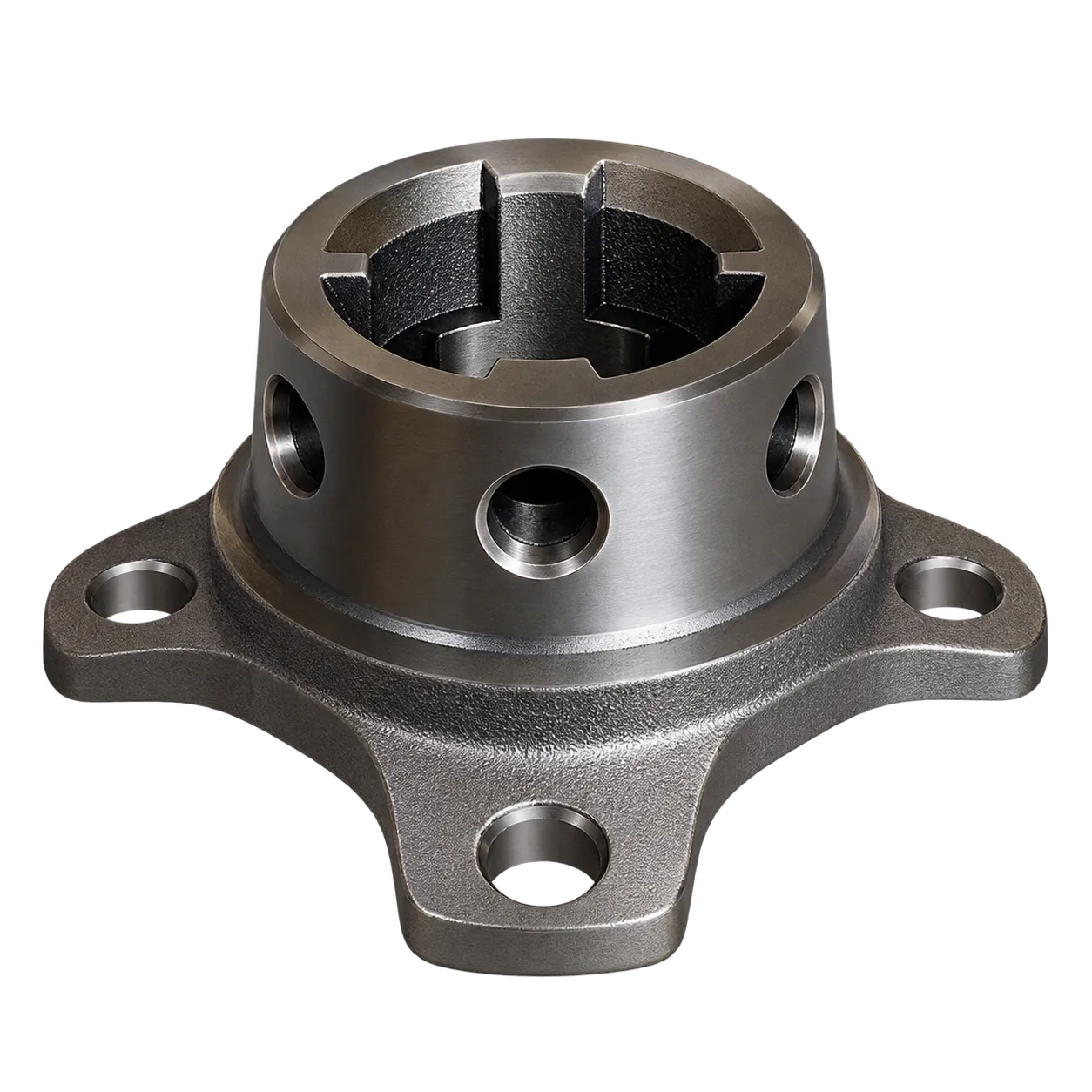
Prosthetic workshops and limb-fitting services that laminate their own sockets are the main users. The anchor is built into the socket and leaves a female pyramid receiver that can rotate. The intended amputation levels are not stated, so confirm them before adding the part to a build protocol.
Services where orientation often needs fine-tuning after the socket is made benefit most. Changing toe-out at the appointment, if the rotation allows it, can save a remake and a return visit.
Technicians should set the initial orientation during lamination and record it. At fitting, the prosthetist adjusts rotation if needed, locks it and records the final setting.
Charitable limb programmes and export buyers can stock the anchor where return visits are difficult. Confirm the rotation method, lock, receiver dimensions and lamination instructions before placing an order, since the part cannot be tested once it is embedded.
Services with a steady flow of users whose foot position needs fine-tuning after the first walking trials will see the time saving most clearly. A change that would otherwise mean a new socket can, if the rotation allows it, be made in the clinic room and checked straight away in a walking trial.
Record the rotation before and after any change, with the reason for it, so the history shows how the user's alignment has developed and whether further changes are likely.
The anchor is not suited to users above 125 kg, to limbs whose connecting components do not match its receiver, or to workshops without lamination capability. The conformity documentation those procurement routes require is issued by the manufacturer and provided by the seller.