

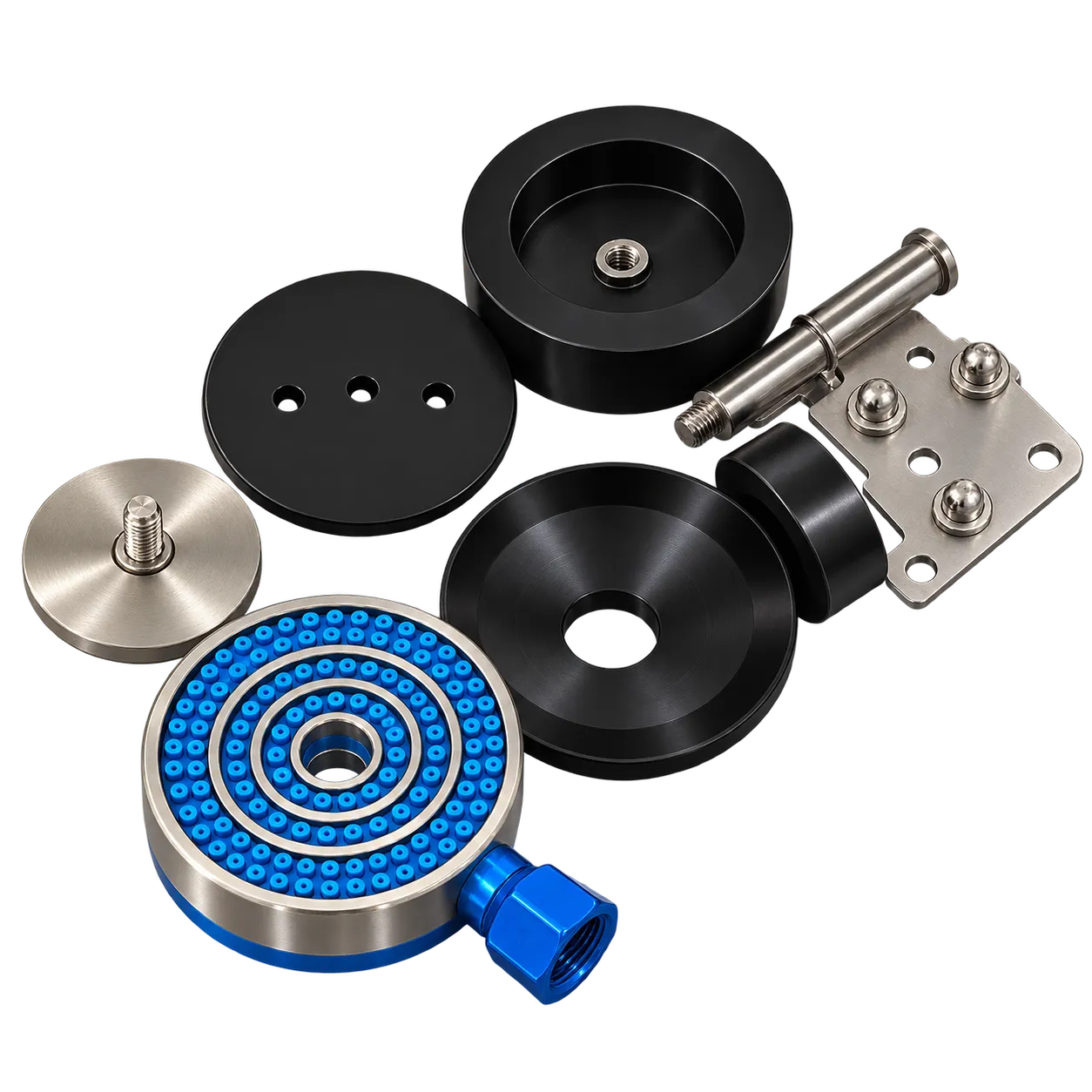
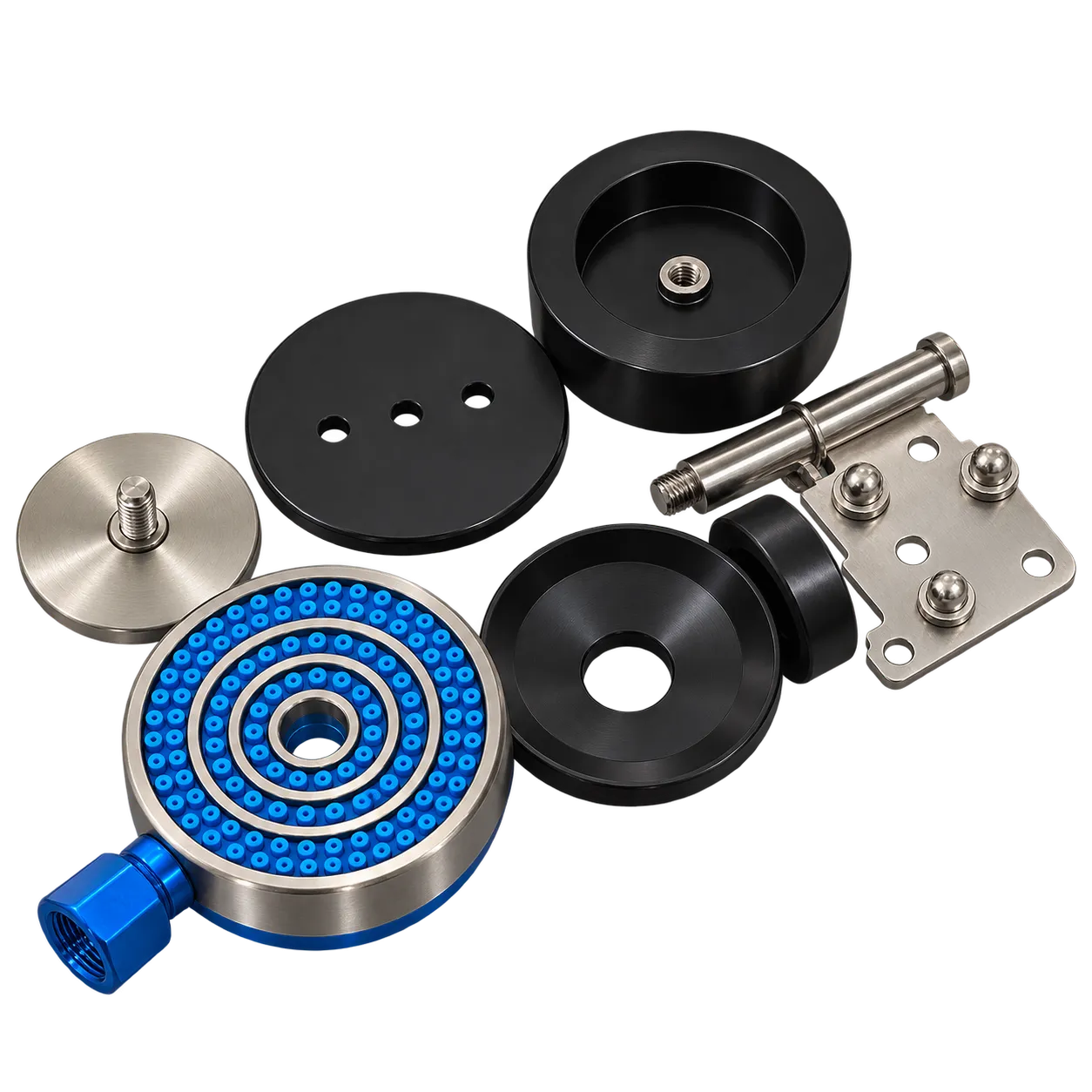
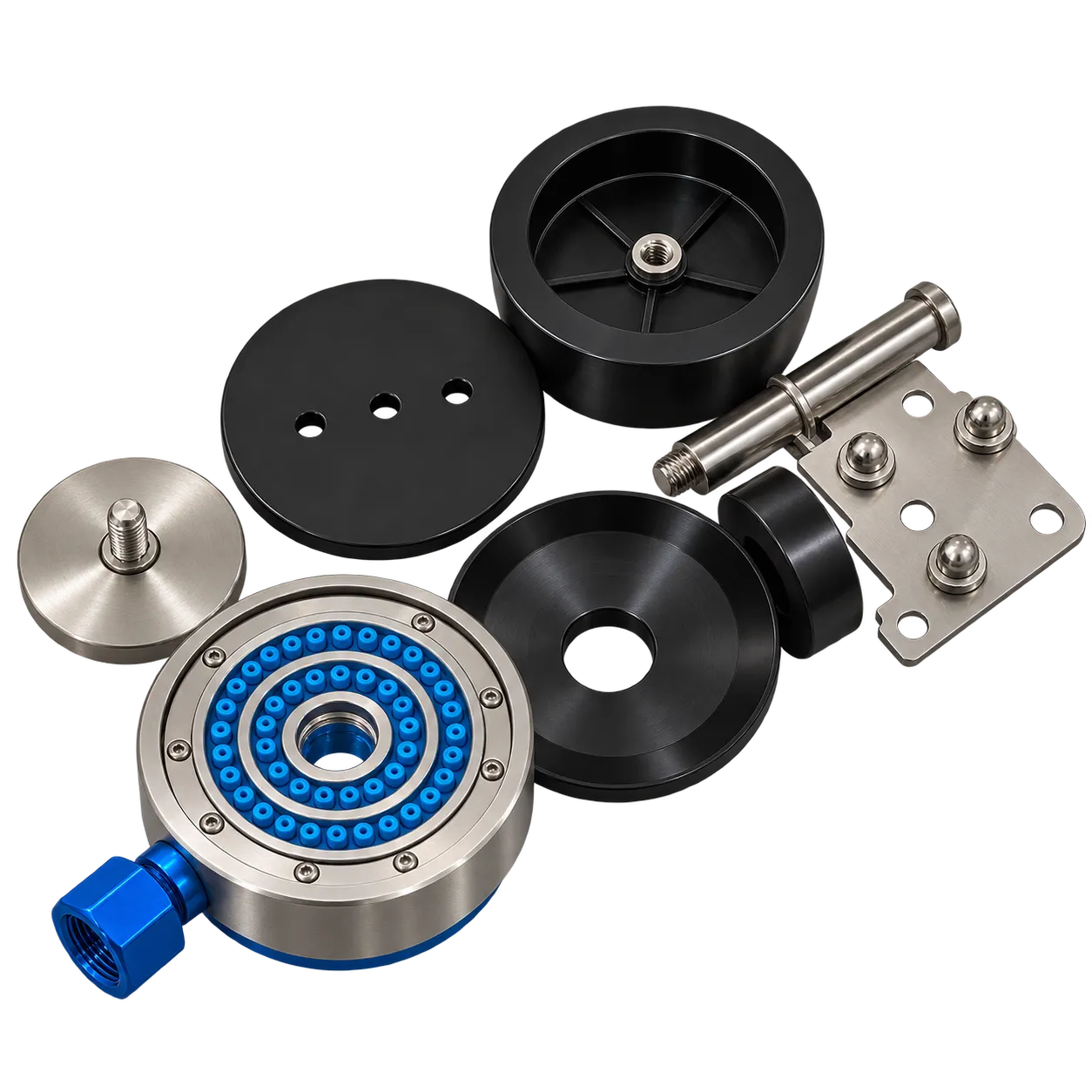
A magnetic lock earns its place in lower-limb suspension where a prosthetist wants the limb held at the socket by attraction, and where the user's medical history allows a magnet to travel with them. The 4F44-ML suits builds for users up to 125 kg, once the kit contents, liner interface and lamination method are in hand from the manufacturer.
Safety planning starts before the socket does. Implant screening belongs in the first assessment, alongside the usual questions about skin, volume and hand function. A user with a pacemaker or implantable defibrillator is referred to their device clinic for advice on the 15 cm guidance and on handling the limb close to the chest. Anyone with scans ahead is told the limb comes off before the scanner room, and the imaging department is told about the magnet at booking. Card and electronics advice goes into the handover leaflet.
The evidence on suspension choice is thin in every direction. A 2014 systematic review in Clinical Biomechanics screened 22 studies of transtibial suspension and found no clinical evidence that any single system should be standard for all users. A 2014 study in BioMedical Engineering OnLine tested four suspension systems with nine transtibial users, including a prototype magnetic system that tolerated 350.9 N of tensile load before failure. None of those figures describes this lock, and its own holding force comes from the manufacturer.
Limb centres, charity workshops and export fitting services all build this way. Within NHS procurement in England, trusts use a mandated national framework, and equivalent public procurement elsewhere expects a documented supply chain too. The conformity documentation those procurement routes require is issued by the manufacturer and shared by the enquiry team.