
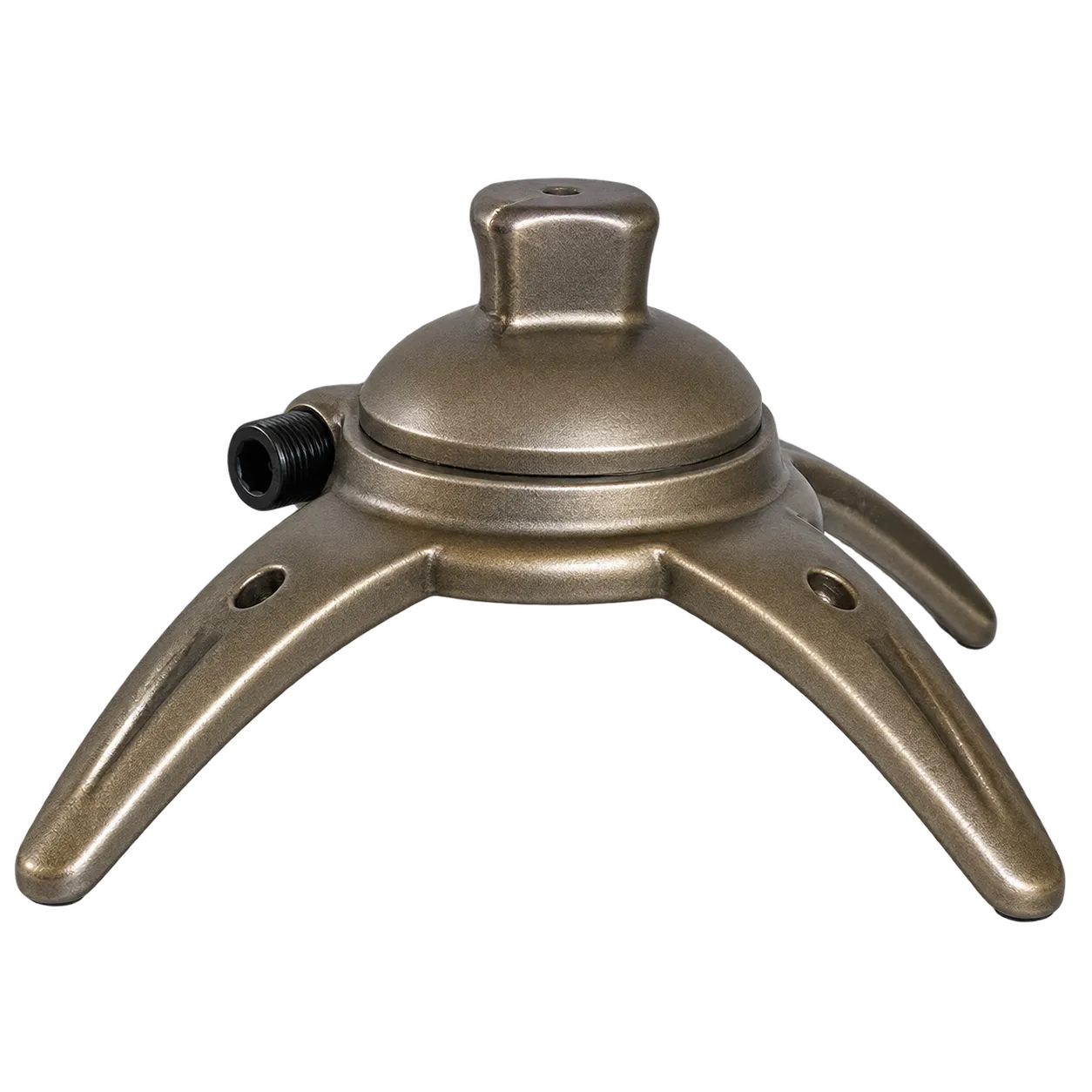
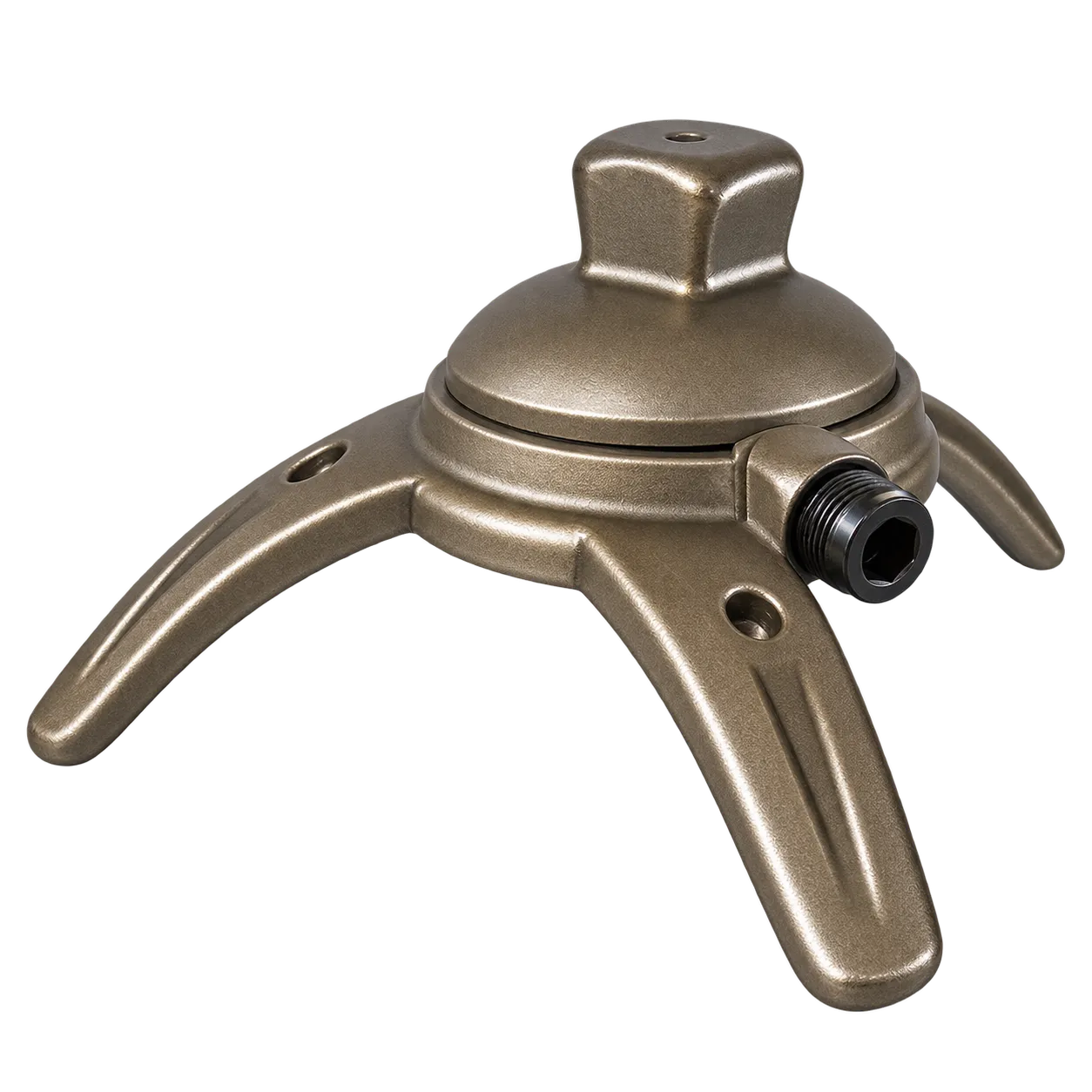
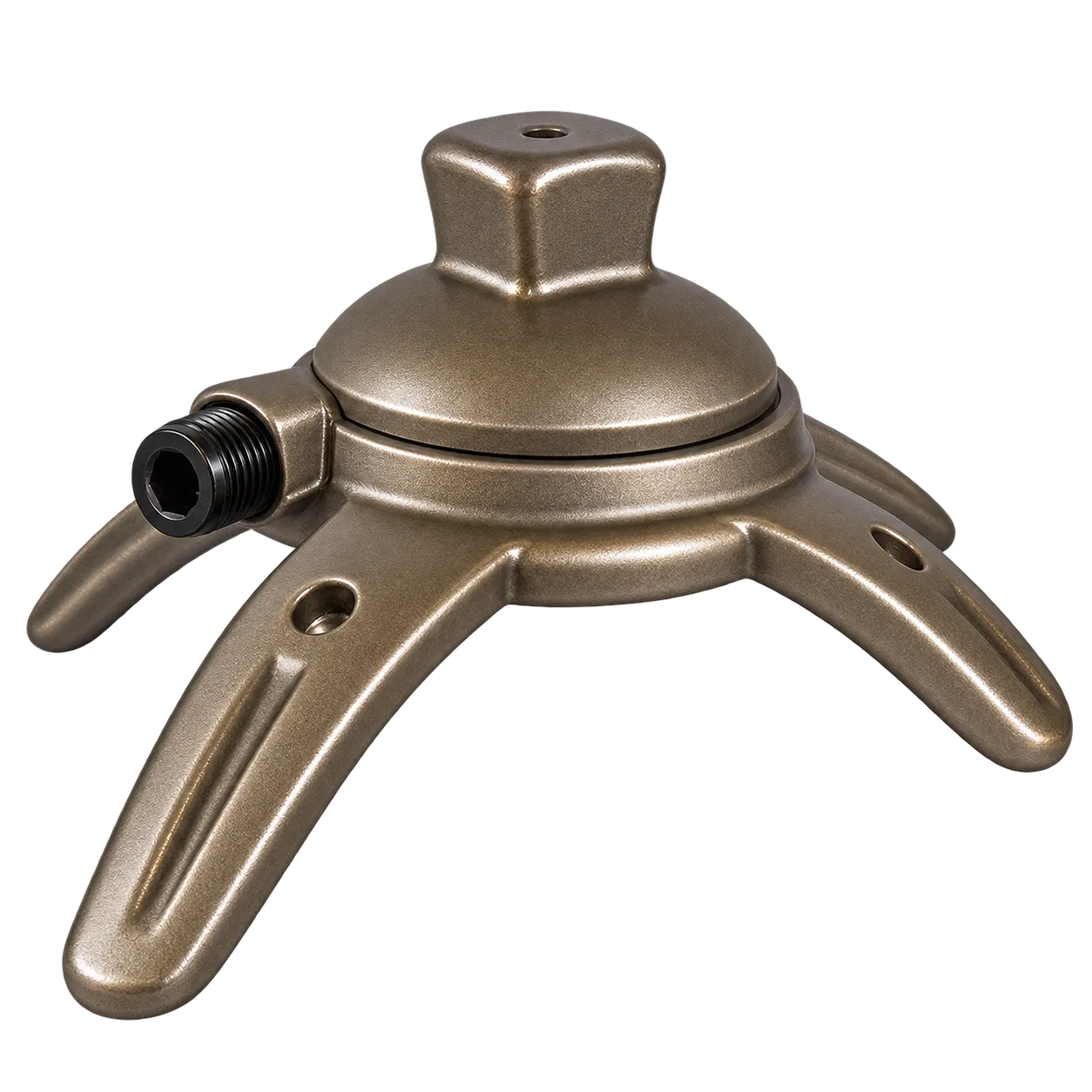
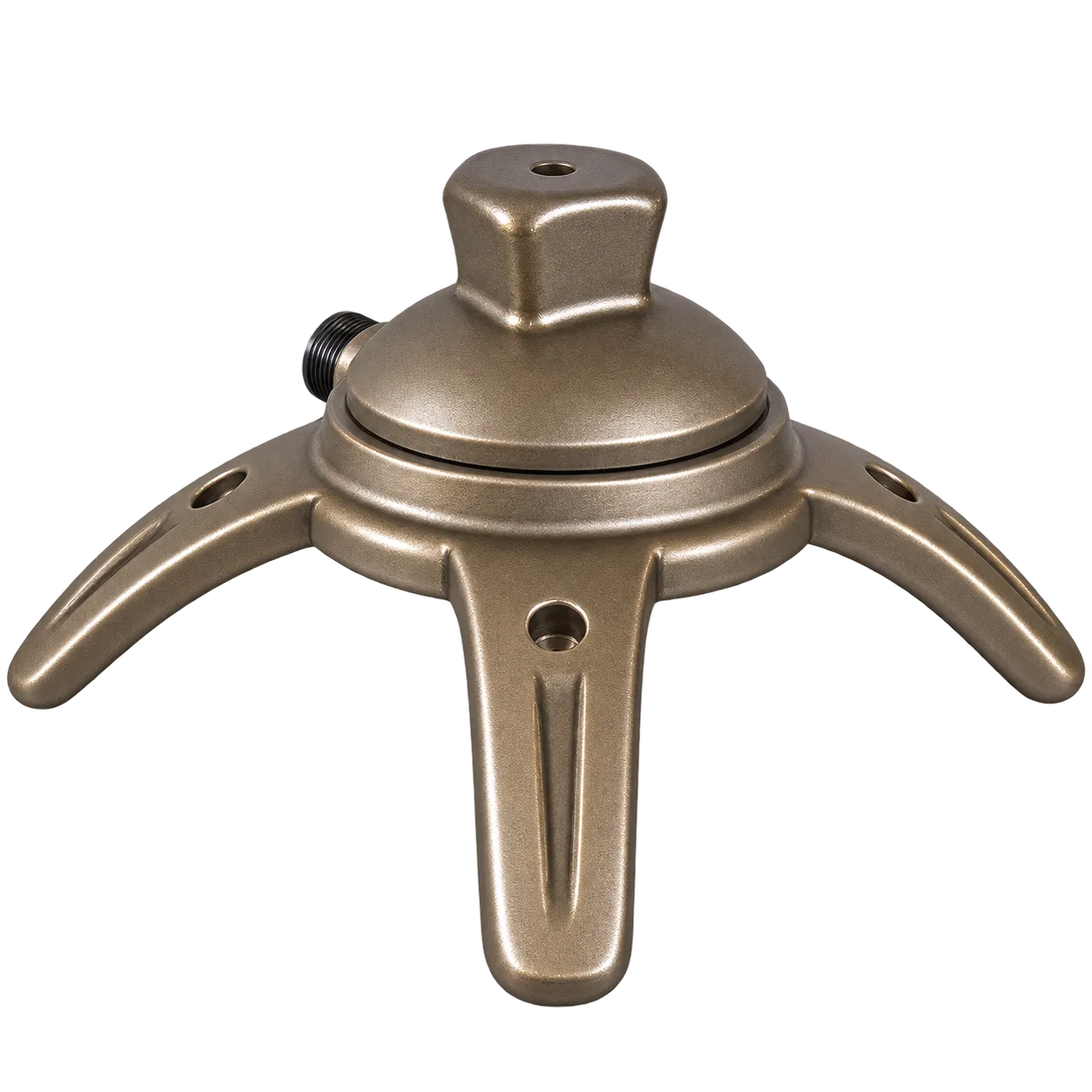
Prosthetic workshops and limb-fitting services that laminate their own sockets are the main users. The anchor is built into the socket during lamination and leaves a male pyramid, so the service needs lamination equipment, resins, reinforcement materials and trained technicians. The intended amputation levels are not stated, so confirm them before adding the part to a build protocol.
Workshops that prefer to align through the receivers of downstream components will find a male pyramid on the socket convenient. The tube adapter or foot receiver below carries the alignment adjustment, and the anchor provides a fixed, strong base.
Technicians should set the anchor's rotation on the mould before lamination and record it on the build sheet. If the part does rotate, as the product image suggests, the rotation method and any locking step need to be understood before the first build.
Charitable limb programmes and export buyers building sockets locally can stock the anchor with their lamination materials. Confirm pyramid dimensions, rotation, lamination instructions and material-specific ratings before placing an order, since the part cannot be tested once it is embedded.
Build sheets should record the anchor's orientation, the connecting receiver and the alignment settings made through it. With the anchor fixed in the laminate, the receiver settings are where later adjustments happen, so a clear record saves time at every review.
The anchor is not suited to users above 125 kg, to limbs whose connecting receivers do not match its pyramid, or to workshops without lamination capability. The conformity documentation those procurement routes require is issued by the manufacturer and provided by the seller.