

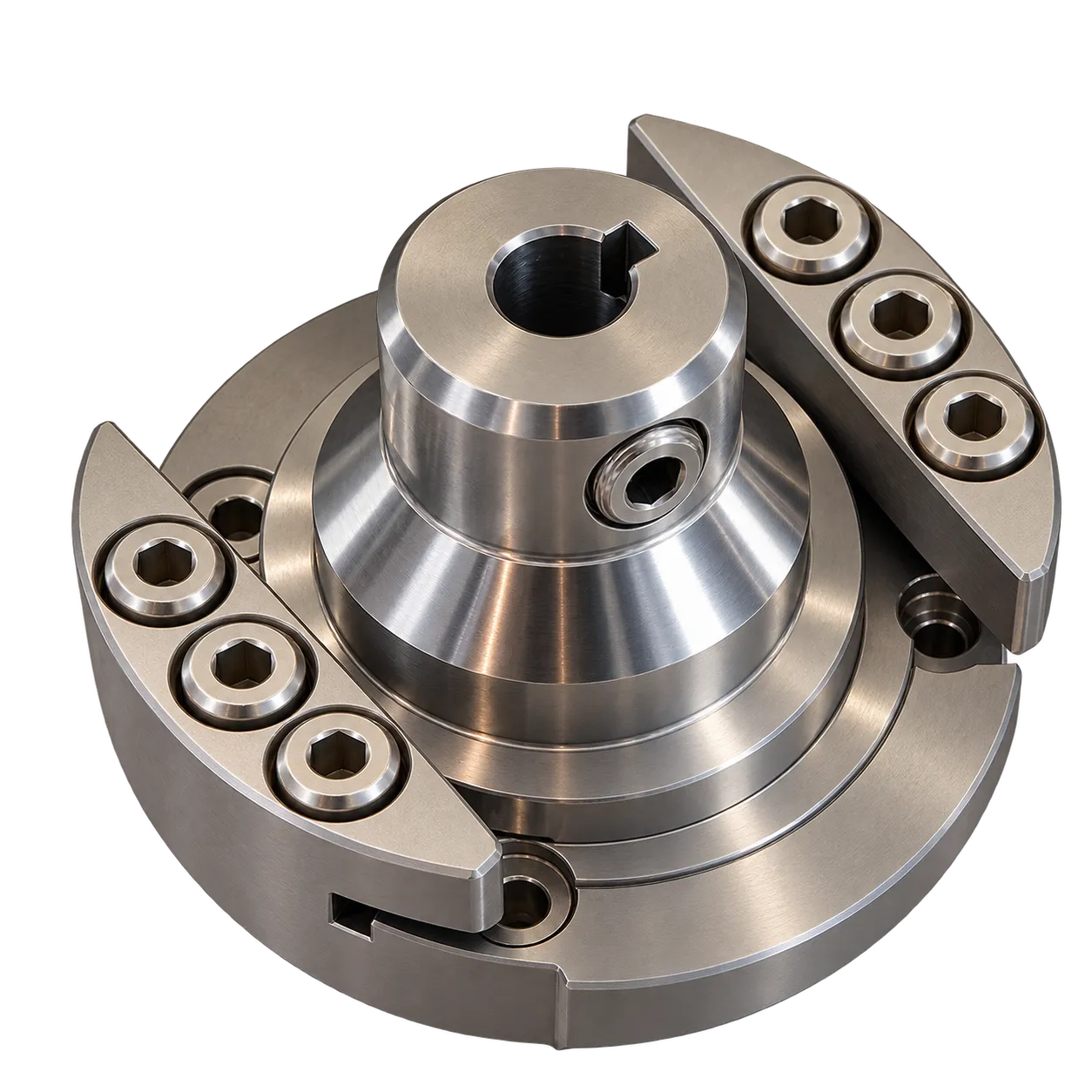
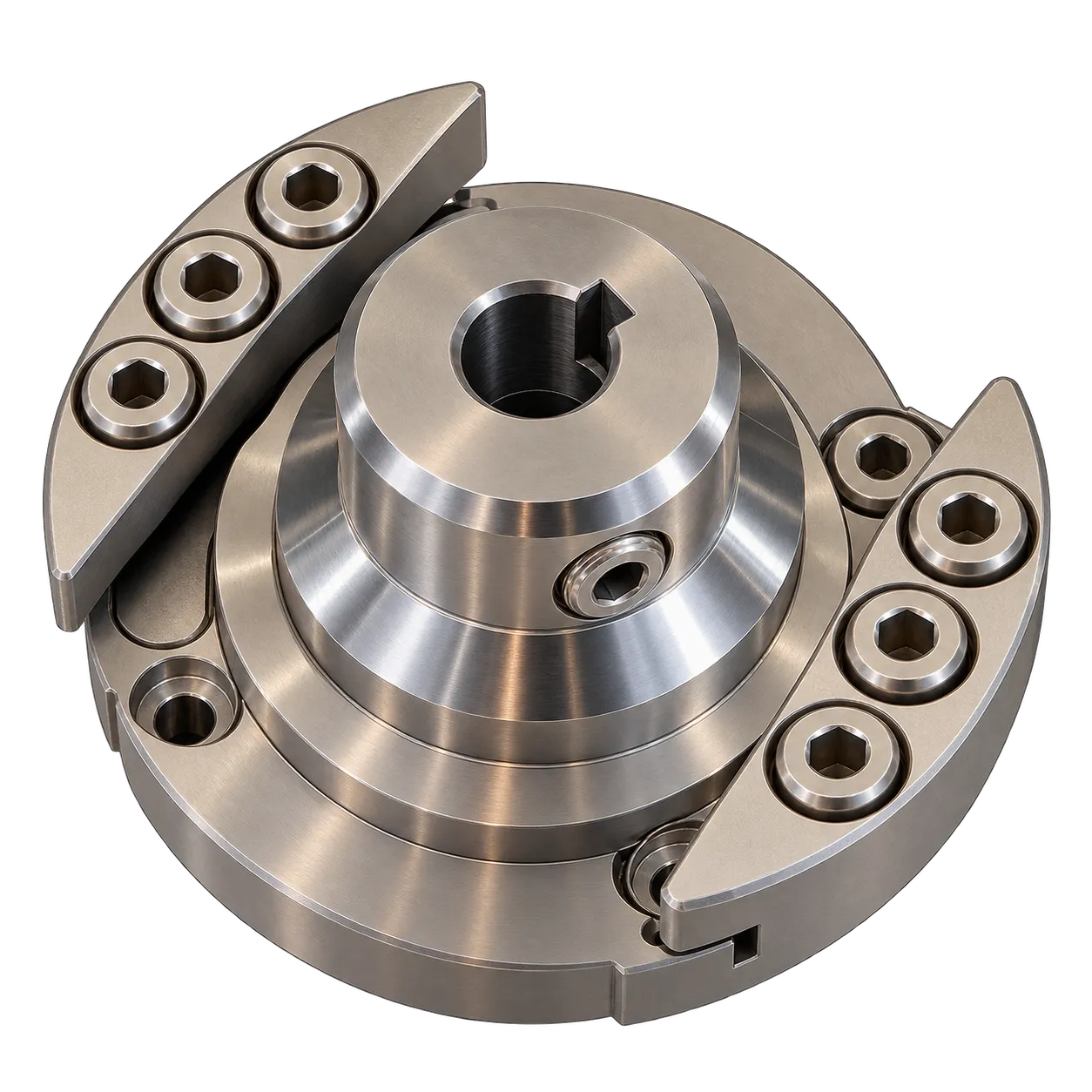
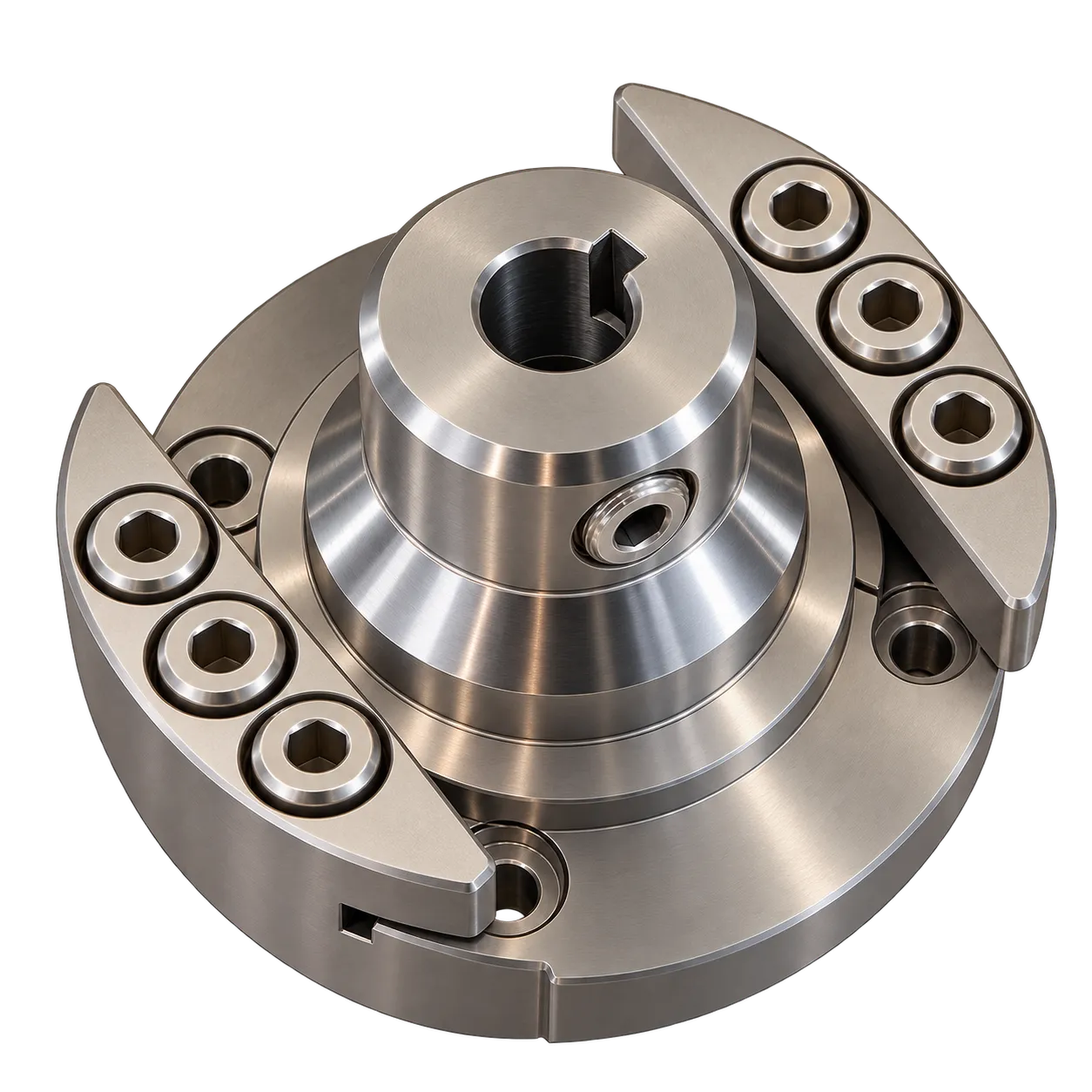
A sliding plate earns its place when the socket and the component below it need to be offset from one another. The 4F41-ASHP suits modular transtibial and transfemoral builds for users up to 125 kg, where the prosthetist wants to move the pyramid across the plate during alignment and then hold it there.
Translation changes where the load line passes through the foot, and it is usually adjusted alongside angle during dynamic alignment. That makes the plate a working part of the fitting, and the risk assessment for it has three parts. Torque at fitting comes first, set with a calibrated wrench to the manufacturer's value on all six jaw screws. Rechecks at each review follow, with a witness mark on the plate so any drift shows. A witnessed sign-off closes the loop, naming who tightened the screws and who watched.
Two structural points belong in the same assessment. The limb takes the rating of its weakest component, so a 125 kg plate limits every build it enters. Fatigue is the second. ISO 10328 requires lower-limb structural components to survive 3 million load cycles. A 2019 study in the R&D Journal of the South African Institution of Mechanical Engineering found premature fatigue cracks forming between the pyramid apex and the domed section of a male pyramid adapter. That finding is general engineering evidence about the geometry, and the fatigue report for this plate is the document that answers for this plate.
Hospital limb centres, private prosthetic practices, charity workshops and export programmes all fit parts of this kind. A mandated national framework governs NHS buying in England, and equivalent public procurement elsewhere wants its own traceable route. The conformity documentation those procurement routes require is issued by the manufacturer and shared by the enquiry team.