
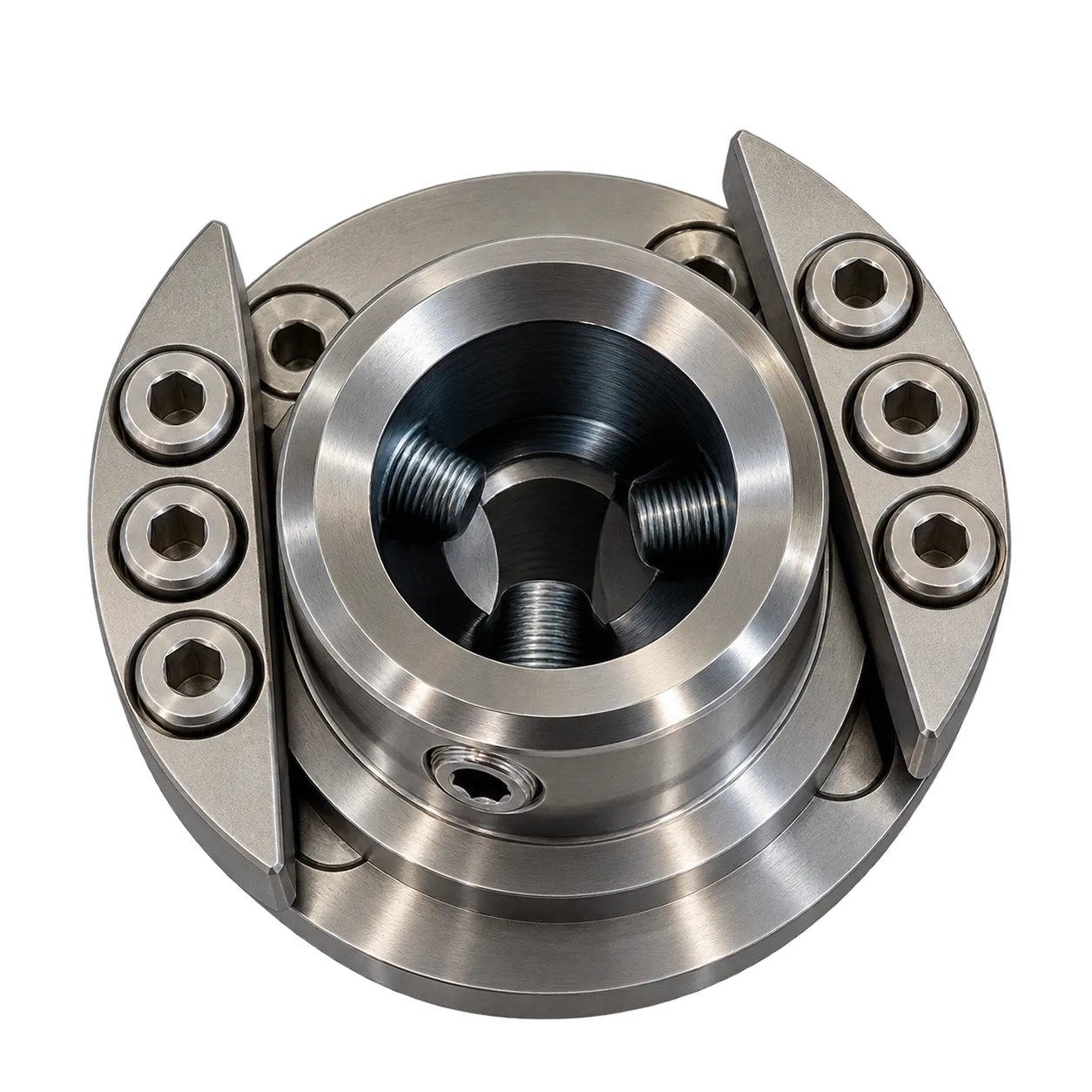
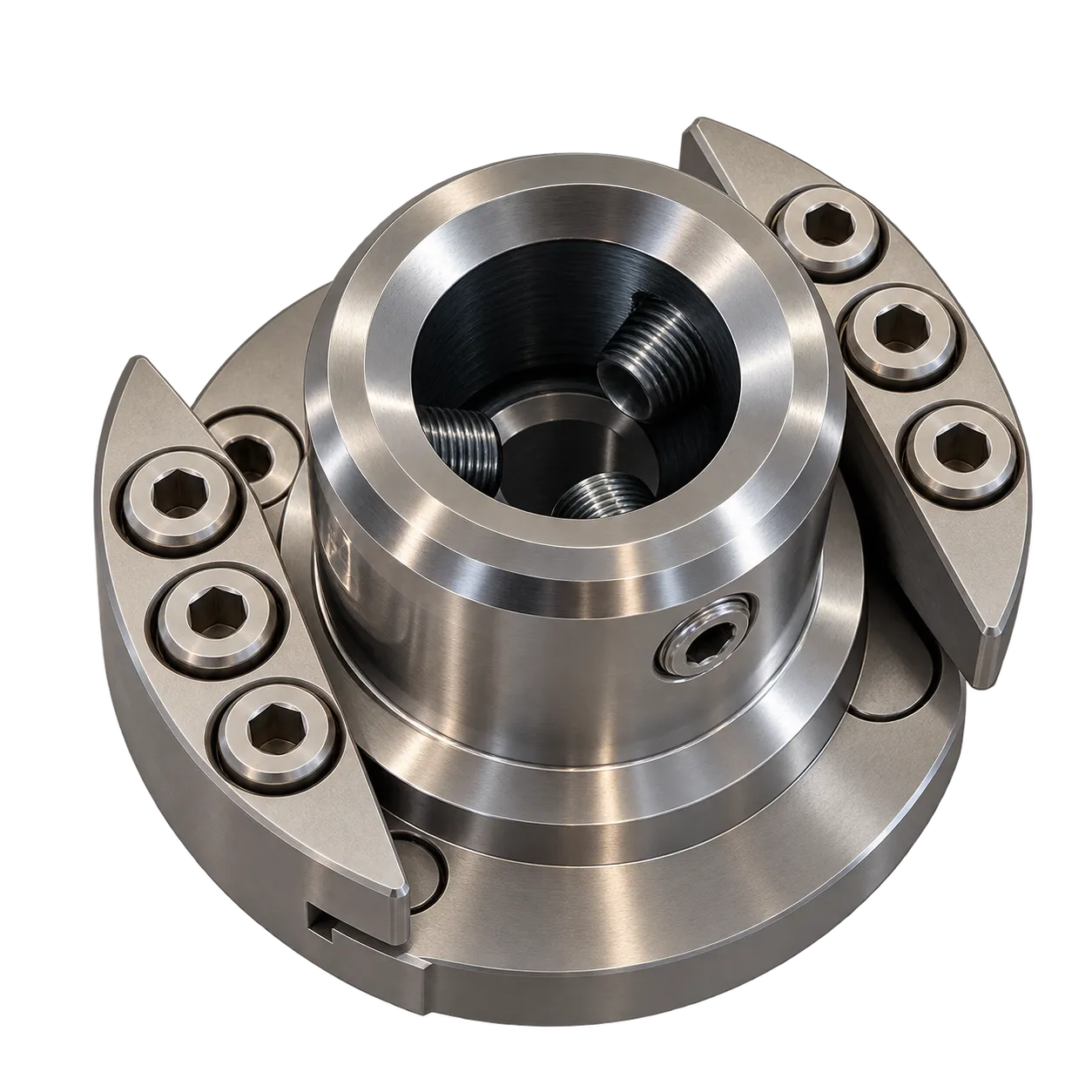
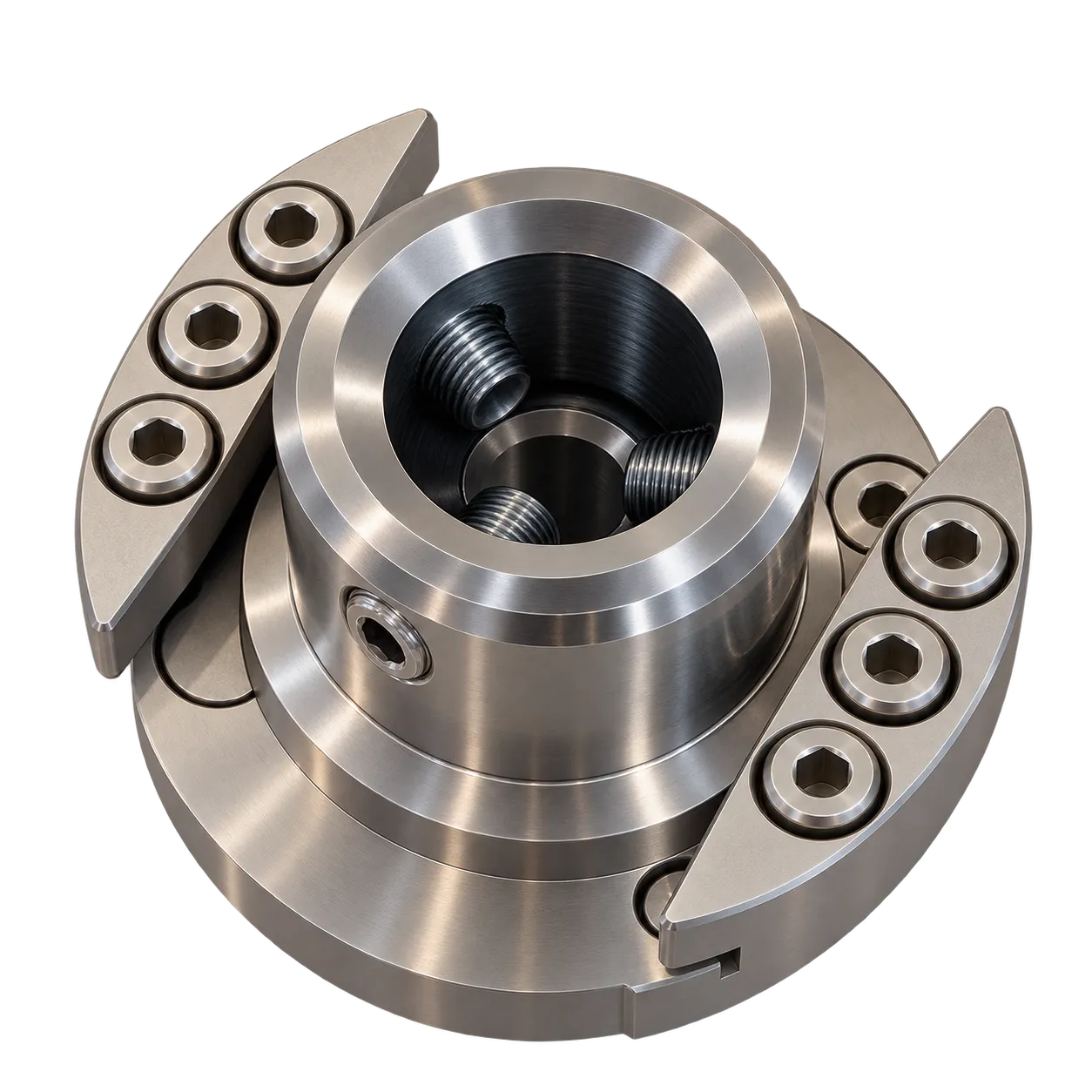
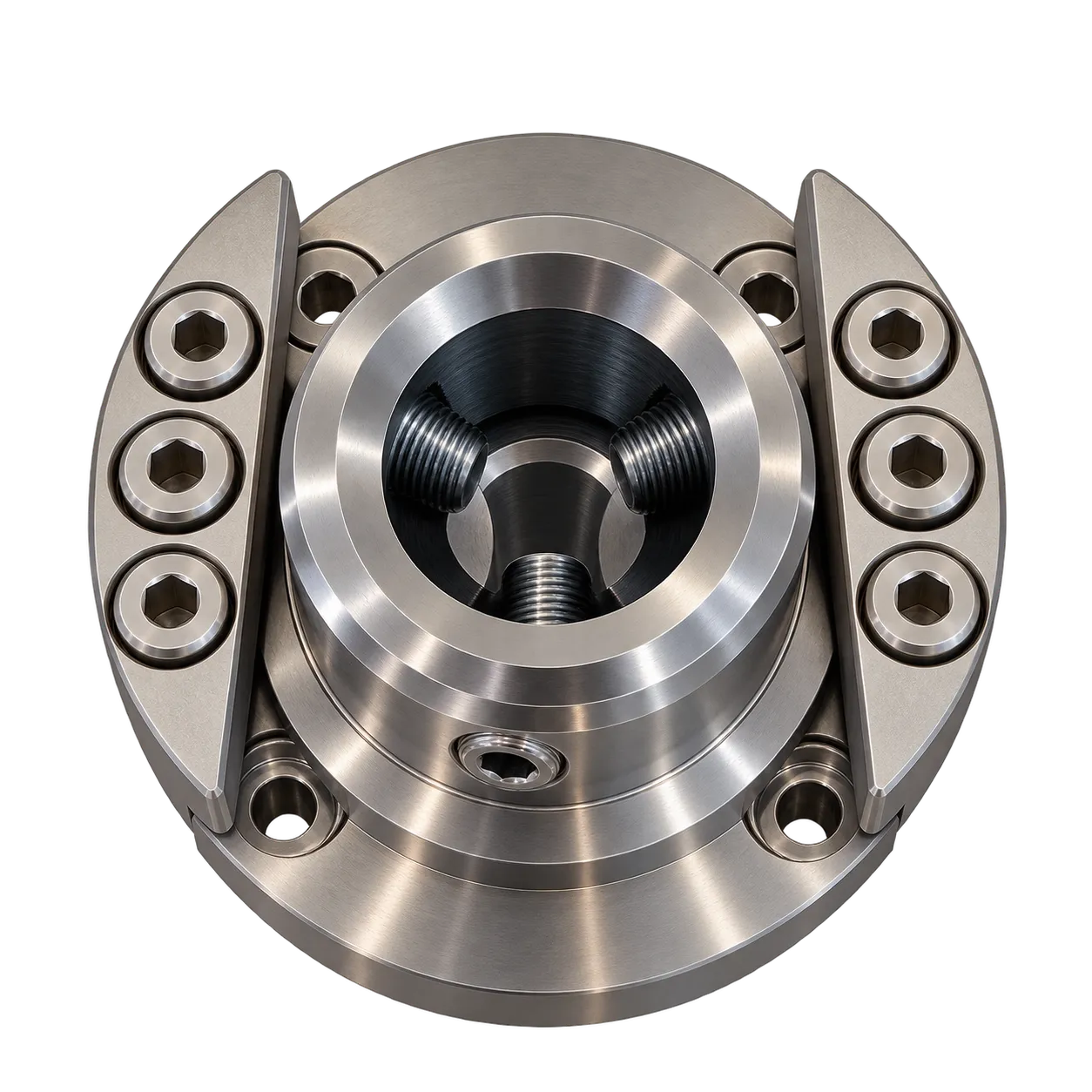
An adjustable plate earns its keep during alignment, the hours between a finished build and a limb the patient can walk on with confidence. The 4F40-SRHA suits modular lower-limb builds for users within its 125 kg rating, where the prosthetist wants both offset and angle available at one level of the limb. Transtibial and transfemoral work both use parts of this kind, and the manufacturer's drawing decides which stacks it fits.
The work runs in stages. At the bench, a technician slides the plate to the planned offset, locks the jaws and sets a starting angle at the receiver. In static alignment the patient stands, and the prosthetist refines the same two settings in the same order. Dynamic alignment follows while the patient walks, and each change is logged with the screws touched and the torque used.
Published work supports treating alignment as a sequence. A 2023 study in Scientific Reports measured socket reaction moments in ten people with unilateral transtibial amputation. Only sagittal socket changes, posterior translation and flexion, significantly altered coronal moments (P = 0.02). The authors proposed a working order: transverse plane in static alignment, then transverse and sagittal in dynamic alignment, with the coronal plane last. The sample was small and the study concerned alignment, not any one component.
Limb services, charity fitting centres and export workshops all build this way. In England, NHS trusts purchase prosthetic parts through a national framework that NHS England mandates, and equivalent public procurement elsewhere expects a documented route of its own. The conformity documentation those procurement routes require is issued by the manufacturer and shared by the enquiry team.