

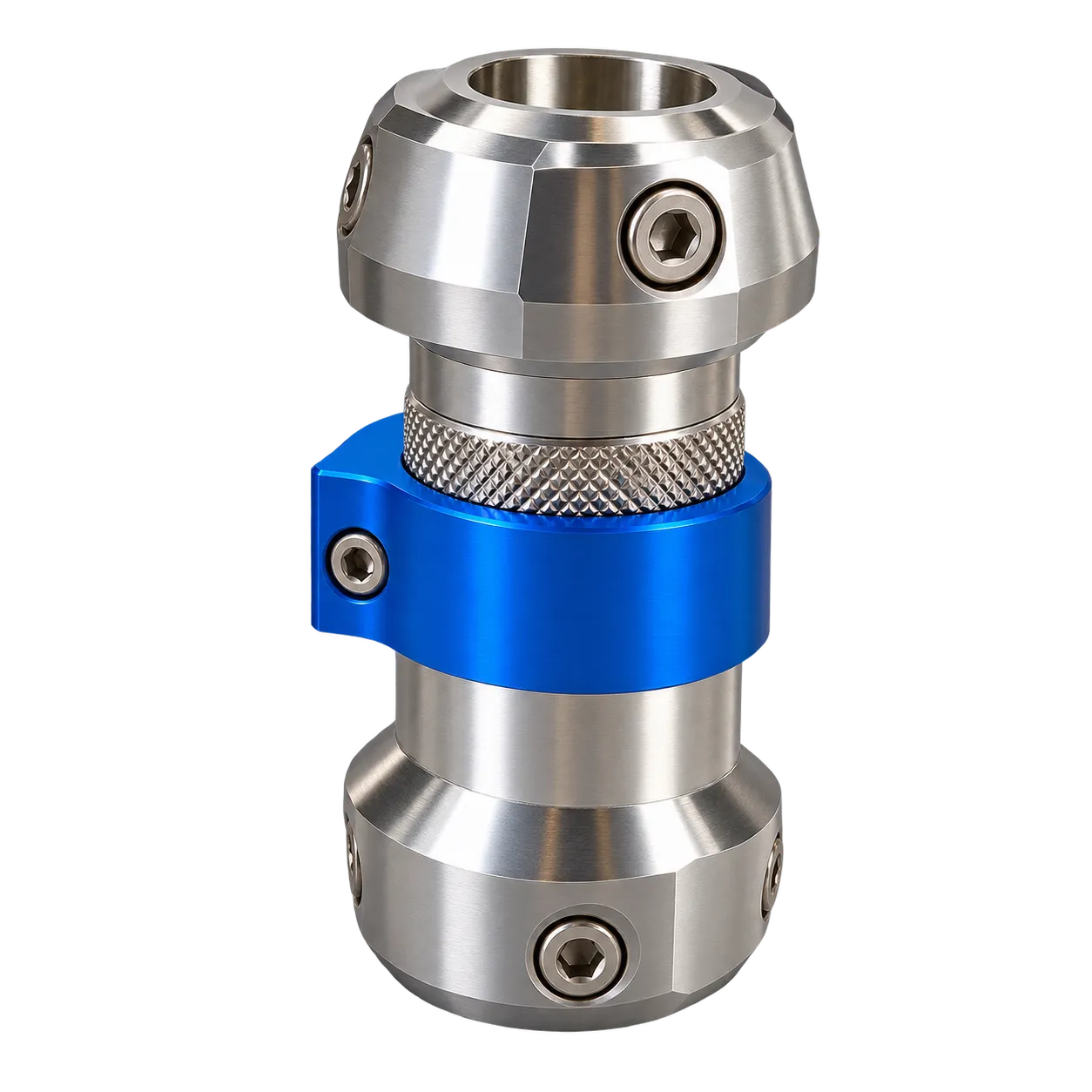
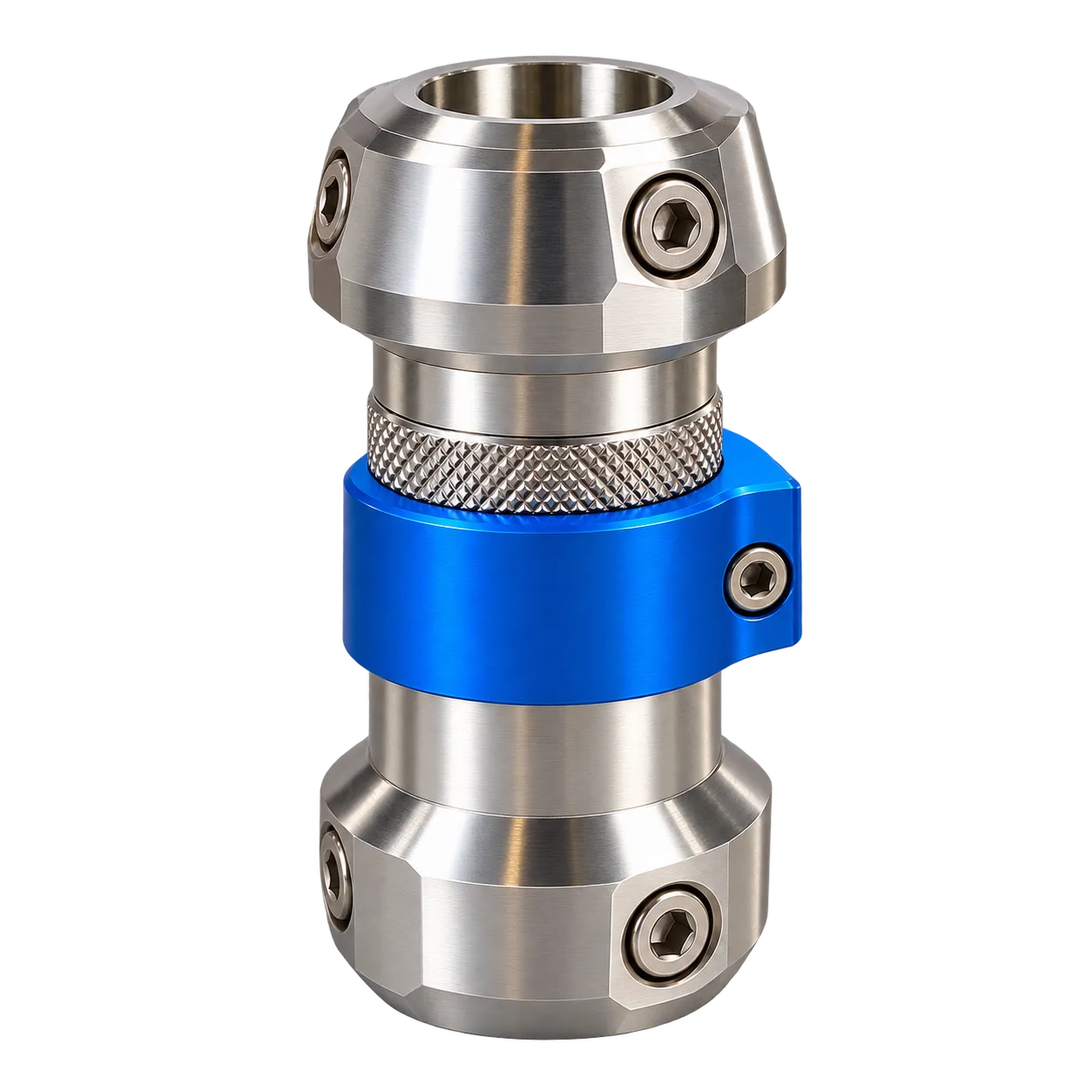
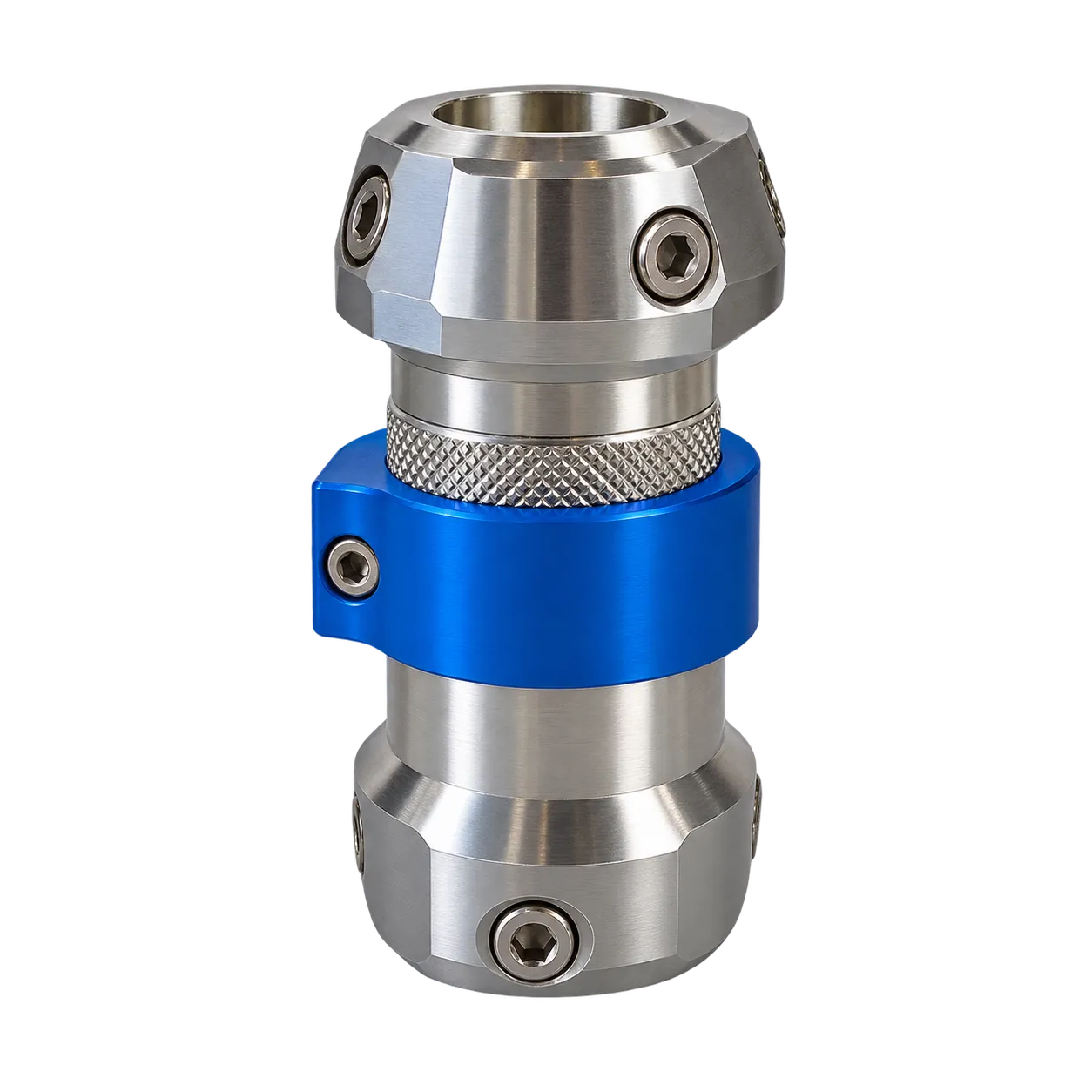
Prosthetic centres and limb-fitting services running interim fittings are the main users. The adapter lets the prosthetist change the height of the limb within one part as the user's residual limb settles, without ordering a new component. The intended amputation levels are not stated, so confirm them before adding the part to a build protocol.
Services under pressure on clinic time benefit most. A height change made at the appointment saves ordering, stocking and fitting a replacement part, and may save a return visit.
Users who change their usual heel height, or whose limb length needs fine adjustment after the first weeks of use, are the group an adjustable adapter serves. The prosthetist should record each setting so it can be reproduced.
Charitable limb programmes and export buyers working where return visits are difficult can use the adjustment to make changes locally. Confirm the range, locking method, material-specific ratings and aluminium surface treatment before placing an order.
Services should record the height setting at every visit. A clear history shows how the user's limb and needs have changed, and helps decide when the interim phase is over and a definitive build can follow. Recording the reason for each change alongside the setting makes the history easier to interpret later.
The adapter is not suited to users above 125 kg, to builds that need more height change than its range provides, or to limbs whose components do not match its connections. The conformity documentation those procurement routes require is issued by the manufacturer and provided by the seller.